
Trump to Press Zelenskyy at UN for Energy Ceasefire Amid Diesel Price Surge
U.S. President Donald Trump is expected to push Ukrainian President Volodymyr Zelenskyy for a mutual halt to energy infrastructure attacks during their meeting in New York. The diplomatic pressure follows a spike in global diesel prices driven by Ukraine's drone campaign against Russian oil refineries.
By Anaya Sharma

How this story has developed
This report is part of a developing story — read the earlier chapters below.
- Trump Urges Ukraine to Halt Strikes on Russian Refineries to Ease Global Diesel Shortage
- Trump to Press Zelenskyy at UN for Energy Ceasefire Amid Diesel Price Surge (this article)
- U.S. Administration
- Prioritizes stabilizing global fuel markets and reducing diesel prices ahead of domestic elections.
- Ukrainian Leadership
- Demands reciprocal security guarantees and an end to Russian attacks on its power grid.
- Russian Government
- Seeks relief from refinery strikes and Western sanctions while maintaining military pressure.
Perspectives this story doesn't cover
- European allies concerned about being sidelined in bilateral U.S.-Russia negotiations
- Global energy market analysts assessing the long-term impact of the refinery strikes
For the U.S. administration, Ukraine's drone campaign against Russian oil refineries is an economic liability that is driving global diesel prices to politically damaging highs. For Kyiv, those same strikes are a vital asymmetric weapon that degrades Moscow's ability to finance its military operations. U.S. President Donald Trump is now preparing to force the issue, planning to pressure Ukrainian President Volodymyr Zelenskyy into accepting an "energy ceasefire" with Russia when the two leaders meet on the sidelines of the United Nations General Assembly in New York on September 22.[1][3]
The high-stakes bilateral talks follow a weekend phone call between the two leaders, during which Trump repeatedly raised the issue of surging global fuel costs. Zelenskyy, who met with U.S. CIA Director John Ratcliffe at Shannon Airport in Ireland on September 21 en route to the United States, has described the upcoming New York summit as a moment that "could change a lot."[1][4]
Trump's primary motivation is the rising price of diesel fuel, which has spiked globally as Ukrainian long-range drones systematically dismantle Russian refining capacity. With U.S. diesel prices recently crossing $6.00 per gallon, the U.S. president has publicly and privately urged Kyiv to spare Russian energy infrastructure. He argues that the resulting deficits are damaging the global economy and creating domestic political headwinds ahead of the November 2026 congressional midterm elections.[1][3]
Trump recently claimed on social media that Russia has "lost control of its Diesel Oil Industry," lamenting that the war must end because "the whole World suffers as 25,000 people, mostly soldiers, are being killed each month." The White House views a mutual halt to energy attacks as a necessary first step toward broader de-escalation, even as fighting intensifies across the front lines in a war that has now stretched into its fifth year.[1][3]
In response to the pressure, Zelenskyy has publicly outlined Ukraine's terms for any potential truce. The Ukrainian leader stated that Kyiv is prepared to halt its deep strikes on Russian oil facilities, but only if international partners can guarantee a complete and verifiable end to Russian missile and drone attacks on Ukraine's own energy grid, port facilities, and logistics infrastructure.[2]
In response to the pressure, Zelenskyy has publicly outlined Ukraine's terms for any potential truce.
"Ukraine's energy sector, critical infrastructure, and our food exports must stop being targets for Russia, and this will lead to matching de-escalation steps on our part," Zelenskyy stated, emphasizing that any mutual halt must be reliable and enforceable rather than a brief operational pause.[2]
Despite the diplomatic maneuvering, there is currently no operational ceasefire in place. Over the weekend of September 19 and 20, Ukraine launched a massive drone attack against the Moscow region, striking the Moscow Oil Refinery and forcing it to halt operations. Recent assessments indicate that Ukrainian strikes have forced at least 3 of Russia's 6 most important diesel refineries to sharply reduce production or shut down altogether this month. Russia, in turn, has continued its relentless bombardment of Ukrainian power generation facilities.[3]
The September 22 meeting will test whether Washington can bridge the gap between Trump's demand for immediate relief in the fuel markets and Zelenskyy's requirement for reciprocal security guarantees. With winter approaching, the stakes for Ukraine's battered energy grid are existential, while the U.S. administration remains acutely focused on the economic fallout of the protracted conflict.[1][2][3]
The stakes
A U.S.-brokered energy ceasefire would mark the first formal de-escalation in the four-year conflict, potentially stabilizing global fuel markets ahead of the U.S. midterm elections. However, forcing Kyiv to halt its most effective asymmetric campaign without ironclad guarantees could leave Ukraine's own battered power grid vulnerable as winter approaches.
The essentials
- U.S. President Donald Trump is pressuring Ukraine to halt strikes on Russian oil refineries to stabilize global diesel prices.
- Ukrainian President Volodymyr Zelenskyy stated Kyiv will only agree if Russia stops attacking Ukraine's energy grid.
- The two leaders are scheduled to discuss the potential energy ceasefire at the UN General Assembly in New York.
- Ukraine recently launched a major drone attack on the Moscow Oil Refinery, highlighting the lack of a current truce.
Perspectives explored
The U.S. Administration's View
The White House views the refinery strikes as an economic liability that threatens global fuel markets.
For the Trump administration, the primary concern is the global surge in diesel prices, which recently crossed $6.00 per gallon in the U.S. Officials argue that Ukraine's attacks on Russian energy infrastructure are tightening global supply and creating domestic political headwinds ahead of the November midterms. The administration believes that an energy ceasefire is a necessary first step toward broader de-escalation and economic stability.
Ukraine's View
Kyiv sees the refinery strikes as a crucial asymmetric weapon and demands reciprocal protection for its own grid.
Ukrainian officials maintain that Russian oil refineries are legitimate military targets that fund Moscow's war effort and supply its frontline troops. While President Zelenskyy has expressed openness to an energy truce, Kyiv insists that any agreement must be mutual and verifiable. Ukraine requires ironclad guarantees that Russia will completely halt its bombardment of Ukrainian power plants, ports, and food export infrastructure before it agrees to stop its drone campaign.
Russia's View
Moscow has signaled conditional openness to a truce but continues its attacks on Ukrainian infrastructure.
The Kremlin has publicly welcomed the idea of an energy ceasefire, with officials calling it a "good initiative." However, Moscow has tied its participation to broader demands, including the protection of Russian fuel tankers and the easing of Western energy sanctions. In practice, Russia has not ceased its aerial bombardment of Ukraine's power generation facilities, using the winter months as a strategic pressure point against Kyiv.
Open questions
- Whether Russia is genuinely willing to halt its attacks on Ukraine's energy grid in exchange for the safety of its oil refineries.
- What specific security guarantees the United States or other international partners could offer to ensure Moscow complies with a ceasefire.
- How long any potential energy truce would last, and whether it would include maritime routes in the Black Sea.
Sources
Source coverage
4 outlets
3 viewpoints surfaced




- [1]MintU.S. Administration
'Diesel, diesel...diesel': Why is Trump pressing Zelensky over Russian oil attacks? US fears explained
Read on Mint → - [2]LIGA.netUkrainian Leadership
Zelenskyy responded to Trump on strikes against Russian oil refineries. He named the condition
Read on LIGA.net → - [3]Censor.NETU.S. Administration
Trump to seek Ukraine-Russia energy ceasefire in New York
Read on Censor.NET → - [4]Straits TimesUkrainian Leadership
Zelenskiy and US spy chief Ratcliffe meet in Ireland, sources say
Read on Straits Times →
Comments

More in News & Politics
See all →Indo-Pacific Security
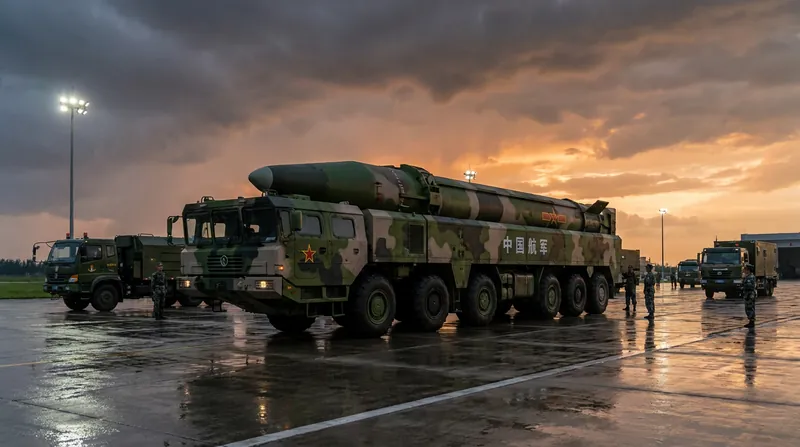
China Conducts Long-Range Missile Test in the Pacific, Drawing Regional Condemnation
7 sources
NATO Summit
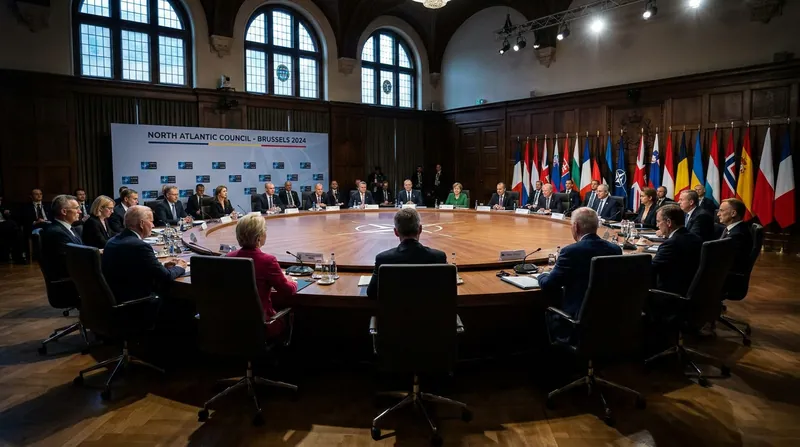
High-Stakes NATO Summit Opens as Trump Pressures Allies on Defense Spending and 'Loyalty'
5 sources
U.S.-China Trade
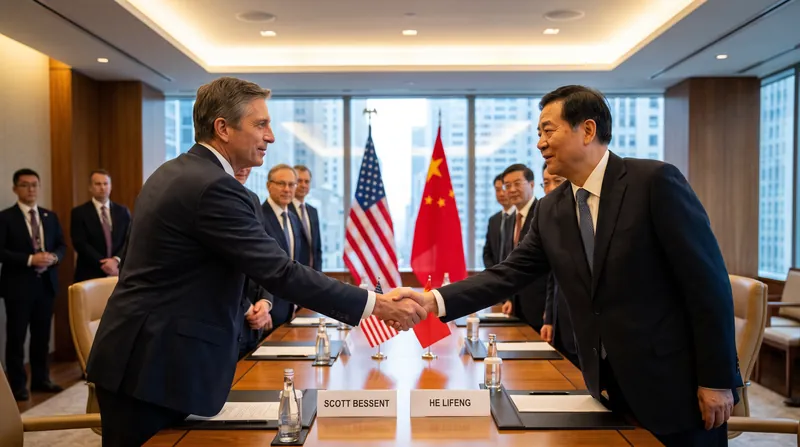
US and China Operationalize Board of Trade in High-Level Economic Talks Ahead of Summit
6 sources
Russia-Ukraine War
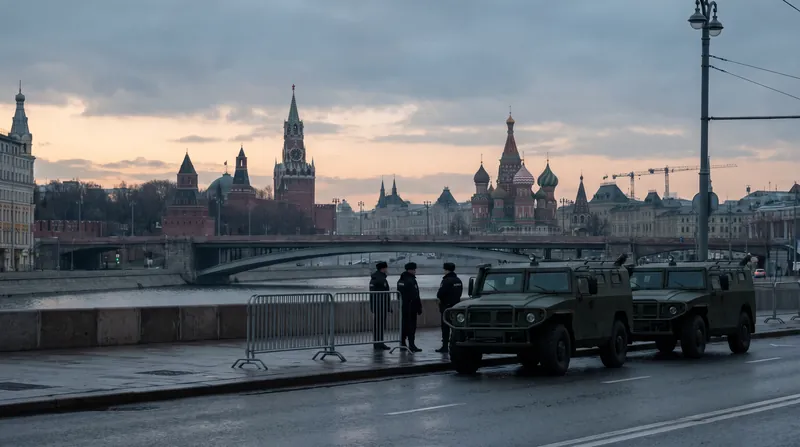
Ukraine Launches Largest Drone Attack on Moscow as Russian Elections Conclude
8 sources
Every angle. Every day.
Get News & Politics stories with full source coverage and perspective breakdowns delivered to your inbox.