
Iran Closes Strait of Hormuz, Threatening Fragile U.S. Peace Deal Over Lebanon Escalation
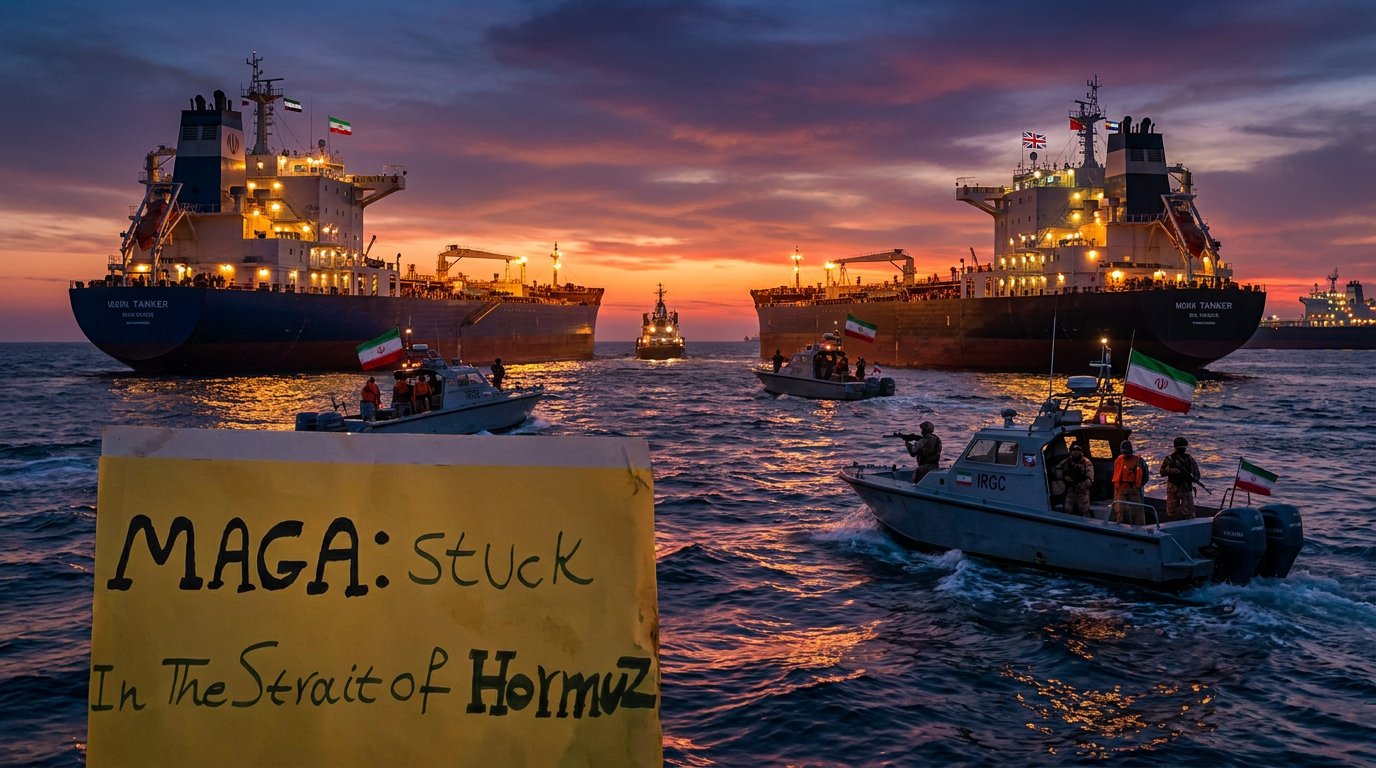
Just days after signing a historic memorandum of understanding with the U.S., Iran has announced the closure of the Strait of Hormuz, citing unaddressed Israeli military actions in Lebanon. The sudden blockade threatens 20% of the world's oil supply and tests the durability of the newly minted diplomatic framework.
By Factlen Editorial Team
- U.S. & Western Diplomats
- View the closure as an illegal escalation and a violation of the newly signed MOU, demanding immediate reopening.
- Iranian Hardliners & Military
- View the MOU as a trap and the Lebanon attacks as a red line requiring immediate retaliation via the Strait.
- Global Energy Markets
- Focused on the severe economic fallout, skyrocketing crude prices, and the logistical nightmare of rerouting global shipping.
- Regional Mediators
- Attempting to salvage the fragile US-Iran MOU and de-escalate the spillover from the Israel-Lebanon conflict.
What's not represented
- · Civilian populations in Lebanon
- · Independent maritime security analysts
Why this matters
The Strait of Hormuz is the world's most critical energy chokepoint. Its closure immediately spikes global fuel prices, driving up inflation for consumers, while risking a direct military confrontation that could unravel the broader Middle East ceasefire.
Key points
- Iran announced the immediate closure of the Strait of Hormuz, citing unaddressed Israeli strikes in Lebanon.
- The closure comes just three days after Iran and the U.S. signed a historic Memorandum of Understanding.
- Approximately 20% of the world's oil supply passes through the 21-mile wide chokepoint.
- Brent crude prices surged past $114 a barrel within hours of the announcement.
- U.S. and European diplomats are scrambling to salvage the fragile peace deal and prevent military escalation.
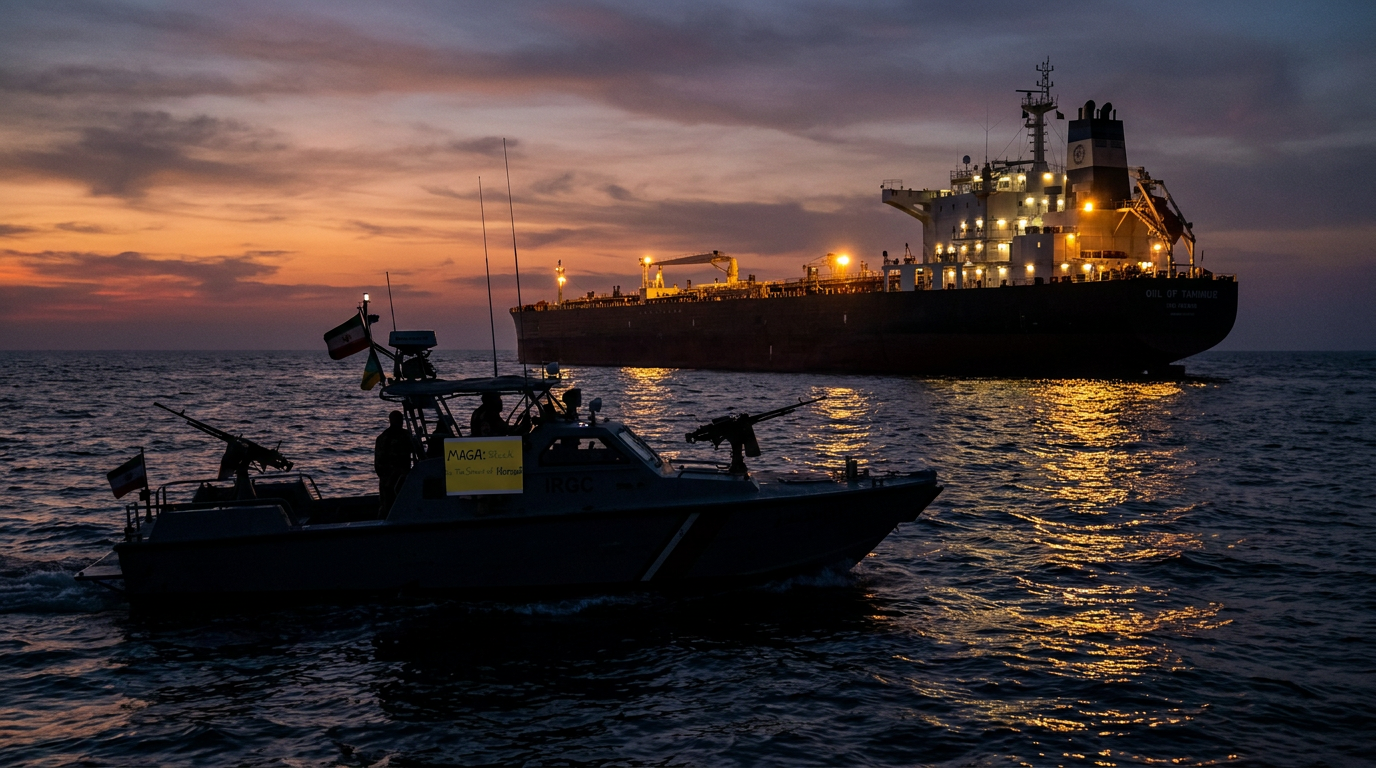
Just three days after a landmark diplomatic breakthrough, the Middle East is once again teetering on the edge of a major crisis. On Saturday, the Iranian armed forces announced the immediate closure of the Strait of Hormuz, effectively choking off the world's most vital energy artery.[1]
The sudden blockade shatters a fragile Memorandum of Understanding (MOU) signed between Washington and Tehran earlier this week, which had briefly allowed the strait to reopen to full commercial traffic. The reversal marks the first severe test of the new geopolitical framework, sending shockwaves through global capitals and financial markets alike.[1][3]
Tehran’s justification for the closure centers not on direct U.S. actions, but on the deteriorating situation in the Levant. Iranian military officials allege that the United States has failed to rein in recent Israeli military strikes in Lebanon, which they view as a direct provocation.[1]

According to Iranian state media, these strikes violate the implicit terms of the broader regional ceasefire negotiated alongside the MOU. By closing the strait, Iran is attempting to use its ultimate economic lever to force Washington to pressure Israel into halting its operations.[7]
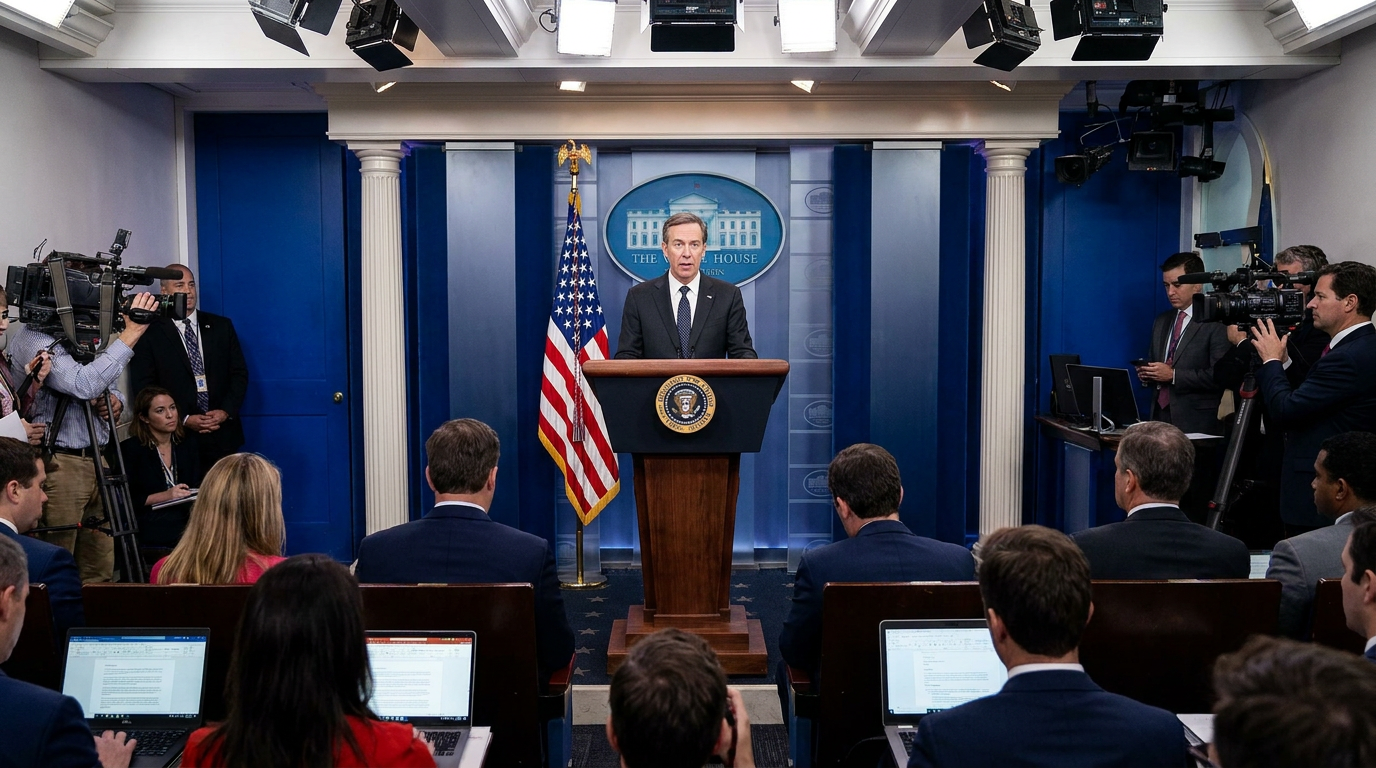
The diplomatic fallout has been swift and severe. U.S. State Department officials have condemned the closure as an illegal blockade of international waters and a blatant violation of the ink that is barely dry on the MOU.[8]
European allies, who had spent months helping broker the initial agreement, are now scrambling to salvage the deal. The UK Foreign Secretary issued a stark condemnation of the escalating rhetoric, specifically calling out inflammatory remarks from Israeli ministers regarding Lebanon that have poured fuel on the fire.[4]
To understand the gravity of the situation, one must look at the geography and economics of the Strait of Hormuz. The narrow waterway, measuring just 21 miles wide at its narrowest point, connects the Persian Gulf to the Gulf of Oman and the open ocean.
It is the ultimate global chokepoint. Approximately 20% of the world's total oil consumption, and a significant portion of liquefied natural gas (LNG) from Qatar, must pass through these waters to reach global markets.[6]
When the strait closes, the global economy immediately feels the constriction. Within hours of the Iranian announcement, Brent crude prices spiked dramatically, surging past $114 a barrel as traders priced in the risk of a prolonged supply shock.[6]

When the strait closes, the global economy immediately feels the constriction.
Global shipping conglomerates are already initiating emergency protocols. Tankers currently in the Persian Gulf are dropping anchor, while inbound vessels are being rerouted to safer holding areas in the Arabian Sea. The logistical nightmare threatens to disrupt supply chains far beyond the energy sector.[5]
Inside Iran, the closure reflects deep internal divisions over the U.S. peace deal. Rival political factions have been locking horns over the MOU since its inception, debating whether engagement with the West yields tangible benefits.[2]
Hardline elements within the Islamic Revolutionary Guard Corps (IRGC) have long viewed the agreement with suspicion, arguing that the U.S. cannot be trusted to deliver on staged sanctions relief. The Lebanon strikes provided the exact pretext these factions needed to assert military control and demonstrate that Iran retains the upper hand in regional deterrence.[2][3]

Conversely, moderate factions in Tehran, who championed the MOU as a path to economic salvation, are now sidelined. The swift military action underscores a reality of Iranian politics: when regional security is perceived to be threatened, the armed forces dictate policy, regardless of diplomatic commitments.[2]
In Washington, the crisis presents a monumental challenge for an administration that had touted the MOU as a signature foreign policy achievement. Critics of the deal are already seizing on the closure as proof that "maximum pressure" should never have been abandoned, arguing that the framework was inherently flawed.[3]
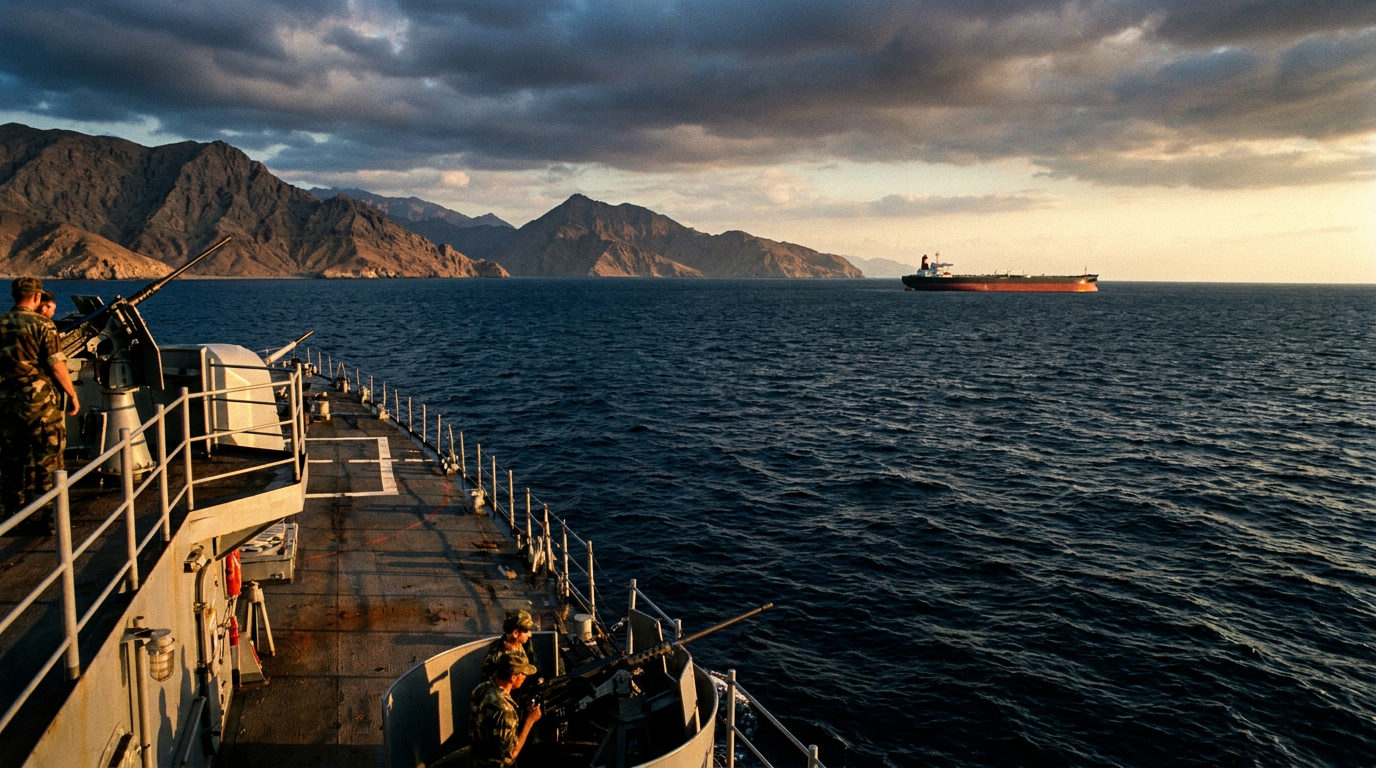
The debate now centers on how to respond without triggering a wider war. The U.S. Navy's Fifth Fleet, headquartered in nearby Bahrain, maintains a significant presence in the region and has historically pledged to keep the sea lanes open.[8]
However, forcefully escorting commercial vessels or engaging Iranian naval assets carries an immense risk of miscalculation. A direct military confrontation in the strait could easily spiral into a broader conflict, drawing in U.S. assets across Iraq, Syria, and the Gulf.
The situation is further complicated by the fragile nature of the broader Middle East security architecture. With multiple flashpoints interconnected, an escalation in the Strait of Hormuz inevitably impacts the ongoing tensions in Lebanon, Gaza, and the Red Sea.
For now, the world watches a high-stakes game of brinkmanship. The coming days will determine whether the closure is a temporary tactical flex designed to send a message, or the definitive end of the most promising Middle East diplomatic initiative in years.

How we got here
June 17, 2026
The U.S. and Iran sign a historic Memorandum of Understanding aimed at regional de-escalation.
June 18, 2026
The Strait of Hormuz officially reopens to full commercial traffic under the new framework.
June 19, 2026
Israeli military strikes are reported in southern Lebanon, escalating regional tensions.
June 20, 2026
Iran announces the immediate closure of the Strait of Hormuz in retaliation for the Lebanon strikes.
Viewpoints in depth
Iranian Armed Forces
Hardline military factions view the closure as a necessary assertion of regional deterrence.
For the Islamic Revolutionary Guard Corps (IRGC) and allied hardliners, the U.S. Memorandum of Understanding was always viewed with deep skepticism. They argue that Washington cannot be trusted to deliver on sanctions relief or rein in its regional allies. By seizing upon the Israeli strikes in Lebanon as a violation of the broader ceasefire, the military establishment has effectively sidelined moderate diplomats in Tehran. The closure is framed not as an act of aggression, but as a necessary defense of Iran's red lines and a demonstration that Tehran controls the region's ultimate economic lever.
U.S. and Western Diplomats
Western officials view the blockade as an illegal escalation that threatens years of delicate diplomacy.
In Washington and European capitals, the closure is seen as a blatant violation of international maritime law and a breach of the newly signed MOU. Diplomats argue that Iran is using the separate conflict in Lebanon as a convenient pretext to test Western resolve and extract further concessions. The immediate focus for these officials is maintaining freedom of navigation without triggering a kinetic conflict, while simultaneously pressuring all parties—including Israel—to de-escalate rhetoric and military actions that provide fuel for hardline Iranian factions.
Global Energy Markets
Commodity traders and shipping firms are bracing for a prolonged, catastrophic supply shock.
For the global economy, the geopolitical nuances take a backseat to raw mathematics: 20% of the world's oil must pass through the Strait of Hormuz. Energy analysts warn that even a temporary closure forces massive rerouting, spikes insurance premiums for tankers, and creates immediate supply deficits. The rapid surge of Brent crude past $114 a barrel reflects the market's fear that this is not a short-term diplomatic stunt, but a structural disruption that could reignite global inflation and force central banks to reconsider their economic forecasts.
What we don't know
- Whether the U.S. Navy will attempt to forcefully escort commercial vessels through the strait.
- How long Iran intends to maintain the blockade before facing severe domestic economic blowback.
- If the broader Memorandum of Understanding can be salvaged, or if it is permanently voided.
Key terms
- Strait of Hormuz
- A narrow waterway between the Persian Gulf and the Gulf of Oman, serving as the only sea passage for oil from the Middle East to the open ocean.
- Memorandum of Understanding (MOU)
- A non-binding agreement outlining the terms and details of a mutual understanding, used here as a precursor to a formal diplomatic treaty.
- Brent Crude
- The major trading classification of sweet light crude oil that serves as a major benchmark price for purchases of oil worldwide.
Frequently asked
Why did Iran close the Strait of Hormuz?
Iran's military claims the U.S. failed to stop Israeli attacks in Lebanon, which Tehran views as a violation of their newly signed ceasefire agreement.
How does this affect global gas prices?
Because 20% of the world's oil passes through the strait, any prolonged closure severely restricts supply, which typically causes a rapid spike in global fuel prices.
Can the U.S. forcefully reopen the strait?
The U.S. Navy's Fifth Fleet patrols the region and has the capability to escort ships, but direct military intervention risks sparking a wider regional war.
Sources
Source coverage
8 outlets
4 viewpoints surfaced







[1]AxiosU.S. & Western Diplomats
Iran closing Strait of Hormuz over Israeli attacks on Lebanon
Read on Axios →[2]Al JazeeraRegional Mediators
Where do Iran’s political factions stand on the US peace deal?
Read on Al Jazeera →[3]Fox NewsU.S. & Western Diplomats
LISA DAFTARI: Trump's Iran MOU is just a framework — now comes the real test
Read on Fox News →UK condemns Israeli minister over inflammatory Lebanon remarks
Read on Al Jazeera →[5]BloombergGlobal Energy Markets
Global Shipping Reroutes as Hormuz Closure Threatens Supply Chains
Read on Bloomberg →[6]ReutersGlobal Energy Markets
Oil surges past $114 as Iran chokes off Strait of Hormuz
Read on Reuters →[7]IRNAIranian Hardliners & Military
Armed Forces statement on Hormuz closure to protect regional security
Read on IRNA →[8]U.S. Department of StateU.S. & Western Diplomats
Department Press Briefing – June 20, 2026
Read on U.S. Department of State →
Every angle. Every day.
Get news politics stories with full source coverage and perspective breakdowns delivered to your inbox.