
Iran Threatens to Close Strait of Hormuz, Citing US Breach of Ceasefire Over Lebanon Strikes
Iran's military command announced it will block vessel traffic through the Strait of Hormuz, accusing the US of failing to halt Israeli airstrikes in Lebanon. The crisis threatens to unravel a landmark 14-point memorandum of understanding signed by Washington and Tehran just days ago.
By Factlen Editorial Team
- US Administration
- Emphasizes diplomatic continuity, with officials expressing confidence the ceasefire will hold and denying immediate evidence of a full blockade.
- Iranian Military Command
- Asserts that continued Israeli strikes in Lebanon violate the US-brokered ceasefire, justifying the closure of the Strait of Hormuz as a retaliatory measure.
- Global Observers & Analysts
- Focuses on the fragility of the newly signed memorandum and the severe implications for global energy markets if the waterway is blocked.
What's not represented
- · Lebanese civilians caught in the renewed cross-border airstrikes
- · Commercial shipping companies forced to navigate the contested waterway
Why this matters
The Strait of Hormuz is the world's most critical chokepoint for oil and natural gas. If Iran enforces this blockade, the resulting disruption to global shipping could trigger an immediate spike in energy prices and reignite inflation worldwide.
Key points
- Iran's military announced the closure of the Strait of Hormuz to vessel traffic on Saturday.
- Tehran cited ongoing Israeli airstrikes against Hezbollah in Lebanon as a US breach of their recent ceasefire deal.
- The crisis threatens to collapse a 14-point memorandum of understanding signed by the US and Iran earlier this week.
- US Vice President JD Vance stated there is no evidence the Strait is physically closed yet.
- Emergency diplomatic talks between US and Iranian envoys are scheduled for Sunday in Switzerland.
- US Central Command maintains that its naval forces remain vigilant in the waterway.
Just days after a landmark memorandum of understanding was signed to halt hostilities across the Middle East, the fragile US-Iran ceasefire is facing an existential crisis. On Saturday, Iran’s top joint military command, the Khatam al-Anbiya Central Headquarters, announced that it is closing the Strait of Hormuz to all vessel traffic. The sudden blockade threatens to upend the 14-point agreement brokered by the Trump administration, which had specifically mandated the reopening of the vital global shipping lane. The rapid reversal underscores the extreme volatility of the region, plunging Washington and Tehran back into a high-stakes standoff before the ink on their electronic signatures has even dried.[1][3]
The Iranian military explicitly tied the closure to ongoing violence in the Levant, accusing the United States of failing to uphold its end of the bargain. Tehran cited the "Zionist regime's continuous and relentless violation of the ceasefire in southern Lebanon" as a direct breach of the Washington-brokered framework. According to Iranian state media, the military command views the blockade as merely a "first step" in retaliation, warning that further aggressive measures will follow if the United States cannot rein in Israeli military operations against Hezbollah. For Iran, the cessation of hostilities in Lebanon was a non-negotiable pillar of the broader peace deal.[4][5]
The immediate catalyst for the crisis was a sharp escalation of violence across the Israel-Lebanon border late Friday and into Saturday morning. Despite a localized ceasefire taking effect, Israeli warplanes and drones struck multiple locations in southern Lebanon and the Bekaa Valley. Lebanese authorities reported that the strikes killed at least 16 people, with some local officials placing the casualty count as high as 47. The Israeli Defense Forces maintained that the bombardment was a necessary and proportionate response to Hezbollah, alleging that the Iran-backed militia had fired more than 50 projectiles at Israeli positions overnight.[2][4]

The renewed bloodshed in Lebanon directly jeopardizes the core mechanics of the US-Iran memorandum of understanding. Signed remotely by President Donald Trump and Iranian President Masoud Pezeshkian earlier in the week, the 14-point MoU was designed to extend a regional ceasefire for 60 days. In exchange for Iran reopening the Strait of Hormuz without tolls and clearing deployed naval mines, the United States agreed to unfreeze assets, lift port blockades, and initiate a framework for addressing Iran's enriched uranium stockpile. The sudden closure of the waterway effectively nullifies the primary economic and security relief the US had secured in the pact.[1][7]
The renewed bloodshed in Lebanon directly jeopardizes the core mechanics of the US-Iran memorandum of understanding.
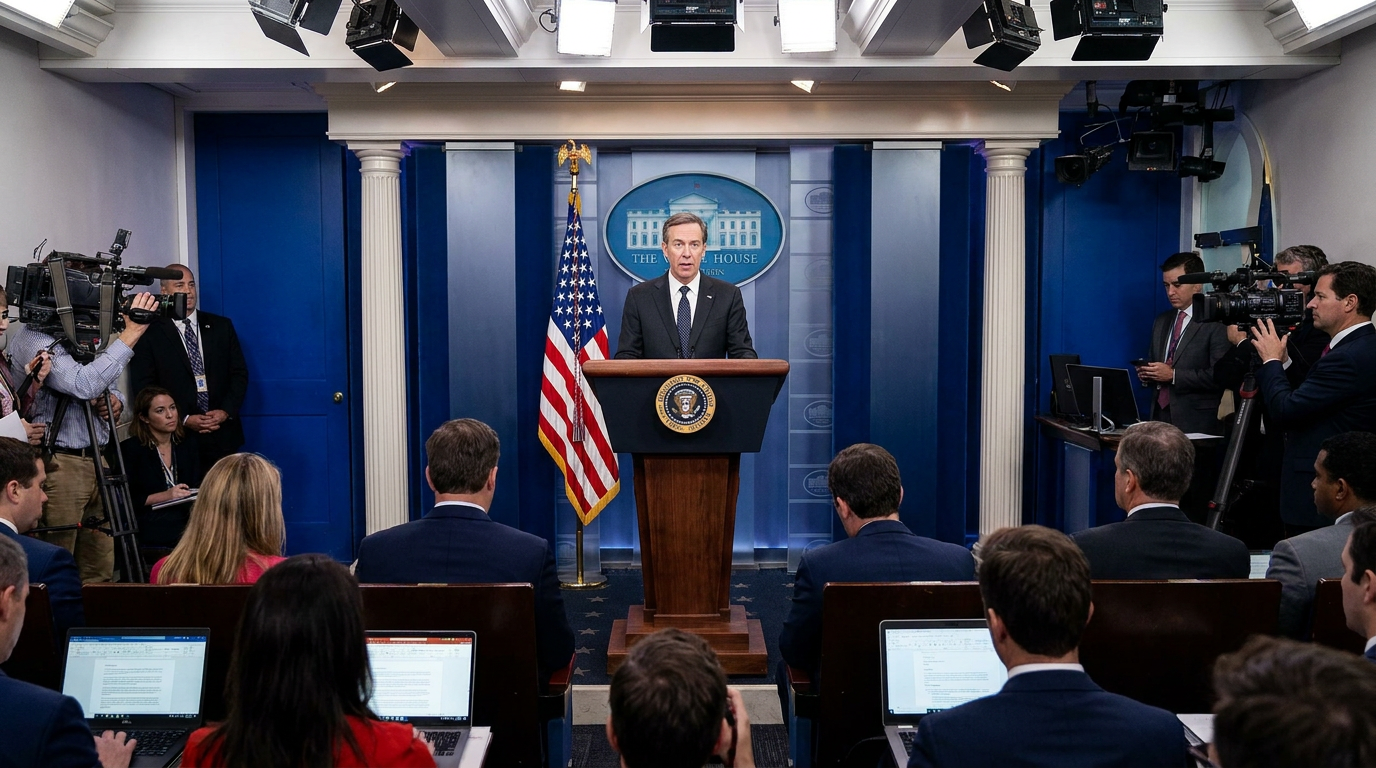
Despite the stark announcement from Tehran, the US administration is projecting confidence and attempting to salvage the diplomatic framework before it collapses entirely. Vice President JD Vance, who is spearheading the implementation phase of the agreement, told Fox News that he remains optimistic the Washington-brokered deal will hold. Vance notably pushed back against the Iranian military's claims, stating that the administration has seen no physical evidence that the Strait of Hormuz has actually been closed to commercial shipping. The White House appears to be treating the Iranian announcement as a high-pressure negotiating tactic rather than an irreversible military maneuver.[2][6]
To prevent the crisis from spiraling, diplomatic efforts are accelerating at a breakneck pace. Vice President Vance is scheduled to travel to Switzerland on Sunday for emergency technical talks with Iranian representatives, including Parliament Speaker Mohammad-Bagher Ghalibaf. The meetings, which will be mediated by Pakistani and Qatari diplomats in Bürgenstock, were originally planned as a routine follow-up to implement the MoU. Now, the summit has transformed into a desperate rescue mission, with US envoys tasked with convincing Tehran to walk back its blockade threat while simultaneously pressuring Israel to halt its operations in Lebanon.[2][7]

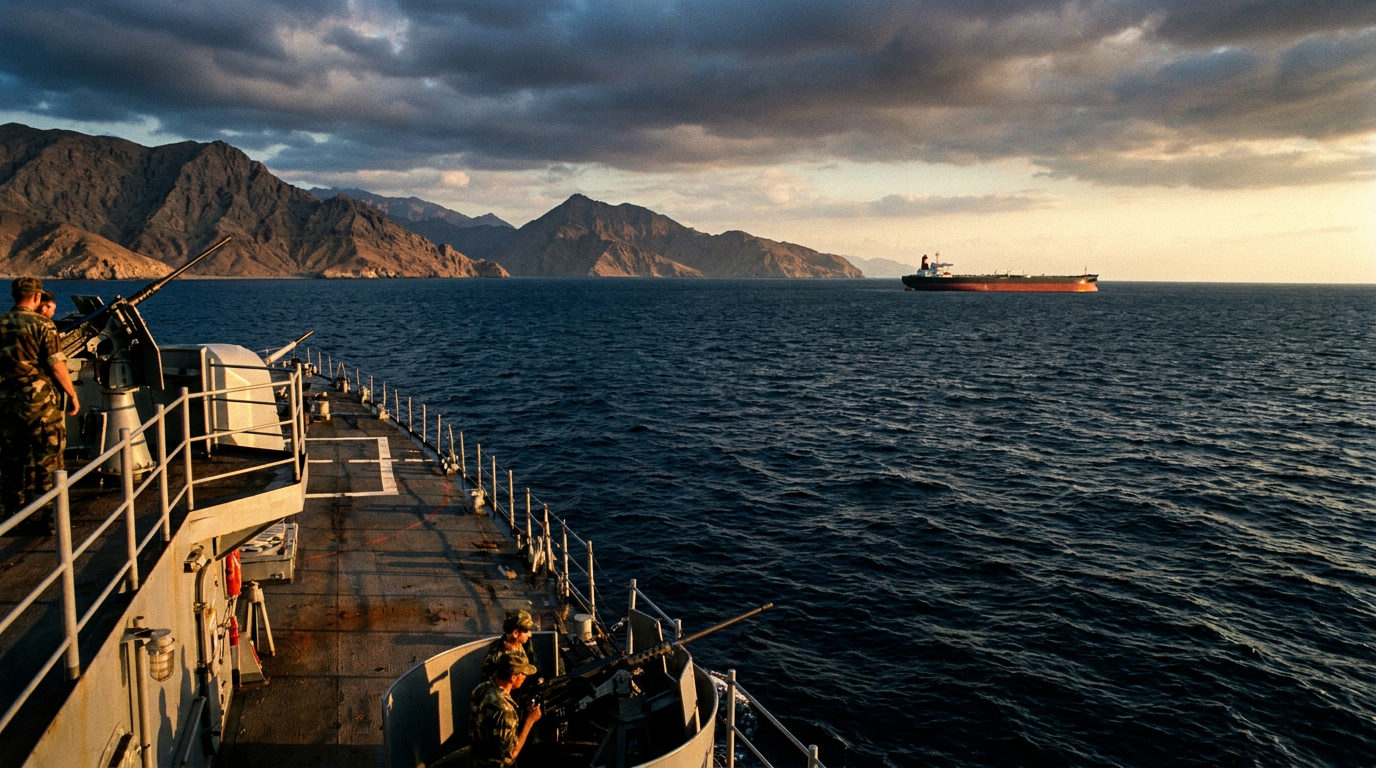
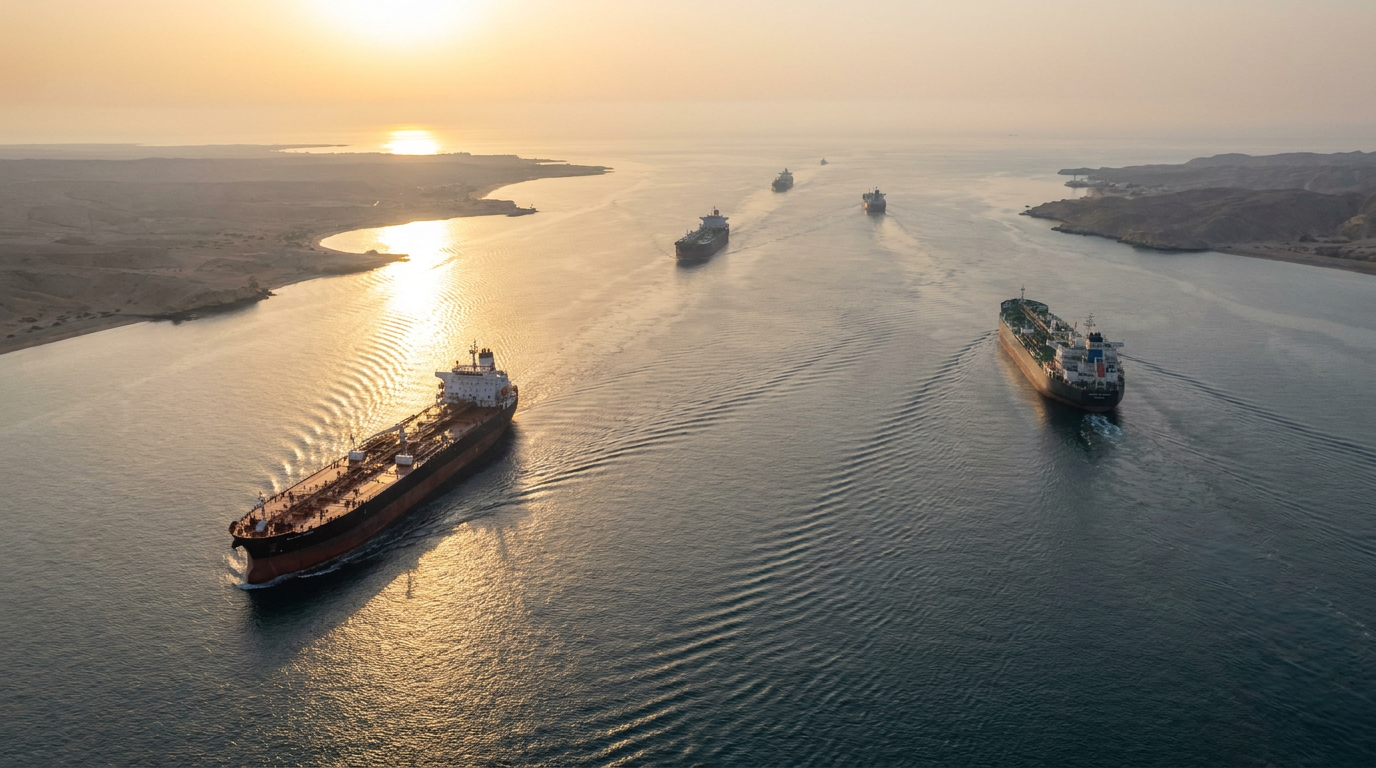
On the water, the situation remains tense and highly unpredictable. The US Central Command (CENTCOM) issued a statement confirming that American naval forces remain "present and vigilant" in the Strait of Hormuz to ensure that all aspects of the agreement are obeyed. The waterway is arguably the most critical maritime chokepoint on the planet, serving as the conduit for a massive percentage of global oil and liquefied natural gas shipments. During earlier phases of the conflict, Iranian harassment of commercial vessels sent shockwaves through international energy markets, and a renewed blockade threatens to trigger an immediate spike in global inflation.[3][7]
The rapid deterioration of the ceasefire highlights the inherent structural flaws of the memorandum, which critics have warned is overly dependent on the unpredictable actions of allied proxy groups and regional partners. While the White House has previously downplayed the threat of Iran's ballistic missile program in favor of securing this broader truce, the current crisis proves that localized skirmishes can instantly derail high-level diplomacy. As US and Iranian delegations prepare to meet in Switzerland, the fate of the global energy supply—and the prospect of a wider Middle Eastern war—hangs entirely on whether a localized ceasefire in Lebanon can be enforced.[1][6]
How we got here
Earlier this week
President Trump and Iranian President Pezeshkian sign a 14-point memorandum of understanding to end hostilities.
Friday afternoon
A localized ceasefire between Israel and Hezbollah takes effect in southern Lebanon.
Friday night
Fighting resumes as Hezbollah fires projectiles and Israel conducts deadly airstrikes across Lebanon.
Saturday morning
Iran's military command announces the closure of the Strait of Hormuz, citing the Lebanon strikes as a US breach of contract.
Sunday
US Vice President JD Vance and Iranian officials are scheduled to hold emergency talks in Switzerland.
Viewpoints in depth
US Administration's view
The White House believes the diplomatic framework can be salvaged and views the blockade threat as a negotiating tactic.
US officials, led by Vice President JD Vance, are projecting confidence that the 14-point memorandum of understanding will survive this early stress test. The administration argues that localized flare-ups, while concerning, do not automatically invalidate the broader strategic agreement. By emphasizing that there is no physical evidence of a closed Strait and dispatching envoys to Switzerland, Washington is attempting to de-escalate the rhetoric and force Tehran back to the negotiating table. The US maintains that its military presence in the region is purely to ensure compliance with the deal, not to provoke further conflict.
Iranian Military's view
Tehran views the cessation of Israeli strikes in Lebanon as a non-negotiable condition of the broader peace deal.
For Iran's Khatam al-Anbiya Central Headquarters, the memorandum of understanding is a conditional pact that requires the United States to control its regional allies. Iranian leadership argues that the US cannot reap the economic benefits of an open Strait of Hormuz while simultaneously allowing Israel to conduct deadly airstrikes against Hezbollah, a key Iranian proxy. By announcing the closure of the waterway, the military command is signaling that it will hold Washington directly responsible for Israel's actions, using global energy markets as leverage to enforce the ceasefire in the Levant.
Global Markets' view
Energy importers and financial analysts are deeply concerned about the immediate economic fallout of a closed waterway.
For the global shipping industry and international energy markets, the political nuances of the ceasefire are secondary to the physical security of the Strait of Hormuz. Analysts warn that even the threat of a blockade can cause insurance premiums for commercial vessels to skyrocket, leading to immediate spikes in the price of crude oil and liquefied natural gas. Observers view the rapid collapse of the agreement as proof that the Middle East remains fundamentally unstable, warning that a prolonged closure of the Strait could trigger a renewed wave of global inflation just as central banks attempt to stabilize their economies.
What we don't know
- Whether Iran has physically deployed naval assets to block commercial vessels in the Strait.
- If the upcoming diplomatic talks in Switzerland can successfully salvage the 14-point memorandum.
- How global energy markets will price in the renewed risk of a prolonged blockade when trading opens.
Key terms
- Strait of Hormuz
- A narrow, strategically critical waterway between the Persian Gulf and the Gulf of Oman through which a massive portion of the world's oil supply passes.
- Memorandum of Understanding (MoU)
- A formal agreement between two or more parties outlining the terms and details of a mutual understanding, often used as a framework before a final treaty.
- Khatam al-Anbiya Central Headquarters
- The highest-level joint command center of the Iranian Armed Forces, responsible for coordinating major military operations.
- Hezbollah
- An Iran-backed Shia political party and militant group based in Lebanon that frequently engages in cross-border conflict with Israel.
Frequently asked
Why is Iran threatening to close the Strait of Hormuz?
Iran's military claims the US breached their recent ceasefire agreement by failing to stop Israeli airstrikes against Hezbollah in Lebanon.
What was in the US-Iran memorandum of understanding?
The 14-point deal included a 60-day ceasefire, the reopening of the Strait of Hormuz without tolls, the unfreezing of Iranian assets, and a framework for nuclear negotiations.
Is the Strait of Hormuz completely blocked right now?
While Iran announced the closure, US Vice President JD Vance stated that the administration has not yet seen physical evidence that commercial shipping has been halted.
How is the US responding to the crisis?
US Central Command is maintaining a vigilant naval presence in the Strait, while Vice President JD Vance is traveling to Switzerland for emergency diplomatic talks with Iranian officials.
Sources
Source coverage
7 outlets
3 viewpoints surfaced






[1]AxiosGlobal Observers & Analysts
Iran closing Strait of Hormuz over Israeli attacks on Lebanon
Read on Axios →[2]CBCUS Administration
Vance expects to go to Switzerland for talks with Iran amid Hormuz closure threat
Read on CBC →[3]Channel News AsiaIranian Military Command
Iran says it will close Strait of Hormuz to shipping
Read on Channel News Asia →[4]The HinduIranian Military Command
Iran says it is closing Strait of Hormuz over Israeli attacks on Lebanon
Read on The Hindu →[5]Iran InternationalIranian Military Command
Iran says it will close Strait of Hormuz over ceasefire breaches in Lebanon
Read on Iran International →[6]Fox NewsUS Administration
Trump says Iran missiles 'aren't the problem' after White House made them central to war rationale
Read on Fox News →[7]LIGA.netGlobal Observers & Analysts
The United States and Iran have signed a memorandum of understanding remotely
Read on LIGA.net →
More in news politics
See all 5 stories →Labor Law
House Passes Landmark 'Faster Labor Contracts Act,' Setting Up Senate Showdown
7 sources
U.S.-Iran Deal
U.S. and Iran Sign Interim Agreement to Halt War as Regional Tensions Persist
6 sources
US-Iran Relations
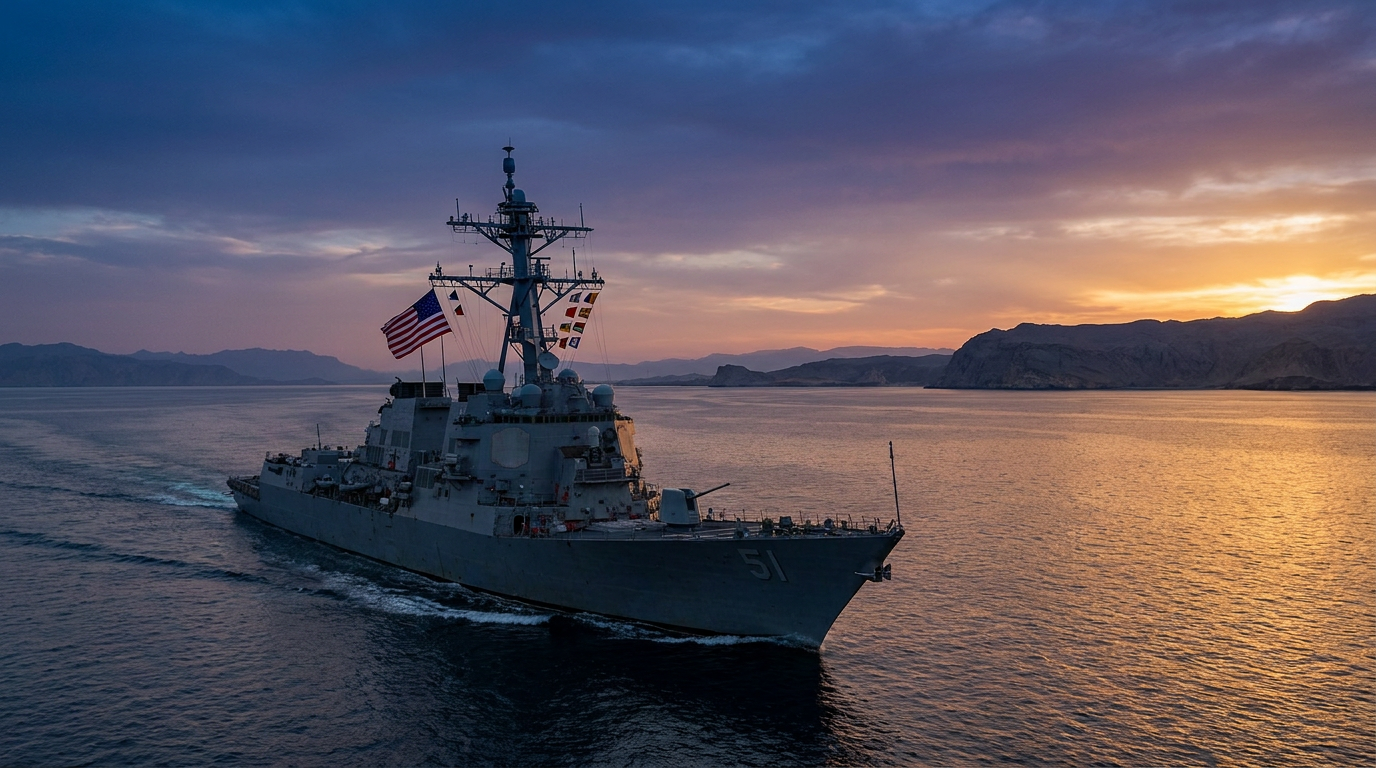
US and Iran Reach Memorandum of Understanding to Halt Hostilities as Administration Defends Terms
9 sources
Every angle. Every day.
Get news politics stories with full source coverage and perspective breakdowns delivered to your inbox.