
How to Optimize Your Heat Pump for Maximum Efficiency and Lower Bills
Heat pumps offer massive energy savings over traditional furnaces, but maximizing their efficiency requires a different approach to maintenance and thermostat management.
By Factlen Editorial Team
- HVAC Professionals
- Focuses on the technical necessity of precise refrigerant charging and electrical inspections.
- Energy Efficiency Advocates
- Emphasizes the macro-level grid benefits of well-maintained heat pumps.
- DIY Homeowners
- Focuses on accessible, high-impact tasks that save money without professional help.
What's not represented
- · Renters without control over HVAC systems
- · Homeowners in extreme sub-zero climates relying on dual-fuel systems
Why this matters
A well-maintained heat pump uses up to 25% less energy than a neglected one, saving homeowners thousands of dollars over the system's lifespan while reducing carbon emissions.
Key points
- A well-maintained heat pump uses 10% to 25% less energy than a neglected unit.
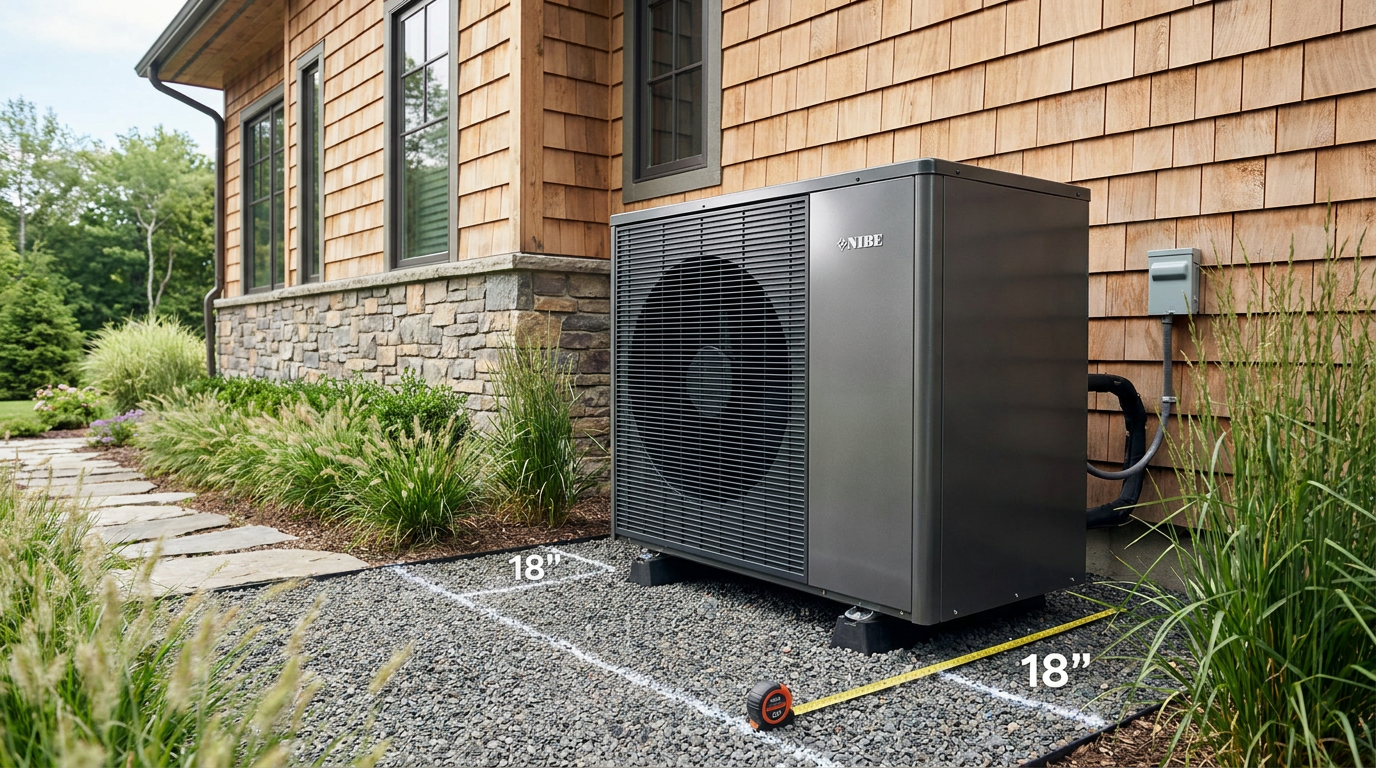
- Homeowners should maintain an 18-inch clearance zone around the outdoor condenser.
- Unlike gas furnaces, heat pumps operate most efficiently when the thermostat is kept at a steady temperature.
- The defrost cycle is a normal, automatic process that melts ice off the outdoor coil in cold weather.
Heat pumps are rapidly replacing traditional furnaces and air conditioners in homes across the world, offering a two-in-one solution that dramatically cuts carbon emissions. By moving heat rather than burning fossil fuels to create it, these systems can deliver up to three times more heat energy than the electrical energy they consume.[2]
But unlocking those promised savings requires a shift in how homeowners think about HVAC maintenance. A heat pump operates differently than a standard gas furnace, and treating it like one can lead to skyrocketing utility bills and premature equipment failure.[1]
The stakes for proper upkeep are surprisingly high. According to the U.S. Department of Energy, the difference in energy consumption between a well-maintained heat pump and a severely neglected one ranges from 10% to 25%.[2]
Over the 15-year lifespan of a typical unit, that efficiency gap translates to thousands of dollars in wasted electricity. Because heat pumps rely entirely on absorbing and releasing heat from the air, airflow is their lifeblood.[3]
The single most impactful maintenance task a homeowner can perform is regularly checking and replacing the indoor air filters. Clogged filters force the system's blower motor to work harder, reducing efficiency and potentially damaging the compressor over time.[3][6]

Experts recommend checking filters monthly and replacing them every one to three months. While high-efficiency pleated filters with higher MERV ratings improve indoor air quality, they can also restrict airflow if not changed frequently enough, meaning homeowners must balance filtration needs with system efficiency.[2]
The outdoor unit, known as the condenser, requires equal attention. Because it runs year-round—unlike a traditional air conditioner that sits idle in winter—it is constantly exposed to the elements.[3]
Homeowners must maintain a strict 18-inch clearance zone around the unit, keeping it free of encroaching shrubs, fallen leaves, and snowdrifts. When dirt, pollen, or debris coats the outdoor coils, the system loses its ability to transfer heat effectively.[6]
Homeowners must maintain a strict 18-inch clearance zone around the unit, keeping it free of encroaching shrubs, fallen leaves, and snowdrifts.
A gentle rinse with a garden hose a few times a year can clear away this buildup, though high-pressure washers should be avoided as they can bend the delicate aluminum fins. Beyond physical maintenance, optimizing a heat pump requires unlearning a common winter habit: the thermostat setback.[3]
With a gas furnace, turning the temperature down 10 degrees at night saves money. With a heat pump, it often does the opposite. Heat pumps are designed to maintain a steady temperature efficiently.[1][3]
If a homeowner drops the temperature at night and then demands a rapid warm-up in the morning, the system may struggle to close the gap quickly. To compensate, the thermostat will trigger the auxiliary or backup heat—usually highly inefficient electric resistance strips—which can cost two to three times more to operate.[1][7]
The golden rule for heat pumps is to "set it and forget it." One of the most misunderstood aspects of winter heat pump operation is the defrost cycle. When outdoor temperatures drop and humidity is high, moisture in the air can freeze onto the outdoor coil.[3][5]
Because the coil is typically 10 to 20 degrees Fahrenheit colder than the ambient air, frost can form even when it is 40 degrees outside. Frost acts as an insulator, blocking the coil from absorbing heat.[4][5]

To protect itself, the heat pump automatically initiates a defrost cycle. It temporarily reverses the flow of refrigerant, essentially switching into air conditioning mode to send hot gas to the outdoor coil and melt the ice. During this 5-to-15-minute process, homeowners might notice a cloud of steam rising from the outdoor unit, which is simply the melted ice evaporating.[4][5]
The system will also temporarily activate the backup indoor heat strips to prevent cold air from blowing through the vents while the outdoor unit defrosts. The frequency of these cycles depends on the system's control board.[8]
Older or basic models use "time and temperature" defrost, which initiates a cycle on a fixed timer as long as the coil is cold, regardless of whether frost is actually present. Modern, high-efficiency units use "demand defrost," which relies on advanced sensors to monitor both the coil and ambient air temperatures, triggering the cycle only when ice accumulation actively hinders performance.[8]

While homeowners can handle filters and debris, professional maintenance remains non-negotiable. Industry experts strongly recommend an annual tune-up, which typically costs between $100 and $300. During this visit, technicians measure airflow, inspect electrical terminals, and check for refrigerant leaks.[2][6]
An improper refrigerant charge can cripple a heat pump's efficiency, and only a licensed professional with specialized gauges can safely diagnose and correct it. By combining simple DIY habits with annual professional oversight, homeowners can ensure their heat pump delivers on its promise of quiet, eco-friendly, and cost-effective comfort year-round.[1][2]
Viewpoints in depth
HVAC Professionals
Focuses on the technical necessity of precise refrigerant charging and electrical inspections.
For licensed technicians, the most critical aspects of heat pump maintenance are invisible to the homeowner. They emphasize that while changing filters is helpful, a system running on an improper refrigerant charge will suffer massive efficiency losses and eventual compressor failure. Professionals advocate for annual tune-ups to measure airflow mathematically, tighten electrical connections that vibrate loose over time, and ensure the reversing valve operates smoothly before extreme weather hits.
Energy Efficiency Advocates
Emphasizes the macro-level grid benefits of well-maintained heat pumps.
Organizations focused on climate and energy policy view heat pump maintenance as a critical pillar of grid stability. Because heat pumps draw electricity, millions of poorly maintained units working 20% harder than necessary can place immense strain on local power grids during winter cold snaps. These advocates push for widespread education on 'demand defrost' and proper thermostat management to minimize the use of highly inefficient electric resistance backup heating.
DIY Homeowners
Focuses on accessible, high-impact tasks that save money without professional help.
The homeowner perspective prioritizes practical, low-cost interventions. This camp focuses heavily on the '18-inch rule' for outdoor unit clearance and the discipline of monthly filter checks. For DIYers, the goal is to extend the time between expensive professional service calls by keeping the coils clean of pollen and leaves, ensuring the system can breathe easily and operate at its baseline efficiency.
What we don't know
- Whether future smart-home integrations will allow heat pumps to automatically diagnose their own refrigerant leaks.
- How quickly older 'time and temperature' defrost boards will be phased out entirely by manufacturers in favor of demand defrost.
Key terms
- Defrost Cycle
- An automatic process where the heat pump temporarily reverses operation to melt frost off the outdoor coil.
- Auxiliary Heat
- A backup heating source, often electric resistance strips, that activates when the heat pump cannot meet the thermostat demand quickly enough.
- Reversing Valve
- The internal component that switches the flow of refrigerant, allowing the heat pump to provide both heating and cooling.
- Demand Defrost
- A smart control system that only initiates a defrost cycle when sensors detect actual frost buildup, saving energy compared to timer-based systems.
Frequently asked
Why is my heat pump blowing cold air in the winter?
It is likely in its defrost cycle. The system temporarily reverses operation to melt ice off the outdoor coil, which can cause cooler air to flow indoors for 5 to 15 minutes.
Should I turn down my heat pump at night to save money?
Generally, no. Heat pumps operate most efficiently when maintaining a steady temperature. Dropping the temperature significantly can trigger expensive electric backup heating when the system tries to recover.
How often do I need to change my heat pump filter?
Experts recommend checking filters monthly and replacing them every one to three months, depending on usage, filter thickness, and local air quality.
Sources
Source coverage
8 outlets
3 viewpoints surfaced








[1]Factlen Editorial TeamDIY Homeowners
Synthesis by Factlen editorial team
Read on Factlen Editorial Team →[2]U.S. Department of EnergyEnergy Efficiency Advocates
Operating and Maintaining Your Heat Pump
Read on U.S. Department of Energy →[3]EnergySageDIY Homeowners
Heat pump maintenance: A little goes a long way
Read on EnergySage →[4]TraneHVAC Professionals
What Is a Heat Pump Defrost Cycle?
Read on Trane →[5]LennoxHVAC Professionals
Understanding the Heat Pump Defrost Cycle
Read on Lennox →[6]PalmettoDIY Homeowners
Heat Pump Maintenance Checklist
Read on Palmetto →[7]ZeroHomesEnergy Efficiency Advocates
Heat Pump vs. Gas Furnace: Which is Better?
Read on ZeroHomes →[8]HVAC SchoolHVAC Professionals
Upgrading Time & Temperature Defrost with Demand Defrost for Heat Pumps
Read on HVAC School →
More in home
See all 33 stories →Home Electrification
The Economics and Mechanics of the Zero-Emission Home Retrofit
6 sources
Appliance Tech
How Induction Cooking Works: The Science and Stakes Behind the Kitchen Transition
8 sources
Neuroaesthetics
The Science of the 'Sensory Sanctuary': How Interior Design Literally Rewires Your Brain
6 sources

Neuroaesthetics
The Science of a Happy Home: How Neuroaesthetics is Rewiring Interior Design
7 sources

Every angle. Every day.
Get home stories with full source coverage and perspective breakdowns delivered to your inbox.