
The Science of a Happy Home: How Neuroaesthetics is Rewiring Interior Design
A new intersection of neuroscience and architecture reveals that our brains have measurable biological responses to room layouts, lighting, and textures. By designing for the subconscious, neuroaesthetics is transforming homes and offices into active tools for mental health.
By Factlen Editorial Team
- Scientific Researchers
- Focuses on gathering biometric data to prove how environments alter human biology.
- Architectural Practitioners
- Focuses on applying neurological findings to create healing and functional spaces.
- Institutional Planners
- Focuses on the measurable benefits of neuroaesthetics in workplaces, schools, and hospitals.
What's not represented
- · Low-income housing developers balancing neuroaesthetic principles with strict budget constraints
- · Renters who have limited control over their architectural environments
Why this matters
We spend over 80% of our lives indoors, yet most spaces are designed purely for visual appeal or basic function. Understanding how environments trigger stress or calm can help you optimize your own home to lower blood pressure, improve focus, and actively support your nervous system.

More in home
See all 37 stories →Neuroaesthetics
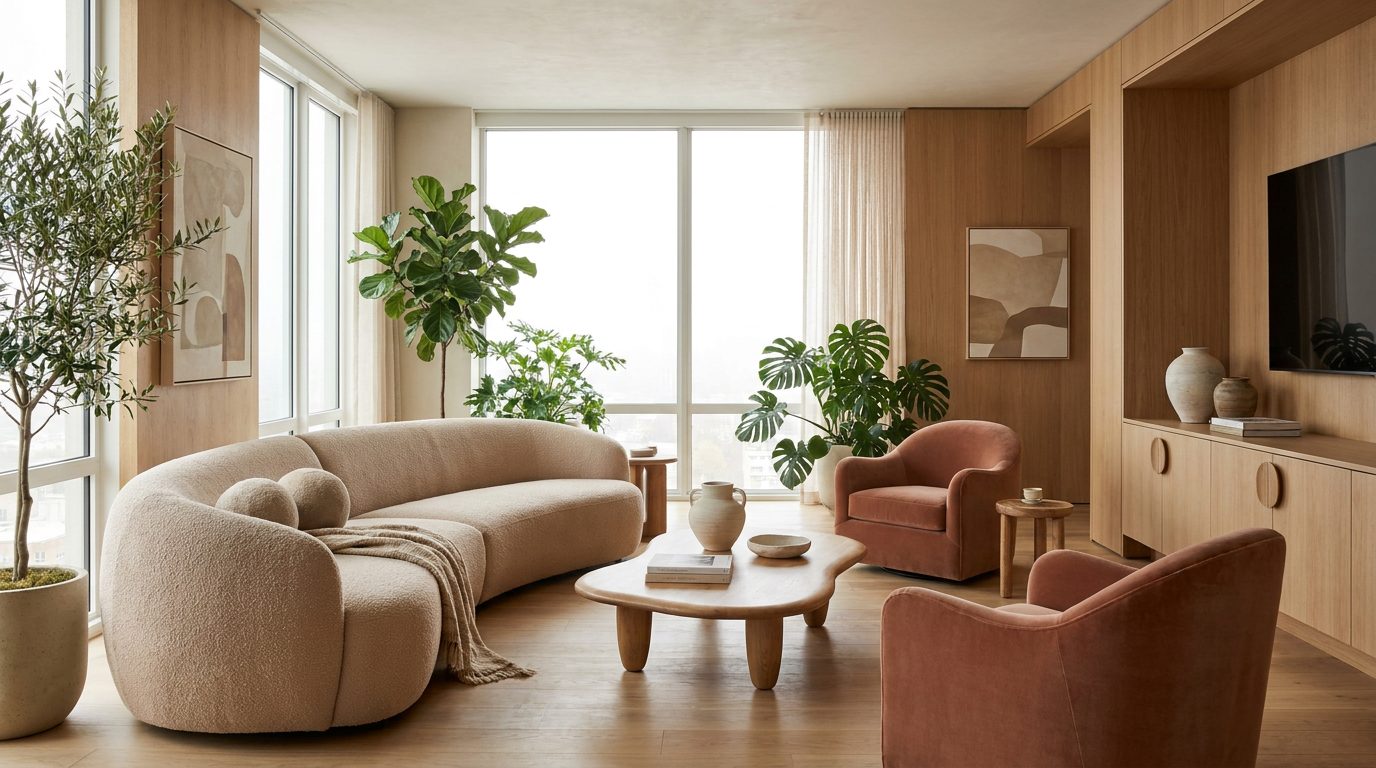
The Science of Neuroaesthetics: How Interior Design Physically Alters Brain Chemistry
7 sources
Heat Pump Retrofits
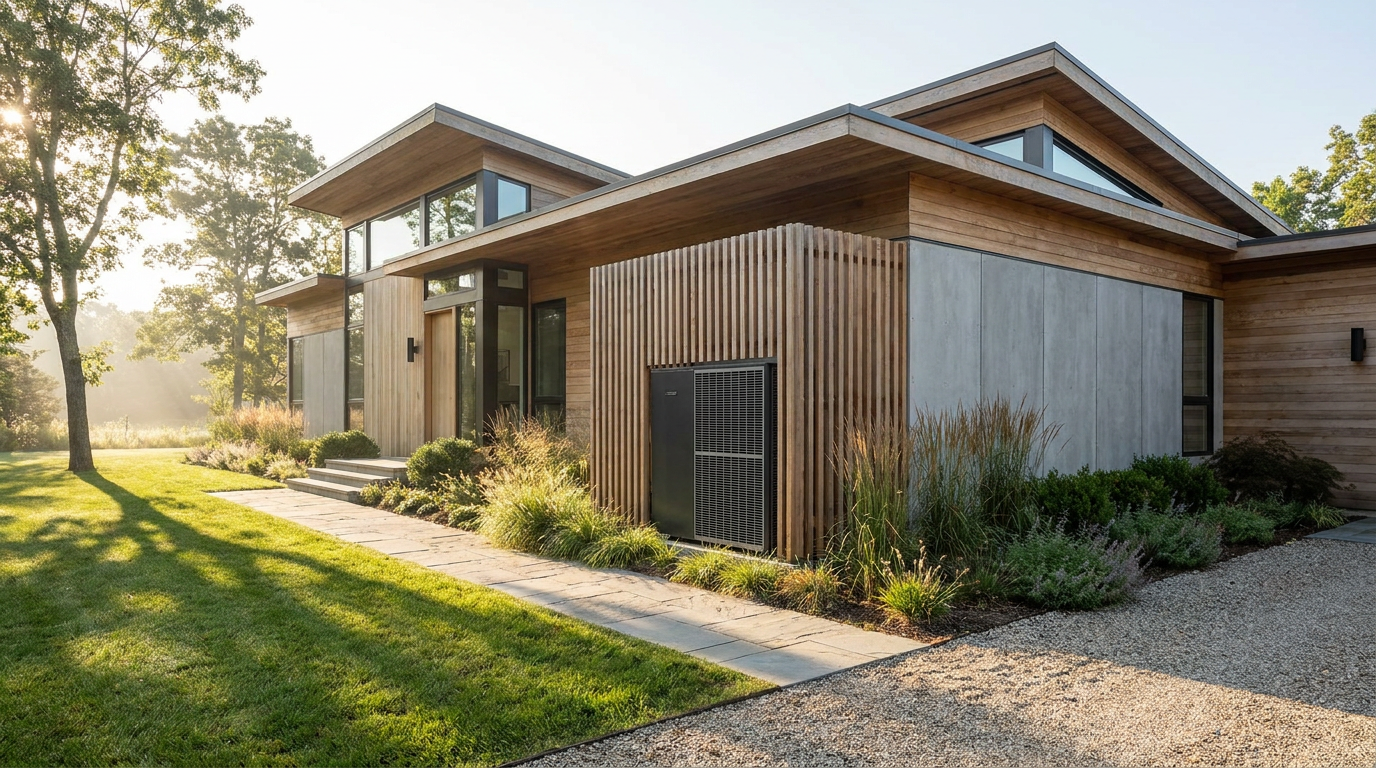
Decarbonizing Your Home: The Complete Guide to Heat Pump Retrofits in 2026
7 sources
Soil Health
Why Gardeners Are Putting Down Their Shovels: The Science of No-Dig Cultivation
6 sources

Stormwater Management
How to Build a Rain Garden: A DIY Guide to Managing Stormwater and Boosting Biodiversity
7 sources

Every angle. Every day.
Get home stories with full source coverage and perspective breakdowns delivered to your inbox.