
IMO Mandates EEXI and CII Metrics to Cut Shipping Fleet Carbon Intensity by 2030
The International Maritime Organization has implemented two mandatory carbon metrics that require the global shipping fleet to measure, report, and systematically reduce its greenhouse gas emissions.
By Marina Lopez

Share this story
Since January 1, 2023, every commercial vessel over 400 gross tonnage operating internationally has been legally bound to a new carbon mathematics. The International Maritime Organization (IMO) altered the fundamental economics of global trade by enforcing two mandatory metrics: the Energy Efficiency Existing Ship Index (EEXI) and the Carbon Intensity Indicator (CII). Together, these frameworks force the maritime industry to quantify, report, and systematically reduce its greenhouse gas footprint, shifting decarbonization from a voluntary corporate target to a strict condition of seaworthiness.[1][7]
The regulations emerged from the IMO's Marine Environment Protection Committee (MEPC 76) as short-term measures to meet a broader mandate. The overarching goal is a 40% reduction in the carbon intensity of all ships by 2030, compared to a 2008 baseline. To achieve this, the IMO split the compliance burden into two distinct categories: a one-time technical certification based on the ship's physical design, and an ongoing operational rating based on how the ship is actually sailed.[6]
EEXI represents the technical hurdle. It applies to vessels of 400 gross tonnage and above, functioning as a theoretical measure of a ship's design efficiency. The calculation divides the vessel's carbon dioxide emissions by its transport capacity and speed, assuming a reference level of installed engine power. Every existing ship must calculate its attained EEXI and ensure it falls below a required baseline specific to its vessel type and size.[1][2]
Because older vessels were not designed to meet modern efficiency standards, shipowners face a stark choice: invest heavily in energy-saving retrofits or artificially cap the vessel's performance. The most common compliance method is Engine Power Limitation (EPL), a mechanical or software-based restriction that prevents the crew from utilizing the engine's maximum output. According to data from RightShip, an estimated 10% drop in vessel speed cuts fuel usage by 27% over the distance traveled, bringing the ship's theoretical emissions into compliance.[3]
That mechanical limitation carries immediate commercial consequences. Kris Fumberger, RightShip's head of sustainability and environment, outlined the trade-off to Splash247: "Vessels opting for an EPL may find themselves excluded from cargo that needs a speed higher than what the reduced engine power can produce, and hence might produce fewer revenue-generating voyages over a defined time period compared with other vessels that obtain their optimal emissions by investing in retrofitting energy saving equipment."[3]
While EEXI is a one-time technical baseline, CII is an operational treadmill. Applying to ships of 5,000 gross tonnage and above, the Carbon Intensity Indicator measures the actual fuel consumed against the distance traveled and the cargo carried over a calendar year. The IMO uses this data to assign an annual rating from A to E, with A representing the highest efficiency.[1][2]
The CII framework includes built-in penalties for underperformance. A vessel that receives a D rating for three consecutive years, or an E rating for a single year, falls out of compliance. The shipowner must then submit a corrective action plan to their flag administration or recognized organization, detailing the specific operational or technical modifications required to achieve a C rating or better.[1][2]
The stringency of the CII rating system increases over time. The IMO mandated a 2% annual tightening of the emission thresholds between 2023 and 2026. A vessel that earns a C rating today by operating exactly as it did last year will gradually slide into a D rating unless the operator continuously optimizes its fuel consumption or voyage routing.[1]
This tightening curve intersects with an aging global fleet. Data from Clarksons Research indicates the average age of the global tanker fleet sits at 11.6 years, bulkers at 11.4 years, and containerships at 14.1 years. Without significant capital expenditure on hull lubrication, wind-assisted propulsion, or alternative fuel conversions, a substantial portion of the existing fleet will struggle to maintain compliance through the end of the decade.[3]
The dual metrics have also triggered a wave of legal friction between shipowners and charterers. As law firm HFW and maritime analysts at Lloyd's List have documented, the operational demands of CII frequently conflict with traditional charterparty contracts. A charterer typically pays for the fuel and dictates the vessel's speed and destination, prioritizing fast delivery. The shipowner, however, holds the regulatory liability for the vessel's CII rating.[4]
If a charterer orders a vessel to sail at maximum speed to catch a market peak, the resulting fuel burn degrades the ship's annual carbon rating. Conversely, if a shipowner unilaterally reduces speed to protect their C rating, they risk a breach of contract claim for failing to proceed with utmost despatch. The industry is currently rewriting standard clauses to allocate the legal risk of carbon compliance, but the transition remains highly contested.[4]
Beyond charter disputes, the ratings are beginning to influence the financial and insurance markets. Research published in Taylor & Francis Online explores the concept of green seaworthiness, suggesting that a vessel's environmental compliance is becoming inextricably linked to its insurability. Financial institutions and marine insurers are increasingly factoring EEXI and CII data into their risk models, potentially denying coverage or raising premiums for heavily polluting vessels.[5]
The IMO views these initial friction points as necessary steps toward a larger transition. Former IMO Secretary-General Kitack Lim characterized the frameworks as foundational, stating: "The short-term GHG reduction measures, adopted in 2021, form a comprehensive set of amendments to MARPOL Annex VI, which provide important building blocks for IMO's future mid-term greenhouse gas reduction measures."[1]
The regulatory landscape will face its next major checkpoint shortly. The IMO is scheduled to review the effectiveness of both the EEXI and CII requirements by January 1, 2026. That review will determine whether the current enforcement mechanisms are sufficient to meet the 2030 targets, or if the maritime sector requires even stricter mandates to force the retirement of its most carbon-intensive assets.[1][6]
Different angles
Regulatory Bodies
The IMO views EEXI and CII as non-negotiable first steps toward decarbonizing global trade.
For the International Maritime Organization, voluntary efficiency targets were no longer sufficient to meet the goals of the 2018 Initial Strategy. By embedding EEXI and CII into MARPOL Annex VI, regulators have created a legally binding framework that forces the industry to quantify its emissions. The IMO maintains that these short-term measures are essential building blocks, designed to gather the operational data necessary to implement mid-term economic measures, such as a global carbon levy, later in the decade.
Shipowners & Operators
Operators face immediate commercial trade-offs between regulatory compliance and market competitiveness.
Shipowners are caught between the rigid technical demands of the IMO and the flexible, speed-oriented demands of global supply chains. Because retrofitting older vessels with energy-saving technologies requires massive capital expenditure and dry-dock time, many owners rely on Engine Power Limitation (EPL) to pass EEXI. However, artificially capping a vessel's speed limits its earning potential and makes it less attractive to charterers who require fast transit times, creating a two-tier market where highly rated ships command a premium.
Compliance & Insurance Sectors
Legal and financial institutions are grappling with how carbon ratings alter traditional maritime risk.
The introduction of CII has upended standard charterparty contracts, which historically gave charterers the right to dictate a vessel's speed and route. Law firms and insurers are now navigating a landscape where a charterer's commercial orders can directly degrade a shipowner's regulatory standing. Furthermore, the concept of 'green seaworthiness' is gaining traction in the insurance market, meaning a vessel that fails to maintain a C rating or better may eventually face higher premiums or be deemed uninsurable.
- Shipowners & Operators
- Focuses on the commercial impact, engine power limitations, and the risk of stranded assets or lost revenue.
- Regulatory Bodies
- Focuses on enforcing baseline efficiency and phased carbon reduction to meet the 2030 climate targets.
- Compliance & Insurance Sectors
- Focuses on the legal risks, charterparty disputes, insurability, and the technical pathways to certification.
Sources
Source coverage
7 outlets
3 viewpoints surfaced






- [1]International Maritime OrganizationRegulatory Bodies
EEXI and CII - ship carbon intensity and rating system
Read on International Maritime Organization → - [2]Bureau Veritas Marine & OffshoreCompliance & Insurance Sectors
Your Guide To Sustainable Regulations: EEXI and CII
Read on Bureau Veritas Marine & Offshore → - [3]Splash247Shipowners & Operators
How EEXI and CII will impact global fleet dynamics
Read on Splash247 → - [4]Lloyd's ListShipowners & Operators
The Lloyd's List Podcast: How to navigate the legal risk of carbon compliance
Read on Lloyd's List → - [5]Taylor & Francis OnlineCompliance & Insurance Sectors
The Implications of 'Green Seaworthiness' on the Insurability of Global Maritime Risk
Read on Taylor & Francis Online → - [6]International Maritime OrganizationRegulatory Bodies
Marine Environment Protection Committee (MEPC 76), 10 to 17 June 2021 (remote session)
Read on International Maritime Organization → - [7]Factlen Editorial Team
Synthesis by Factlen editorial team
Read on Factlen Editorial Team →
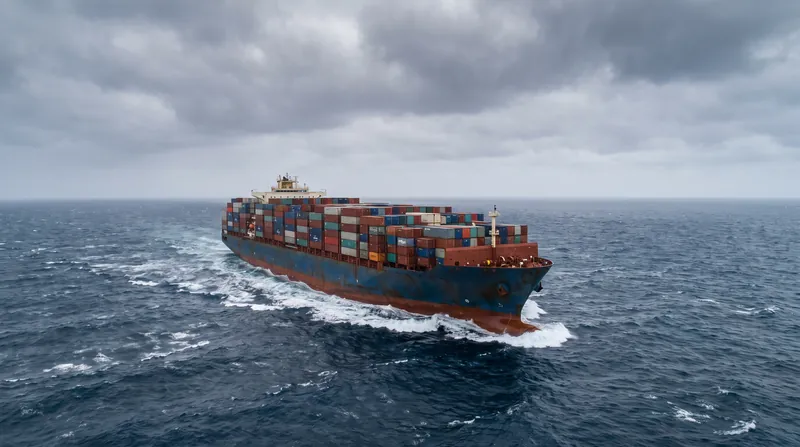
More in Transportation
See all →Aviation Safety
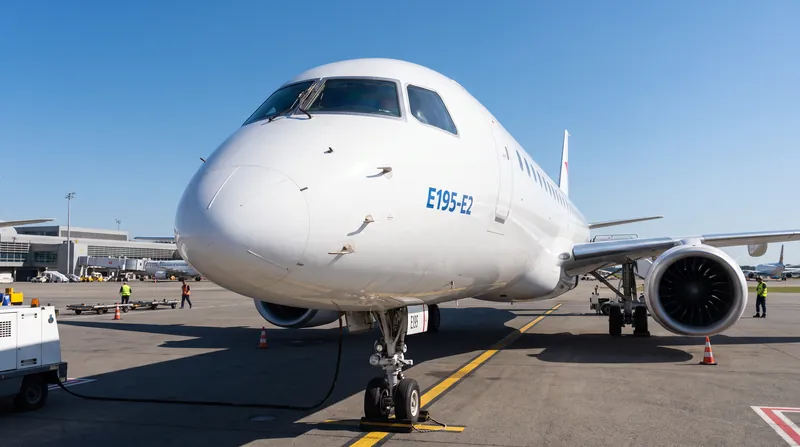
Embraer and Honeywell Open Crisis Room After GPS Fault Disrupts Global E2 Jet Fleet
7 sources
Ammonia Bunkering
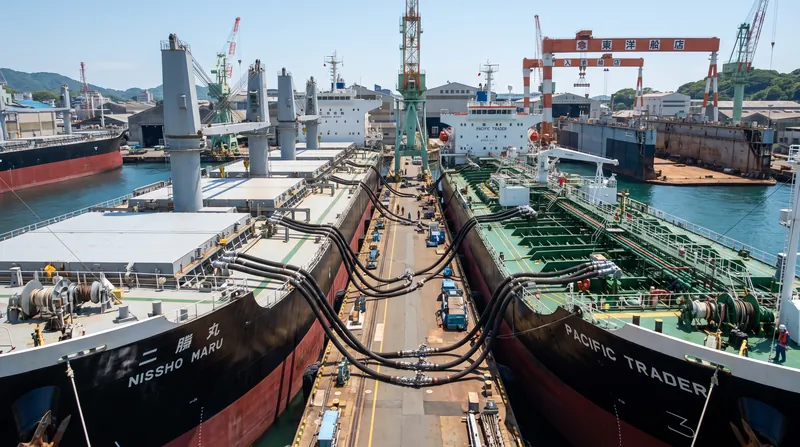
World's First Ammonia Ship-to-Ship Bunkering Completed in Japan
7 sources
Fluid Dynamics
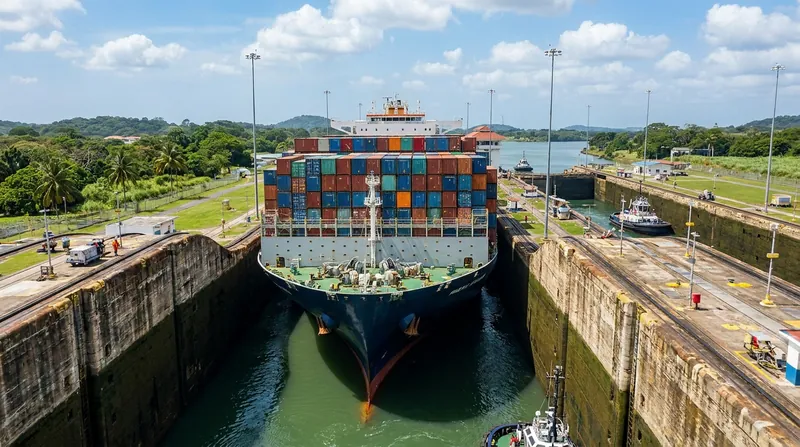
The 1.025 Specific Gravity and the 20-Foot Draft That Define the Panama Canal's Neopanamax Limits
5 sources
Maritime Trade
Maersk Reverses Strategy With $5 Billion Order for 26 New Container Ships
7 sources
Comments
Every angle. Every day.
Get Transportation stories with full source coverage and perspective breakdowns, free every day.