
How the EPA's 2027–2032 Emissions Rule Will Reshape the Cars We Drive
The EPA's landmark multi-pollutant rule begins taking effect for the 2027 model year, forcing automakers to dramatically cut fleet emissions. While not an outright EV mandate, the regulation will fundamentally shift the balance of combustion, hybrid, and electric vehicles in American showrooms.
By Adrien Caron

- Environmental & Public Health Advocates
- Argue that strict tailpipe standards are essential for mitigating climate change and protecting vulnerable communities from smog.
- Auto Manufacturers & Labor
- Support the final rule's flexible timeline, which balances electrification goals with supply chain realities and job preservation.
- Alternative Fuel & Industry Critics
- Oppose the regulation as a de facto EV mandate that unfairly penalizes alternative decarbonization technologies.
- Legal & Regulatory Analysts
- Focus on the compliance mechanics, legal challenges, and the broader market implications of the rule.
Perspectives this story doesn't cover
- Independent auto dealerships
- Used car market analysts
Why this matters
This regulation dictates the types of vehicles automakers will produce over the next decade. For consumers, it means fewer traditional gas-only options and a massive expansion of hybrids, plug-in hybrids, and fully electric vehicles on dealership lots.
Key points
- The EPA's multi-pollutant rule sets strict new tailpipe emission standards for model years 2027 through 2032.
- The regulation uses a fleet-wide average system, requiring automakers to balance gas-powered sales with highly efficient or zero-emission vehicles.
- By 2032, the industry-wide target for light-duty vehicles drops to 85 grams of CO2 per mile, a nearly 50% reduction from 2026.
- The EPA eased the emission targets for 2027–2030 after automakers warned that battery supply chains needed more time to mature.
- The rule is projected to prevent 7.2 billion tons of CO2 emissions and generate $13 billion in annual public health benefits.
As automakers finalize their designs for the 2027 model year, a quiet but monumental shift is reshaping the American automotive industry. The Environmental Protection Agency’s Multi-Pollutant Emissions Standards, finalized in early 2024, will officially begin to bite, setting the trajectory for what consumers will see in showrooms through 2032.[3]
The regulation represents the most stringent federal limit ever placed on tailpipe pollution. Rather than targeting a single issue, the rule simultaneously clamps down on greenhouse gases like carbon dioxide (CO2) and criteria pollutants such as nitrogen oxides (NOx) and fine particulate matter (PM2.5).[1]
For the everyday driver, the rule’s mechanics are largely invisible, but its market impact will be profound. The EPA does not mandate that consumers buy electric vehicles, nor does it ban the internal combustion engine. Instead, it uses a performance-based, fleet-wide averaging system.[1]
Under this framework, an automaker can still sell heavy, gas-guzzling trucks or high-performance sports cars, provided they offset those emissions by selling enough zero-emission or highly efficient vehicles to bring their overall fleet average below the federal ceiling.[1]
The math, however, is unforgiving. By 2032, the industry-wide target for light-duty vehicles drops to just 85 grams of CO2 per mile. That represents a nearly 50 percent reduction from the 2026 standard.[1]
Medium-duty vehicles, a category that includes large pickup trucks and delivery vans, face similarly steep requirements. Their fleet average must fall to 274 grams of CO2 per mile by 2032, a 44 percent reduction from current baselines.[1]
Because traditional gasoline engines cannot physically achieve these averages on their own, the rule effectively forces a massive transition toward electrification. The EPA projects that to comply, automakers will likely need battery electric vehicles (BEVs) to account for up to 56 to 67 percent of their new vehicle sales by 2032.[3]
Because traditional gasoline engines cannot physically achieve these averages on their own, the rule effectively forces a massive transition toward electrification.
This dynamic has sparked fierce debate over whether the regulation constitutes a de facto EV mandate. Industry groups representing fossil fuels and agriculture, such as the Renewable Fuels Association, argue that the EPA is unfairly picking winners by assigning EVs a zero-gram compliance value while ignoring the upstream emissions of power generation.
These groups contend that the EPA’s approach sidelines alternative decarbonization strategies, such as advanced biofuels, and forces the entire transportation supply chain into a single, highly disruptive technological pathway. A coalition of state attorneys general and industry organizations has mounted legal challenges in the D.C. Circuit Court of Appeals, arguing the agency overstepped its statutory authority.[2]
Yet, the final rule that takes effect in 2027 is actually a compromise. When the EPA first proposed the standards in 2023, it demanded a steep, linear reduction in emissions starting immediately. Automakers pushed back, warning that battery supply chains and public charging infrastructure were not mature enough to support such a rapid shock.
In response, the EPA adjusted the glide path. The final regulation eases the stringency of the targets for model years 2027 through 2030, allowing the industry more breathing room in the near term, before ramping up sharply in 2031 and 2032.
This concession won crucial support from the Alliance for Automotive Innovation, the primary lobbying group for major automakers. The Alliance noted that moderating the pace in the early years was the right call, as it gives the market time to catch up and allows federal infrastructure investments to take root.
Labor groups also backed the revised timeline, emphasizing that the slower initial ramp-up protects union jobs tied to internal combustion engine manufacturing while the industry scales its EV operations and retools its workforce.
From a public health perspective, the EPA estimates the rule will yield massive dividends. The agency projects the standards will prevent 7.2 billion tons of CO2 emissions through 2055—roughly equivalent to four times the total emissions of the entire U.S. transportation sector in 2021.
Beyond climate impacts, the reduction in smog-forming NOx and soot is expected to generate $13 billion in annual public health benefits, primarily by reducing respiratory illnesses and cardiovascular events in communities located near major roadways.
For consumers walking into a dealership in 2027 and beyond, the rule guarantees a rapidly changing inventory. While pure electric vehicles will take center stage, the relaxed early-year targets mean automakers will lean heavily on plug-in hybrid electric vehicles (PHEVs) and traditional hybrids as a bridge.[1]
The ultimate success of the 2027–2032 framework now hinges on factors outside the EPA's control. Automakers must successfully scale domestic battery production, the public charging network must expand rapidly to alleviate range anxiety, and consumers must be willing to adopt the electrified options that will increasingly dominate the lot.[3]
Viewpoints in depth
Environmental & Public Health Advocates
Argue that strict tailpipe standards are essential for mitigating climate change and protecting vulnerable communities from smog.
Groups focused on public health and environmental protection emphasize that the transportation sector is the largest source of U.S. greenhouse gas emissions. They point to the $13 billion in projected annual health benefits, noting that reducing NOx and fine particulate matter will directly lower asthma and heart disease rates in urban corridors. For these advocates, the 2032 targets are a necessary baseline, not a stretch goal, to avert the worst impacts of climate change.
Auto Manufacturers & Labor
Support the final rule's flexible timeline, which balances electrification goals with supply chain realities and job preservation.
Represented by the Alliance for Automotive Innovation and labor unions, this camp acknowledges the inevitability of the EV transition but stresses that pace matters. By successfully lobbying the EPA to soften the emission cuts between 2027 and 2030, they secured crucial lead time to build domestic battery plants, expand public charging networks, and protect legacy manufacturing jobs while consumer demand catches up to the regulatory targets.
Alternative Fuel & Industry Critics
Oppose the regulation as a de facto EV mandate that unfairly penalizes alternative decarbonization technologies.
Organizations tied to agriculture and fossil fuels argue the EPA is artificially picking winners. By granting EVs a zero-gram compliance value—while ignoring the emissions generated by the power grid—they claim the rule forces a single technological pathway. They advocate for a lifecycle carbon approach that would allow advanced biofuels and high-efficiency combustion engines to compete on a level playing field, warning that the current rule restricts consumer choice.
Frequently asked
Does the EPA rule ban gas-powered cars?
No. The rule sets fleet-wide emission averages, meaning automakers can still sell gas-powered vehicles as long as they sell enough zero-emission or highly efficient vehicles to offset them.
When do the new emissions standards take effect?
The standards begin phasing in with the 2027 model year and become progressively stricter each year through 2032.
Will this force me to buy an electric vehicle?
Consumers will not be forced to buy EVs, but the regulation will significantly change dealership inventories. Automakers are expected to offer a much higher percentage of EVs, plug-in hybrids, and traditional hybrids to meet the fleet averages.
How did the EPA change the rule from its original proposal?
After industry pushback, the EPA eased the emission reduction targets for the early years (2027–2030) to give supply chains and charging infrastructure more time to develop, before ramping up to the original strict targets in 2032.
Sources
Source coverage
3 outlets
4 viewpoints surfaced



- [1]White & CaseLegal & Regulatory Analysts
EPA Finalizes Strict New Vehicle Emissions Standards for Model Years 2027-2032
Read on White & Case → - [2]Government Accountability OfficeLegal & Regulatory Analysts
Multi-Pollutant Emissions Standards for Model Years 2027 and Later Light-Duty and Medium-Duty Vehicles
Read on Government Accountability Office → - [3]Factlen Editorial TeamLegal & Regulatory Analysts
Synthesis by Factlen editorial team
Read on Factlen Editorial Team →
Comments

More in Automotive & Transportation
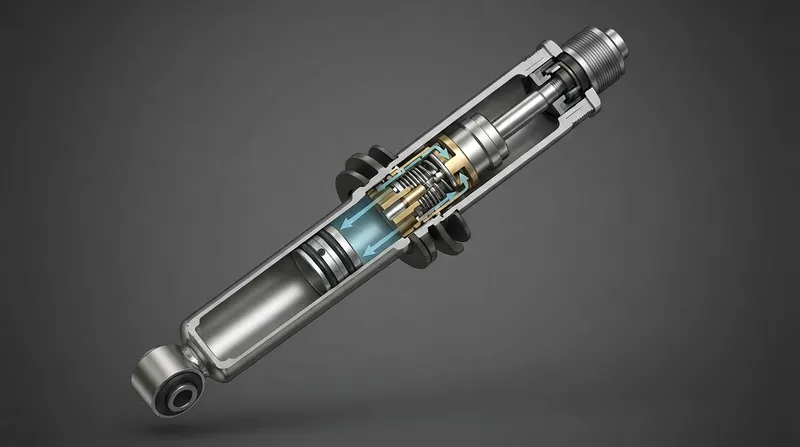
See all →Suspension Dynamics
The Trade-Off Between High-Frequency and Low-Frequency Damping: How Shock Absorber Valving Dictates Ride and Handling
7 sources
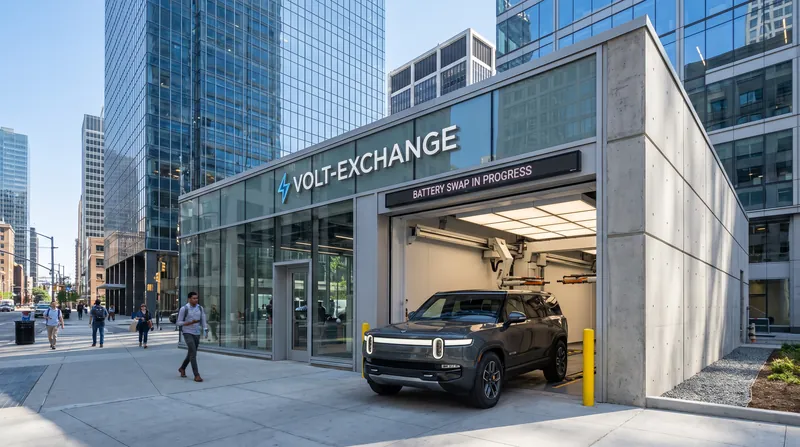
Infrastructure Standard
Geely Takes 30 Percent Stake in Nio Power at $2.4 Billion Valuation to Expand Battery Swapping
7 sources
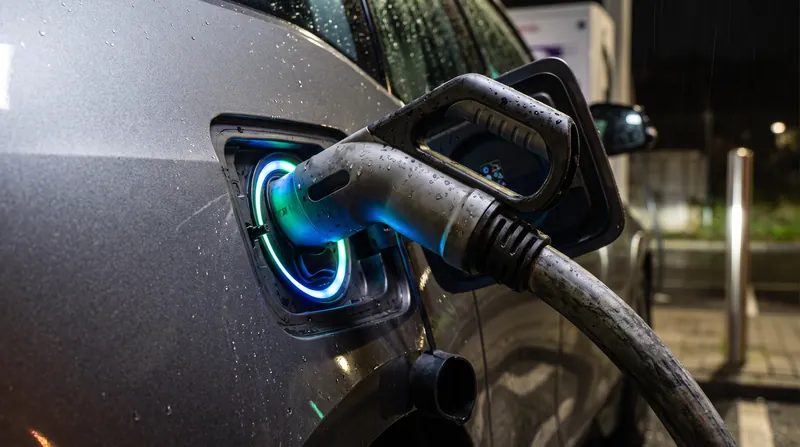
Charging Infrastructure
CCS, CHAdeMO, and GB/T: The Three Global Standards for EV Charging Connectors
6 sources
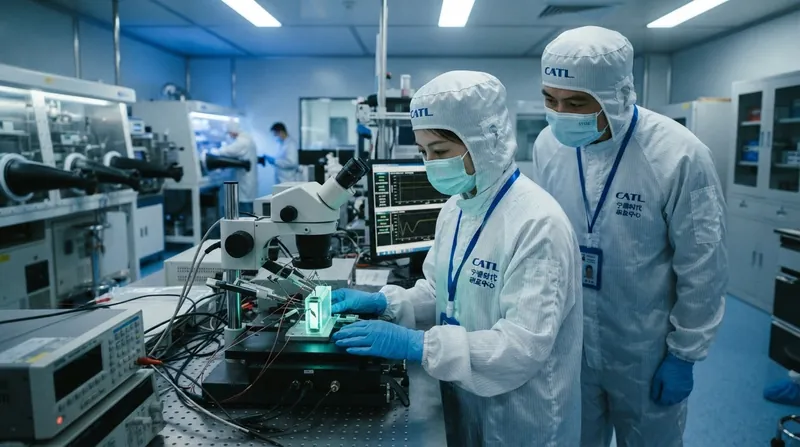
Solid-State Batteries
China Unveils National 5-Year Plan to Lead Global Solid-State Battery Mass Deployment by 2030
8 sources
Every angle. Every day.
Get Automotive & Transportation stories with full source coverage and perspective breakdowns delivered to your inbox.