
FTA Allocates $166 Million for New Rail Vehicles in Pittsburgh, Dallas, and Philadelphia
The Federal Transit Administration has awarded $166 million to replace aging light-rail and commuter fleets in three major cities, targeting vehicles that have been in service for up to 50 years.
By Hunter Cole

Share this story
When federal transportation funding is allocated, the highest-profile grants typically flow toward system expansions and new route construction. The $166 million allocation announced by the Federal Transit Administration in September 2026 takes a different, more surgical approach: it targets the deferred maintenance of existing networks, specifically funding the replacement of legacy light-rail and commuter cars from the 1970s and 1990s that are still carrying daily passengers in three major American cities.[1][3]
The funding arrives as transit operators nationwide manage the compounding costs of deferred modernization. According to the Federal Transit Administration, one-third of all subway and commuter rail vehicles currently operating in the United States are more than 25 years old. Operating rolling stock past its intended design life introduces significant operational friction, driving up maintenance overhead, increasing the frequency of mechanical delays, and degrading the baseline passenger experience.[1][3][5]
Pittsburgh Regional Transit secured the largest share of the new funding, receiving $82.7 million to procure 45 new light rail vehicles. The incoming fleet will replace models that have been in continuous revenue service for nearly 50 years. Beyond passenger comfort, the procurement fundamentally alters the network's energy profile. Pittsburgh Regional Transit estimates that transitioning from three-decade-old propulsion technology to modern, high-efficiency systems will reduce energy consumption across its light-rail network by up to 5 percent.[3][4]
In Texas, Dallas Area Rapid Transit was awarded $70 million to replace 53 light rail vehicles. The agency's current fleet includes units originally purchased during the system's expansion in the 1990s. Replacing these early-generation vehicles allows the operator to standardize its maintenance protocols around modern components, reducing the specialized labor and custom fabrication often required to keep legacy trains functional.[1][5]
The final $13.3 million of the allocation goes to the Southeastern Pennsylvania Transportation Authority in Philadelphia. The grant will fund the replacement of the agency's Silverliner IV electrical multiple unit commuter railcars, which have been operating on the regional rail system for half a century. The Silverliner IV fleet has formed the backbone of Philadelphia's electrified commuter network, but the 50-year-old stainless steel cars lack the diagnostic telemetry and modular components standard in contemporary rail manufacturing.[1][3]
The capital injection is administered through the Federal Transit Administration's Rail Vehicle Replacement Grants program, a dedicated funding stream designed to clear the backlog of aging transit infrastructure. By subsidizing the high upfront capital costs of procurement, the federal government allows local agencies to redirect their operating budgets toward service frequency and route expansion rather than emergency repairs.[1][5]
Federal officials framed the expenditure as a necessary step to stabilize urban mobility. "These funds will buy new, safer light rail vehicles that have been in service for decades," U.S. Transportation Secretary Sean P. Duffy said in a statement. "New transit infrastructure will help commuters avoid delays and improve their passenger experience."[1][5]
The transition to new rolling stock represents a structural shift for the recipient agencies. Modern railcars feature upgraded propulsion systems and modern interior designs that improve energy efficiency, ride quality, and passenger comfort. As Pittsburgh, Dallas, and Philadelphia begin the procurement process, the operational focus shifts from keeping legacy hardware alive to integrating American-made vehicles that reset the baseline for transit reliability.[1][3]
Viewpoints in depth
Federal Transit Officials
Federal administrators view the grants as a necessary intervention to modernize aging infrastructure and support domestic manufacturing.
For the Department of Transportation, the $166 million allocation is framed as a dual-purpose investment. Beyond the immediate operational benefits of replacing 50-year-old railcars, federal officials emphasize the economic downstream effects of the procurement. By mandating that the new vehicles be American-made, the grants are designed to stimulate domestic rail manufacturing while simultaneously addressing the safety and reliability deficits that plague older transit systems.
Local Transit Agencies
Regional operators emphasize the operational efficiencies and energy savings unlocked by modern rolling stock.
At the municipal level, the arrival of new railcars fundamentally changes the daily operational math. Agencies like Pittsburgh Regional Transit and Dallas Area Rapid Transit are currently forced to allocate significant labor and capital toward maintaining legacy vehicles that require custom-fabricated parts. Transitioning to modern fleets with upgraded propulsion systems allows these agencies to standardize maintenance, reduce network energy consumption by up to 5 percent, and redirect resources toward improving service frequency.
Key points
- The Federal Transit Administration is distributing $166 million to replace aging passenger railcars in three cities.
- Pittsburgh Regional Transit receives the largest share at $82.7 million to replace 45 light rail vehicles.
- Dallas Area Rapid Transit secures $70 million for 53 new light rail vehicles to replace 1990s-era models.
- Philadelphia's SEPTA receives $13.3 million to replace 50-year-old Silverliner IV commuter railcars.
- Federal Transit Officials
- Federal administrators view the grants as a necessary intervention to modernize aging infrastructure and support domestic manufacturing.
- Local Transit Agencies
- Regional operators emphasize the operational efficiencies and energy savings unlocked by modern rolling stock.
- Industry Observers
- Trade publications focus on the broader backlog of aging transit infrastructure across the United States.
Perspectives this story doesn't cover
- Commuter advocacy groups
- Domestic railcar manufacturers
Sources
Source coverage
5 outlets
3 viewpoints surfaced





- [1]FTAFederal Transit Officials
Trump's Transportation Department to Deliver $166 Million to Upgrade America's Passenger Railcars for Commuters & Families
Read on FTA → - [2]Progressive RailroadingIndustry Observers
FTA allocates $166M for new passenger-rail cars
Read on Progressive Railroading → - [3]Mass TransitLocal Transit Agencies
FTA awards $168 million in Rail Vehicle Replacement Grants program funding
Read on Mass Transit → - [4]WPXILocal Transit Agencies
Pittsburgh Regional Transit receiving nearly $83M in federal funding to replace T train cars
Read on WPXI → - [5]Passenger TransportFederal Transit Officials
FTA to Invest $166 Million to Upgrade Passenger Railcars
Read on Passenger Transport →
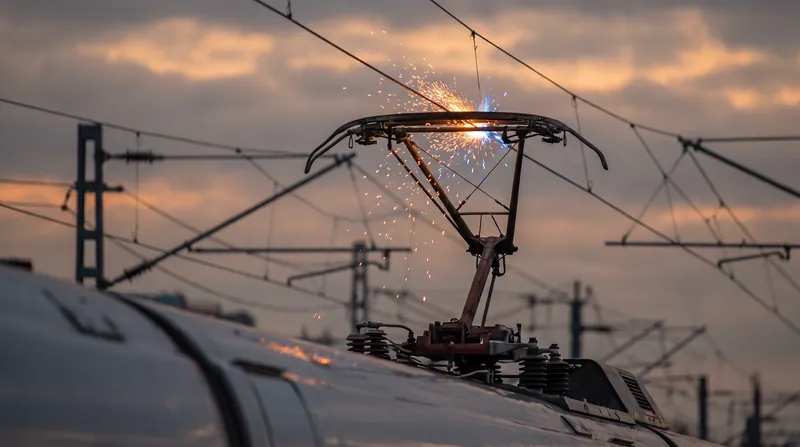
More in Transportation
See all →Track Geometry
How Track Superelevation Balances Centrifugal Force and Minimizes Lateral Wheel Wear
8 sources
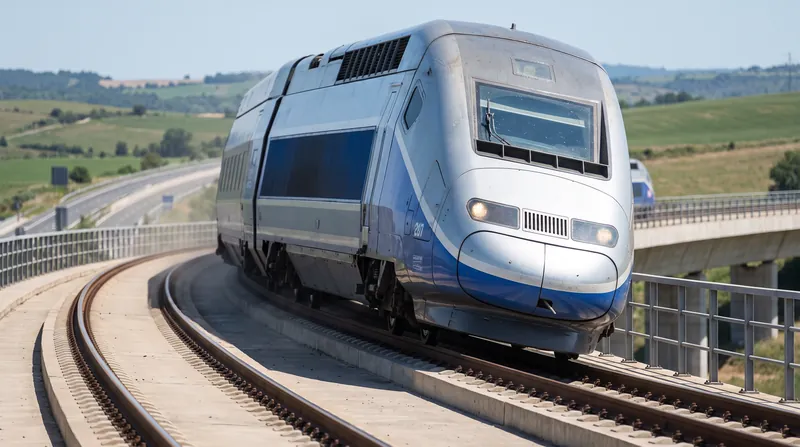
Rail Infrastructure
Amtrak and CN Sign Eight-Year Operating Agreement, Resolving Decade-Long Regulatory Dispute
5 sources
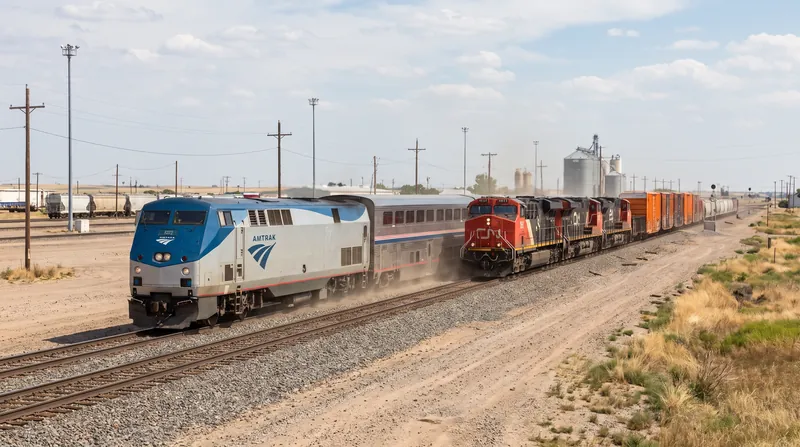
Oversight Audit
Inspector General Finds California High-Speed Rail Paid $600,000 in Unallowable Consultant Travel Expenses
6 sources
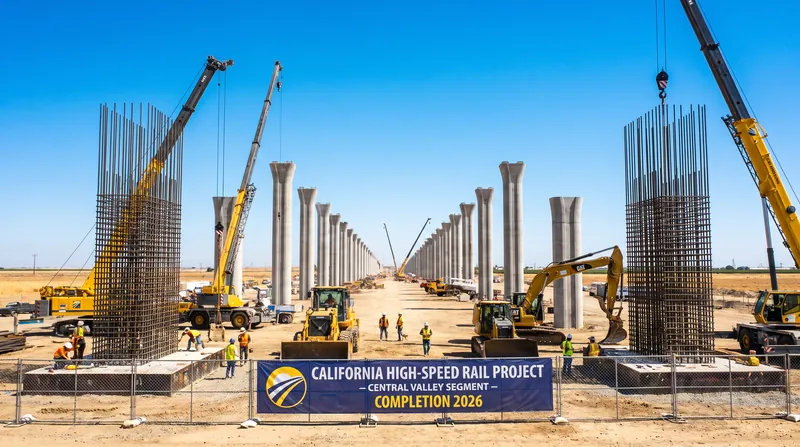
Freight Rail Safety
Multi-Car Train Derailment in Montana Prompts Precautionary Evacuations With No Hazardous Spills
5 sources
Comments
Every angle. Every day.
Get Transportation stories with full source coverage and perspective breakdowns, free every day.