
FS Group Orders 19 Trains, Confirms 2029 Launch to Rival Eurostar in Channel Tunnel
Italy's state-owned railway has placed a €2 billion order for 19 high-speed Hitachi trains, cementing its plan to break Eurostar's 30-year monopoly on the Paris-London route.
By Dev Anand

- Challenger Railways
- Argue that breaking the cross-Channel monopoly will lower fares, improve service, and utilize untapped tunnel capacity.
- Incumbent Operators
- Emphasize their established safety record and the immense logistical complexities of cross-border rail operations.
- Consumer Advocates
- Focus on the potential for lower ticket prices and better passenger rights through increased market competition.
- Infrastructure Managers
- Welcome increased track usage but warn that physical border control bottlenecks at terminals must be resolved first.
Perspectives this story doesn't cover
- Aviation Industry Representatives
- Terminal Border Control Staff
For thirty years, a single company has held a monopoly on the 31-mile tunnel beneath the English Channel. That era effectively ended on August 7, 2026, when Italy’s state-owned railway, FS Group, signed a €2 billion order for 19 new high-speed trains from Hitachi Rail. The massive investment, which covers both the construction of the fleet and its long-term maintenance, is the first firm hardware commitment from a rival operator aimed directly at the Paris-London corridor. With the trains officially ordered, FS Group has confirmed its highly anticipated cross-Channel service will launch in 2029.[1][2]
For the everyday traveler, this development signals a seismic shift in how Europe connects. Anyone who has booked a last-minute ticket from St Pancras to Gare du Nord knows the sting of monopoly pricing, where fares can easily eclipse the cost of a short-haul flight. By introducing a well-funded competitor onto the route, the market dynamics that have governed cross-Channel travel since 1994 are set to be rewritten.
The €2 billion package is not just about buying trains; it is about building an independent operational ecosystem. Alongside the 19 Hitachi trainsets, the deal includes the construction of a dedicated maintenance hub at Maisons-Alfort Pompadour, located just outside Paris. This is a critical strategic maneuver. By basing its maintenance operations in France, FS Group’s subsidiary, Trenitalia France, bypasses the need to secure scarce depot space in the United Kingdom.[1][3]
Under this operational model, only a single train will need to remain in London overnight to service the first morning departure. The rest of the fleet will cycle back to the French hub. This logistical independence insulates Trenitalia from the infrastructure bottlenecks that have historically deterred new entrants from challenging the incumbent operator.[3]
The financial muscle behind this expansion comes from a strategic partnership forged in late 2025 between FS Group and Certares, a US-based private investment firm. Certares injected crucial capital to accelerate Trenitalia’s international ambitions, specifically targeting the lucrative UK-France corridor. This backing transforms what was once a speculative proposal into a fully capitalized reality, complete with a signed manufacturing contract.[3]
The financial muscle behind this expansion comes from a strategic partnership forged in late 2025 between FS Group and Certares, a US-based private investment firm.
Trenitalia is no stranger to breaking monopolies. Following the European Union’s mandate to open national rail networks to competition, the Italian operator successfully entered the French domestic market. Its high-speed services between Paris and Lyon, as well as routes to Milan and Marseille, have proven highly popular. Consumer advocates note that Trenitalia’s entry into France forced the national incumbent, SNCF, to compete aggressively on price, resulting in cheaper tickets for passengers.
The new Hitachi trains will initially be deployed to increase frequencies on these existing French domestic routes before being certified for the Channel Tunnel. Operating a train beneath the English Channel requires navigating some of the strictest safety and evacuation regulations in the world. The rolling stock must be custom-engineered to meet these exacting standards, a process that dictates the 2029 launch timeline.[1][2]
While FS Group has taken the decisive lead by ordering hardware, it is not the only company eyeing the tunnel. Virgin Trains, backed by Sir Richard Branson, has secured depot space in east London and is actively developing its own cross-Channel service, targeting a 2030 launch. Meanwhile, Spanish mobility startup Evolyn has also signaled its intent to enter the fray.[4]
This sudden rush of competition is welcomed by Getlink, the company that manages the Channel Tunnel infrastructure. Currently, the tunnel operates at roughly half of its physical capacity. More trains mean more track access fees for Getlink, and a more efficient use of a monumental piece of European engineering.
However, the true bottleneck for cross-Channel travel no longer lies beneath the water. The primary constraint is terminal capacity. Post-Brexit border regulations require rigorous passport checks and stamping, drastically slowing the flow of passengers through St Pancras International and Gare du Nord. Even if the tunnel can handle dozens of additional trains per day, the stations currently cannot process the passengers fast enough to fill them.
To make the 2029 launch viable, FS Group and infrastructure managers will need to collaborate on expanding border control facilities and streamlining passenger processing. Digital border initiatives and expanded terminal footprints are currently under discussion, but resolving the station choke points remains the most significant hurdle between the factory floor and the inaugural journey.[4]
Ultimately, the arrival of Trenitalia’s Hitachi fleet represents a massive win for sustainable travel. The Paris-London air route remains one of the busiest in Europe, largely because rail fares can be prohibitively expensive during peak times. By driving down ticket prices through competition, FS Group’s 2029 launch has the potential to shift thousands of passengers from planes to trains, aligning economic incentives with environmental necessities.[4]
Key points
- Italy's FS Group has ordered 19 high-speed trains from Hitachi Rail for approximately €2 billion.
- The investment confirms Trenitalia's plan to launch a Paris-London service by 2029, challenging Eurostar's monopoly.
- The deal includes a new maintenance hub near Paris, allowing the operator to bypass UK depot bottlenecks.
- While tunnel capacity is plentiful, terminal border control limitations remain the primary hurdle for expanding cross-Channel services.
Key terms
- FS Group
- Ferrovie dello Stato Italiane, Italy's state-owned national railway company and the parent company of Trenitalia.
- Channel Tunnel
- The 31-mile underwater rail tunnel linking Folkestone, England, with Coquelles, France, currently dominated by Eurostar.
- Getlink
- The European company that manages and operates the Channel Tunnel infrastructure.
- Office of Rail and Road (ORR)
- The independent safety and economic regulator for Britain's railways.
- Rolling Stock
- The locomotives, carriages, and other vehicles used on a railway.
Sources
Source coverage
4 outlets
4 viewpoints surfaced




- [1]The Rail AgendaChallenger Railways
FS Italiane orders 19 high-speed trains from Hitachi Rail for Trenitalia France expansion
Read on The Rail Agenda → - [2]Le MondeIncumbent Operators
Trenitalia Orders 19 Trains in Hitachi and Confirms the Opening of the Paris-London Route in 2029
Read on Le Monde → - [3]The IndependentChallenger Railways
Italian rail group reveals plans to challenge Eurostar with Paris-London trains
Read on The Independent → - [4]City AMInfrastructure Managers
Avanti West Coast owner to launch £856m Eurostar rival
Read on City AM →
Comments

More in Automotive & Transportation
See all →Suspension Dynamics
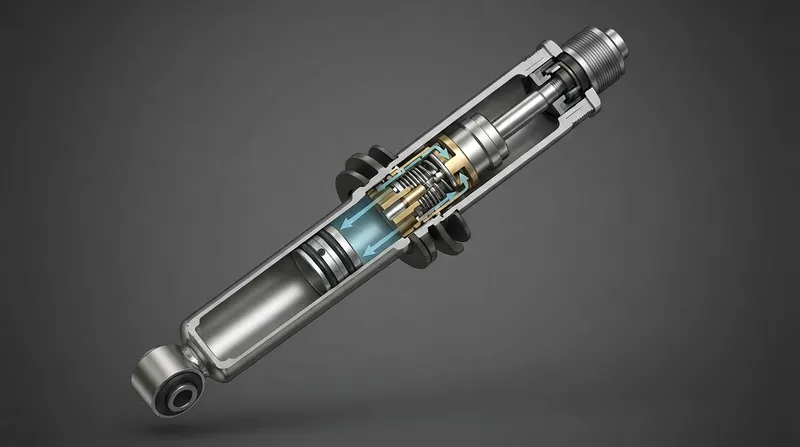
The Trade-Off Between High-Frequency and Low-Frequency Damping: How Shock Absorber Valving Dictates Ride and Handling
7 sources
Infrastructure Standard
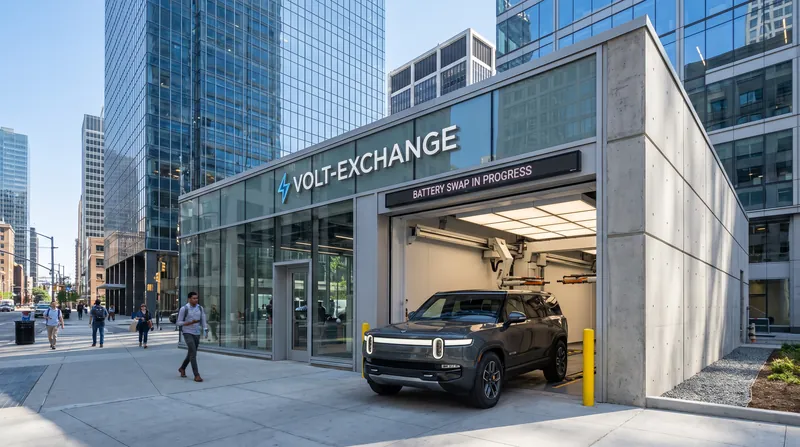
Geely Takes 30 Percent Stake in Nio Power at $2.4 Billion Valuation to Expand Battery Swapping
7 sources
Charging Infrastructure
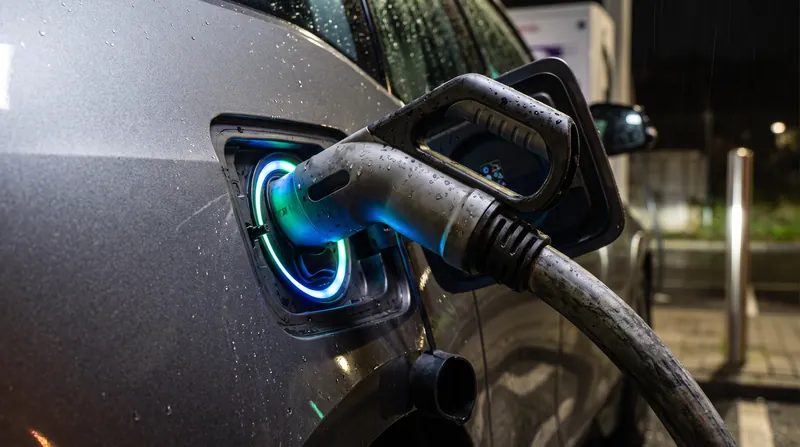
CCS, CHAdeMO, and GB/T: The Three Global Standards for EV Charging Connectors
6 sources
Solid-State Batteries
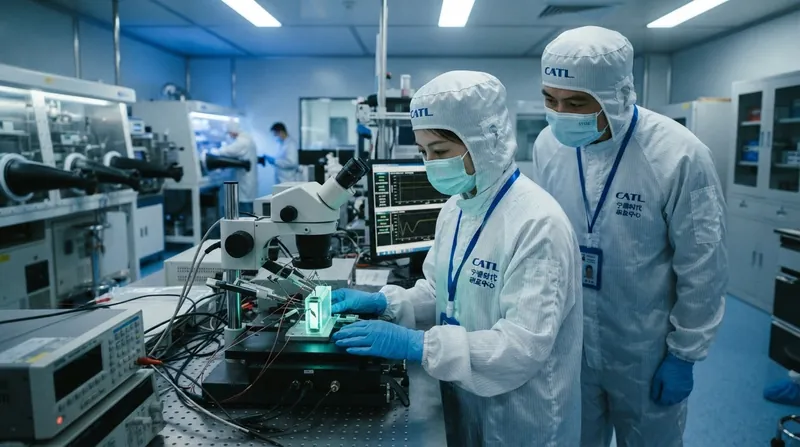
China Unveils National 5-Year Plan to Lead Global Solid-State Battery Mass Deployment by 2030
8 sources
Every angle. Every day.
Get Automotive & Transportation stories with full source coverage and perspective breakdowns delivered to your inbox.