
Figure Skating Injury Report: Spours, Kam and O'Shea, and Conti Target Healthy Returns for 2026-27 Season
As the 2026-27 ISU Grand Prix season approaches, several top figure skaters are making strides in their recoveries from major injuries, including Great Britain's Kristen Spours and U.S. pairs team Ellie Kam and Danny O'Shea.
- Athlete Resilience
- Focuses on the mental and physical fortitude required to return to the ice, emphasizing that adapting routines and pushing through pain is a necessary part of the sport.
- Medical Cautiousness
- Argues for strict adherence to recovery timelines and conservative pacing, prioritizing long-term health over rushed competitive returns.
- Technical Adaptation
- Highlights how skaters and coaches must strategically alter jump and element layouts to accommodate healing bodies without sacrificing too many points.
Perspectives this story doesn't cover
- ISU Medical Commission
- Sports Psychologists
Fast facts
- Great Britain's Kristen Spours is rebuilding her strength after adapting her Olympic routines around a severe disc herniation.
- U.S. pairs team Ellie Kam and Danny O'Shea are entering the season fully healthy after overcoming a concussion and a broken foot.
- Italy's Sara Conti and Niccolò Macii are targeting a Grand Prix return following Conti's mid-season knee injury.
- Russian skater Alina Gorbacheva has resumed training and regained her triple jumps after six months of knee surgery rehabilitation.
The 2025-26 Olympic season pushed the world's top figure skaters to their absolute physical limits, leaving several elite competitors battered by the time the Milano Cortina Games concluded. Now, as the calendar turns to August and the 2026-27 ISU Grand Prix series looms on the horizon, the focus across the sport has shifted from podiums to rehabilitation. For several high-profile athletes, the off-season has been defined by a quiet, grueling battle to return to full health and competitive form. Tracking these recoveries provides crucial insight into which skaters will be at full strength when the international circuit kicks off this fall.
Great Britain's Kristen Spours is among those looking to turn the page after a physically punishing year. Spours successfully secured Team GB's Olympic quota spot in women's singles, but her path to Milan was heavily complicated by a severe back injury that threatened to derail her entire season. The physical toll of elite figure skating often remains hidden behind the glamour and artistry of the performances, but Spours' journey highlights the immense medical hurdles athletes must navigate behind the scenes to simply step onto the ice.
Spours underwent surgery to treat a disc herniation, a highly delicate procedure that required a prolonged and cautious recovery period. The injury caused significant nerve disruption that directly affected the power and control in her calf—a devastating setback for a singles skater who relies entirely on explosive lower-body strength to execute complex triple jumps. Recovering from spinal surgery is notoriously difficult in high-impact sports, and Spours had to carefully balance her intensive physical therapy and rehabilitation with the rapidly ticking clock of the Olympic qualification calendar.
Rather than withdrawing from her Olympic dream, Spours and her coaching team strategically adapted her technical content to protect her compromised leg. She was forced to remove high-impact elements like axels and toe loops from her competitive programs, focusing instead on the jumps and spins that her healing body could safely execute without risking further nerve damage. Her immense resilience paid off when she took the ice in Milan, securing a 29th-place finish in the Olympic Women's Short Program. Now, with the pressure of the Games behind her, she is utilizing the summer months to fully rebuild her strength, aiming for a healthier and less restricted 2026-27 campaign.
Across the Atlantic, the United States pairs team of Ellie Kam and Danny O'Shea are entering the new season with a clean bill of health after overcoming a staggering series of physical hurdles. The Colorado Springs-based duo captured the hearts of American fans during their Olympic run, but their presence in Milan was never guaranteed given the severity of their respective injuries leading up to the Games. Pairs skating requires absolute synchronization and trust, making it nearly impossible to train effectively when even one partner is compromised, let alone both.[1]
Pairs skating requires absolute synchronization and trust, making it nearly impossible to train effectively when even one partner is compromised, let alone both.
Last year, O'Shea suffered a broken foot during training that required surgical intervention, a major setback that cast serious doubt on their Olympic prospects and forced them off the ice for an extended period. Around the same time, Kam endured what she described as one of the worst concussions of her career. Head injuries in pairs skating are particularly concerning due to the immense speed, height, and rotational forces of the lifts and throws involved, requiring a highly conservative return-to-play protocol to ensure the athlete's neurological safety.[1]
Despite the severely interrupted training timeline, the pair recovered just in time to help Team USA secure a hard-fought gold medal in the Olympic team event. They followed that triumph with a spectacular season's-best score of 71.87 in the individual pairs short program, placing seventh against a deeply competitive international field. With their respective foot and head injuries now fully healed, Kam and O'Shea are currently training without limitations in Colorado, looking to build on their Olympic momentum and establish themselves as dominant forces on the upcoming Grand Prix circuit.[1]
In Italy, elite pairs skaters Sara Conti and Niccolò Macii are also back on track after a mid-season medical scare threatened to derail their Olympic ambitions. The 2023 European Champions were forced to withdraw from the 2026 European Championships in Sheffield just days before the competition began, disappointing their home-continent fans but prioritizing their long-term health. The decision highlighted a growing trend in the sport where athletes and federations are increasingly willing to skip major events to prevent minor injuries from becoming catastrophic.[2]
Conti sustained a painful knee injury during a routine January training session, prompting the Italian team's medical staff to immediately mandate a strict period of rest and rehabilitation. This highly cautious approach proved to be the correct decision, as it allowed Conti's knee to heal just in time for the duo to compete at the Milano Cortina Games on their home ice. Having navigated the crisis successfully, the pair is now fully focused on upgrading their technical elements and reclaiming their familiar spot on the ISU Grand Prix podium this autumn.[2]
Meanwhile, 2025 Russian national bronze medalist Alina Gorbacheva is making her first tentative strides back onto the ice after a lengthy and challenging medical absence. Known internationally for her unique artistry and high-flying quadruple jumps, Gorbacheva's competitive momentum was abruptly halted in January 2026 when she was forced to undergo specialized knee surgery in Germany. The injury served as another stark reminder of the intense physical toll that the modern quad-jumping revolution takes on the joints and ligaments of young female skaters.
The complex surgical procedure forced Gorbacheva to spend more than six months entirely away from the rink, a massive disruption in a sport where athletes rely on constant daily repetition to maintain their spatial awareness and muscle memory. It was only in late July that she was officially cleared by her medical team to lace up her skates and resume on-ice training. Within a few weeks of her return, Gorbacheva reportedly regained her full arsenal of triple jumps, marking a highly encouraging milestone in her ongoing recovery process.
However, her coaching and medical staff are taking a highly conservative approach to her programming, acknowledging that rebuilding true competitive sharpness and safely restoring quadruple jumps will take considerable time. As the fall Grand Prix season rapidly approaches, the successful rehabilitation of skaters like Gorbacheva, Spours, Kam, and Conti serves as a powerful testament to the sheer physical and mental resilience required to survive at the pinnacle of the sport. Fans and analysts alike can expect to see these athletes return to the international stage with renewed determination and a profound appreciation for their health.
Sources
Source coverage
2 outlets
3 viewpoints surfaced


- [1]CBS NewsAthlete Resilience
After overcoming surgeries and concussion, Colorado figure skating duo to represent U.S.
Read on CBS News → - [2]Olympics.comMedical Cautiousness
Sara Conti and Niccolò Macii skip the 2026 European Figure Skating Championships
Read on Olympics.com →
Comments
More in Sports
See all →Binding Mechanics
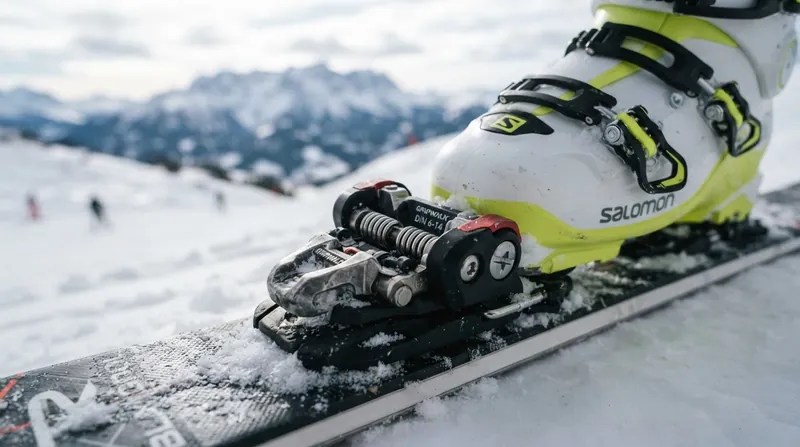
The 7-Millisecond Torsional Release Threshold: How the ISO 11088 Standard Calculates Ski Binding Release Values to Prevent Tibial Fractures
9 sources
Power ranking
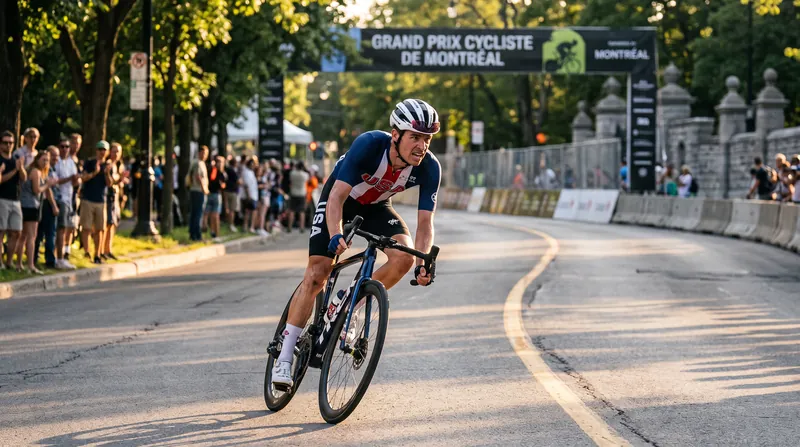
Post-Montreal Cycling Power Rankings: McNulty and Vollering Surge as Pogačar Holds the Throne
5 sources
Preview
2026 Alfred Dunhill Links Championship Preview: MacIntyre Defends as LIV Stars Return to St Andrews
6 sources

Standings
The Math of the WTA Finals Cutoff: How Noskova's Wimbledon Exemption Forces Swiatek Into a High-Stakes Asian Swing Chase
4 sources
Every angle. Every day.
Get Sports stories with full source coverage and perspective breakdowns delivered to your inbox.