
Fed's 9-3 Vote and Hawkish Dissent Drive 30-Year Treasury Yield to 5.25%, Highest Since 2007
The Federal Reserve held interest rates steady at 3.50% to 3.75%, but an unusual three-way dissent for an immediate hike sent long-term bond yields surging to 19-year highs.
By Madison Lane
- Data-Dependent Centrists
- Supporters of holding rates steady while removing forward guidance to let markets react to data.
- Market Bears
- Investors pricing in higher long-term risk premiums and equity valuation compression.
- Hawkish Policymakers
- Advocates for immediate rate hikes to combat structurally embedded inflation.
How we got here
March 2022 - August 2023
The Federal Reserve aggressively raises interest rates to combat four-decade high inflation, peaking at 5.25% to 5.50%.
2024 - 2025
The Fed gradually lowers the benchmark rate to the 3.50% to 3.75% range as inflation cools, though it remains above the 2% target.
June 2026
A Middle East ceasefire collapses, triggering a 20% surge in oil prices and renewing inflation fears.
July 29, 2026
The FOMC holds rates steady in a 9-3 vote, with three members dissenting for a hike, sending the 30-year Treasury yield to 5.25%.
Why it matters
A divided Federal Reserve signals that the era of predictable monetary policy is over, pushing the cost of long-term borrowing—including mortgages and corporate debt—to levels not seen since before the 2008 financial crisis.
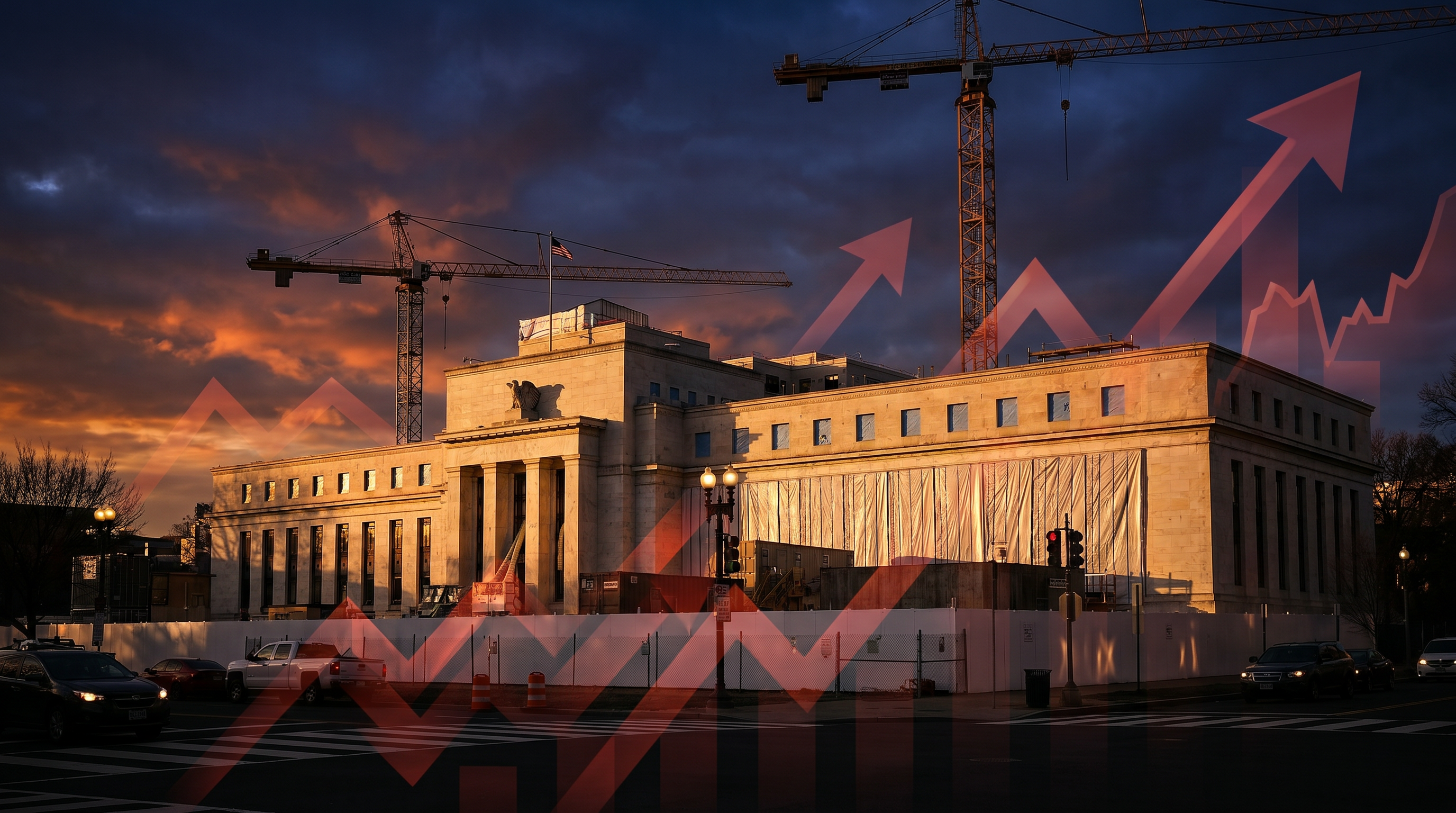
The Federal Reserve held its benchmark interest rate steady at 3.50% to 3.75%, but a rare and organized rebellion within its ranks has sent shockwaves through global debt markets. Three regional Fed presidents dissented in favor of an immediate rate hike, triggering a massive sell-off in U.S. government debt that drove the 30-year Treasury yield to 5.25%—its highest level since 2007.[1][2]
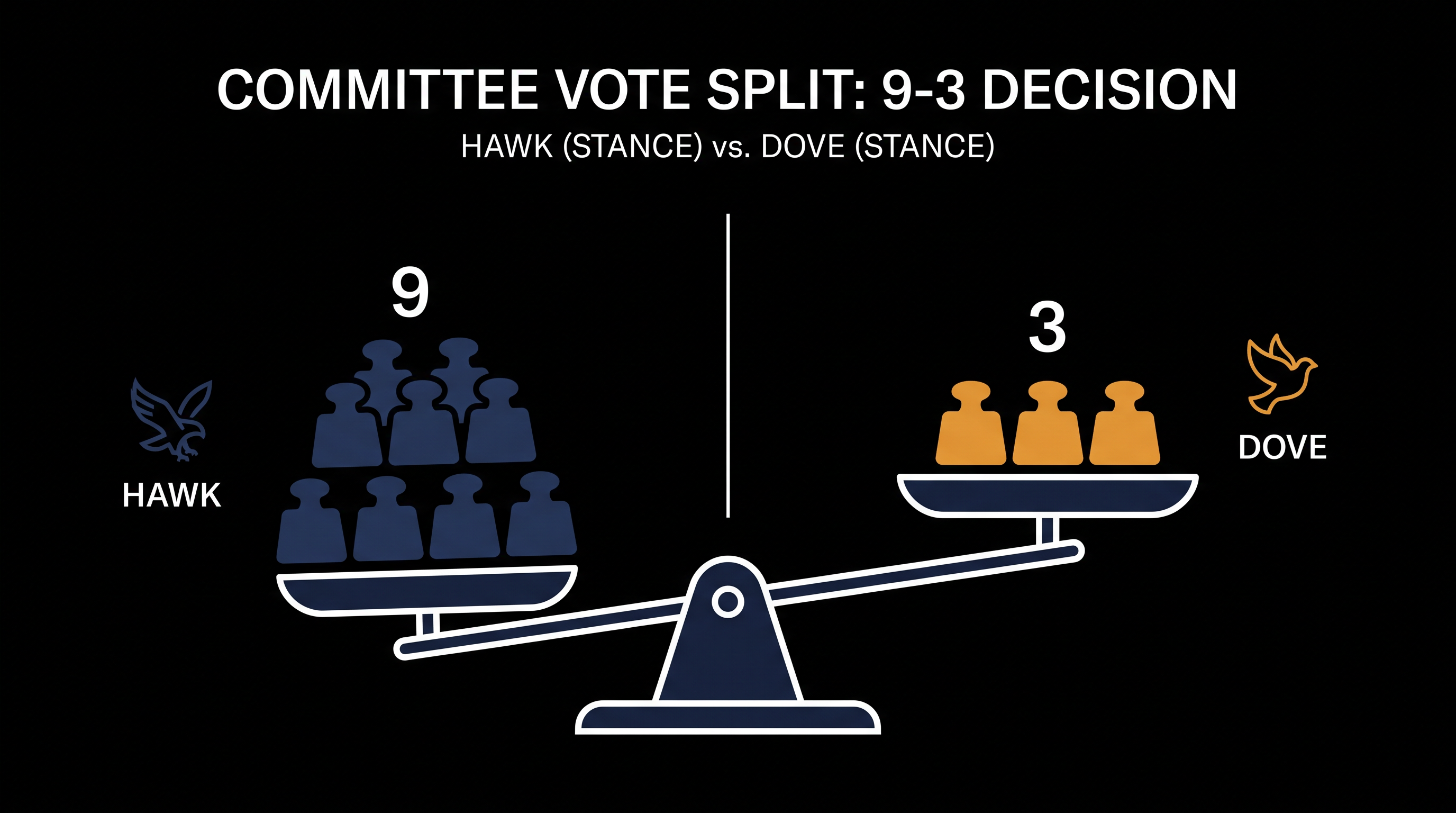
The 9-3 vote marks the most significant hawkish fracture within the Federal Open Market Committee (FOMC) since September 2016. Cleveland's Beth Hammack, Minneapolis's Neel Kashkari, and Dallas's Lorie Logan all broke with the majority to demand a 25-basis-point increase, signaling that a faction controlling 25% of the committee is ready to tighten policy.[1][6]
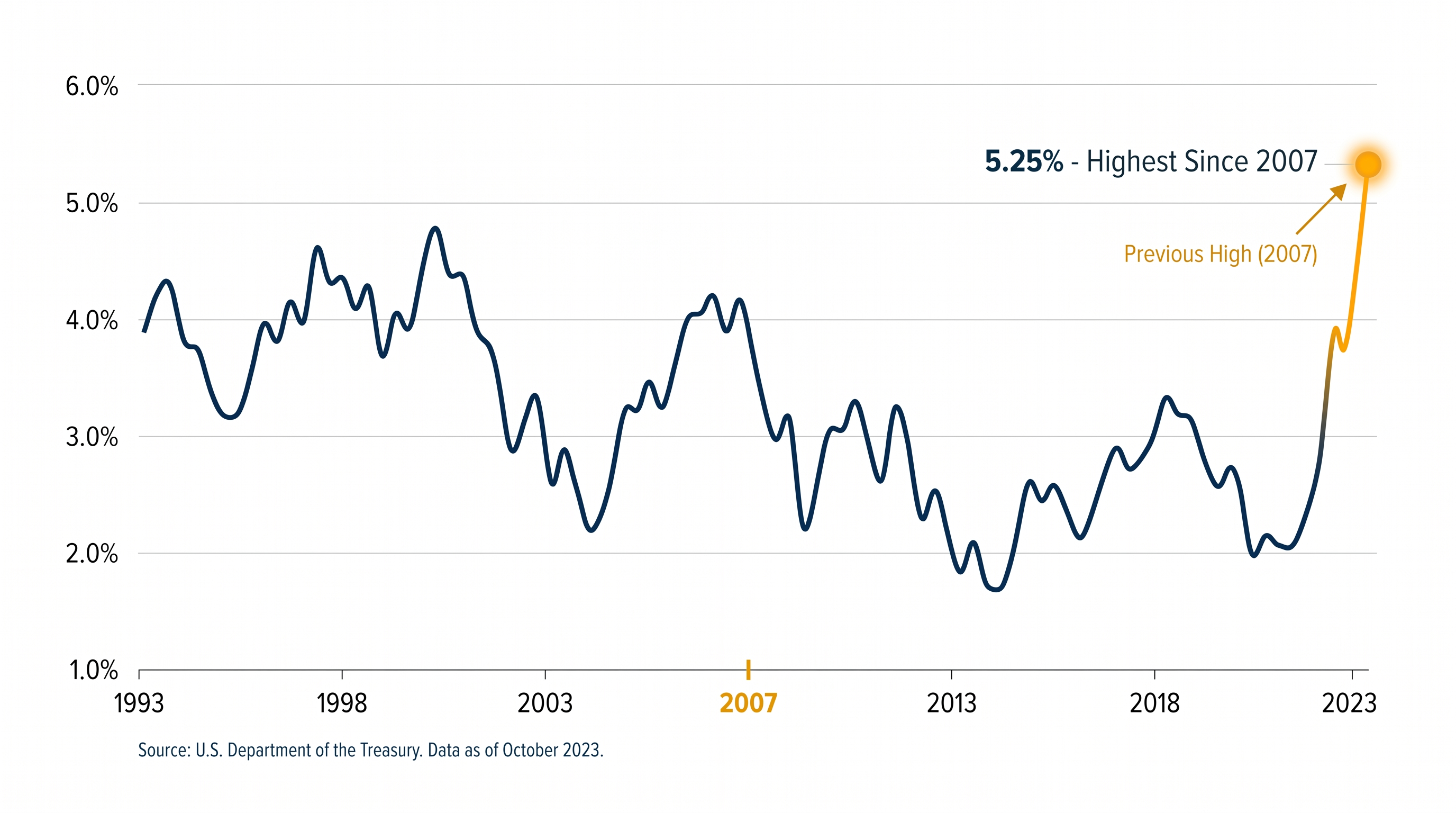
The bond market immediately priced in the implications of this hawkish bloc. The 30-year Treasury yield surged to 5.25%, while the 10-year yield topped 4.73%, its highest mark since January 2025. Rather than pricing in stronger economic growth, investors appeared to demand a higher risk premium for holding long-term U.S. debt amid growing uncertainty.[1][3]
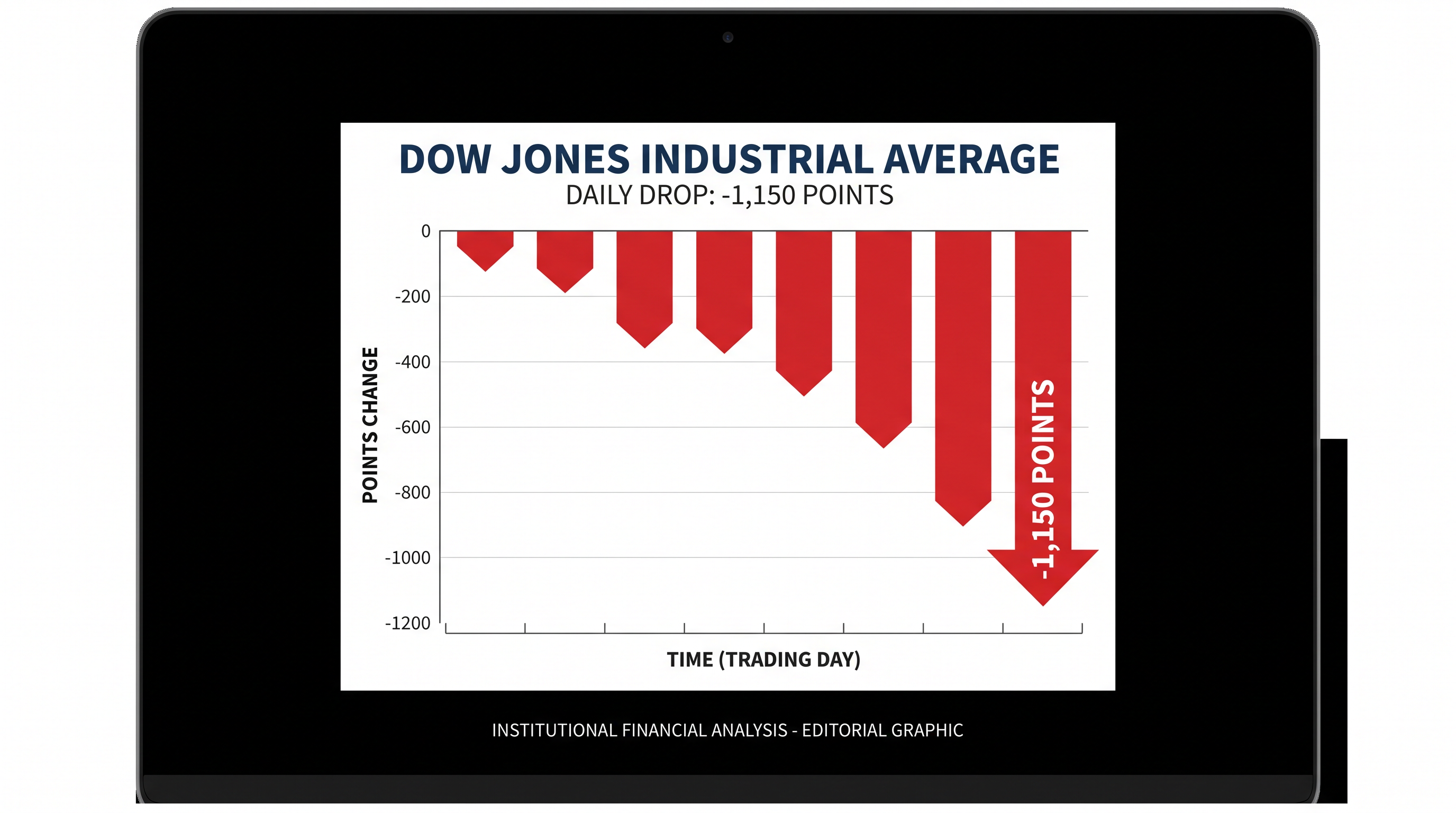
Equities cratered as the cost of capital repriced in real-time. The Dow Jones Industrial Average plummeted approximately 1,150 points during the post-meeting press conference, and the tech-heavy NAS100 index dropped 2.1%, extending its correction to 11% below its June record high.[1][3]
The dissenters' argument rests on a stubborn macroeconomic reality: inflation has hovered above the central bank's 2% target for more than five years. Recent supply shocks, including a 20% surge in oil prices following the collapse of a Middle East ceasefire, have renewed fears that inflation is becoming structurally embedded and requires immediate action.[1][4]
The dissenters' argument rests on a stubborn macroeconomic reality: inflation has hovered above the central bank's 2% target for more than five years.
Federal Reserve Chair Kevin Warsh, presiding over his second FOMC meeting, actively welcomed the division. "I asked for a good family fight and I got one," Warsh told reporters, signaling a stark departure from the consensus-driven eras of his predecessors.[1]
Warsh has systematically dismantled the Fed's tradition of "forward guidance"—the practice of telegraphing future rate moves to soothe markets. By telling investors to "watch the ball, not the umpire," Warsh is forcing markets to react directly to incoming economic data rather than relying on central bank hand-holding.[3][5]
This new regime leaves markets with little visibility. Swap markets are now pricing in roughly 60% odds of a rate hike at the September FOMC meeting, a sharp reversal from previous expectations of a prolonged pause.[3]
For the broader economy, the surge in the 30-year yield acts as a structural inflection point. It directly elevates the cost of 30-year fixed mortgages and corporate debt issuance, reflecting a higher risk premium demanded by investors to hold long-term U.S. debt.[4][6]
The rate shock collided directly with Big Tech earnings, creating a reality check for artificial intelligence capital expenditures. With companies like Meta raising 2026 capex guidance to as much as $145 billion, the rising risk-free rate forces investors to question whether massive AI spending will translate to sufficient free cash flow to justify current valuations.[3]
What to know
- The Federal Reserve held its benchmark interest rate at 3.50% to 3.75% in a divided 9-3 vote.
- Three regional Fed presidents dissented in favor of an immediate 25-basis-point rate hike, the largest hawkish fracture since 2016.
- The 30-year Treasury yield surged to 5.25%, its highest level since 2007, as bond markets priced in higher long-term risk.
- Equities sold off sharply, with the Dow Jones dropping 1,150 points during Chair Kevin Warsh's press conference.
- Warsh embraced the internal division and continued his policy of removing forward guidance, forcing markets to rely on incoming economic data.
Where opinion splits
The Hawkish Dissenters
Policymakers arguing that inflation is structurally embedded and requires immediate tightening.
Cleveland's Beth Hammack, Minneapolis's Neel Kashkari, and Dallas's Lorie Logan represent a growing faction that views the current 3.50% to 3.75% rate as insufficiently restrictive. Pointing to five years of above-target inflation and a recent 20% surge in oil prices, this camp argues that waiting for more data risks allowing inflation to become permanently embedded in the economy. They favor immediate 25-basis-point hikes to cool demand, even at the cost of near-term employment growth.
The Fed Chair's Camp
The majority holding rates steady while embracing data dependency and internal debate.
Led by Chair Kevin Warsh, the nine-member majority opted to hold rates steady to assess the lagging impact of previous monetary policy. However, Warsh's approach marks a radical shift in central bank communication. By explicitly welcoming dissent—'I asked for a good family fight and I got one'—and killing forward guidance, Warsh is forcing markets to price risk based on raw economic data rather than relying on the Fed to telegraph its next move.
Bond Market Bears
Investors demanding higher risk premiums for holding long-term U.S. debt.
The bond market's violent reaction—pushing the 30-year yield to 5.25%—reflects a fundamental repricing of long-term risk. Rather than pricing in stronger economic growth, bond bears are demanding a higher premium to hold government debt amid fiscal uncertainty, sticky inflation, and a divided central bank. This camp views the 5.25% threshold as a structural inflection point that will compress equity valuations and raise the cost of corporate borrowing.
Key terms
- Basis Point (bps)
- A unit of measure used in finance to describe the percentage change in the value of financial instruments. One basis point equals 0.01%.
- Hawkish
- A monetary policy stance that favors higher interest rates to keep inflation in check, often prioritizing price stability over employment growth.
- Yield Curve
- A line that plots yields of bonds having equal credit quality but differing maturity dates. A steepening curve indicates long-term rates are rising faster than short-term rates.
- Forward Guidance
- Communication by a central bank about the likely future course of monetary policy, designed to influence market expectations.
- Capital Expenditure (Capex)
- Funds used by a company to acquire, upgrade, and maintain physical assets such as property, plants, buildings, technology, or equipment.
Unanswered questions
- Whether the hawkish faction will gain the two additional votes needed to force a rate hike at the September FOMC meeting.
- How the sudden spike in long-term borrowing costs will impact the housing market and corporate debt refinancing in the third quarter.
- If upcoming inflation and employment data will validate the dissenters' concerns or support the majority's decision to hold rates steady.
Reader questions
Why did the 30-year Treasury yield spike?
The yield spiked because three Federal Reserve officials unexpectedly voted to raise interest rates, signaling that the central bank might hike rates sooner than markets anticipated to fight stubborn inflation.
What does a 9-3 vote mean?
It means nine members of the Federal Open Market Committee voted to keep interest rates steady, while three members dissented and voted to raise them. It is the largest hawkish dissent since 2016.
How does this affect the stock market?
Higher bond yields make borrowing more expensive for companies and offer a risk-free alternative to stocks. This caused major indices like the Dow Jones and NAS100 to drop sharply as investors repriced corporate valuations.
What is forward guidance?
Forward guidance is a tool central banks use to communicate their future monetary policy intentions to the public. Fed Chair Kevin Warsh has largely abandoned this practice, telling markets to react to economic data instead.
Sources
Source coverage
6 outlets
3 viewpoints surfaced






[1]Crestwood AdvisorsHawkish Policymakers
The Warsh Fed Delivers Its First Contentious Meeting
Read on Crestwood Advisors →[2]Advisor PerspectivesData-Dependent Centrists
Fed Holds, 30-Year Treasury Yield Rises
Read on Advisor Perspectives →[3]TradingViewMarket Bears
NAS100: Three Hawkish Dissents — Short Into September
Read on TradingView →[4]BinanceMarket Bears
The Fed Just Turned Into a 9-3 Battle
Read on Binance →[5]FXStreetData-Dependent Centrists
Is the Federal Reserve's vote tally Warsh's new forward guidance?
Read on FXStreet →[6]SubstackMarket Bears
The Bond Market Challenged the Fed's Message
Read on Substack →
Comments
Every angle. Every day.
Get business stories with full source coverage and perspective breakdowns delivered to your inbox.