
Cycling Injury Report: Vingegaard Prioritizes Full Recovery as Vendrame Returns to the Peloton
Jonas Vingegaard opts for a cautious rehabilitation following his Tour de France collarbone fracture, while Andrea Vendrame makes his long-awaited return at the Tour de Pologne and Einer Rubio shares a positive update.

- Patient Rehabilitation Advocates
- Medical staff and team directors who prioritize complete tissue healing over immediate competitive goals.
- Rider Resilience & Optimism
- The athletes themselves, who focus on the mental milestones of returning to the sport.
- Race Safety & Operations
- Organizers and analysts focused on mitigating the external factors that cause severe crashes.
Perspectives this story doesn't cover
- Independent sports psychologists discussing the mental trauma of high-speed crashes.
- Equipment manufacturers designing new protective gear for the peloton.
Key points
- Jonas Vingegaard is taking a cautious approach to his collarbone recovery, skipping the Vuelta a España.
- Einer Rubio shared a positive update after requiring 20 stitches for facial injuries sustained on Alpe d'Huez.
- Andrea Vendrame will return to racing at the Tour de Pologne after a three-month absence.
- Marlen Reusser escaped unhurt from a late crash in Stage 1 of the Tour de France Femmes.
- Christina Schweinberger was forced to abandon the Tour de France Femmes with a fractured wrist.
As the professional cycling calendar pivots from the fallout of the men's Tour de France to the ongoing Tour de France Femmes and the upcoming Vuelta a España, the peloton's medical ward is seeing significant movement. For several high-profile riders, late summer has become a critical period of rehabilitation, marked by a growing industry emphasis on long-term health over rushed competitive returns.[6]
The most prominent name navigating this delicate balance is Jonas Vingegaard. After capturing the Giro d'Italia earlier in the season, the Visma-Lease a Bike leader suffered a broken collarbone during Stage 15 of the Tour de France in mid-June. Rather than accelerating his rehab to salvage a start at the Vuelta a España, Vingegaard is taking a highly measured approach to his recovery.[1][6]
Speaking from his hometown of Glyngore ahead of the Tour of Denmark, Vingegaard confirmed that he has not yet resumed training. Acknowledging the immense physical and mental toll of his 2026 campaign, the 29-year-old stated that he simply needed a break after a "tough year and a tough bike race." While he has regained use of his arm and reported a decrease in pain, the fracture has not yet fully healed.[1]
This patience represents a stark contrast to his preparation earlier in the year, when he rushed back from a severe crash at the Basque Country to be ready for the Tour. Team management and Vingegaard appear aligned in avoiding another compressed rehabilitation cycle. By skipping the Vuelta, Vingegaard protects his winter training block and his 2027 ambitions, though a late-season return at the World Championships in Montreal remains a possibility.[1]
Sports rehabilitation experts strongly endorse this conservative timeline. While a broken collarbone might permit structured indoor trainer riding at three to four weeks, bone healing and safe outdoor riding typically require six to eight weeks. Returning to full training volume the moment pain subsides is widely cited as the primary cause of re-injury among professional and masters cyclists alike.[5]
Elsewhere in the WorldTour, Movistar's Einer Rubio is maintaining a remarkably positive outlook following a frightening incident on Alpe d'Huez. During Stage 19 of the Tour de France, Rubio was brought down when a spectator fell into the path of a team vehicle, resulting in an abrupt stop that sent the Colombian rider crashing to the tarmac.[2][3]
Elsewhere in the WorldTour, Movistar's Einer Rubio is maintaining a remarkably positive outlook following a frightening incident on Alpe d'Huez.
The crash forced Rubio to abandon the race and required 20 stitches to address severe facial lacerations. Yet, despite visible bruising and healing scabs, Rubio posted an uplifting update to his supporters this week. "A few days have passed since the accident at the Tour de France and, as the saying goes, after the rain comes the sunshine," he wrote, adding that he expects to be back on the bike soon.[2][3]
Rather than dwelling on the premature end to his Tour, Rubio emphasized the importance of learning from the situation. He gently suggested that stricter crowd control and better barriers on major climbs could prevent similar incidents, but his primary focus remains on his own physical recovery and maintaining a resilient mindset.[2]
In a major victory for the rehabilitation process, Andrea Vendrame is finally making his long-awaited return to the peloton. The Italian rider will pin on a number at the Tour de Pologne next week, marking the end of a grueling three-month absence. Vendrame's season was derailed by a severe crash during Stage 2 of the Giro d'Italia in May, making his return a significant milestone for both him and his squad.[1]
On the women's side, the opening days of the Tour de France Femmes have brought a mix of relief and heartbreak. The nervous Stage 1 rollout in Lausanne saw several high-speed incidents, most notably involving Movistar leader Marlen Reusser. With just over 21 kilometers remaining on a descent, Reusser's teammate Arlenis Sierra lost control on a right-hand bend, leaving Reusser nowhere to go but over her handlebars.[4]
Despite the dramatic tumble, Reusser escaped unhurt. Protected by her team, she quickly remounted, regained contact with the favorites on the final climb, and finished tenth on the stage. Movistar confirmed that their leader suffered no apparent injuries, keeping her general classification hopes fully intact ahead of the crucial Dijon time trial.[4]
Others were not as fortunate in the Swiss opener. Fenix-Premier Tech's Christina Schweinberger managed to cross the finish line in Lausanne but was subsequently ruled out of the race. X-rays revealed a fractured left wrist sustained in an early crash, abruptly ending her Tour de France Femmes campaign and beginning her own recovery clock.[4][6]
As the cycling calendar marches toward the autumn classics, the contrasting timelines of Vingegaard's strategic patience, Rubio's optimism, and Vendrame's successful return underscore the hidden battles of the sport. Behind every starting line is a complex calculus of tissue healing, mental resilience, and the sheer determination required to race again.[1][2][5]
How we got here
May 2026
Andrea Vendrame suffers a severe crash during Stage 2 of the Giro d'Italia, beginning a three-month absence.
June 19, 2026
Jonas Vingegaard breaks his collarbone in a crash during Stage 15 of the Tour de France.
July 24, 2026
Einer Rubio crashes on Alpe d'Huez during Stage 19 of the Tour, requiring 20 stitches.
August 1, 2026
Marlen Reusser crashes but survives Stage 1 of the Tour de France Femmes; Christina Schweinberger fractures her wrist.
August 2026
Vendrame prepares to make his official return to the peloton at the Tour de Pologne.
Sources
Source coverage
6 outlets
3 viewpoints surfaced






- [1]CyclingUpToDatePatient Rehabilitation Advocates
Vingegaard's cautious recovery approach shaped by 2027 as much as 2026
Read on CyclingUpToDate → - [2]Domestique CyclingRace Safety & Operations
Einer Rubio shares recovery update after Alpe d'Huez crash - 'We can learn from these situations'
Read on Domestique Cycling → - [3]IDL Pro CyclingRider Resilience & Optimism
Einer Rubio shares positive update following Tour de France crash
Read on IDL Pro Cycling → - [4]ProCyclingUKRace Safety & Operations
Marlen Reusser crash on Tour de France Femmes Stage 1: what happened and is she okay?
Read on ProCyclingUK → - [5]Roadman CyclingPatient Rehabilitation Advocates
Coming Back From Cycling Injuries: Structured Rehab and Return Timelines
Read on Roadman Cycling → - [6]CyclingFlash
Cycling Injuries and Expected Returns - August 2026
Read on CyclingFlash →
Comments

More in Sports
See all →Pound-for-Pound Metrics
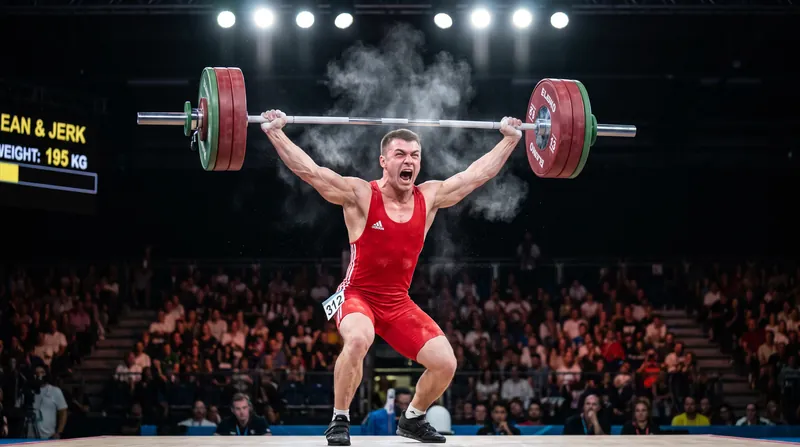
How the Sinclair Coefficient Normalizes Weightlifting Totals Across Body Weight Categories
5 sources
Storyline
The Streak is Dead: Hawthorn Stuns North Melbourne to End 1,020-Day AFLW Reign
6 sources

Injury
AEW Injury Report: Kota Ibushi Undergoes Second Femur Surgery as Rush Defends Health Status
3 sources

Storyline
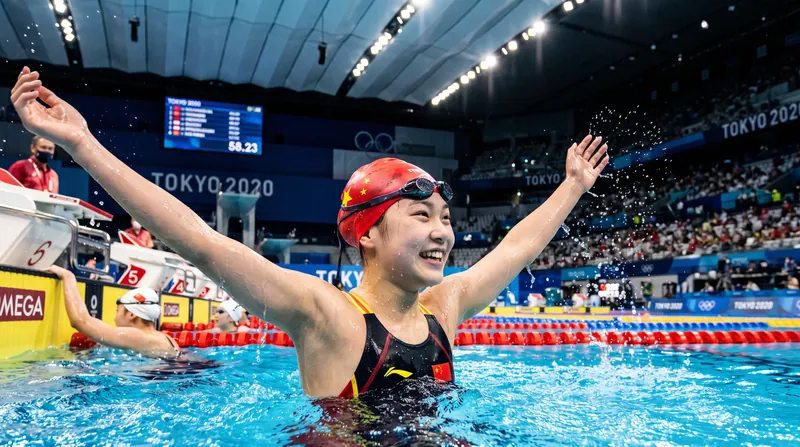
13-Year-Old Yu Zidi Smashes Asian Games Record as China Dominates Opening Night in Tokyo
6 sources
Every angle. Every day.
Get Sports stories with full source coverage and perspective breakdowns delivered to your inbox.