
Conflicting Reports Emerge Over Strait of Hormuz as US and Iran Hold High-Stakes Talks in Switzerland
Iran claims to have closed the vital Strait of Hormuz in response to regional clashes, though the U.S. disputes the waterway's status. The uncertainty comes as Vice President JD Vance pursues a provisional peace deal in Switzerland amid fierce bipartisan backlash in Washington.
By Factlen Editorial Team
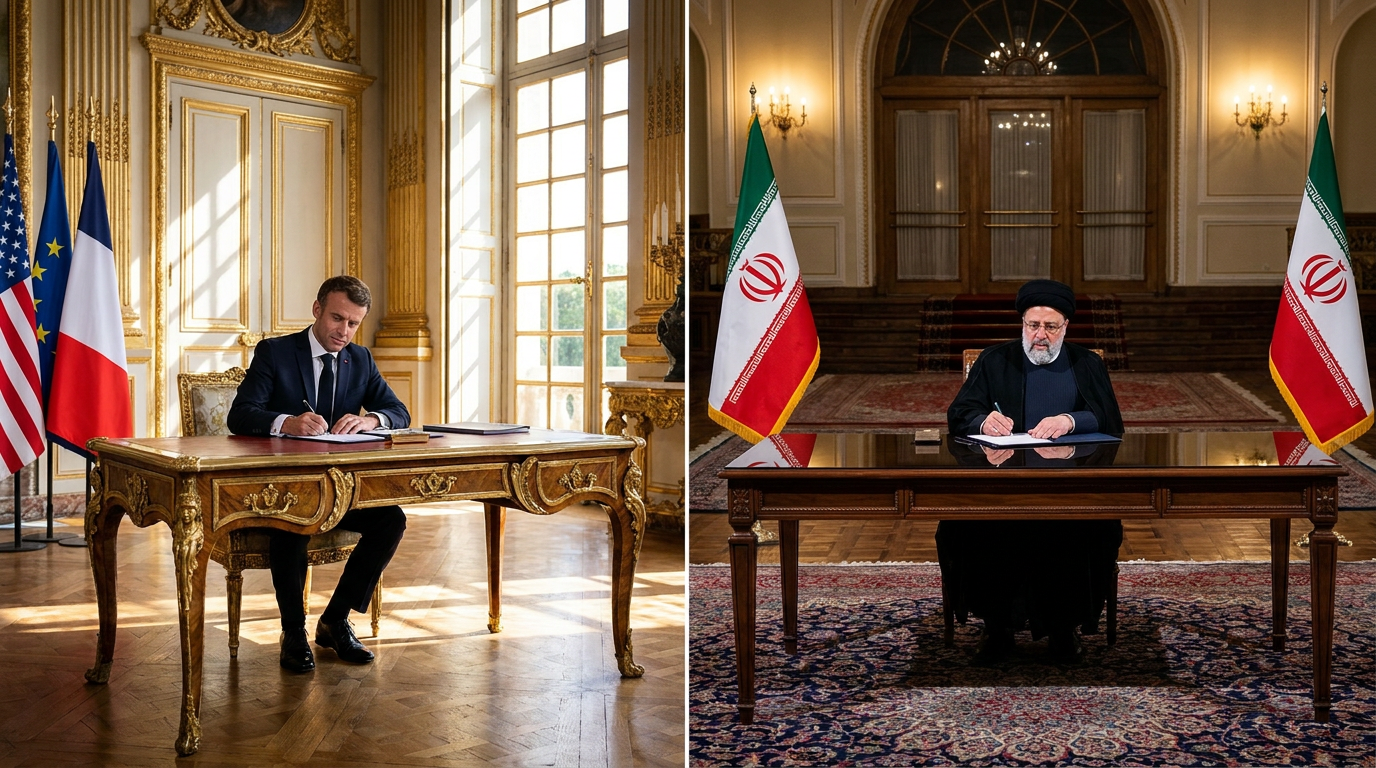
- U.S. Congressional Critics
- Views the provisional deal as a dangerous concession that projects weakness and fails to adequately address Iran's funding of proxy militias.
- U.S. Administration
- Argues that a provisional diplomatic agreement is the most viable path to de-escalating regional tensions while maintaining a posture of military deterrence.
- Iranian State & Military
- Maintains that the closure of vital waterways is a justified and necessary retaliation against Israeli military operations targeting its regional allies.
- Israeli Defense Establishment
- Believes that Iran's proxy network in Lebanon poses an existential threat that must be countered with decisive military action, regardless of diplomatic talks.
What's not represented
- · Global Shipping Companies
- · European Energy Importers
Why this matters
The Strait of Hormuz is the world's most critical oil chokepoint, handling roughly 20% of global petroleum consumption. Any sustained closure or military conflict in the waterway would trigger severe spikes in global energy prices, driving up inflation and disrupting international supply chains.
Key points
- Iran claims to have closed the Strait of Hormuz, a move the U.S. military actively disputes.
- Vice President JD Vance recently concluded a first round of direct peace talks with Iranian officials in Switzerland.
- President Trump simultaneously threatened further military action if Iran does not rein in its proxy forces in Lebanon.
- The provisional diplomatic framework is facing intense bipartisan opposition from U.S. lawmakers.
- Israel's UN ambassador warned that Iran's use of Hezbollah in Lebanon is a major threat to regional peace.
The global energy market and international diplomatic corps are on high alert as conflicting reports emerge regarding the operational status of the Strait of Hormuz. Iranian armed forces announced over the weekend that they have successfully closed the vital waterway, framing the blockade as a direct retaliation for recent Israeli military operations targeting Hezbollah positions in Lebanon. The declaration immediately sent shockwaves through commodities markets, as traders scrambled to assess whether the world's most critical petroleum chokepoint had genuinely been severed or if the announcement was primarily a rhetorical escalation designed to maximize leverage in ongoing negotiations.[2]
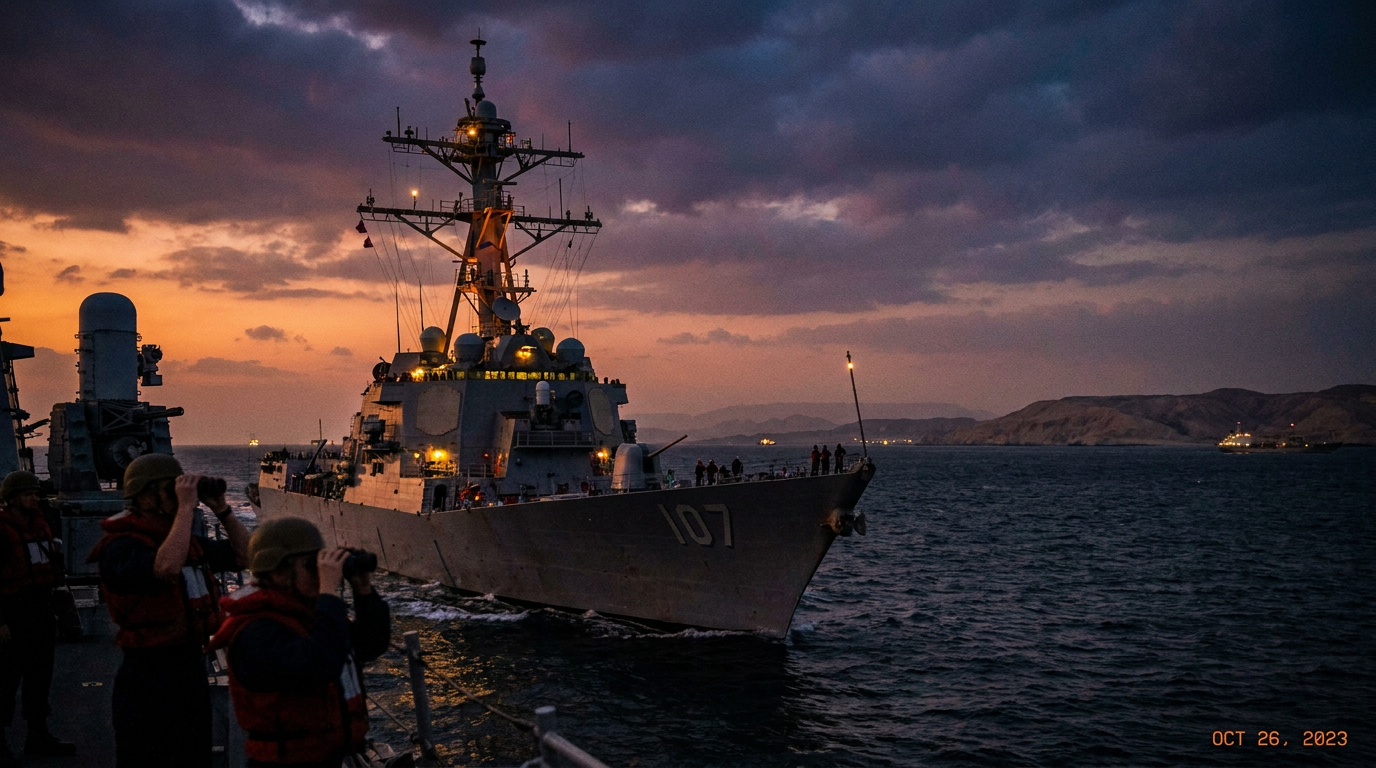
The United States military and allied naval forces stationed in the region have offered starkly different accounts of the situation on the water. Defense officials insist that the crucial maritime corridor remains open to commercial transit, disputing the Iranian claims of a total blockade. Despite these reassurances, the profound uncertainty over whether the strait is safe for passage has created a highly volatile environment for international shipping conglomerates. Many fleet operators are now forced to weigh the immense financial risks of navigating a contested waterway against the severe logistical delays of rerouting shipments, leaving millions of barrels of crude oil in a state of transit limbo.[1]
This maritime confusion is unfolding against the complex backdrop of a high-stakes, dual-track diplomatic effort spearheaded by the White House. Vice President JD Vance is currently stationed in Switzerland, where he recently concluded the first intensive round of direct peace talks with high-ranking Iranian officials. Vance has publicly hailed the progress made during these closed-door negotiations, which center on establishing a provisional agreement aimed at de-escalating the interlocking conflicts currently destabilizing the Middle East. The administration hopes that a diplomatic breakthrough in Geneva could simultaneously secure the shipping lanes and cool the escalating violence in the Levant.[3][4]

Yet, the diplomatic messaging emanating from Washington has been far from unified, creating a jarring split-screen effect for international observers. Even as his Vice President sits at the negotiating table in Geneva, President Donald Trump has issued severe public warnings aimed directly at Tehran. Over the weekend, the president threatened to "hit Iran very hard again" if the nation's leadership does not take immediate steps to rein in its proxy forces currently operating in Lebanon. This aggressive rhetoric appears designed to maintain maximum pressure on the Iranian delegation, though analysts warn it risks derailing the fragile progress Vance claims to have secured.[3][4]
The contours of the provisional deal being discussed in Switzerland have already ignited a firestorm of bipartisan criticism back in the United States. Lawmakers from both sides of the political aisle have voiced deep skepticism and outright opposition to the administration's current negotiating posture, arguing that the White House is offering premature concessions. The domestic political backlash threatens to undermine the credibility of the U.S. delegation in Geneva, as Iranian negotiators are acutely aware that any agreement reached with the executive branch could face insurmountable hurdles in Congress.[4]
The contours of the provisional deal being discussed in Switzerland have already ignited a firestorm of bipartisan criticism back in the United States.
Senator Cory Booker (D-NJ) delivered one of the most scathing rebukes of the proposed memorandum of understanding, taking to national media to label the diplomatic effort an "abject surrender." Booker argued forcefully that the president is emerging as the "biggest loser" on the world stage, claiming the administration has been left with "egg on its face" after failing to secure binding commitments on Iran's ballistic missile program or its funding of regional militias. The harsh rhetoric from a prominent Democrat underscores the steep uphill battle the administration faces in selling the deal to a skeptical legislative branch.[6]
The fierce criticism of the Swiss negotiations is by no means limited to the political left. Prominent conservative voices and Republican stalwarts, including Senator John Cornyn of Texas, have also voiced fresh, vocal objections to the provisional framework. These lawmakers argue that easing economic or military pressure on Tehran while its proxy forces remain highly active in conflicts bordering Israel is a fundamental strategic error. The bipartisan alignment against the deal signals that any finalized agreement will face a grueling, highly publicized, and potentially impossible path to congressional ratification.[4]

To understand the current standoff in the Strait of Hormuz, observers must look to the immediate catalyst: the escalating cycle of violence in the Levant. Israel's ambassador to the United Nations recently issued a stark, uncompromising warning that Iran's tightening grip on Lebanon through its primary proxy, Hezbollah, represents a severe "warning sign" for the future of Middle East peace. The Israeli government views the entrenchment of heavily armed, Iranian-backed militias on its northern border as an existential threat that cannot be managed through diplomacy alone.[5]
The Israeli diplomatic mission has vowed unequivocally that its nation will not remain "sitting ducks" amid the ongoing barrage of rocket attacks and border incursions. By defending the recent, intensive military operations in Lebanon—the very operations that triggered Tehran's threats to close the Strait of Hormuz—Israel is signaling its willingness to absorb regional blowback in order to degrade Hezbollah's capabilities. This dynamic places the U.S. administration in the difficult position of trying to support its closest Middle Eastern ally while simultaneously negotiating with the primary sponsor of its adversaries.[5]
As commercial vessels idle in the Persian Gulf waiting for clarity, the international community is left watching a highly precarious balancing act. The success or failure of the Swiss talks, coupled with the unpredictable military realities on the ground in Lebanon and the waters of the Strait, will dictate the region's trajectory for the foreseeable future. Ultimately, these intersecting crises will determine whether the world's most critical energy artery remains a reliable zone of global transit or becomes the epicenter of a devastating, multi-front regional conflict.[1][2][3]
How we got here
Recent Weeks
Israel intensifies military operations against Hezbollah positions in Lebanon.
Over the Weekend
Iranian armed forces announce the closure of the Strait of Hormuz in retaliation, a claim the U.S. disputes.
Sunday
Vice President JD Vance hails progress after concluding a round of direct peace talks with Iran in Switzerland.
Sunday
President Trump threatens further strikes on Iran as bipartisan U.S. lawmakers voice fierce opposition to the provisional deal.
Viewpoints in depth
U.S. Administration
The White House is pursuing a dual-track strategy of diplomatic engagement and military deterrence.
The administration believes that direct negotiations in Switzerland offer the most viable off-ramp to a broader regional war. By dispatching Vice President JD Vance to secure a provisional agreement, the White House hopes to stabilize global energy markets and cool tensions in the Levant. However, President Trump's concurrent threats of military action demonstrate a strategy of 'maximum pressure,' attempting to force Iranian concessions at the negotiating table by keeping the threat of overwhelming force on the table.
Iranian State & Military
Tehran views its actions in the Strait of Hormuz as a necessary deterrent against Israeli expansion.
From the perspective of the Iranian military establishment, the announcement regarding the Strait of Hormuz is a direct and proportional response to Israeli strikes on its allies in Lebanon. Tehran utilizes its geographic control over the vital chokepoint as its primary geopolitical leverage, signaling to the international community that any attempt to degrade its proxy network will carry severe economic consequences for the global energy market.
U.S. Congressional Critics
Bipartisan lawmakers argue the provisional deal projects weakness and fails to secure U.S. interests.
Critics on both sides of the aisle, ranging from progressive Democrats like Cory Booker to conservative Republicans like John Cornyn, view the Swiss negotiations with profound skepticism. They argue that offering diplomatic or economic relief while Iranian-backed militias actively engage U.S. allies is a strategic failure. These lawmakers demand that any agreement must include ironclad, verifiable commitments to dismantle proxy networks and halt ballistic missile development, setting up a massive legislative hurdle for the administration.
Israeli Defense Establishment
Israel prioritizes the immediate neutralization of threats on its northern border over broader diplomatic frameworks.
The Israeli government views the entrenchment of Hezbollah in Lebanon not as a diplomatic dispute, but as an acute, existential security threat. Israeli officials argue that international peace talks often serve as a stalling tactic that allows hostile militias to rearm and regroup. Consequently, Israel remains committed to degrading these proxy forces through direct military action, regardless of how those operations impact the U.S.-Iran negotiations in Geneva or the status of commercial shipping in the Persian Gulf.
What we don't know
- Whether commercial shipping will actually be impeded in the Strait of Hormuz in the coming days.
- If the provisional deal negotiated in Switzerland can survive the fierce bipartisan opposition in the U.S. Congress.
- How Hezbollah and other regional proxy forces will respond to the ongoing diplomatic and military pressures.
Key terms
- Strait of Hormuz
- A narrow, strategically vital waterway between the Persian Gulf and the Gulf of Oman through which roughly 20% of the world's oil supply passes.
- Proxy Warfare
- A conflict where major powers instigate or support fighting by other groups or nations without becoming directly engaged in the hostilities themselves.
- Provisional Deal
- A temporary or preliminary diplomatic agreement intended to serve as a stepping stone toward a more comprehensive, permanent treaty.
Frequently asked
Is the Strait of Hormuz currently closed to shipping?
The situation is highly contested. Iranian armed forces claim to have closed the waterway, while the U.S. military insists it remains open to commercial transit.
Why are the U.S. and Iran holding talks in Switzerland?
Vice President JD Vance is leading a U.S. delegation in direct peace talks with Iranian officials aimed at securing a provisional deal to de-escalate interlocking conflicts in the Middle East.
Why is the provisional deal facing backlash in the U.S.?
Lawmakers from both parties argue the administration is offering premature concessions without securing binding commitments to halt Iran's support for proxy militias like Hezbollah.
Sources
Source coverage
6 outlets
4 viewpoints surfaced





[1]NYT
Uncertainty Remains Over the Strait of Hormuz
Read on NYT →[2]Al JazeeraIranian State & Military
What’s next in the Strait of Hormuz crisis?
Read on Al Jazeera →[3]NPRU.S. Administration
Trump threatens to 'hit Iran very hard again' while Vance in Switzerland for talks
Read on NPR →[4]The GuardianU.S. Congressional Critics
Trump faces fresh bipartisan criticism on Iran deal as Vance hails peace talks
Read on The Guardian →[5]Fox NewsIsraeli Defense Establishment
Israeli ambassador warns Iran's grip on Lebanon is a 'warning sign' for Middle East peace
Read on Fox News →Booker slams Trump’s Iran deal as an 'abject surrender,' labels him the 'biggest loser' with 'egg on his face'
Read on Fox News →

More in news politics
See all 5 stories →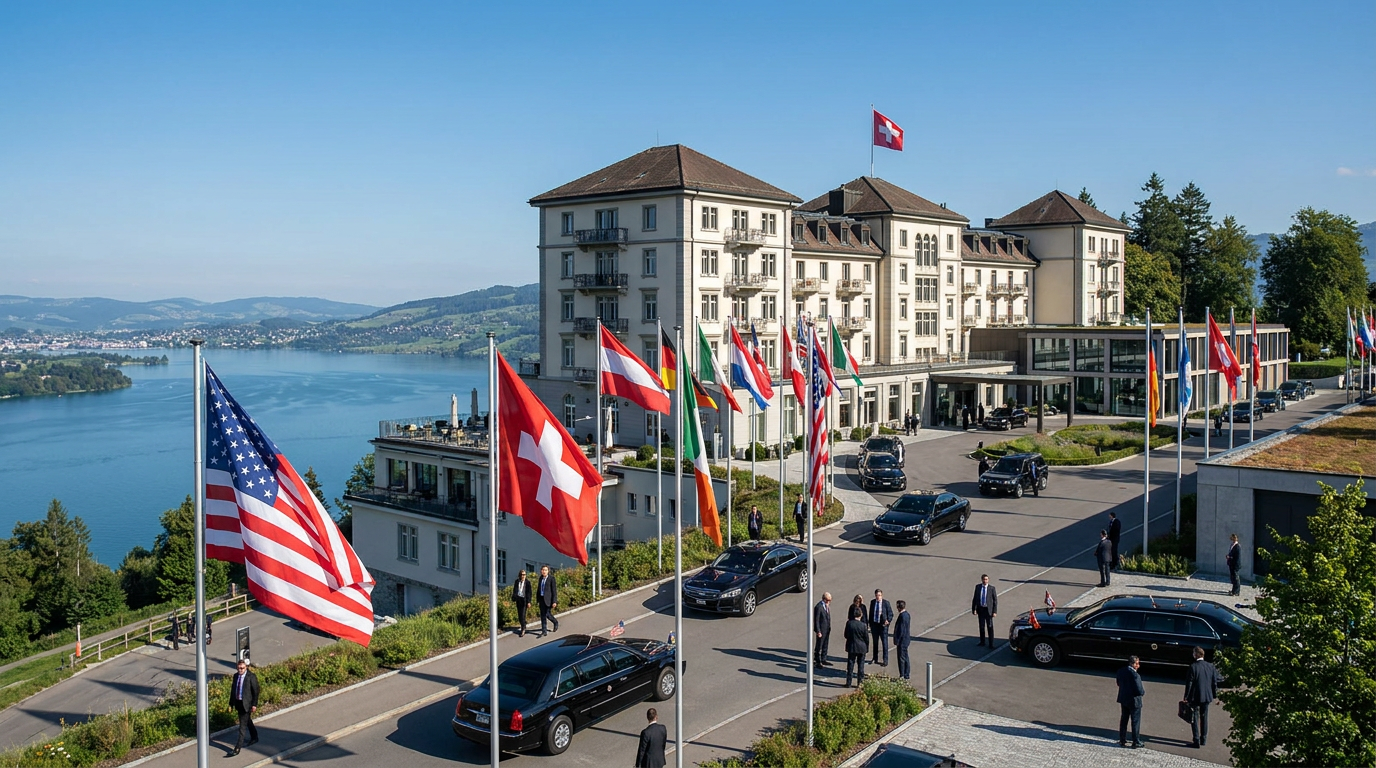

Every angle. Every day.
Get news politics stories with full source coverage and perspective breakdowns delivered to your inbox.