
Beyond the Gala: How Celebrities Are Rewriting the Rules of Philanthropy in 2026
From viral million-dollar challenges to direct mutual aid, a new generation of high-profile figures is abandoning traditional charity models in favor of direct, immediate impact.
By Factlen Editorial Team
- Direct Aid Advocates
- Argue that bypassing traditional charities eliminates overhead and gets funds immediately to those in crisis.
- Institutional Philanthropists
- Emphasize that while direct aid is powerful, systemic change requires massive endowments to established organizations.
- Academic Observers
- Focus on the sociological impact of fame, noting that a celebrity's ability to direct public attention is their most valuable asset.
Why this matters
As celebrities shift their massive wealth and influence away from opaque foundations and toward direct mutual aid, ordinary people in crisis are receiving immediate, life-changing financial relief. This trend is democratizing philanthropy, proving that transparency and direct community action can often solve problems faster than traditional institutions.
The era of the ten-thousand-dollar-a-plate celebrity gala is quietly giving way to something faster, more direct, and highly visible. In 2026, philanthropy in the entertainment industry looks less like a black-tie dinner in a hotel ballroom and more like a direct Venmo transfer or a viral YouTube challenge. This shift represents a fundamental rewiring of how fame and wealth interact with public need, driven by a generation of fans who value transparency and immediate impact over institutional prestige.[7]
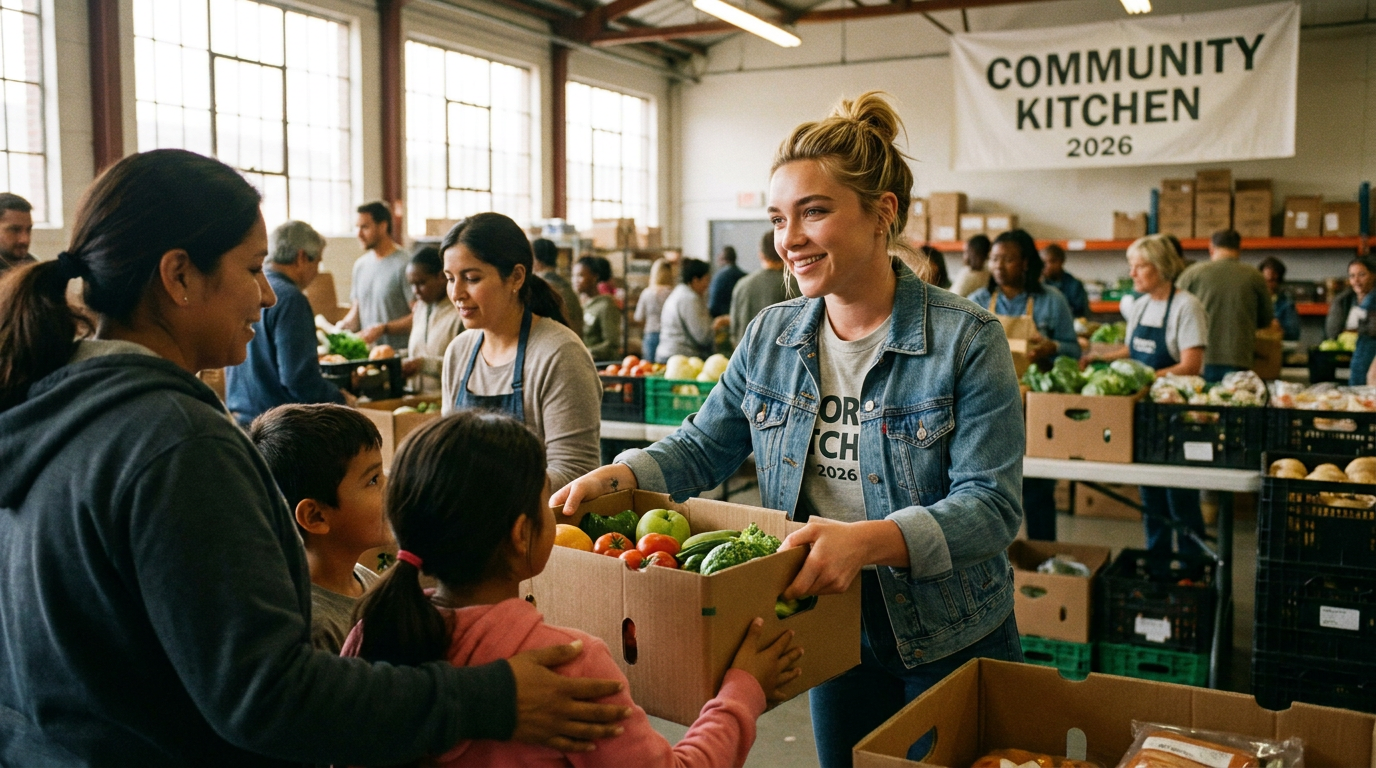
For decades, the standard playbook for celebrity giving involved launching a namesake foundation, hosting annual galas, and writing large checks to legacy non-profits. While those avenues still exist, today's high-profile figures are increasingly bypassing the bureaucracy of traditional charities. They are engaging in direct mutual aid, actively seeking out individuals in crisis and intervening personally to provide immediate financial relief without the overhead costs of a middleman.[2][7]
Taylor Swift has become one of the most prominent architects of this direct-giving model. Rather than solely routing her wealth through massive non-governmental organizations, she frequently scours crowdfunding platforms to find fans in need. In recent years, she has paid off mounting medical bills, funded university tuitions—including a $30,000 gift to an aspiring mathematician—and made a $100,000 donation to the family of a victim of the Kansas City parade shooting.[3]
The power of this direct approach lies not just in the celebrity's initial financial injection, but in the secondary wave of giving it triggers. When a figure with hundreds of millions of followers donates to a specific GoFundMe campaign, it creates a massive fan mobilization effect. Thousands of micro-donations from fans quickly follow, often multiplying the original celebrity gift several times over and fully funding the campaign within a matter of hours.[3][7]

However, this does not mean institutional giving has been abandoned; rather, it has become highly targeted. When modern celebrities do write massive checks to institutions, they are demanding specific, measurable outcomes. Swift's recent endowment to the Adolescent and Young Adult Cancer Program at Monroe Carell Jr. Children's Hospital is a prime example, with funds earmarked specifically to personalize cancer care for patients aged 15 to 25. She also recently made an unprecedented donation to the Elizabeth Taylor AIDS Foundation, honoring the late actress's trailblazing advocacy work and ensuring the continuation of systemic health initiatives.[4][5]
Beyond financial donations, celebrities are leveraging their digital presence and parasocial relationships in unprecedented ways. SZA recently demonstrated this by auctioning off a one-on-one Zoom hangout to raise money for the Freedom for Sudan campaign. The winner could use the time to do yoga, make mood boards, or simply talk about current events with the artist, turning a simple video call into a powerful fundraising tool.[2]
This digital-first approach trades on the intimacy of the modern fan-artist relationship. By offering their time and personal attention rather than just an autographed item, artists can raise substantial funds for global crises while deepening their connection with their audience. It is a model of philanthropy that costs the celebrity nothing but time, yet yields massive dividends for the charity and creates a memorable experience for the donor.[2][7]
This digital-first approach trades on the intimacy of the modern fan-artist relationship.
The gamification of charity is another hallmark of the 2026 philanthropic landscape. Traditional telethons have been largely replaced by viral digital events that blend high-stakes entertainment with massive payouts. Comedian Kevin Hart recently teamed up with digital creator MrBeast for a massive celebrity charity competition. The event, which kicked off the second season of Beast Games, featured stars like Tiffany Haddish and Diplo competing in physical challenges and logic games for a $1,000,000 charity prize.[2]

By packaging philanthropy as high-stakes, highly entertaining digital content, these creators are engaging Gen Z and Gen Alpha audiences who would never tune into a traditional charity broadcast. The millions of views these videos generate also provide massive ad-revenue streams, which are often funneled right back into the charitable prize pool, creating a self-sustaining ecosystem of giving that grows with every click.[2][7]
Grassroots mutual aid platforms are also receiving high-profile boosts from the entertainment industry. Actor Indya Moore founded TransSanta, a mutual-aid project that connects anonymous gift-givers directly with transgender youth. By allowing youth to create wish lists that donors fulfill directly, the project bypasses the overhead and logistical hurdles of traditional holiday toy drives, ensuring that help goes exactly where it is requested.[2]
Even the corporate world is adapting to this new era of celebrity involvement. Traditional finance has long used celebrity ambassadors, but the integration is becoming more seamless and event-driven. BTIG's twentieth Commissions for Charity Day in May 2026 brought dozens of actors, athletes, and journalists—from Michael Strahan to Patrick Dempsey—onto the trading floor. These figures act as ambassadors for their chosen charities, helping to direct millions in corporate trading profits to specific global causes.[6]
Academic research supports the efficacy of this shift in public behavior. Experts at Wharton have long studied how celebrity endorsements drive consumerism, but researchers are increasingly noting that this unique power is being redirected toward humanitarian visibility. As one academic analysis noted, society is beginning to view celebrities as a transformative force capable of directing global attention, rather than merely a device to increase retail sales.[1]

The blueprint for this transformative presence was arguably laid by Angelina Jolie during her twenty-year tenure with UNICEF. Jolie proved that a celebrity's sustained voice, physical presence in crisis zones, and willingness to learn the intricacies of a cause could offer crucial visibility that money alone cannot buy, setting a standard that today's stars are building upon.[1]
As we move deeper into 2026, the expectations placed on public figures have fundamentally changed. It is no longer enough to simply lend a name to a foundation's letterhead or attend a gala. Audiences demand active, transparent, and creative participation in solving both systemic issues and individual crises, holding their favorite stars accountable for how they wield their influence.[7]
This new era of philanthropy is ultimately more democratic and responsive. By blending massive institutional endowments with direct mutual aid, viral fundraising, and the mobilization of digital fan armies, celebrities are proving that the most effective way to give back is to remove the barriers between the wealth they generate and the communities that support them.[7]
Viewpoints in depth
Direct Aid Advocates
Argue that bypassing traditional charities eliminates overhead and gets funds immediately to those in crisis.
This camp, which includes mutual aid organizers and crowdfunding platforms, believes the traditional non-profit model is too slow and top-heavy. By giving directly to individuals via GoFundMe or Venmo, celebrities ensure 100% of their donation reaches the intended recipient immediately. They argue this method also builds stronger, more authentic community bonds and encourages fans to participate in micro-philanthropy.
Institutional Philanthropists
Emphasize that while direct aid is powerful, systemic change requires massive endowments to established organizations.
Hospital administrators, research directors, and legacy foundation leaders argue that while paying off an individual's medical bill is life-changing for that person, it does not cure the underlying disease. They advocate for large-scale endowments that fund long-term medical research, build new hospital wings, and influence public health policy, noting that systemic issues require systemic funding.
Academic Observers
Focus on the sociological impact of fame, noting that a celebrity's ability to direct public attention is their most valuable asset.
Sociologists and philanthropic researchers point out that a celebrity's true power lies in their visibility. When a major star highlights a niche cause, they bring millions of eyes—and subsequently, millions of dollars from ordinary citizens—to issues that would otherwise go unnoticed. This camp studies how parasocial relationships can be leveraged to mobilize mass action, viewing the celebrity as a catalyst rather than just a donor.
What we don't know
- Whether the trend of direct mutual aid will eventually face increased regulatory or tax scrutiny.
- How legacy non-profits will adapt their fundraising models to compete with viral, direct-to-consumer charity events.
Sources
Source coverage
7 outlets
3 viewpoints surfaced







[1]The BoarAcademic Observers
Celebrities as a transformative force in 2026
Read on The Boar →[2]LoveBScottDirect Aid Advocates
Creative and unexpected celebrity philanthropy in 2026
Read on LoveBScott →[3]GoFundMeDirect Aid Advocates
How you can follow in Taylor's footsteps
Read on GoFundMe →[4]ABS-CBN NewsInstitutional Philanthropists
Taylor Swift donates to Monroe Carell Jr. Children's Hospital
Read on ABS-CBN News →[5]HeavyInstitutional Philanthropists
Taylor Swift Makes Unprecedented Move With Life-Changing Donation
Read on Heavy →[6]BTIGInstitutional Philanthropists
BTIG to Host 20th Commissions for Charity Day on May 6, 2026
Read on BTIG →[7]Factlen Editorial TeamAcademic Observers
Synthesis by Factlen editorial team
Read on Factlen Editorial Team →
More in entertainment
See all 59 stories →Pop Music
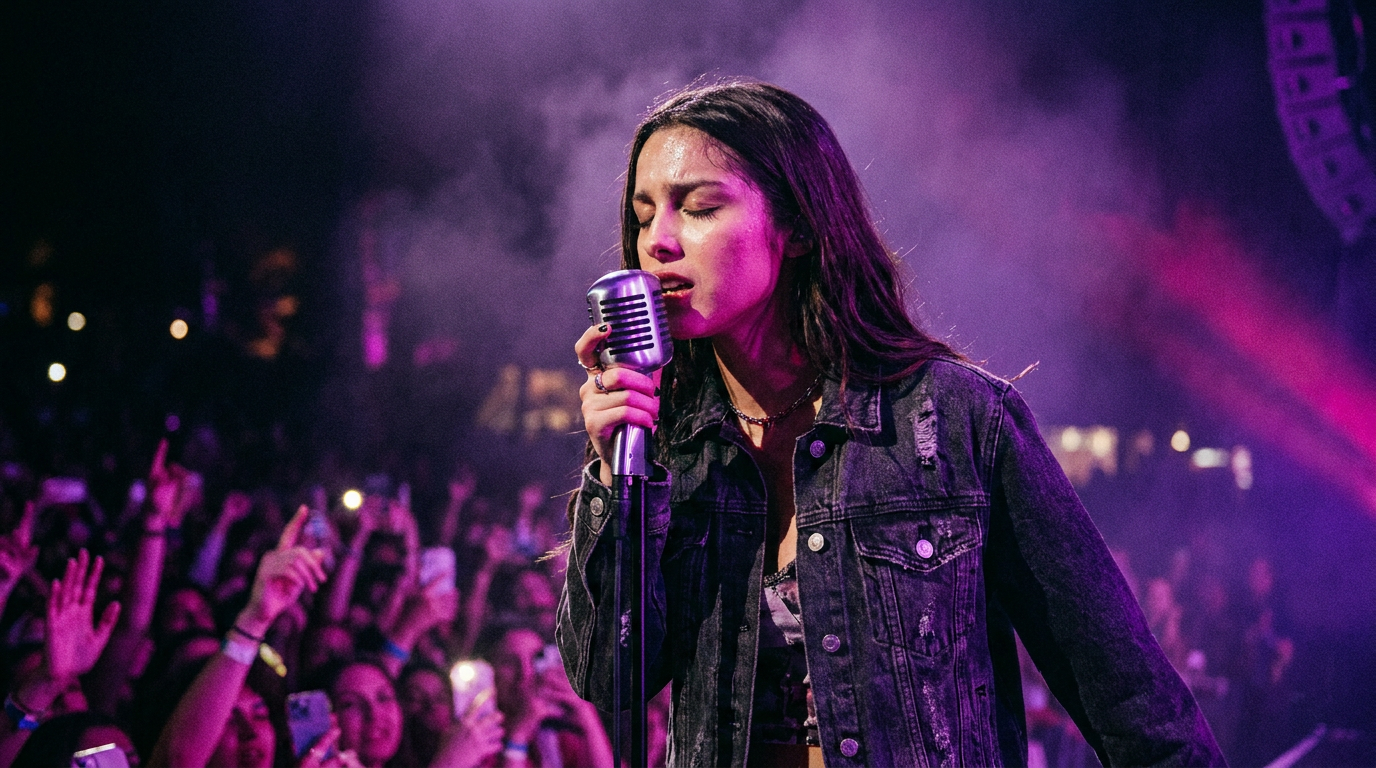
Olivia Rodrigo Releases Highly Anticipated Third Album 'You Seem Pretty Sad For A Girl So In Love'
6 sources
Music Economy
Global Music Revenues Hit Record $31.7 Billion as Vinyl Boom Meets 'Green Note' Sustainability
7 sources

Early Literacy
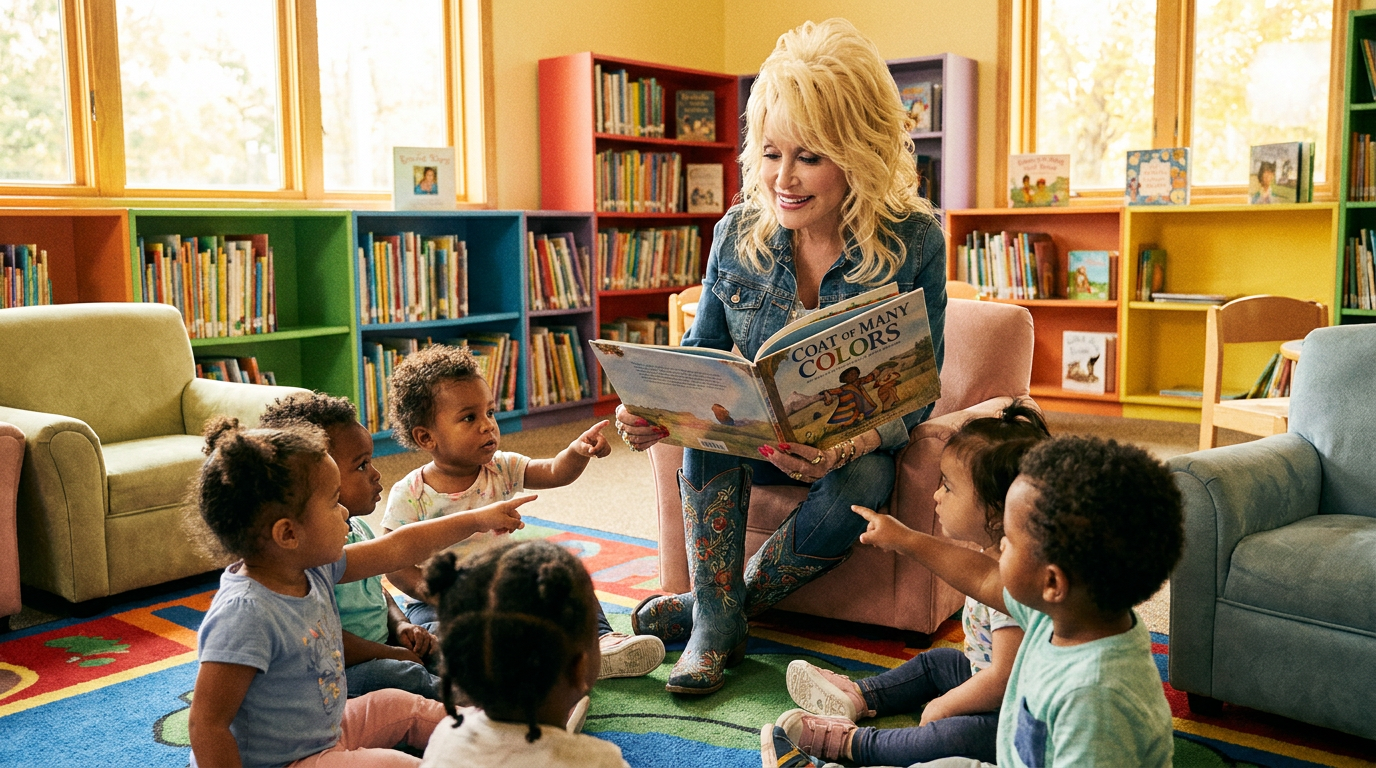
Dolly Parton's Imagination Library Surpasses 314 Million Books as Landmark Study Proves Literacy Impact
7 sources
Handheld PCs
Steam Deck OLED vs. ROG Ally X: Which Handheld Gaming PC Wins in 2026?
7 sources

Every angle. Every day.
Get entertainment stories with full source coverage and perspective breakdowns delivered to your inbox.