
Apple's iOS 27 Brings Practical AI to Everyday iPhone Apps
Apple's upcoming iOS 27 update moves beyond flashy AI demos, integrating practical, Gemini-powered features into Safari, Passwords, Photos, and a rebuilt Siri.
By Factlen Editorial Team
- Everyday Users
- Focuses on the practical utility, time-saving automation, and seamless integration of AI into daily tasks.
- Privacy Advocates
- Focuses on Apple's on-device processing and the verifiable security of Private Cloud Compute.
- App Developers
- Focuses on the shift to App Intents, the deprecation of old frameworks, and system-wide performance boosts.
What's not represented
- · Android Users
- · Enterprise IT Managers
Why this matters
Instead of requiring users to open a separate chatbot app, iOS 27 bakes artificial intelligence directly into the tools people use daily—automating tedious tasks like updating compromised passwords, tracking web changes, and splitting dinner bills.
Key points
- iOS 27 integrates Apple Intelligence directly into everyday apps like Safari, Passwords, and Phone.
- Siri has been completely rebuilt using custom Google Gemini models for advanced reasoning.
- The Passwords app can now automatically log into websites to update compromised credentials.
- Visual Intelligence expands to iPad and Mac, allowing users to scan receipts to split bills.
- Most AI features run entirely on-device, with complex tasks securely routed to Private Cloud Compute.
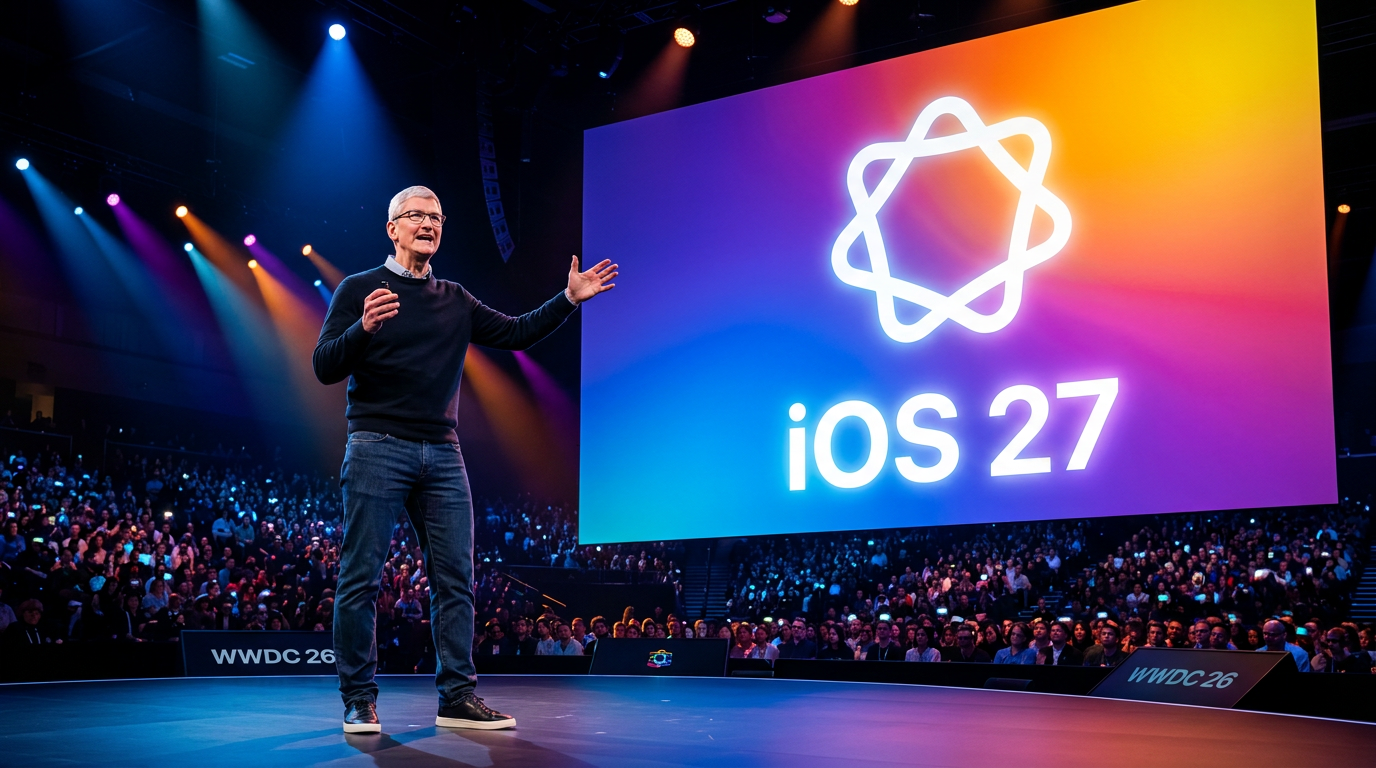
Apple's WWDC 2026 keynote marked a turning point for the iPhone, shifting artificial intelligence from a novelty into a set of practical, everyday utilities. With the upcoming release of iOS 27, Apple Intelligence is no longer confined to isolated text generation; it is woven directly into the operating system's most heavily used applications.[1][3]
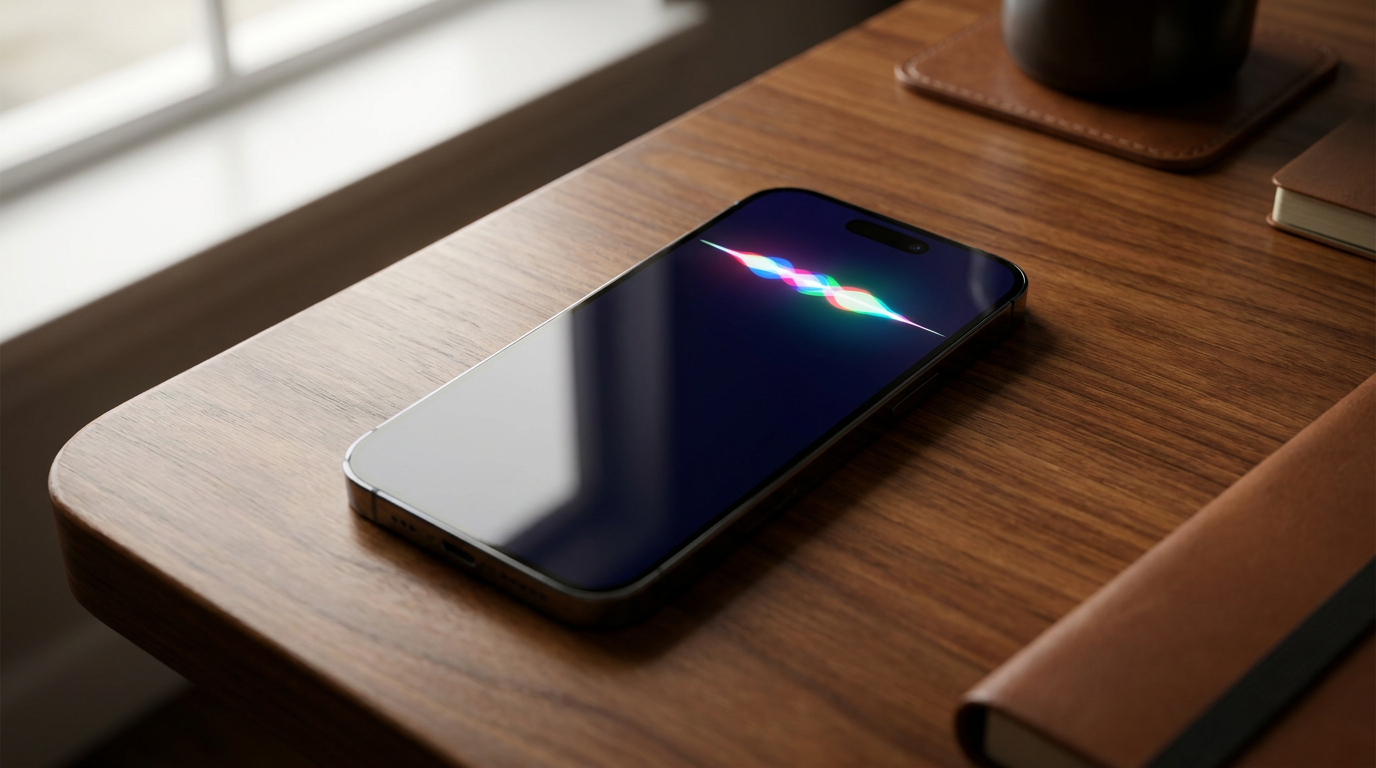
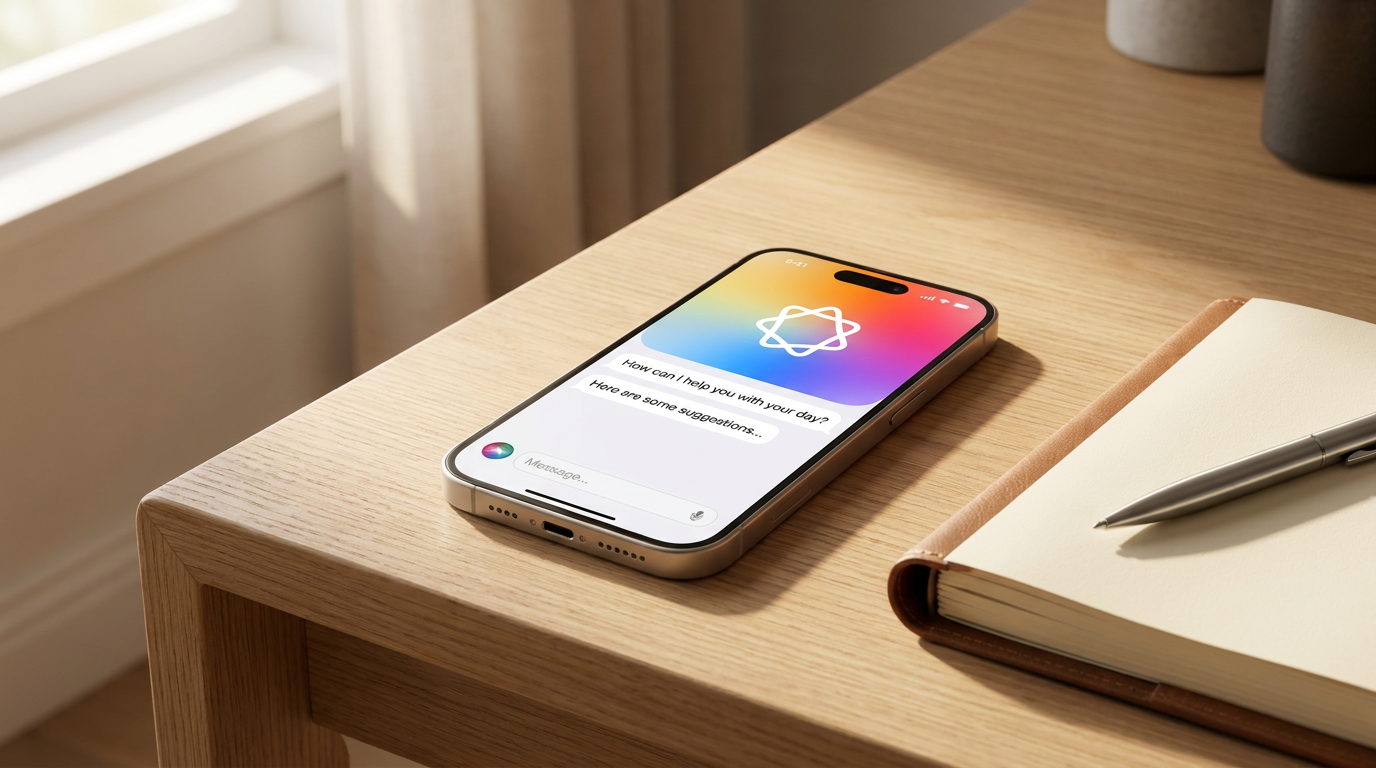
The centerpiece of the update is a completely rebuilt Siri. After years of incremental updates, the voice assistant has been overhauled through a partnership with Google, utilizing custom Gemini models to handle complex, multi-step reasoning. Siri now exists as both a system-wide overlay and a dedicated app, maintaining a persistent conversational history that syncs across a user's Apple devices via iCloud.[3][4]
This enhanced reasoning extends into the physical world through Visual Intelligence, which expands beyond the iPhone to the iPad, Mac, and Vision Pro in this release. The feature allows users to point their camera at a restaurant receipt, prompting Siri to identify individual menu items, calculate splits, and instantly request money from friends via Apple Pay Cash.[2][3]

Visual Intelligence also acts as a bridge between the physical environment and digital productivity. Scanning a concert poster allows the system to parse the lineup and automatically draft calendar events for specific performances. On the Mac, a new keyboard shortcut lets users select anything on their screen and instantly query Siri about the contents, bringing contextual awareness to desktop workflows.[2][5]
Apple's utility apps are receiving some of the most aggressive AI integrations, fundamentally changing how users browse the web. Safari now features intelligent tab grouping and a "Notify Me" function that actively monitors specific webpages, alerting users when a tracked item comes back in stock or a price drops. Users can also describe the functionality they want, and Safari will use AI to generate a custom browser extension on the fly.[2][5]
Apple's utility apps are receiving some of the most aggressive AI integrations, fundamentally changing how users browse the web.
Security and account management are also being automated. The updated Passwords app can now autonomously navigate to a website, log into an account with a compromised or weak password, and generate and save a new secure credential entirely in the background. This removes the friction that typically prevents users from maintaining good digital hygiene.[2][5]

The native Phone and Photos apps are being quietly transformed to anticipate user needs. A new "Call Context" feature in the Phone app automatically surfaces relevant emails, messages, or documents when dialing a specific contact—such as pulling up a flight confirmation code the moment a user calls an airline. This operates entirely on-device, based on the contact being dialed rather than voice transcription.[5]
Meanwhile, visual media management is getting a generative boost. The Photos app gains powerful editing tools, including "Clean Up," "Expand," and "Reframe," allowing users to seamlessly alter the composition of their images without third-party software. System-wide Writing Tools have also been upgraded, allowing Siri to match a user's specific tone when drafting emails or messages across any application.[2][3]
For developers, iOS 27 represents a fundamental shift in how apps interact with the operating system. Apple has officially deprecated older SiriKit frameworks, making the new "App Intents" system the mandatory bridge for third-party integration. This allows Siri to understand the specific content and capabilities within any updated app, enabling users to execute complex commands without manually navigating menus.[4][6]
Under the hood, iOS 27 is being described by developers as a refinement-focused release, prioritizing stability alongside the new AI features. Apps built with Apple's native frameworks will see up to a 30 percent improvement in launch speeds automatically, with no code changes required from developers.[4][5]

Despite the heavy reliance on AI, Apple is maintaining its strict privacy posture. The majority of these features run entirely on-device, processing at roughly 30 tokens per second at zero cost to the developer. When a request requires more processing power, it is routed to Apple's Private Cloud Compute servers, which process the data without storing it.[6][7]
To prove this, Apple is publishing every production software image for independent security inspection, ensuring the privacy claims are mathematically verifiable rather than just corporate promises. By embedding AI into the background of Safari, Passwords, and the Phone app, Apple is betting that the future of artificial intelligence isn't a chatbot you talk to, but an ambient assistant that anticipates what you need before you ask.[1][7]
How we got here
June 2024
Apple first announces Apple Intelligence and its partnership with OpenAI at WWDC 2024.
September 2024
iOS 18 launches with the first wave of basic Apple Intelligence features, including Clean Up in Photos.
June 2026
Apple unveils iOS 27 at WWDC, featuring a rebuilt Siri powered by Google Gemini and deep app integrations.
September 2026
iOS 27 is scheduled for public release alongside the new iPhone lineup.
Viewpoints in depth
Everyday Users
Focuses on the practical utility and time-saving automation of the new features.
For general consumers, the appeal of iOS 27 lies in its invisible automation. Rather than treating AI as a separate destination or a chatbot to consult, users benefit from ambient assistance that removes friction from daily tasks. Features like automatic password updates, bill splitting via the camera, and contextual call information represent a shift from generative novelty to tangible time-saving tools.
Privacy Advocates
Focuses on Apple's on-device processing and the verifiable security of Private Cloud Compute.
Security researchers and privacy advocates are closely watching Apple's implementation of Private Cloud Compute. By publishing production software images for independent inspection, Apple is attempting to set a new industry standard for cloud AI privacy. This verifiable architecture addresses long-standing concerns about personal data being harvested to train large language models.
App Developers
Focuses on the shift to App Intents and system-wide integration.
For the developer community, iOS 27 is a forcing function. The deprecation of older SiriKit frameworks means developers must adopt the new App Intents system to remain relevant in an AI-first operating system. However, the promise of system-wide integration and automatic performance improvements makes the transition highly incentivized, ensuring third-party apps feel like native extensions of Siri.
What we don't know
- How seamlessly the automatic password updating feature will work across older or poorly designed websites.
- The exact battery life impact of running persistent, on-device AI models at 30 tokens per second.
Key terms
- Apple Intelligence
- Apple's suite of artificial intelligence features integrated directly into iOS, iPadOS, and macOS.
- App Intents
- A developer framework that allows third-party apps to expose their content and capabilities to Siri and system-wide search.
- Private Cloud Compute
- Apple's secure server infrastructure designed to process complex AI requests without storing user data or tying it to an Apple ID.
- Visual Intelligence
- A camera-based feature that allows the iPhone to analyze real-world objects, text, and scenes to provide context or take action.
- Tokens per second
- A metric used to measure the speed at which an AI model generates text or processes information.
Frequently asked
Will these AI features work on older iPhones?
Most on-device Apple Intelligence features require an iPhone 15 Pro, iPhone 16, or newer models due to processing requirements.
How does the new Passwords feature work?
The Passwords app uses AI to automatically navigate to websites, log in, and change compromised passwords in the background without manual user intervention.
Is Siri still using its own technology?
Siri has been completely rebuilt and is now powered by a custom Google Gemini model, allowing for much deeper contextual understanding and multi-step reasoning.
Are my photos and emails sent to the cloud for AI processing?
Most tasks are processed directly on your device. If a complex request requires the cloud, it is sent to Apple's Private Cloud Compute, which processes the data without storing it.
Sources
Source coverage
7 outlets
3 viewpoints surfaced







[1]TechCrunchEveryday Users
Beyond Siri: Here are the practical AI features coming to your iPhone in iOS 27
Read on TechCrunch →[2]BGREveryday Users
All Apple Intelligence Features Coming In iOS 27
Read on BGR →[3]Apple NewsroomApp Developers
Apple introduces Siri AI and new Apple Intelligence features in iOS 27
Read on Apple Newsroom →[4]LushbinaryApp Developers
WWDC 2026: Siri Rebuilt on Google Gemini and iOS 27
Read on Lushbinary →[5]TechCabalEveryday Users
Here are all the Apple Intelligence features coming to iOS 27
Read on TechCabal →[6]FramesixtyApp Developers
Adding Apple Intelligence to your iOS 27 app
Read on Framesixty →[7]Telus DigitalPrivacy Advocates
What iOS 27 means for ambient AI and privacy
Read on Telus Digital →
Every angle. Every day.
Get technology stories with full source coverage and perspective breakdowns delivered to your inbox.