
A Routine Shingles Vaccine Is Emerging as a Powerful Defense Against Dementia
Multiple massive observational studies reveal that the recombinant shingles vaccine is associated with a significantly lower risk of developing dementia, offering a new avenue for cognitive protection.
By Factlen Editorial Team

- Epidemiologists
- Focusing on the strength of the observational data and the need for clinical trials.
- Immunologists
- Investigating the biological mechanisms that connect viral suppression to brain health.
- Public Health Advocates
- Prioritizing immediate vaccination uptake to protect vulnerable aging populations.
What's not represented
- · Neurologists treating advanced dementia
- · Health insurance providers evaluating coverage mandates
Why this matters
Dementia is one of the most devastating and costly health crises of the 21st century, with no known cure. The discovery that a routine, widely available vaccine could significantly lower your risk of cognitive decline offers immediate, actionable hope for millions of aging adults and their families.
Key points
- A major 2026 study found the recombinant shingles vaccine lowers dementia risk by 24% over four years.
- The protective effect was observed in a highly vulnerable population of 500,000 nursing home residents.
- Previous studies have shown the newer Shingrix vaccine offers significantly more cognitive protection than older formulations.
- Scientists believe the vaccine either prevents viral neuroinflammation or boosts the brain's immune defenses via an adjuvant.
- Researchers are calling for randomized clinical trials to definitively prove the vaccine directly causes the risk reduction.
Dementia affects more than 55 million people worldwide, a number projected to triple by 2050. For decades, the medical community has poured billions of dollars into experimental drugs targeting the amyloid plaques and tau tangles associated with Alzheimer's disease, yielding only modest breakthroughs. But as researchers cast a wider net for preventative measures, one of the most promising defenses against cognitive decline is emerging not from a cutting-edge neurology lab, but from the routine immunization schedule.[8]
A growing mountain of evidence suggests that the recombinant shingles vaccine—a common shot given to older adults to prevent a painful skin rash—may profoundly protect the brain. Multiple massive, population-level studies have now linked the vaccine to a significantly lower risk of developing dementia, offering a beacon of hope for an aging global population.[1][8]
The latest and perhaps most compelling data arrived in June 2026, published in the Annals of Internal Medicine. Researchers from the Brown University School of Public Health conducted a target trial emulation—a sophisticated observational study designed to mimic a randomized clinical trial—focusing on one of the most vulnerable populations: older adults in skilled nursing facilities.[2]
The research team analyzed the Medicare and electronic health records of more than 500,000 patients aged 66 and older who had been admitted for short- or long-term care. They compared individuals who received at least one dose of the recombinant zoster vaccine (RZV), marketed as Shingrix, within a year of admission against those who remained unvaccinated.[2][7]

The results were striking. Over a four-year follow-up period, the patients who received the shingles vaccine had a 24 percent lower relative risk of being diagnosed with dementia compared to their unvaccinated peers. In absolute terms, 18.8 percent of vaccinated adults developed dementia, compared to 24.6 percent of those without the shot.[2][7]
"This translates to about one in 17 dementia cases potentially being prevented through vaccination," noted Dr. Kaley Hayes, the study's lead author and an assistant professor at Brown University. The protective effect was robust, though researchers noted it appeared slightly stronger in women than in men—a pattern that has emerged in previous research.[2][7]
This new finding does not exist in a vacuum; it is the latest pillar in a rapidly strengthening scientific consensus. In July 2024, a landmark study published in Nature Medicine by researchers at the University of Oxford analyzed health records to compare the newer recombinant vaccine (Shingrix) against the older, live-attenuated vaccine (Zostavax), which has largely been phased out.[3]
The Oxford team found that Shingrix was associated with a 17 percent lower risk of dementia than Zostavax, translating to an average of 164 additional days lived without a cognitive decline diagnosis. Because both groups received a shingles vaccine, this study helped isolate the specific benefits of the newer formulation.[3]
Because both groups received a shingles vaccine, this study helped isolate the specific benefits of the newer formulation.
In 2025, the evidence base expanded further. A study led by Stanford Medicine and published in Nature analyzed a unique public health rollout in Wales. They discovered that older adults who received the shingles vaccine were 20 percent less likely to develop dementia over the next seven years. Remarkably, a follow-up analysis suggested the vaccine might even slow the progression of the disease in those who had already been diagnosed with mild cognitive impairment.[4]
As the epidemiological evidence solidifies, immunologists and neurologists are racing to understand the biological mechanism behind this phenomenon. How does a vaccine designed to prevent a blistering skin rash protect the intricate neural networks of the brain? Currently, the scientific community is divided between two primary hypotheses.[8]

The first is the "Viral Hypothesis." Shingles is caused by the varicella-zoster virus, the same pathogen responsible for childhood chickenpox. After the initial infection clears, the virus lies dormant in the nervous system for decades. When it reactivates in older age, it causes shingles.[3][7]
Researchers suspect that this viral reactivation does more than cause a localized rash; it may trigger systemic neuroinflammation and damage cerebral blood vessels. "When you think of a shingles case, there may be higher risks of strokes," Dr. Hayes explained. By preventing the virus from waking up, the vaccine may be shielding the brain from microscopic vascular damage and inflammatory cascades that accelerate dementia.[7]
The second theory is the "Adjuvant Hypothesis." The newer Shingrix vaccine contains an ingredient called AS01, an adjuvant designed to provoke a highly robust immune response. Some scientists believe this adjuvant itself may possess broad neuroprotective properties, essentially training the innate immune system to clear away toxic proteins in the brain.[5]
Support for this theory emerged in a 2025 study published in NPJ Vaccines, which found that older adults who received the new respiratory syncytial virus (RSV) vaccine—which utilizes the exact same AS01 adjuvant as Shingrix—also experienced a significantly reduced risk of dementia. The fact that two vaccines targeting entirely different viruses yielded similar cognitive benefits points heavily toward the adjuvant as the active neuroprotective agent.[5]

Despite the overwhelming positivity of these findings, researchers are careful to highlight a major statistical caveat known as "healthy vaccinee bias." In observational studies, individuals who proactively seek out vaccinations often engage in other health-promoting behaviors—such as exercising regularly, eating well, and managing their blood pressure—which independently lower their risk of dementia.[2][4]
To account for this, epidemiologists use sophisticated controls. For instance, the Stanford study compared shingles vaccine recipients against those who received the pneumococcal vaccine, ensuring both groups demonstrated a baseline willingness to be vaccinated. Even after these rigorous adjustments, the protective signal of the shingles vaccine remained massive and statistically significant.[4]
The immediate clinical implication of these findings is a renewed urgency to increase vaccination rates. Uptake of the recombinant shingles vaccine remains stubbornly low, even among highly vulnerable populations like those in skilled nursing facilities who stand to benefit the most from both its antiviral and potential cognitive protections.[2]
While the observational data is now overwhelmingly consistent, the gold standard of medical evidence—a large-scale, randomized controlled trial—is still required to definitively prove causality. Until those trials are completed, the medical community is left with a highly encouraging reality: a widely available, safe, and routine vaccine appears to be one of the most effective tools we have yet discovered in the fight against dementia.[7][8]
How we got here
2017
The FDA approves Shingrix, a highly effective recombinant shingles vaccine, which begins replacing the older Zostavax.
July 2024
An Oxford study in Nature Medicine reveals Shingrix is associated with a 17% lower risk of dementia compared to the older vaccine.
April 2025
Stanford researchers find a 20% reduction in dementia risk among vaccinated older adults in Wales.
June 2026
A massive study of U.S. nursing home residents confirms a 24% lower dementia risk over four years following vaccination.
Viewpoints in depth
Epidemiologists
Focusing on the strength of the observational data and the need for clinical trials.
Epidemiologists point out that while the observational data across millions of patient records is remarkably consistent, it cannot definitively prove causality. They emphasize the persistent challenge of the 'healthy vaccinee bias'—the reality that people who get vaccinated tend to have better overall health habits. Consequently, this camp is urgently calling for large-scale, randomized controlled trials to finally confirm whether the vaccine directly prevents cognitive decline or is simply a marker of a healthier lifestyle.
Immunologists
Investigating the biological mechanisms that connect viral suppression to brain health.
For immunologists and neurologists, the focus is on the 'how.' This camp is divided between two fascinating biological pathways. Some argue that the varicella-zoster virus causes microscopic strokes and neuroinflammation when it reactivates, meaning the vaccine protects the brain simply by keeping the virus dormant. Others are increasingly focused on the AS01 adjuvant used in the vaccine, theorizing that this immune-boosting chemical might train the innate immune system to clear away the toxic proteins associated with Alzheimer's disease.
Public Health Advocates
Prioritizing immediate vaccination uptake to protect vulnerable aging populations.
Public health officials view the dementia findings as a massive secondary benefit to an already essential vaccine. Their primary concern is the stubbornly low uptake of the Shingrix vaccine, particularly among older adults in nursing homes who are at the highest risk for both severe shingles outbreaks and cognitive decline. For this camp, the exact mechanism matters less than the immediate, dual-protection benefit, and they are using the dementia data as a powerful new incentive to encourage widespread immunization.
What we don't know
- Whether the vaccine directly causes the reduction in dementia risk, or if vaccinated individuals simply have healthier lifestyles overall.
- The exact biological mechanism—whether it's the suppression of the shingles virus or the immune-boosting adjuvant that protects the brain.
- How long the neuroprotective effects of the vaccine last beyond the seven-year follow-up periods studied so far.
Key terms
- Recombinant Zoster Vaccine (RZV)
- The modern shingles vaccine (marketed as Shingrix) that uses a piece of the virus combined with an immune-boosting adjuvant.
- Varicella-Zoster Virus (VZV)
- The virus that causes chickenpox in childhood and can reactivate decades later to cause shingles.
- Adjuvant (AS01)
- An ingredient added to some vaccines to create a stronger, longer-lasting immune response.
- Healthy Vaccinee Bias
- A statistical challenge where people who choose to get vaccinated also tend to have healthier lifestyles overall, making it harder to isolate the vaccine's specific effect.
- Neuroinflammation
- Inflammation of the nervous tissue in the brain or spinal cord, increasingly linked to cognitive decline.
Frequently asked
Does the shingles vaccine prevent Alzheimer's disease?
Observational studies show a significant reduction in the risk of developing dementia, including Alzheimer's, but clinical trials are still needed to definitively prove the vaccine is the direct cause.
Which shingles vaccine was studied?
The most significant protective effects have been linked to the recombinant zoster vaccine (RZV), commonly known as Shingrix, which replaced the older live-attenuated vaccine (Zostavax).
How could a vaccine for a rash protect the brain?
Scientists believe it either prevents the shingles virus from causing microscopic strokes and brain inflammation, or the vaccine's immune-boosting ingredient (an adjuvant) provides a general protective effect for the nervous system.
If I already had shingles, does the vaccine still help?
Yes. The CDC recommends the vaccine even for those who have had shingles, and research suggests preventing future reactivations of the virus remains crucial for protecting brain health.
Sources
Source coverage
8 outlets
3 viewpoints surfaced







[1]STAT NewsPublic Health Advocates
Shingles vaccine may lower dementia risk, new study finds
Read on STAT News →[2]Annals of Internal MedicineEpidemiologists
Dementia risk after recombinant herpes zoster vaccination in older adults with a recent skilled-nursing facility stay: a target trial emulation
Read on Annals of Internal Medicine →[3]Nature MedicineImmunologists
The recombinant shingles vaccine is associated with lower risk of dementia
Read on Nature Medicine →[4]Stanford MedicineEpidemiologists
Shingles vaccine may reduce dementia risk by 20%, study finds
Read on Stanford Medicine →AS01-adjuvanted vaccines and the risk of dementia
Read on NPJ Vaccines →[6]MedPage TodayPublic Health Advocates
Study Looks at Risk for Dementia After Shingles Vaccine in High-Risk Group
Read on MedPage Today →[7]CIDRAP / UMNPublic Health Advocates
Shingles vaccine may protect against dementia
Read on CIDRAP / UMN →[8]Factlen Editorial TeamPublic Health Advocates
Synthesis by Factlen editorial team
Read on Factlen Editorial Team →

More in health
See all 6 stories →Dementia Prevention
Shingles Vaccine Linked to 24% Lower Dementia Risk in Major New Study
8 sources

Dementia Research
Shingles Vaccine Linked to 24% Lower Dementia Risk in Major New Study
8 sources
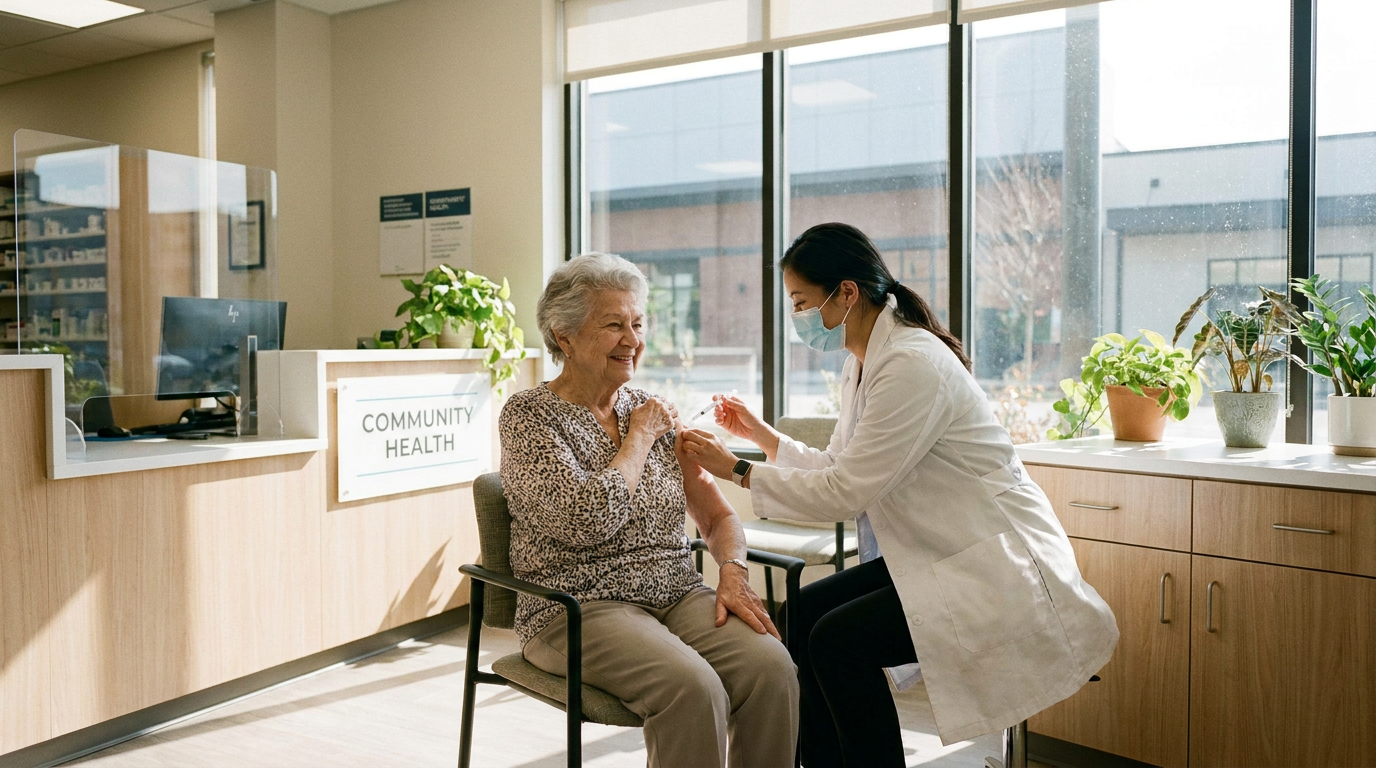
Vaccine Tech
FDA Advisory Panel Unanimously Recommends First mRNA Flu Vaccine
7 sources
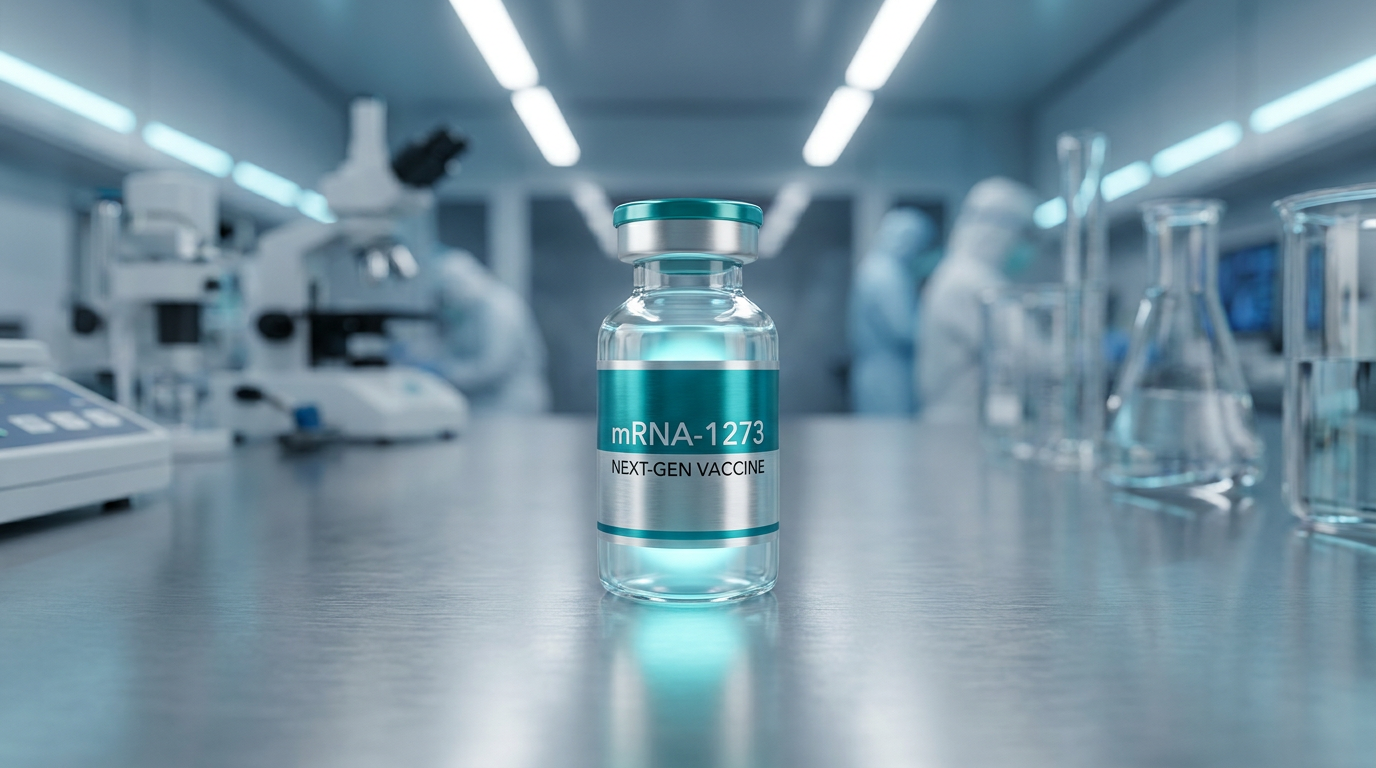
Nutritional Psychiatry
How the Gut-Brain Axis is Reshaping Mental Health Treatment
7 sources

Every angle. Every day.
Get health stories with full source coverage and perspective breakdowns delivered to your inbox.