
US-Iran Peace Talks in Switzerland Postponed Amid Renewed Fighting in Lebanon
Planned negotiations between the US and Iran have been delayed after Vice President JD Vance canceled his trip to Switzerland, as escalating clashes between Israel and Hezbollah threaten a fragile new ceasefire agreement.
By Factlen Editorial Team
- US Administration
- Maintains that the delay is a logistical hurdle and remains focused on initiating technical talks to finalize the peace deal.
- Iranian Government
- Insists that a complete Israeli withdrawal from Lebanon is a non-negotiable red line for the survival of the broader agreement.
- Israeli Government
- Argues it is not bound by the US-Iran pact and will maintain its military operations in Lebanon to secure its northern border.
- Energy Markets
- Reacting to the volatility, balancing the relief of an open Strait of Hormuz against the risk of the peace deal collapsing.
What's not represented
- · Lebanese Civilians
- · European Union Diplomats
Why this matters
The delay threatens to unravel a newly signed memorandum of understanding meant to end months of regional conflict, directly impacting global energy markets as oil prices climb back above $80 a barrel.
Key points
- Switzerland postponed planned US-Iran talks after Vice President JD Vance canceled his trip.
- The delay stems from ongoing clashes between Israel and Hezbollah in southern Lebanon.
- Iran warns that Israel's continued military presence in Lebanon violates the US-Iran interim peace deal.
- Israel maintains it is not bound by the agreement and will not withdraw its forces.
- Brent crude oil prices rebounded above $80 a barrel amid the renewed geopolitical uncertainty.
- Despite the delay, commercial shipping has resumed in the Strait of Hormuz.
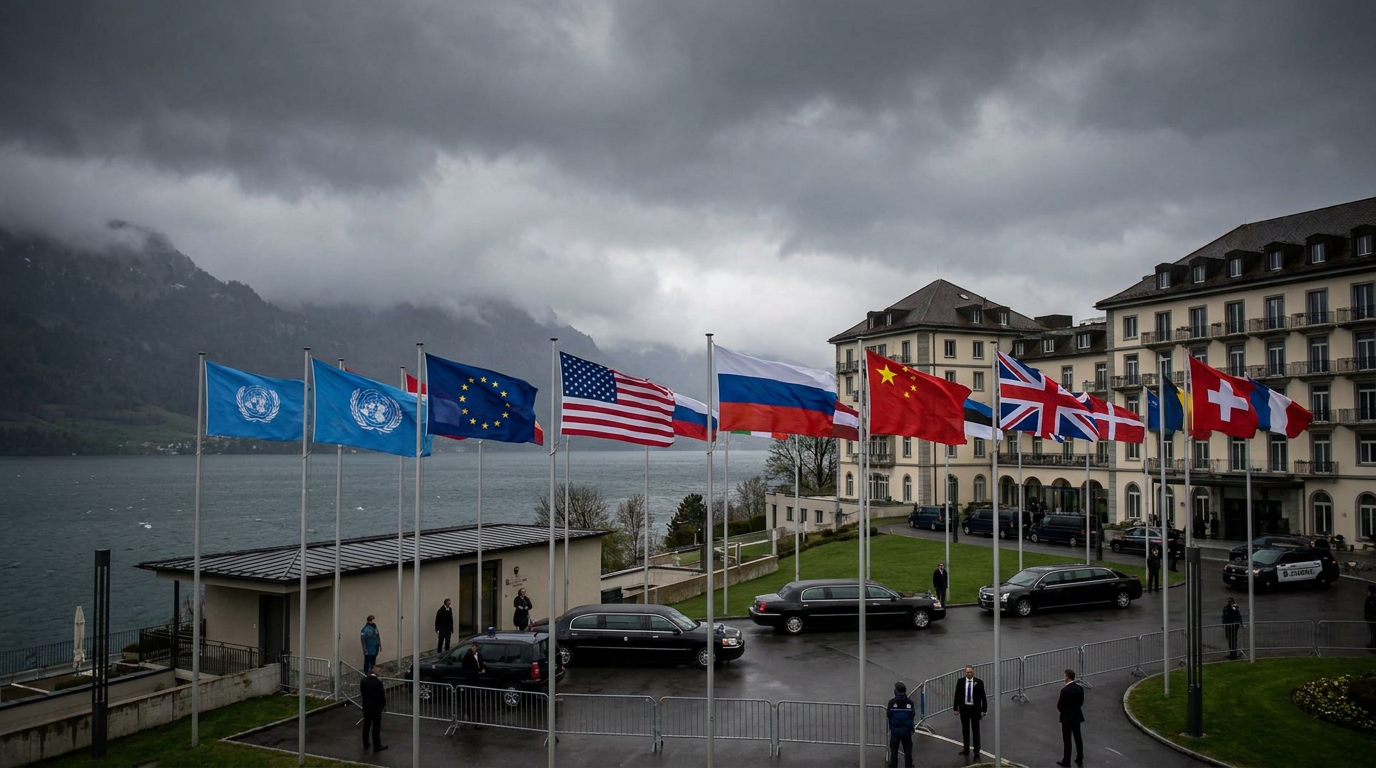
Switzerland has postponed planned follow-up talks between the United States and Iran, throwing a newly signed peace agreement into uncertainty as violence flares again in Lebanon.[1][2]
The delay was confirmed by the Swiss foreign ministry on Friday after the White House announced that Vice President JD Vance, the lead US negotiator for the Trump administration, had canceled his departure for the Alpine country.[1][6]
The talks at the Bürgenstock resort were intended to kick off a 60-day negotiation window to finalize a memorandum of understanding (MOU) signed earlier this week by US President Donald Trump and Iranian President Masoud Pezeshkian. The interim deal was designed to end months of direct conflict, reopen the Strait of Hormuz, and establish a framework to discuss Tehran's nuclear program.[1][7]

However, the core friction point derailing the summit is the ongoing war in Lebanon. The US-Iran pact explicitly calls for an immediate halt to military operations on all fronts, including a complete ceasefire between Israel and the Iran-backed militant group Hezbollah, as well as the preservation of Lebanon's territorial integrity.[3][4]
Israel, which is not a signatory to the US-Iran agreement, has stated it is not bound by the terms and refuses to withdraw from its security buffer in southern Lebanon. Israeli forces launched a new wave of airstrikes on the southern Lebanese city of Nabatieh on Thursday and Friday, killing at least 18 people, while Hezbollah rocket fire killed four Israeli soldiers.[2][3][4]
Israel, which is not a signatory to the US-Iran agreement, has stated it is not bound by the terms and refuses to withdraw from its security buffer in southern Lebanon.
Iranian officials have drawn a hard line in response to the continued fighting. Tehran warned that any ongoing Israeli military presence in southern Lebanon constitutes a direct violation of the MOU and could render the entire agreement void, prompting them to hold back their delegation from the Swiss summit.[2][4]
US officials downplayed the diplomatic rupture. A White House spokesperson attributed Vance's canceled trip to the unpredictable "logistics of these negotiations" rather than a collapse of the deal, expressing hope that technical talks would begin as soon as possible.[1][6]
The diplomatic whiplash immediately jolted global energy markets. Brent crude prices, which had dropped to multi-month lows following the initial peace deal, rebounded above $80 a barrel on Friday as traders priced in renewed geopolitical risk and the potential for further supply disruptions.[5][7]

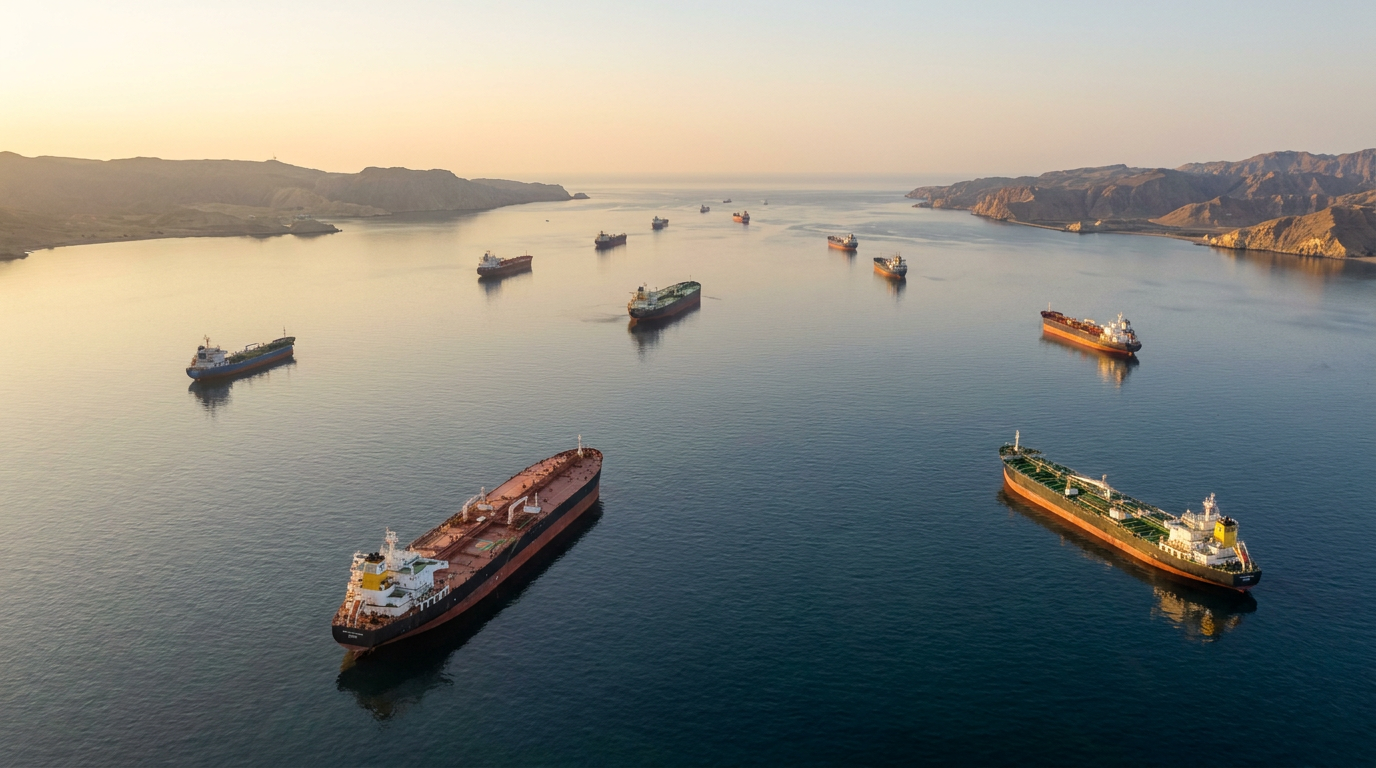
Despite the delayed talks, some elements of the interim agreement appear to be holding. The US Central Command lifted its blockade on Iranian ports, and commercial oil tankers have resumed transit through the Strait of Hormuz—a critical waterway that handles roughly a fifth of global oil supply.[2][7]
The coming days will test whether the Trump administration can pressure its Israeli allies to halt operations in Lebanon, or if the broader US-Iran negotiation—which aims to permanently address Tehran's nuclear program and establish a $300 billion reconstruction fund—will collapse before it officially begins.[3][7]

How we got here
February 2026
A regional conflict erupts following joint US-Israeli strikes on Iran.
Early June 2026
The US and Iran sign a memorandum of understanding to end the war and reopen the Strait of Hormuz.
June 18, 2026
Commercial oil tankers resume transit through the Strait of Hormuz as the US lifts its naval blockade.
June 18, 2026
Israel and Hezbollah exchange heavy fire in southern Lebanon, testing the parameters of the US-Iran ceasefire.
June 19, 2026
Switzerland announces the postponement of follow-up talks after the US delegation cancels its trip.
Viewpoints in depth
The US Administration's View
Washington views the delay as a temporary logistical hurdle rather than a collapse of the peace framework.
The Trump administration is attempting to compartmentalize the ongoing violence in Lebanon from the broader US-Iran diplomatic track. By attributing Vice President JD Vance's canceled trip to the "logistics of these negotiations," the White House is signaling that it still expects the 60-day negotiation window to proceed. US officials are focused on the immediate wins of the interim deal—namely, the reopening of the Strait of Hormuz and the resumption of global oil flows—while hoping to initiate technical talks on Iran's nuclear program in the near future.
The Iranian Government's View
Tehran insists that the agreement is a package deal, and the Lebanon ceasefire is a non-negotiable red line.
For Iran, the memorandum of understanding is contingent on a complete cessation of hostilities across all regional fronts. Iranian officials have explicitly warned that Israel's refusal to withdraw from southern Lebanon and its continued airstrikes against Hezbollah constitute a direct violation of the pact. By delaying their delegation's trip to Switzerland, Tehran is applying pressure on Washington to rein in its Israeli allies, signaling that they will not proceed with broader nuclear or economic negotiations while their regional proxies remain under fire.
The Israeli Government's View
Israel asserts its independence from the US-Iran pact and prioritizes its immediate border security.
Israel was not a party to the US-Iran negotiations and has made it clear that it does not consider itself bound by the resulting memorandum of understanding. Israeli officials argue that withdrawing from southern Lebanon would leave their northern communities vulnerable to Hezbollah attacks. Consequently, the Israeli military has maintained its security buffer and continued to launch airstrikes against Hezbollah targets, prioritizing the dismantling of the militant group's infrastructure over the diplomatic timeline established by Washington and Tehran.
What we don't know
- Whether the Trump administration will apply direct pressure on Israel to halt its operations in Lebanon to save the Iran deal.
- When or if the postponed technical talks in Switzerland will be rescheduled.
- How long the Strait of Hormuz will remain open if the broader diplomatic framework collapses.
Key terms
- Memorandum of Understanding (MOU)
- A formal agreement between two or more parties that establishes a framework for future negotiations, though it is often not legally binding.
- Strait of Hormuz
- A narrow, strategically vital waterway between the Persian Gulf and the Gulf of Oman, through which roughly 20% of the world's global oil supply passes.
- Brent Crude
- A major trading classification of sweet light crude oil that serves as a benchmark price for purchases of oil worldwide.
Frequently asked
Why were the US-Iran talks in Switzerland postponed?
The talks were delayed due to ongoing fighting between Israel and Hezbollah in Lebanon. Iran considers Israel's continued military presence a violation of the newly signed US-Iran ceasefire agreement.
What is in the US-Iran memorandum of understanding?
The interim deal includes a 60-day negotiation period for a permanent treaty, the reopening of the Strait of Hormuz, the lifting of a US blockade on Iranian ports, and a proposed $300 billion reconstruction fund for Iran.
How is Israel reacting to the US-Iran deal?
Israel is not a party to the agreement and has stated it is not bound by its terms. Israeli forces have continued military operations in southern Lebanon to target Hezbollah.
How have oil prices been affected?
Oil prices initially dropped to multi-month lows when the peace deal was announced, but Brent crude rebounded above $80 a barrel after the Swiss talks were canceled.
Sources
Source coverage
7 outlets
4 viewpoints surfaced







[1]CBS NewsUS Administration
Switzerland says U.S.-Iran talks postponed
Read on CBS News →[2]Al JazeeraIranian Government
US-Iran talks postponed as Israel attacks Lebanon
Read on Al Jazeera →[3]The Guardian
Middle East crisis live: Israel strikes targets in Lebanon as US-Iran talks in Switzerland called off
Read on The Guardian →[4]The Times of IsraelIsraeli Government
Israel and Iran harden stances on Lebanon pullout, risking Trump's deal
Read on The Times of Israel →[5]Anadolu AgencyEnergy Markets
Oil prices rise above $80 again over canceled US-Iran talks, Israeli attacks on Lebanon
Read on Anadolu Agency →[6]AxiosUS Administration
Vance cancels Iran talks visit to Switzerland, planned for Friday
Read on Axios →[7]BNN BloombergEnergy Markets
Oil tankers sailed through the Strait of Hormuz and the United States said it lifted its blockade on Iran
Read on BNN Bloomberg →

More in news politics
See all 5 stories →Election Reform
Evidence Pack: Do Nonpartisan Open Primaries Actually Reduce Political Polarization?
8 sources
US-Iran Deal
US and Iran Sign Preliminary Agreement to End Hostilities, Reopen Strait of Hormuz
7 sources
US-Iran Deal
US and Iran Sign Deal to End Four-Month Conflict: What the Agreement Covers and What Comes Next
8 sources
Every angle. Every day.
Get news politics stories with full source coverage and perspective breakdowns delivered to your inbox.