
US and Iranian Delegations Open High-Stakes Peace Talks in Switzerland
Vice President JD Vance has joined US envoys in Switzerland for critical negotiations with Iranian officials aimed at securing a durable end to the 114-day conflict.
By Factlen Editorial Team
- US Diplomatic Corps
- Seeking a definitive diplomatic victory to end a costly overseas conflict, stabilize global energy markets, and pivot foreign policy focus.
- Iranian & Regional Mediators
- Demanding security guarantees, an end to Israeli strikes on regional allies like Lebanon, and potential sanctions relief in exchange for military de-escalation.
- Israeli Security Establishment
- Deeply skeptical of any agreement that leaves Iran's regional proxy network intact, fearing the US may prioritize a quick exit over long-term Israeli security.
What's not represented
- · Lebanese civilian leadership
- · Global shipping industry executives
Why this matters
A finalized peace agreement would halt a 114-day war that has disrupted global energy markets, drawn in multiple Middle Eastern nations, and threatened to escalate into a broader regional conflict. The outcome of these talks will directly impact global oil prices, international shipping security, and US military deployments abroad.
Key points
- Vice President JD Vance has joined US envoys Jared Kushner and Steve Witkoff for direct peace talks with Iran in Switzerland.
- The summit aims to finalize a binding agreement to end the 114-day conflict that has destabilized the Middle East.
- Qatar and Pakistan are serving as the primary mediators for the high-stakes negotiations.
- Iran is demanding an end to Israeli military operations in Lebanon as a condition for a broader regional de-escalation.
- A successful deal is viewed as critical for stabilizing global energy markets and securing the Strait of Hormuz.
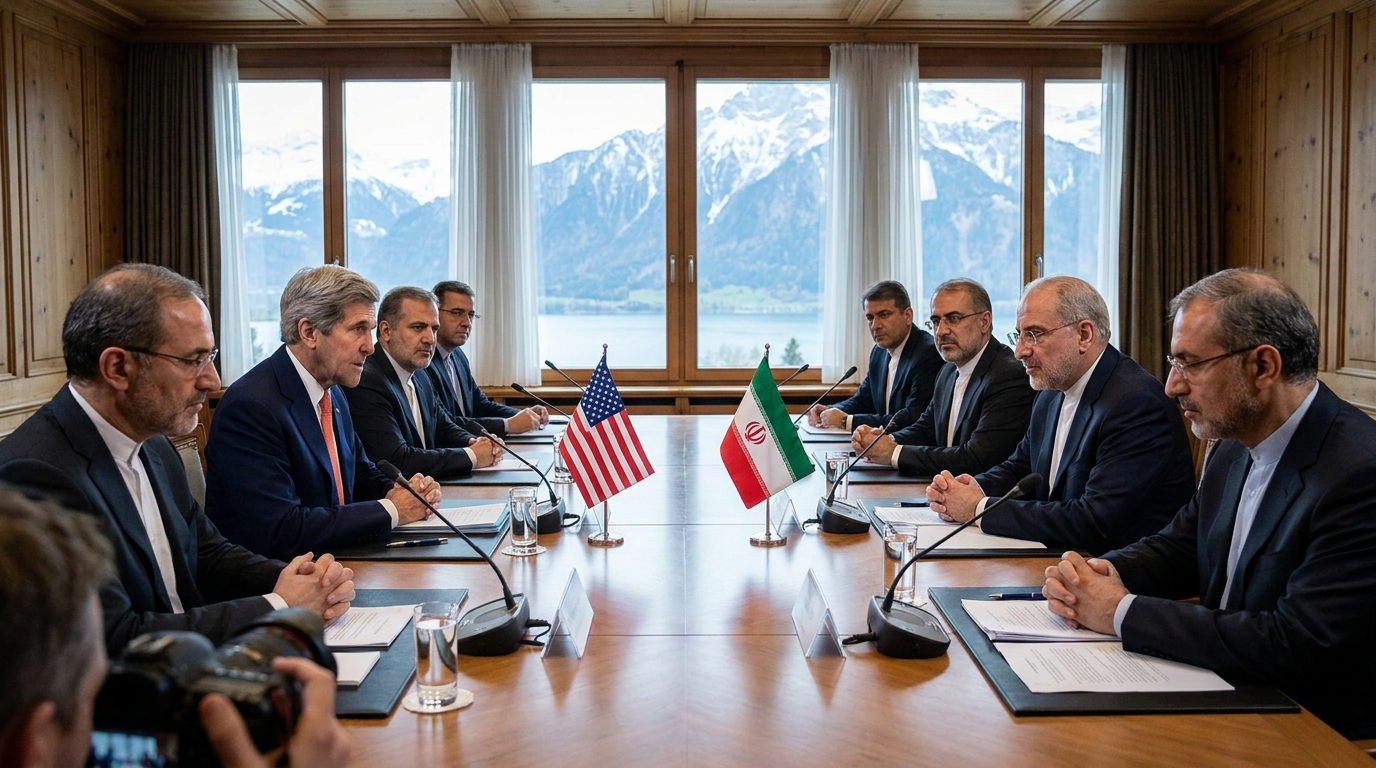
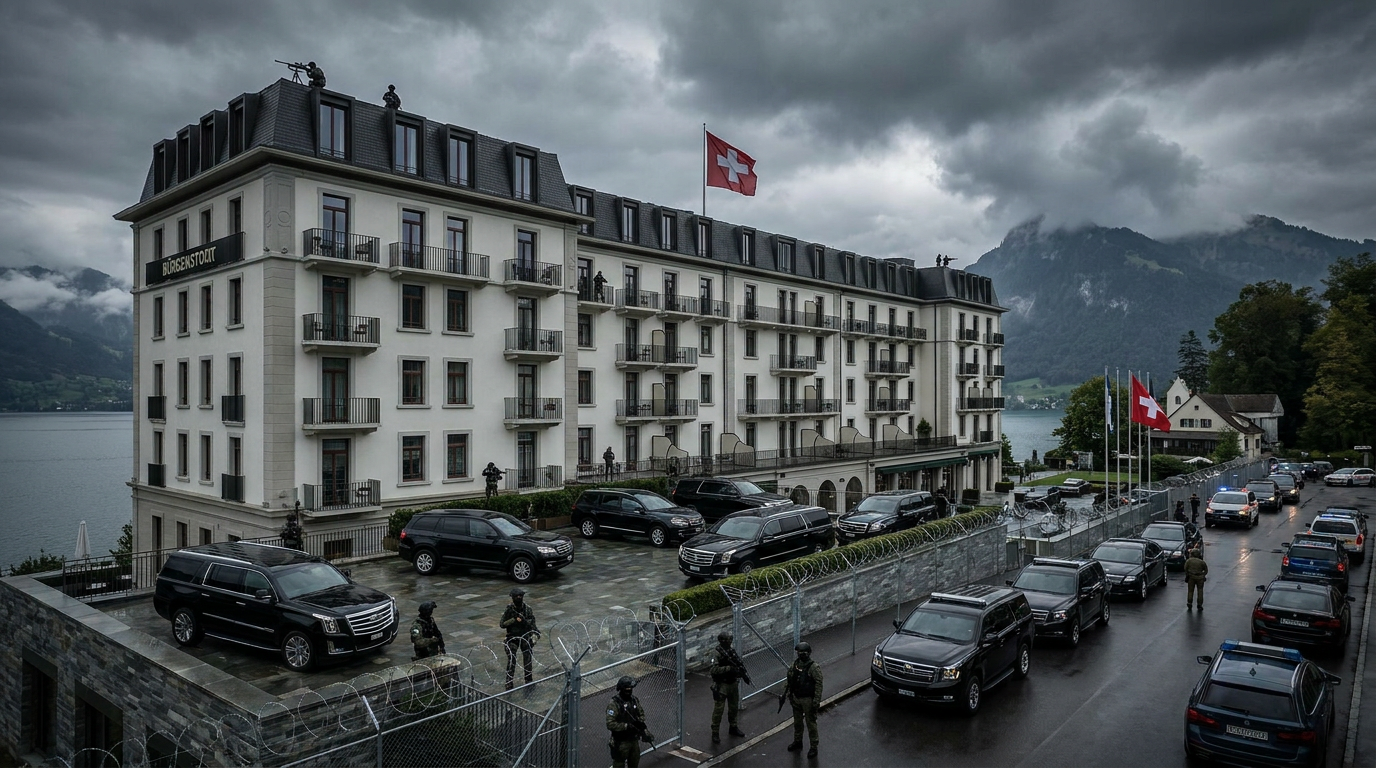
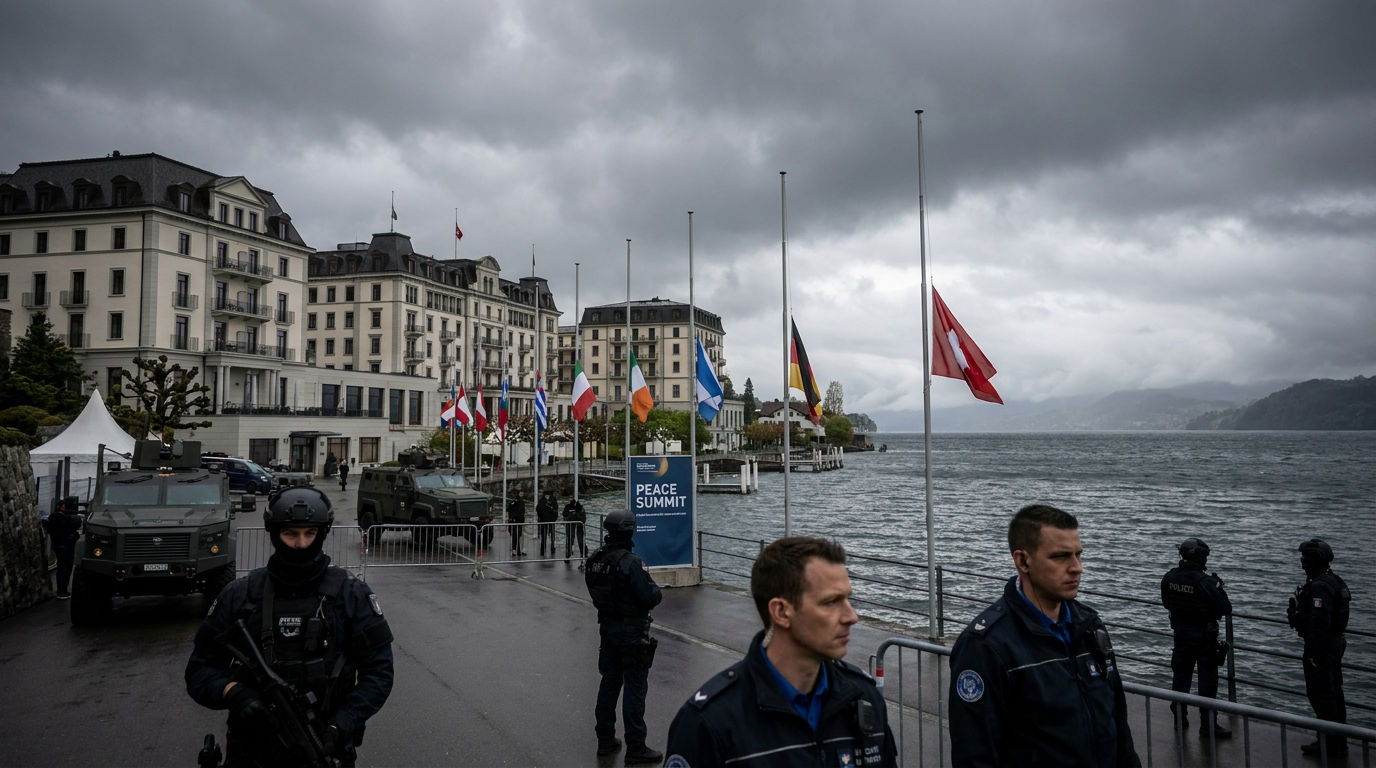
Vice President JD Vance arrived in Switzerland on Sunday morning, joining US envoys Jared Kushner and Steve Witkoff for a critical round of direct negotiations with Iranian officials. The high-stakes summit, held under tight security at the Bürgenstock resort, aims to finalize a durable peace agreement and definitively end the 114-day conflict that has violently destabilized the Middle East. The presence of the Vice President signals a major diplomatic push by the administration to close the deal, transitioning from preliminary back-channel discussions to formal, face-to-face negotiations aimed at cementing a lasting ceasefire.[1][2][3]
The talks represent a fragile "make-or-break" moment to reinforce a preliminary memorandum of understanding reached last week, which temporarily halted the most severe exchanges of fire. Mediated heavily by diplomatic teams from Qatar and Pakistan, the negotiations mark the highest-level direct engagement between Washington and Tehran since the outbreak of hostilities earlier this year. Both sides have expressed a desire to avoid further military escalation, but the path to a comprehensive treaty remains fraught with deep-seated mistrust and complex regional alliances that threaten to derail the progress made thus far.[3][5][6]
The specific composition of the United States delegation underscores the administration's urgency and preferred diplomatic approach. Vance's arrival elevates the political and diplomatic weight of the mission, demonstrating executive-level commitment to the peace process. Meanwhile, Kushner and Witkoff bring established, highly personal back-channel relationships across the Middle East, having previously navigated complex regional normalization agreements. Their collective mandate is to translate the preliminary halt in fighting into a binding, long-term security architecture that satisfies domestic political pressures while providing sufficient guarantees to prevent a resurgence of violence.[1][7]

On the other side of the table, Iranian officials enter the talks with a rigid focus on regional security guarantees, particularly concerning the ongoing volatility in Lebanon. Tehran has strongly condemned recent Israeli military operations in Lebanese territory, framing them as direct violations of the interim ceasefire framework agreed upon last week. Resolving the status of Lebanon, securing the borders, and addressing the broader network of regional proxies are expected to top the agenda, as Iranian negotiators demand concrete assurances that their regional allies will not face continued bombardment once a US-Iran deal is signed.[2][3]
The negotiations are being closely and anxiously monitored in Jerusalem, where the prospect of a US-brokered bilateral deal with Iran has generated significant political friction. Israeli Prime Minister Benjamin Netanyahu has faced intense domestic and international pressure over the trajectory and human cost of the war. Some political analysts and critics suggest that a finalized US-Iran agreement could leave his government politically isolated, effectively forcing Israel to curtail its military objectives without achieving the total dismantling of Iran's forward-operating proxy networks that Israeli hardliners have demanded.[4][8]

Israeli Prime Minister Benjamin Netanyahu has faced intense domestic and international pressure over the trajectory and human cost of the war.
Beyond the immediate geopolitical and military stakes, the global economy remains heavily tethered to the outcome of the summit in Switzerland. The 114-day conflict has created severe, cascading disruptions in the Strait of Hormuz, a critical maritime artery for global energy supplies. Renewed confusion over shipping security and insurance premiums in the strait has kept international oil markets on edge, driving up costs and threatening broader inflationary pressures. Consequently, a formalized peace deal is viewed not just as a diplomatic necessity, but as a top priority for global economic stability.[2][5]
The logistical and diplomatic framework of the Bürgenstock summit relies heavily on the continued mediation efforts of Qatar and Pakistan. Both nations have maintained open, reliable lines of communication with Tehran throughout the darkest days of the conflict, serving as vital conduits for the preliminary agreements that made Sunday's direct talks possible. Their ongoing presence at the summit provides necessary diplomatic buffering, allowing US and Iranian officials to navigate the most contentious points of the treaty without causing an immediate breakdown in direct communication.[3][6]
Over the coming days, specialized working groups will attempt to hammer out the granular, technical details of military disengagement, potential sanctions relief, and verifiable border security measures. If successful, the Bürgenstock summit could mark the definitive end of the immediate war and reshape the Middle Eastern security landscape for the foreseeable future. However, if the talks collapse over intractable demands regarding Lebanon or nuclear infrastructure, international officials warn of a rapid, potentially devastating return to regional escalation with even fewer diplomatic off-ramps available.[2][7]

How we got here
114 days ago
Hostilities break out, drawing the US, Israel, and Iran into direct conflict and disrupting global shipping.
Mid-June 2026
A preliminary memorandum of understanding is reached to temporarily halt the most severe exchanges of fire.
June 20, 2026
Iranian and US delegations arrive in Switzerland to begin formal, face-to-face peace talks.
June 21, 2026
US Vice President JD Vance arrives to lead the final diplomatic push for a binding agreement.
Viewpoints in depth
US Administration's View
Seeking a definitive diplomatic victory to end a costly overseas conflict and stabilize energy markets.
For the US administration, the Bürgenstock summit represents an opportunity to secure a major foreign policy victory by ending a volatile 114-day war. The presence of Vice President JD Vance alongside seasoned envoys Jared Kushner and Steve Witkoff signals a desire to quickly transition from military engagement to a stabilized regional security architecture. Washington is highly motivated to calm the global energy markets disrupted by the conflict in the Strait of Hormuz and pivot its strategic focus away from active Middle Eastern hostilities.
Iranian Government's View
Demanding security guarantees for regional allies and an end to Israeli strikes in Lebanon.
Tehran approaches the negotiations with a focus on securing its regional proxy network and obtaining relief from economic pressures. Iranian officials have made it clear that any lasting peace agreement must include concrete guarantees that Israel will halt its military operations in Lebanon, which Iran views as a violation of the preliminary ceasefire. For Iran, the talks are a mechanism to de-escalate direct conflict with the US while preserving its strategic depth and influence across the Middle East.
Israeli Leadership's View
Deeply skeptical of any agreement that leaves Iran's nuclear infrastructure or regional proxy network intact.
In Jerusalem, the US-Iran bilateral talks are viewed with profound caution. Prime Minister Benjamin Netanyahu and the Israeli security establishment fear that Washington may prioritize a rapid exit from the conflict over Israel's long-term security needs. Israeli hardliners argue that a ceasefire which fails to dismantle Iran's forward-operating proxy networks—particularly in Lebanon and Syria—merely delays future conflict, leaving Israel politically isolated and strategically vulnerable once US forces disengage.
What we don't know
- Whether Iran will accept a deal that does not explicitly bind Israel's future military actions in Lebanon.
- How the Israeli government will respond if the US and Iran finalize an agreement that Jerusalem opposes.
- The specific timeline for military disengagement and sanctions relief if a treaty is successfully drafted.
Key terms
- Strait of Hormuz
- A vital shipping chokepoint between the Persian Gulf and the Gulf of Oman, through which a significant portion of the world's oil supply passes.
- Memorandum of Understanding (MoU)
- A preliminary, non-binding agreement outlining the broad terms of a ceasefire before a formal, binding treaty is drafted.
Frequently asked
Why are the peace talks happening in Switzerland?
Switzerland historically acts as a neutral diplomatic ground for high-stakes international negotiations, providing a secure environment away from the conflict zones.
Who is mediating the negotiations?
Qatar and Pakistan are serving as the primary mediators, utilizing their diplomatic ties with Tehran to facilitate discussions with the US delegation.
How does this affect the conflict in Lebanon?
Lebanon is a top agenda item, as Iran has accused Israel of violating the preliminary ceasefire with ongoing strikes in Lebanese territory, demanding security guarantees for its regional allies.
Sources
Source coverage
8 outlets
3 viewpoints surfaced








[1]Fox NewsUS Diplomatic Corps
JD Vance arrives in Switzerland to join Kushner and Witkoff for new round of Iran negotiations
Read on Fox News →[2]The New York TimesIsraeli Security Establishment
U.S. and Iranian Officials to Meet for Peace Talks in Switzerland
Read on The New York Times →[3]Al JazeeraIranian & Regional Mediators
Iran war day 114: US, Iranian delegations in Switzerland for key talks
Read on Al Jazeera →[4]The GuardianIsraeli Security Establishment
Trump may survive the humiliation of the Iran deal. Netanyahu will not
Read on The Guardian →[5]ReutersUS Diplomatic Corps
US Vice President Vance joins Swiss talks to cement Iran ceasefire
Read on Reuters →[6]Associated PressIranian & Regional Mediators
High-stakes diplomacy in Switzerland as US, Iran seek end to 114-day conflict
Read on Associated Press →[7]CNNUS Diplomatic Corps
Vance, Kushner lead US delegation in 'make-or-break' Iran negotiations
Read on CNN →[8]The Times of IsraelIsraeli Security Establishment
Israel watches warily as US and Iran resume peace negotiations in Switzerland
Read on The Times of Israel →
More in news politics
See all 5 stories →Cognitive Immunity
The Evidence Behind 'Pre-Bunking': How Psychological Inoculation is Defeating Political Misinformation
8 sources

Iran Peace Talks
U.S. and Iranian Delegations Open High-Stakes Peace Talks in Switzerland
6 sources
Transit Strike
LIRR Unions Ratify Contract Securing 15% Raises, Officially Ending Historic Strike Threat
6 sources
Every angle. Every day.
Get news politics stories with full source coverage and perspective breakdowns delivered to your inbox.