
US and Iran Reach Preliminary Deal to End War and Reopen Strait of Hormuz
Mediated by Pakistan, the memorandum of understanding aims to end a 107-day conflict, lift the US naval blockade, and trigger 60 days of technical talks on Iran's nuclear program.
By Factlen Editorial Team
- US Administration
- Focuses on securing the Strait of Hormuz and claiming victory on nuclear containment.
- Iranian Leadership
- Prioritizes immediate economic relief and the lifting of the US naval blockade.
- Regional Mediators
- Focused on preventing a wider regional war and restoring trade.
- Israeli Security Establishment
- Views the ceasefire as a strategic mistake that leaves Iran's infrastructure intact.
What's not represented
- · Lebanese civilians affected by the Israel-Hezbollah conflict
- · Global shipping companies navigating the Strait of Hormuz
Why this matters
The reopening of the Strait of Hormuz will relieve a massive bottleneck in global energy supplies, potentially stabilizing oil prices that have surged during the 107-day war. However, the fragile nature of the 60-day negotiation window means the threat of renewed conflict and economic disruption remains high.
Key points
- The US and Iran agreed to a preliminary MOU to end their 107-day war.
- The deal immediately reopens the Strait of Hormuz to commercial shipping.
- The US will lift its naval blockade on Iranian ports and unfreeze $25 billion in assets.
- A 60-day window will follow to negotiate the future of Iran's nuclear program.
- The agreement includes a ceasefire in Lebanon between Israel and Hezbollah.
- Israel was not included in the negotiations and remains highly critical of the deal.
The United States and Iran have reached a preliminary peace agreement to end a devastating 107-day war that has rocked the global economy and destabilized the Middle East. Announced by US President Donald Trump and Pakistani Prime Minister Shehbaz Sharif, the deal centers on an immediate cessation of hostilities and the reopening of the Strait of Hormuz.[1][2][4]
The breakthrough, brokered primarily by Pakistan with assistance from Qatar, takes the form of a memorandum of understanding (MOU). While not a finalized treaty, the MOU is designed to halt military operations on all fronts, including the ongoing conflict in Lebanon between Israel and Hezbollah.[2][4][7]
A formal signing ceremony is tentatively scheduled for Friday, June 19, in Switzerland. However, the agreement is best understood as a framework that kicks off a critical 60-day window for technical negotiations, during which diplomats must resolve deeply entrenched disputes over Iran's nuclear program and long-term sanctions relief.[2][4][5]
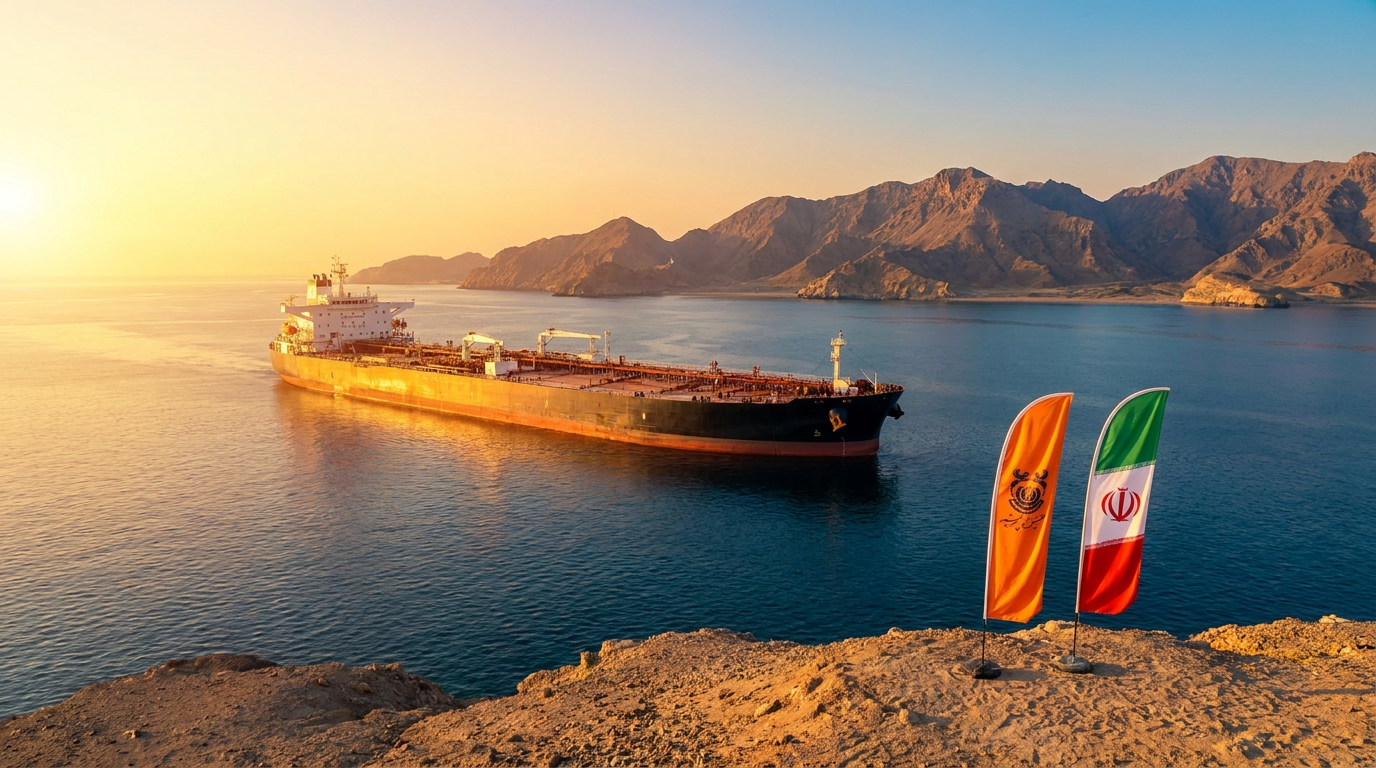
The most immediate global impact of the agreement is the reopening of the Strait of Hormuz. The narrow waterway, which typically handles roughly 20% of the world's oil and liquefied natural gas supplies, has been effectively closed to commercial shipping since the war escalated in late February.[4][6]

President Trump announced the reopening on social media, declaring that he had authorized the immediate removal of the US naval blockade on Iranian ports. "Ships of the World, start your engines. Let the oil flow!" Trump wrote, signaling a priority on stabilizing global energy markets ahead of the US midterm elections.[3][4][6]
In exchange for reopening the strait, the US has agreed to lift its naval blockade and temporarily waive certain oil sanctions. This will allow Tehran to resume selling oil and generate much-needed revenue for its battered economy.[2][3]
Reports indicate the deal also includes the unfreezing of approximately $25 billion in Iranian assets. These funds would be released through direct cash transfers and financial credit lines facilitated by regional partners, providing immediate economic relief to the Islamic Republic.[7][8]
Reports indicate the deal also includes the unfreezing of approximately $25 billion in Iranian assets.
Despite the optimistic announcements from Washington and Islamabad, Iranian officials have signaled that a final decision has not yet been made. State media in Tehran reported that the political, legal, and technical aspects of the draft are still under review by experts and decision-makers.[7]

To bridge the remaining gaps, Qatari negotiators flew to Tehran on Sunday to meet with Iranian officials and finalize the text. The hesitation underscores the domestic political risks for Iran's leadership, who face pressure from hardliners to reject any concessions to the US.[4][7]
The most contentious issue remains Iran's nuclear program. Under the draft terms, Iran has reportedly agreed to maintain the current nuclear status quo—meaning no further uranium enrichment or expansion of nuclear facilities—until a final, comprehensive deal is reached at the end of the 60-day period.[2][8]
President Trump has claimed that the agreement ensures Iran will never attain a nuclear weapon, a commitment Tehran insists it has always held. Trump also suggested that the US would eventually acquire and destroy Iran's highly enriched uranium stockpile, referring to it as "Nuclear Dust" that would be neutralized by US forces.[6][7]
However, US and Iranian officials have offered conflicting accounts of how the stockpile will be handled. Some draft versions suggest Tehran will dilute its highly enriched uranium domestically, with the exact verification mechanisms to be negotiated during the 60-day technical talks.[2][7]

The agreement also notably sidelines Israel, which was not included in the negotiations. The US and Israel initiated the war in February 2026 with large-scale strikes aimed at destroying Iran's nuclear and missile infrastructure, a campaign that resulted in the death of Supreme Leader Ali Khamenei.[3][7]
Israeli officials and security experts have expressed deep skepticism about the emerging deal. Critics within the Israeli defense establishment view the ceasefire as a mistake that leaves Iran's nuclear infrastructure largely intact while providing the regime with a financial lifeline.[4]
The inclusion of a ceasefire in Lebanon is a critical component for Iran, which has sought to protect its ally Hezbollah from ongoing Israeli military operations. Pakistani PM Sharif explicitly noted that the termination of military operations applies to the Lebanese front, though it remains unclear how the US will enforce this given Israel's independent military objectives.[4][5][7]
If the MOU holds, it will mark a significant de-escalation in a conflict that has drawn in multiple regional actors and disrupted global supply chains. However, analysts warn that the 60-day negotiation period will be fraught with challenges, as both sides attempt to translate a fragile truce into a durable geopolitical settlement.[2][4]
How we got here
Feb 28, 2026
The US and Israel launch large-scale strikes on Iran, beginning the war.
Apr 8, 2026
Pakistan brokers a temporary two-week ceasefire.
Jun 11, 2026
The US launches a second wave of strikes, threatening the fragile truce.
Jun 14, 2026
The US and Pakistan announce a preliminary peace deal to end the war.
Jun 19, 2026
Expected date for the official signing ceremony in Switzerland.
Viewpoints in depth
US Administration
Focuses on securing the Strait of Hormuz and claiming victory on nuclear containment.
The US administration is framing the deal as a major economic and strategic win. By securing the immediate reopening of the Strait of Hormuz, the White House aims to stabilize global energy markets and lower domestic fuel prices ahead of the midterm elections. President Trump has emphasized that the naval blockade successfully pressured Iran to the table, and he asserts that the upcoming 60-day talks will result in the complete dismantling of Iran's nuclear weapons capabilities.
Iranian Leadership
Prioritizes immediate economic relief and the lifting of the US naval blockade.
For Tehran, the memorandum of understanding is primarily a mechanism for survival. The lifting of the US naval blockade and the unfreezing of $25 billion in assets provide a critical lifeline to an economy devastated by sanctions and war. However, Iranian officials are treading carefully to appease domestic hardliners, insisting that they have not surrendered their right to civilian nuclear power and framing the deal as a mutual de-escalation rather than a capitulation.
Regional Mediators
Focused on preventing a wider regional war and restoring trade.
Pakistan and Qatar, who brokered the deal, are driven by the urgent need for regional stability. The closure of the Strait of Hormuz severely impacted their own economies and energy imports. By facilitating the 60-day negotiation window, these mediators hope to lock both Washington and Tehran into a diplomatic process that makes a return to full-scale war politically costly for both sides.
Israeli Security Establishment
Views the ceasefire as a strategic mistake that leaves Iran's infrastructure intact.
Israel was notably excluded from the negotiations and views the resulting MOU with deep suspicion. Israeli defense officials argue that a 60-day pause simply allows Iran to rebuild its degraded military capabilities. They are particularly concerned that the deal provides Tehran with billions in unfrozen assets without permanently dismantling its nuclear enrichment facilities, potentially setting the stage for a more dangerous confrontation in the future.
What we don't know
- Whether Iran will agree to physically transfer its highly enriched uranium out of the country.
- How the US and Iran will enforce the Lebanon ceasefire given Israel's independent military operations.
- If the 60-day technical talks will result in a permanent treaty or collapse back into conflict.
Key terms
- Strait of Hormuz
- A narrow waterway between the Persian Gulf and the Gulf of Oman that is a crucial chokepoint for global energy shipments.
- Memorandum of Understanding (MOU)
- A non-binding agreement outlining the broad terms of a deal before a formal, detailed treaty is signed.
- Uranium Enrichment
- The process of increasing the concentration of the U-235 isotope, which can be used for civilian nuclear power or, at high levels, nuclear weapons.
- Naval Blockade
- The use of military ships to cut off a country's ports, preventing the import or export of goods.
Frequently asked
Is the US-Iran war officially over?
Not yet. The current agreement is a preliminary memorandum of understanding that halts fighting and kicks off 60 days of negotiations for a final treaty.
Will gas prices go down?
The reopening of the Strait of Hormuz is expected to stabilize global energy markets, though analysts warn it will take time for shipping to fully normalize.
What happens to Iran's nuclear program?
Iran has reportedly agreed to freeze its nuclear activities at current levels for 60 days while diplomats negotiate a long-term framework for its enriched uranium stockpile.
Was Israel part of the deal?
No. Israel was sidelined from the negotiations, and Israeli officials have expressed strong opposition to the agreement.
Sources
Source coverage
8 outlets
4 viewpoints surfaced








[1]Al JazeeraIranian Leadership
US-Iran ceasefire deal announced, Trump says Strait of Hormuz reopening
Read on Al Jazeera →[2]AxiosRegional Mediators
What's in the Iran deal Trump says he's ready to sign
Read on Axios →[3]The Washington PostUS Administration
Trump says deal reached with Iran and he has authorized that naval blockade leave Strait of Hormuz
Read on The Washington Post →[4]The GuardianIsraeli Security Establishment
Peace deal between US and Iran, Pakistan says, with strait of Hormuz to reopen
Read on The Guardian →[5]CBS NewsIsraeli Security Establishment
Live Updates: Iran and U.S. reach deal, Trump and Pakistani prime minister say
Read on CBS News →[6]TIMEUS Administration
Trump Says U.S. and Iran Reach Deal to End War
Read on TIME →[7]The Times of IsraelIsraeli Security Establishment
US and Iran have reached 'Peace Deal' including Lebanon truce, Pakistani PM announces
Read on The Times of Israel →[8]CBC NewsRegional Mediators
Pakistan's PM says U.S., Iran have reached peace deal that also includes Lebanon
Read on CBC News →
More in news politics
See all 9 stories →US-Iran Deal
U.S. and Iran Sign Agreement to End War; Vance Lashes Out at Israeli Critics
7 sources
U.S.-Iran Deal
U.S. and Iran Sign 14-Point Agreement to End War, Sparking Fierce Backlash from Israel
6 sources
U.S.-Iran Relations
Vance Rebukes Israeli Critics of U.S.-Iran Peace Agreement, Warning Against Alienating 'Only Powerful Ally'
8 sources
Cognitive Defense
The Science of 'Prebunking': How Psychological Inoculation is Defeating Misinformation
6 sources

Every angle. Every day.
Get news politics stories with full source coverage and perspective breakdowns delivered to your inbox.