
US and Iran Reach Peace Deal to Reopen Strait of Hormuz and End Military Operations
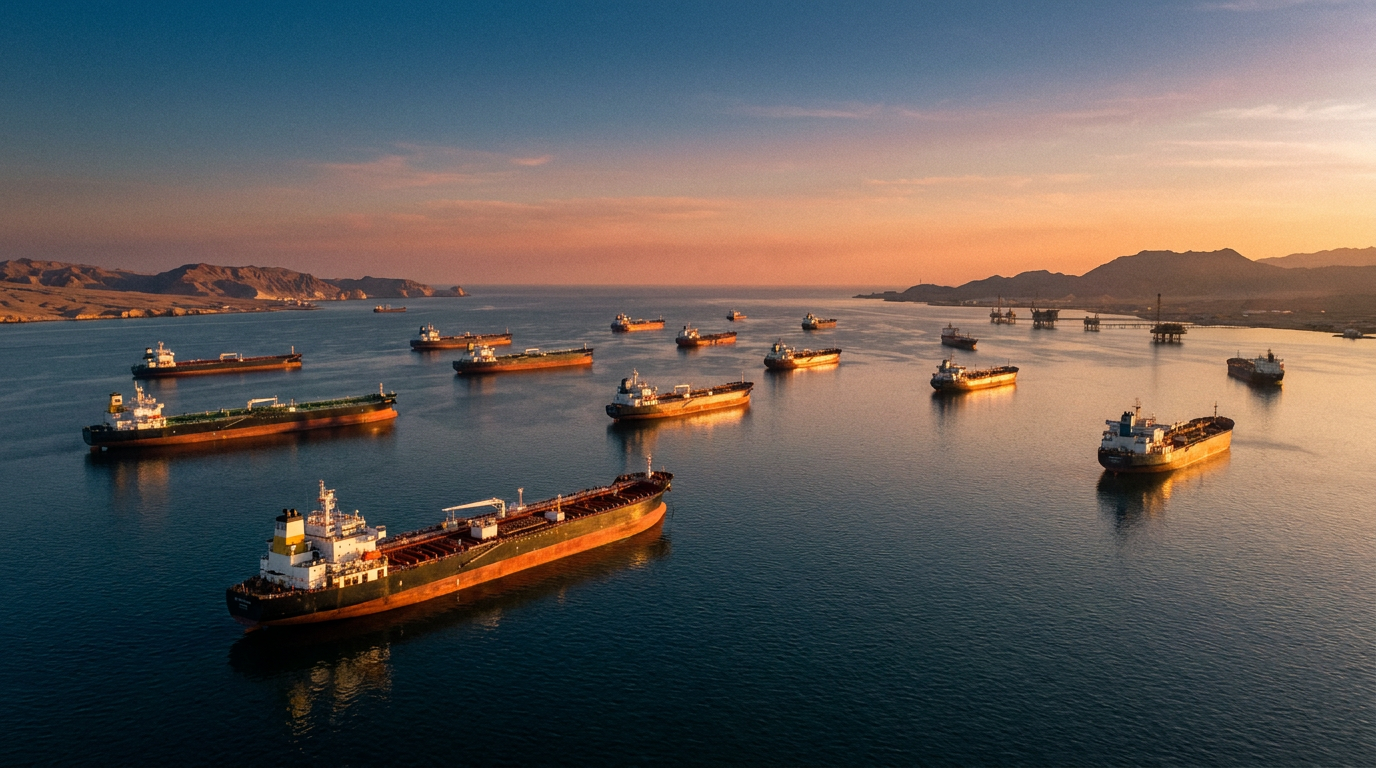
The United States and Iran have agreed to a preliminary peace deal that will end months of conflict and reopen the strategically vital Strait of Hormuz. Mediated by Pakistan, the agreement includes a permanent ceasefire across multiple fronts, though details regarding the waterway's control and Iran's nuclear program remain contested.
By Factlen Editorial Team
- U.S. Administration
- Prioritizes the immediate, unconditional reopening of shipping lanes and the permanent dismantling of Iran's nuclear capabilities.
- Iranian Leadership
- Focuses on sanctions relief, the unfreezing of assets, and maintaining sovereign control over regional waterways.
- Energy Markets
- Values stability, predictable supply chains, and the lowering of geopolitical risk premiums on crude oil.
- Regional Mediators
- Seeks a comprehensive, multi-front ceasefire to prevent the conflict from spilling over into neighboring states like Lebanon.
What's not represented
- · Israeli Government
- · Lebanese Civilians
- · Commercial Shipping Companies
Why this matters
The reopening of the Strait of Hormuz restores a critical artery for one-fifth of the world's oil and liquefied natural gas, immediately lowering global energy prices. The deal also halts a dangerous regional war that threatened to draw in neighboring countries and disrupt global shipping indefinitely.
Key points
- The U.S. and Iran have reached a preliminary peace deal to end months of regional warfare.
- The agreement authorizes the reopening of the Strait of Hormuz and the lifting of the U.S. naval blockade.
- Global oil prices dropped over 4% as markets priced in the return of reliable energy shipments.
- A 60-day negotiation window will follow to address the dismantling of Iran's nuclear program and the unfreezing of assets.
- The formal memorandum of understanding is expected to be signed in Switzerland on Friday.
After months of devastating regional conflict, the United States and Iran have reached a preliminary peace agreement that promises to end hostilities and reopen the Strait of Hormuz. The breakthrough, mediated heavily by Pakistan and Qatar, marks a sudden de-escalation in a war that had choked off global energy supplies and threatened to engulf the broader Middle East. U.S. President Donald Trump declared the deal "complete" in a celebratory social media post, authorizing the immediate removal of the U.S. naval blockade and the "toll-free" reopening of the vital shipping lane.[1][6]
The immediate economic shockwave of the announcement was felt across global energy markets. Brent crude futures tumbled more than 4 percent to $83.75 a barrel, while U.S. West Texas Intermediate saw similar drops as traders aggressively unwound the geopolitical risk premium that had inflated prices for months. The Strait of Hormuz serves as a critical chokepoint for roughly one-fifth of the world's oil and liquefied natural gas. For energy importers and global markets, the prospect of restored flows offered immediate relief from the specter of sustained supply shocks.[5][7]

While both Washington and Tehran have confirmed the overarching framework, stark differences remain in how the two capitals are framing the terms of the waterway's reopening. President Trump urged the "ships of the world" to "start your engines," insisting the strait would open immediately and without restriction. However, Iranian state-affiliated media reported that the draft memorandum calls for the strait to reopen within a 30-day window under strict "Iranian arrangements." Iranian officials have publicly stated that the country has emerged stronger from the conflict, maintaining that they will retain joint control of the traffic alongside Oman.[3][4][5]
Beyond maritime security, the agreement ambitiously attempts to freeze military operations across multiple interconnected proxy battlegrounds. Pakistani Prime Minister Shehbaz Sharif, whose government served as the primary conduit for the talks, announced that both sides agreed to the "immediate and permanent termination of military operations on all fronts." Crucially, Sharif noted that this ceasefire extends to Lebanon, where intense fighting between Israel and Hezbollah has complicated the diplomatic off-ramp.[2][4][8]

Beyond maritime security, the agreement ambitiously attempts to freeze military operations across multiple interconnected proxy battlegrounds.
The inclusion of Lebanon highlights the fragile, multi-party nature of the region's security architecture. The peace announcement arrived just hours after fresh Israeli airstrikes hit targets in Beirut over the weekend. The strikes drew rare public criticism from President Trump, who stated that the attack "should not have happened" on a day when a historic peace deal was so close to fruition. Israel, which was not a direct party to the U.S.-Iran negotiations, has yet to issue a formal response to the ceasefire framework or clarify how it will adjust its own military posture in the north.[2][4]
The most complex and historically fraught component of the deal centers on Iran's nuclear program—the original catalyst for the U.S. military intervention. According to draft terms circulated by negotiators, the initial signing will trigger a 60-day period of intensive talks aimed at permanently dismantling Tehran's nuclear capabilities. President Trump asserted that Iran has agreed to abandon any pursuit of a nuclear weapon and that the U.S. will eventually extract and destroy Iran's highly enriched uranium. In exchange, the framework reportedly includes the unfreezing of billions of dollars in Iranian assets and the gradual lifting of crippling economic sanctions.[3][5][6]

The logistics of finalizing the pact are already in motion, following a marathon 17-hour session by Qatari diplomats in Tehran to iron out the final text. A formal signing ceremony is scheduled to take place on Friday in Switzerland, with both sides expected to ink the memorandum of understanding. Until the ink is dry, regional observers remain cautious, noting that previous ceasefires in the region have frequently collapsed under the weight of miscommunication or rogue proxy actions.[3][6][8]
If the agreement holds, it will represent a massive realignment of Middle Eastern geopolitics and a signature foreign policy event for the Trump administration. Yet the success of the pact hinges entirely on the enforcement mechanisms established during the upcoming 60-day window. With billions of dollars, the flow of global energy, and the region's nuclear balance all tied to a single diplomatic framework, the coming weeks will test whether the U.S. and Iran can translate a fragile ceasefire into a durable regional architecture.[2][4][6]
How we got here
Early 2026
Conflict erupts, leading to a U.S. naval blockade and the closure of the Strait of Hormuz.
June 12-13, 2026
Qatari and Pakistani mediators conduct intensive, final-stage negotiations between Washington and Tehran.
June 14, 2026
President Trump and Iranian officials publicly confirm a preliminary peace agreement has been reached.
June 15, 2026
Global oil prices drop by over 4% as markets react to the impending reopening of the Strait of Hormuz.
June 19, 2026
Anticipated formal signing of the memorandum of understanding in Switzerland.
Viewpoints in depth
U.S. Administration
Frames the deal as a total victory that secures global shipping and neutralizes Iran's nuclear threat.
President Trump and his allies are projecting the agreement as a vindication of their maximum-pressure military strategy. By securing the 'toll-free' reopening of the Strait of Hormuz and extracting commitments to dismantle Iran's nuclear program, the administration argues it has achieved what previous diplomatic efforts could not. They emphasize the immediate economic benefits of flowing oil and the removal of the U.S. naval blockade as proof of a decisive resolution.
Iranian Leadership
Views the agreement as a strategic win that forces U.S. concessions and preserves Iranian regional influence.
Iranian officials, including the Deputy Foreign Minister, are broadcasting a narrative of resilience, claiming the country emerged stronger from the months-long war. State media emphasizes that the Strait of Hormuz will reopen under 'Iranian arrangements' rather than unconditional U.S. terms, and highlights the impending release of billions in frozen assets. For Tehran, the deal is framed not as a surrender, but as a negotiated settlement that lifts crippling blockades while maintaining their geopolitical leverage.
Global Energy Markets
Focused entirely on the reliable resumption of oil and gas shipments through the critical maritime chokepoint.
Traders and energy analysts reacted with immediate relief, rapidly unwinding the geopolitical risk premiums that had kept crude prices artificially high during the conflict. However, market watchers remain cautious about the actual timeline for resuming full capacity. They are closely monitoring whether the 30-day Iranian timeline or the immediate U.S. timeline proves accurate, and assessing how quickly Middle Eastern producers can repair any infrastructure damage sustained during the war.
What we don't know
- How Israel will respond to the ceasefire framework, particularly regarding its ongoing military operations in Lebanon.
- Whether the Strait of Hormuz will reopen immediately as the U.S. claims, or within a 30-day window under Iranian oversight as Tehran suggests.
- The exact mechanisms that will be used to verify the dismantling of Iran's nuclear program during the proposed 60-day negotiation period.
Key terms
- Strait of Hormuz
- A narrow, strategically vital waterway between the Persian Gulf and the Gulf of Oman, through which roughly 20% of the world's oil supply passes.
- Geopolitical Risk Premium
- The extra amount that buyers pay for a commodity, like oil, due to the fear that wars or political instability might disrupt future supplies.
- Memorandum of Understanding (MoU)
- A formal agreement between two or more parties outlining the terms and details of a mutual understanding, often preceding a legally binding treaty.
- Naval Blockade
- The use of naval forces to cut off a specific area, preventing ships from entering or leaving ports, used by the U.S. against Iran during the conflict.
Frequently asked
When will the Strait of Hormuz reopen?
President Trump stated it would open immediately after the deal is signed on Friday, though Iranian state media suggested a 30-day phased reopening under their arrangements.
What happens to Iran's nuclear program?
The draft agreement reportedly includes a 60-day negotiation period aimed at dismantling Iran's nuclear capabilities and removing its highly enriched uranium.
How did oil prices react to the news?
Brent crude and U.S. West Texas Intermediate futures both fell by over 4% as traders anticipated the resumption of normal oil shipments.
Does this deal affect the fighting in Lebanon?
Yes, Pakistani mediators confirmed the agreement calls for the immediate and permanent termination of military operations on all fronts, explicitly including Lebanon.
Sources
Source coverage
8 outlets
4 viewpoints surfaced








[1]Fox NewsU.S. Administration
Trump announces peace deal with Iran, declares Strait of Hormuz will reopen: 'Let the oil flow!'
Read on Fox News →[2]BBCRegional Mediators
US-Iran deal eases uncertainty over the war - but there is much still to play out
Read on BBC →[3]Al JazeeraIranian Leadership
US-Iran to sign a ‘peace deal’ on Friday: What we know so far
Read on Al Jazeera →[4]The GuardianIranian Leadership
Trump news at a glance: Fate of the strait of Hormuz unclear as president claims ‘toll-free opening’
Read on The Guardian →[5]ReutersEnergy Markets
Oil slips 4% as US, Iran reach peace deal to reopen Strait of Hormuz
Read on Reuters →[6]CBS NewsU.S. Administration
Trump says deal with Iran 'complete,' Strait of Hormuz blockade lifted
Read on CBS News →[7]NPREnergy Markets
Crude oil futures drop after Trump promises an Iran deal will be signed Friday
Read on NPR →[8]The HinduRegional Mediators
Trump says peace deal with Iran ready for signing
Read on The Hindu →
More in news politics
See all 9 stories →US-Iran Deal
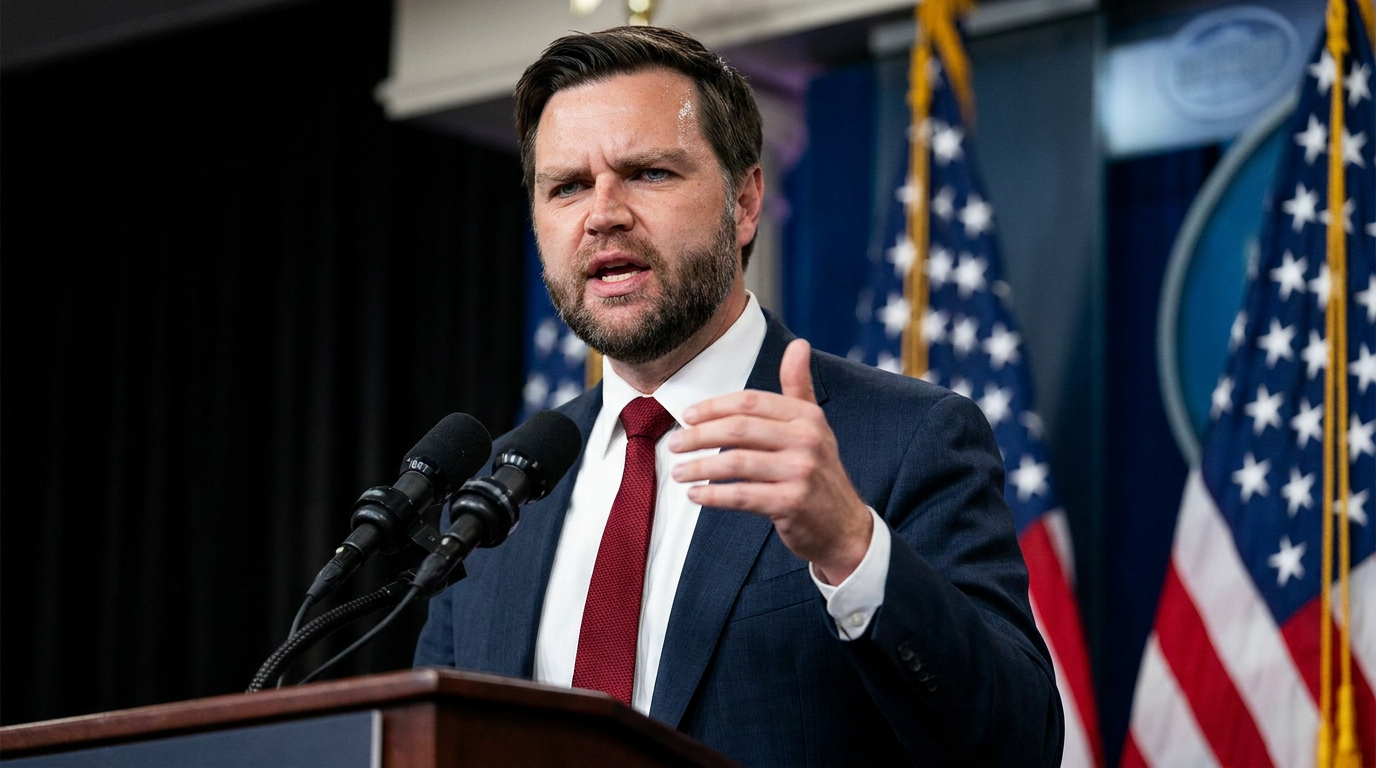
U.S. and Iran Sign Agreement to End War; Vance Lashes Out at Israeli Critics
7 sources
U.S.-Iran Deal
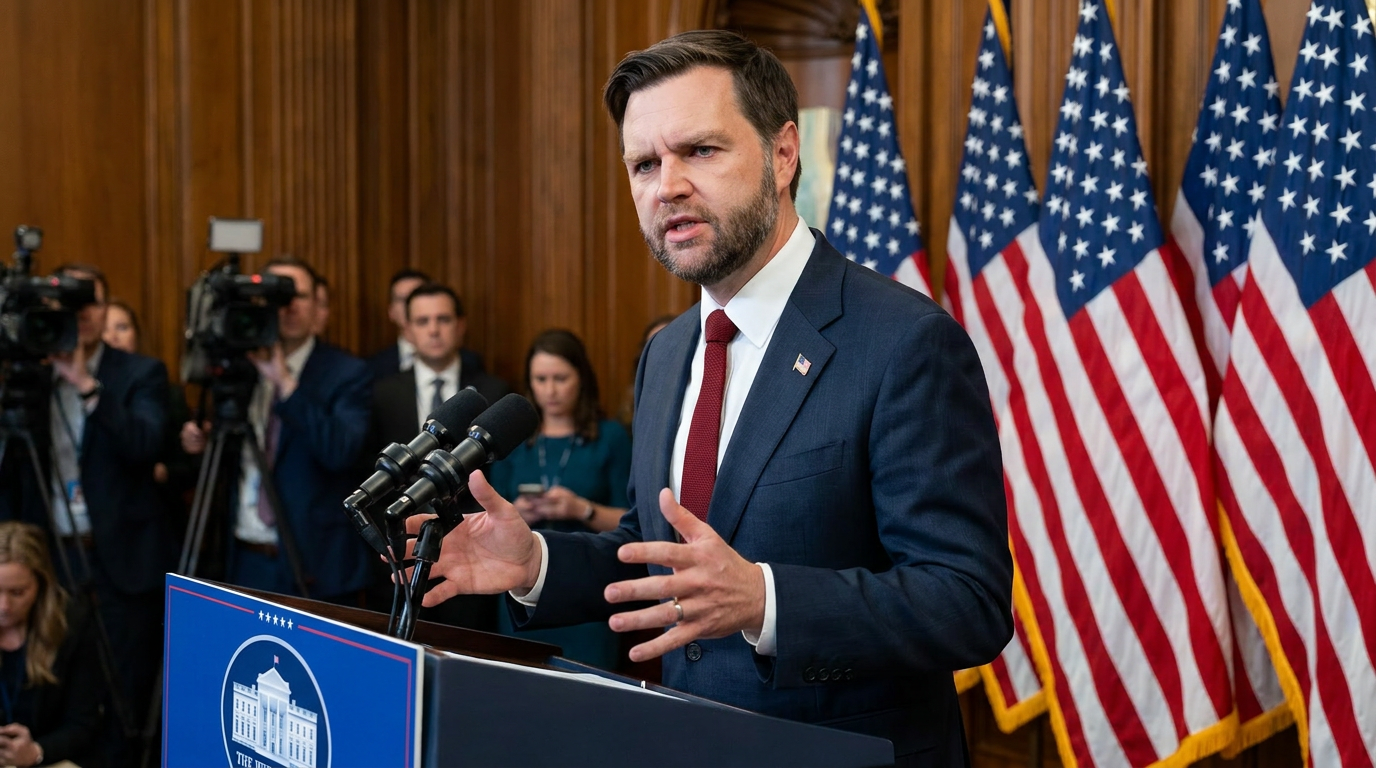
U.S. and Iran Sign 14-Point Agreement to End War, Sparking Fierce Backlash from Israel
6 sources
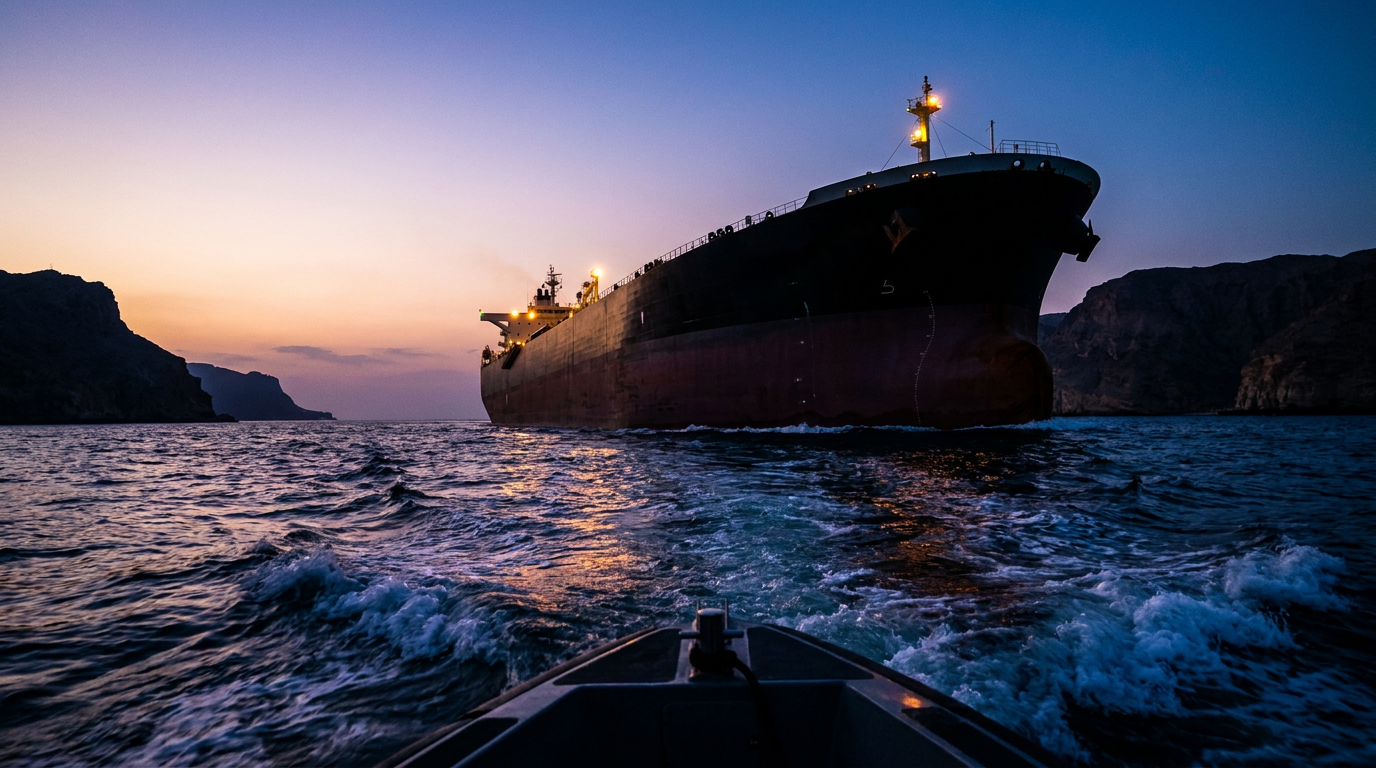
U.S.-Iran Relations
Vance Rebukes Israeli Critics of U.S.-Iran Peace Agreement, Warning Against Alienating 'Only Powerful Ally'
8 sources
Cognitive Defense
The Science of 'Prebunking': How Psychological Inoculation is Defeating Misinformation
6 sources

Every angle. Every day.
Get news politics stories with full source coverage and perspective breakdowns delivered to your inbox.