
US and Iran Reach Peace Deal to End War and Reopen Strait of Hormuz
The United States and Iran have agreed to a peace deal ending a 107-day conflict, paving the way for the reopening of the Strait of Hormuz and a lifting of the US naval blockade. The breakthrough, mediated by Pakistan, triggered an immediate drop in global oil prices and sets the stage for further negotiations on Tehran's nuclear program.
By Factlen Editorial Team
- Global Markets & Shipping
- Relieved by the drop in energy costs but highly focused on the practical and logistical hurdles of safely resuming maritime trade.
- U.S. Administration
- Focuses on the diplomatic victory of reopening the Strait of Hormuz, lowering domestic fuel prices, and ending the naval blockade.
- Iranian Leadership
- Views the deal as a successful leverage of the strait to force the lifting of blockades and the release of frozen assets, while maintaining distrust of the U.S.
- International Mediators & Analysts
- Praises the immediate de-escalation but warns that the interim agreement is fragile and leaves the core nuclear dispute unresolved.
What's not represented
- · Lebanese civilians and officials affected by the cessation of hostilities on the northern front.
- · Regional Gulf oil producers who rely on the strait for their primary exports.
Why this matters
The reopening of the Strait of Hormuz—a maritime chokepoint that handles a fifth of the world's oil supply—promises immediate relief from the worst global energy crisis in decades. For consumers, the end of the 107-day war signals a likely drop in fuel prices and inflation, while easing fears of a broader, destabilizing regional conflict in the Middle East.
Key points
- The U.S. and Iran have agreed to a peace deal ending their 107-day conflict and halting military operations across the Middle East.
- The agreement authorizes the immediate reopening of the Strait of Hormuz and the lifting of the U.S. naval blockade on Iranian ports.
- Global oil prices dropped by more than 4 percent following the announcement, with Brent crude falling to roughly $83 a barrel.
- An official signing ceremony is scheduled for Friday, June 19, in Geneva, Switzerland.
- The interim deal initiates a 60-day negotiation period to address broader sanctions and Iran's nuclear program.
- Logistical challenges, including mine removal and high insurance rates, remain before commercial shipping can fully resume.
The United States and Iran have reached a sweeping peace agreement to end their 107-day war, paving the way for an immediate ceasefire across the Middle East and the reopening of the Strait of Hormuz. The breakthrough, mediated primarily by Pakistan, marks a sudden de-escalation of a conflict that had paralyzed global shipping and triggered a severe energy crisis.[1][5]
U.S. President Donald Trump announced the agreement on Sunday, declaring the deal "now complete" in a social media post on his 80th birthday. Trump stated he had authorized the "toll-free opening" of the Strait of Hormuz and the immediate removal of the U.S. naval blockade on Iranian ports, proclaiming to the maritime industry: "Ships of the World, start your engines. Let the oil flow!"[2][5]
In Tehran, Iranian Deputy Foreign Minister Kazem Gharibabadi confirmed that a 14-point memorandum of understanding had been finalized. The agreement mandates a permanent termination of military operations on all fronts, notably including Lebanon, where recent Israeli airstrikes against Hezbollah had threatened to derail the fragile negotiations.[3][5]

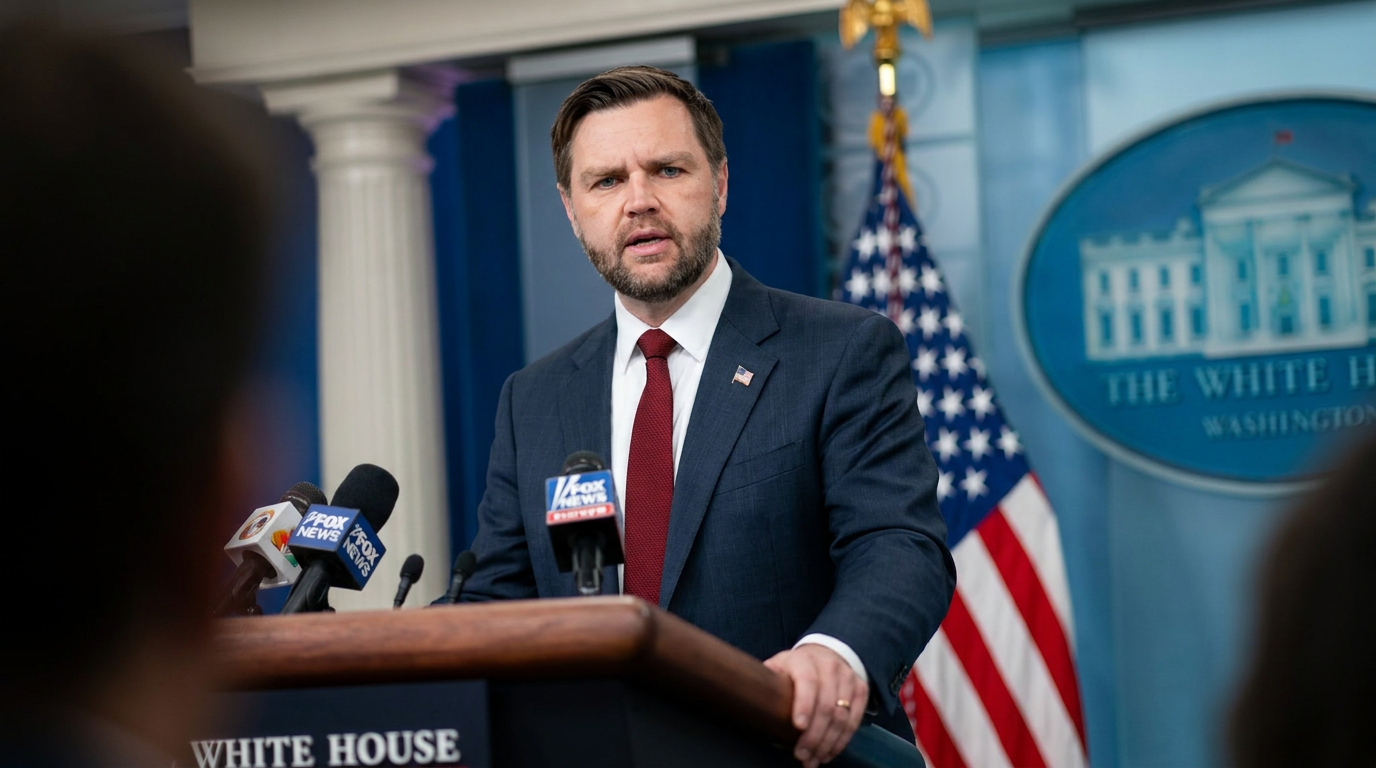
An official signing ceremony is scheduled for Friday, June 19, in Geneva, Switzerland. While Trump indicated he might attend or have Vice President JD Vance sign the accord, the diplomatic groundwork was laid by a coalition of mediators, with Pakistan and Qatar playing the most active roles in the final stages.[2][8]
Global financial markets reacted with immediate relief. Brent crude futures tumbled more than 4 percent to roughly $83 a barrel in early Monday trading, reaching their lowest levels since the war began in early March. Asian equities surged, with Japan's Nikkei index jumping nearly 5 percent on the prospect of stabilized energy costs.[1][3]
Brent crude futures tumbled more than 4 percent to roughly $83 a barrel in early Monday trading, reaching their lowest levels since the war began in early March.
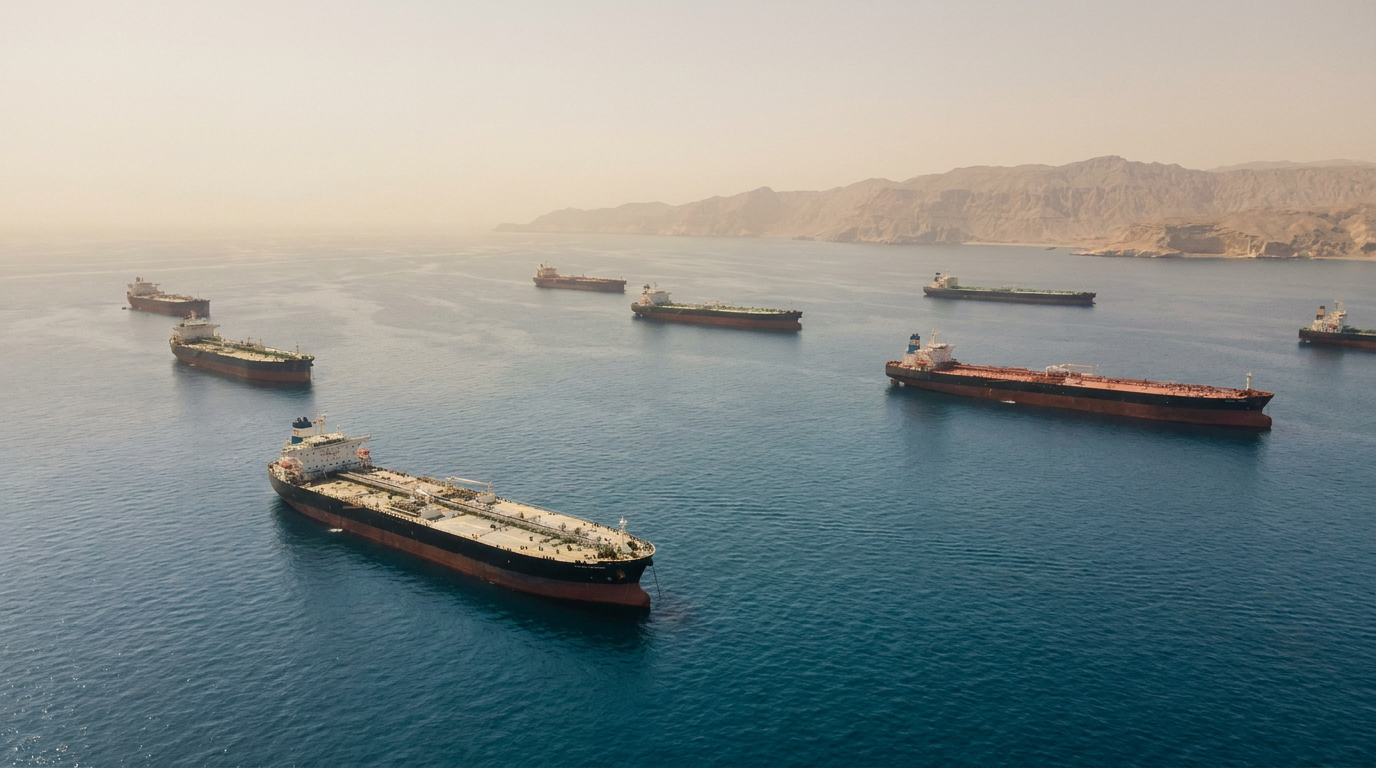
The closure of the Strait of Hormuz had effectively erased roughly 20 million barrels of oil a day from the market—about a fifth of global supply. The resulting bottleneck forced Gulf producers to reroute exports via pipelines and drove up inflation worldwide, making the strait's reopening a top priority for the U.S. administration ahead of the midterm elections.[1][8]

Despite the political declarations, the maritime industry faces significant logistical hurdles before traffic can fully normalize. The Strait of Hormuz must be cleared of naval mines, and shipping companies are bracing for exorbitant insurance premiums. Furthermore, Iranian state media indicated that the reopening would take place under "Iranian arrangements," raising questions about the exact conditions of safe passage.[4]
The specifics of the 14-point memorandum remain closely guarded, though Iranian semi-official outlets reported that the U.S. has agreed to release between $12 billion and $24 billion in frozen Iranian assets. Iranian officials emphasized that the agreement was drafted in an atmosphere of "continued distrust" and that they would closely monitor U.S. compliance.[2][5]
The interim deal effectively buys time for a more complex diplomatic undertaking. Following Friday's signing, the two nations will enter a 60-day negotiation period aimed at forging a comprehensive settlement. These talks will tackle the termination of broader economic sanctions and the future of Iran's nuclear program, which the U.S. has repeatedly insisted must be dismantled.[2][7]

International leaders universally praised the de-escalation. United Nations Secretary-General António Guterres called the agreement a "critical step" toward ending the conflict, while European Commission President Ursula von der Leyen emphasized that restoring freedom of navigation is essential for both regional stability and the global economy.[3][6]
However, geopolitical analysts urge caution. Experts at the Atlantic Council noted that while the memorandum reduces immediate violence, an interim deal without a follow-on agreement will be highly volatile. They warned that Iran has now demonstrated its capacity to close the strait and wreak havoc on the global economy, a potent leverage point it will likely wield in future negotiations.[7]
As the world's attention turns to Geneva, the immediate focus remains on the water. If the naval blockades are lifted and the mines are cleared as promised, the resumption of commercial transit through the Strait of Hormuz could mark the definitive end to one of the most disruptive geopolitical crises of the decade.[4][8]
How we got here
Late February 2026
The U.S. and Israel launch strikes against Iran, sparking a regional war and the effective closure of the Strait of Hormuz.
March - May 2026
Global oil prices surge as 20 million barrels a day are cut off from the market, prompting a U.S. naval blockade of Iranian ports.
June 14, 2026
Following mediation by Pakistan, the U.S. and Iran announce a 14-point memorandum of understanding to end the war.
June 15, 2026
Global markets react to the peace deal, with oil prices plunging over 4 percent.
June 19, 2026
The official signing ceremony for the peace agreement is scheduled to take place in Geneva, Switzerland.
Viewpoints in depth
U.S. Administration's view
The White House frames the deal as a decisive victory that restores global commerce and lowers domestic fuel prices.
For the U.S. administration, the immediate reopening of the Strait of Hormuz is the paramount achievement. By ending the naval blockade and securing a ceasefire, the White House aims to relieve the immense pressure on global energy markets that has driven up inflation and domestic gas prices. Officials emphasize that the interim deal is a necessary stepping stone to force Tehran back to the negotiating table regarding its nuclear program, viewing the economic relief as conditional on Iran's future compliance.
Iranian Leadership's view
Tehran views the agreement as a necessary economic reprieve while maintaining a posture of deep skepticism toward Washington.
Iranian officials are framing the memorandum of understanding as a diplomatic success that forces the U.S. to lift its naval blockade and release billions in frozen assets. However, leadership maintains that the deal does not signify trust in the United States. By demonstrating their ability to effectively close the Strait of Hormuz for over three months, Iranian hardliners believe they have proven their strategic leverage and enter the upcoming 60-day nuclear negotiations from a position of regional strength.
Global Markets & Shipping Industry
The commercial sector is highly relieved by the drop in oil prices but remains cautious about the logistical realities of resuming transit.
Financial markets and shipping conglomerates are celebrating the 4 percent drop in crude prices and the prospect of normalized trade. However, maritime experts warn that the Strait of Hormuz cannot simply be switched back on overnight. The industry is deeply concerned about the timeline for clearing naval mines, the skyrocketing cost of maritime insurance, and the ambiguity of what 'Iranian arrangements' for safe passage will actually entail in practice.
What we don't know
- The exact mechanisms and timeline for clearing naval mines from the Strait of Hormuz.
- The specific conditions Iran will impose on commercial vessels transiting the strait under its "arrangements."
- Whether the upcoming 60-day negotiations can successfully resolve the deeply entrenched dispute over Iran's nuclear program.
- The exact sum of frozen Iranian assets that the U.S. has agreed to release as part of the memorandum.
Key terms
- Strait of Hormuz
- A narrow maritime chokepoint between the Persian Gulf and the Gulf of Oman through which approximately 20 percent of the world's oil supply passes.
- Brent Crude
- A major global benchmark for oil prices, sourced from the North Sea, used to price two-thirds of the world's internationally traded crude oil.
- Naval Blockade
- A military operation in which naval forces prevent vessels from entering or leaving a nation's ports, used by the U.S. against Iran during the conflict.
- Memorandum of Understanding (MoU)
- A formal agreement between two or more parties that outlines the terms and details of a mutual understanding, often serving as the foundation for a final treaty.
Frequently asked
Why did oil prices drop so suddenly?
Oil prices fell by over 4 percent because the peace deal includes the reopening of the Strait of Hormuz, allowing millions of barrels of Gulf oil to flow back into the global market.
Is the war completely over?
The agreement mandates an immediate and permanent termination of military operations on all fronts, including Lebanon, though a final comprehensive treaty has yet to be negotiated.
When will ships start using the Strait of Hormuz again?
While the political agreement authorizes immediate reopening, the physical resumption of traffic will take time due to the need to clear naval mines and secure maritime insurance.
What happens after the deal is signed on Friday?
The signing triggers a 60-day negotiation period during which the U.S. and Iran will attempt to resolve long-standing issues, including economic sanctions and Iran's nuclear program.
Sources
Source coverage
8 outlets
4 viewpoints surfaced








[1]The GuardianGlobal Markets & Shipping
Oil prices tumble amid hopes strait of Hormuz will soon reopen
Read on The Guardian →[2]The Jerusalem PostU.S. Administration
US-Iran peace deal is complete, Donald Trump announces
Read on The Jerusalem Post →[3]The HinduIranian Leadership
West Asia LIVE: EU chief hails U.S.-Iran deal to end 'costly war'
Read on The Hindu →[4]Seatrade Maritime NewsGlobal Markets & Shipping
Strait of Hormuz set to reopen under US – Iran peace deal
Read on Seatrade Maritime News →[5]CBS NewsU.S. Administration
Trump says U.S. deal with Iran 'is now complete,' authorizes removal of Navy blockade of Strait of Hormuz
Read on CBS News →[6]UN NewsInternational Mediators & Analysts
Guterres welcomes US-Iran peace deal as 'critical step' toward ending conflict
Read on UN News →[7]Atlantic CouncilInternational Mediators & Analysts
Experts react: The US and Iran just announced an interim peace deal. Here's what we know so far.
Read on Atlantic Council →[8]Financial TimesGlobal Markets & Shipping
Iran and US agree deal to open Strait of Hormuz and extend ceasefire
Read on Financial Times →
More in news politics
See all 9 stories →US-Iran Deal
U.S. and Iran Sign Agreement to End War; Vance Lashes Out at Israeli Critics
7 sources
U.S.-Iran Deal
U.S. and Iran Sign 14-Point Agreement to End War, Sparking Fierce Backlash from Israel
6 sources
U.S.-Iran Relations
Vance Rebukes Israeli Critics of U.S.-Iran Peace Agreement, Warning Against Alienating 'Only Powerful Ally'
8 sources
Cognitive Defense
The Science of 'Prebunking': How Psychological Inoculation is Defeating Misinformation
6 sources

Every angle. Every day.
Get news politics stories with full source coverage and perspective breakdowns delivered to your inbox.