
US and Iran Reach Peace Deal to End War and Reopen Strait of Hormuz
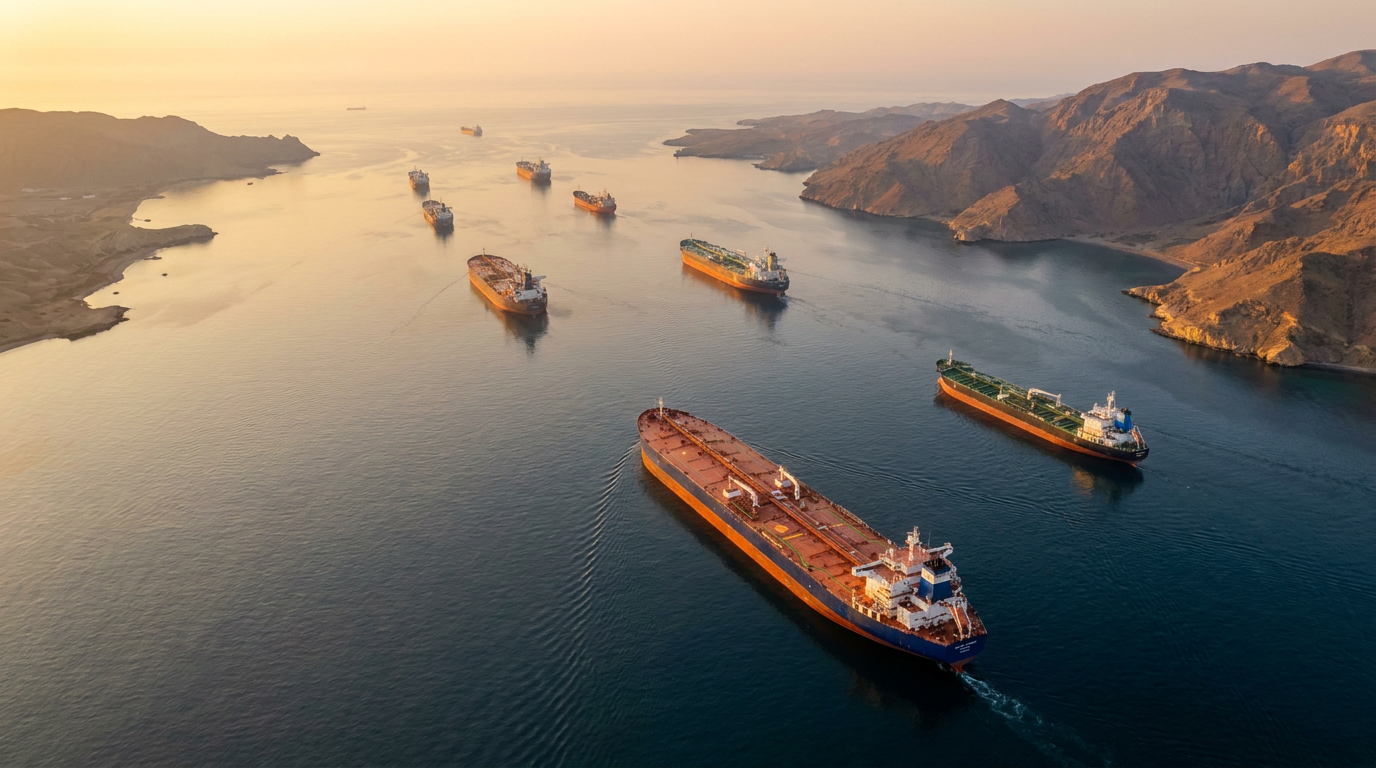
Following mediation by Pakistan, the US and Iran have agreed to an immediate ceasefire across all fronts, including Lebanon, ending a three-month conflict. The deal paves the way for the reopening of the Strait of Hormuz, sending global oil prices tumbling.
By Factlen Editorial Team
- US Administration
- Frames the deal as a definitive victory that dismantles Iran's nuclear ambitions and lowers global energy prices without prolonged military entanglement.
- Iranian Leadership
- Portrays the agreement as a capitulation by Washington, emphasizing that the US was forced to end its blockade and that the ceasefire protects its allies in Lebanon.
- Israeli Government
- Views the Pakistan-mediated deal with deep skepticism, arguing it leaves Hezbollah intact in Lebanon and fails to permanently neutralize Iran's nuclear infrastructure.
- Global Markets
- Highly relieved by the de-escalation, focusing on the immediate return of Hormuz shipping traffic to stabilize inflation, though cautious about the 60-day negotiation window.
What's not represented
- · Lebanese civilians
- · Hezbollah leadership
- · International shipping companies
Why this matters
The reopening of the Strait of Hormuz—a chokepoint for a fifth of global oil—promises immediate relief for energy markets and inflation worldwide. However, the exclusion of Israel from the negotiations and the inclusion of a ceasefire in Lebanon sets up a tense 60-day window to finalize a broader nuclear agreement.
Key points
- The US and Iran have agreed to a ceasefire ending their three-month conflict.
- The deal includes an immediate halt to military operations, explicitly covering Lebanon.
- The Strait of Hormuz will reopen, ending the US naval blockade on Iranian ports.
- Global oil prices dropped more than 4% following the announcement.
- A 60-day window will be used to negotiate a broader agreement on Iran's nuclear program.
- The official signing ceremony is scheduled for June 19 in Switzerland.
The United States and Iran have reached a comprehensive peace agreement to end their three-month conflict, signaling a dramatic de-escalation in a war that has roiled global energy markets and threatened to engulf the broader Middle East. The breakthrough was first announced on Sunday by Pakistani Prime Minister Shehbaz Sharif, whose government served as the primary mediator during intensive back-channel negotiations. According to Sharif, the two nations have agreed to an "immediate and permanent termination of military operations on all fronts," effectively halting the direct hostilities that began in late February. The diplomatic milestone arrives after weeks of fragile, temporary ceasefires and intense pressure from the international community to restore stability to the Persian Gulf.[4]
U.S. President Donald Trump swiftly confirmed the agreement on his social media platform, Truth Social, declaring the deal "complete" and framing it as a major foreign policy victory. In his statement, Trump announced the immediate end of the U.S. naval blockade on Iranian ports and authorized the "toll-free opening" of the Strait of Hormuz, a critical maritime chokepoint. "Ships of the World, start your engines. Let the oil flow!" Trump wrote, emphasizing the economic relief the deal is expected to bring to Western consumers. The administration has positioned the agreement as a definitive step toward dismantling Iran's nuclear ambitions without requiring a prolonged American military occupation in the region.[3][6]
In Tehran, Iranian officials corroborated the ceasefire but offered a markedly different framing of the diplomatic outcome. Deputy Foreign Minister Kazem Gharibabadi confirmed the agreement in televised remarks, stressing that the deal explicitly includes a halt to military operations in Lebanon—a key demand for Iran, which sought to protect its regional ally, Hezbollah, from further Israeli offensives. Iranian state media broadcast banners asserting that the United States was "forced to sign" the agreement to end the war, portraying the lifting of the naval blockade as a capitulation by Washington rather than a mutual concession.[1][2]
The immediate impact of the peace deal rippled through global financial markets, triggering a sharp sell-off in energy commodities. Brent crude futures, the international oil benchmark, tumbled more than 4 percent in early Asian trading to fall below $84 a barrel, reaching their lowest levels since the conflict erupted in March. The prospect of unimpeded tanker traffic through the Strait of Hormuz—which normally handles roughly a fifth of the world's daily oil consumption—eased fears of a prolonged supply shock. Simultaneously, the U.S. dollar touched a 10-day low against major peers as the de-escalation boosted investor appetite for riskier assets, while safe-haven gold prices saw a modest rise.[1][5]

The immediate impact of the peace deal rippled through global financial markets, triggering a sharp sell-off in energy commodities.
While the immediate cessation of hostilities is secured, the architecture of the peace deal relies on a 60-day Memorandum of Understanding (MoU) designed to bridge the gap between a ceasefire and a permanent treaty. During this two-month window, the Strait of Hormuz is slated to reopen and the U.S. will suspend its blockade, allowing Iran to resume oil exports and access billions of dollars in frozen assets. In exchange, the two sides will engage in high-stakes technical negotiations regarding the verifiable dismantling of Iran's highly enriched uranium stockpile and nuclear infrastructure. U.S. officials have indicated that failure to reach a final nuclear accord within this timeframe could result in the resumption of military strikes.[1][2][4]
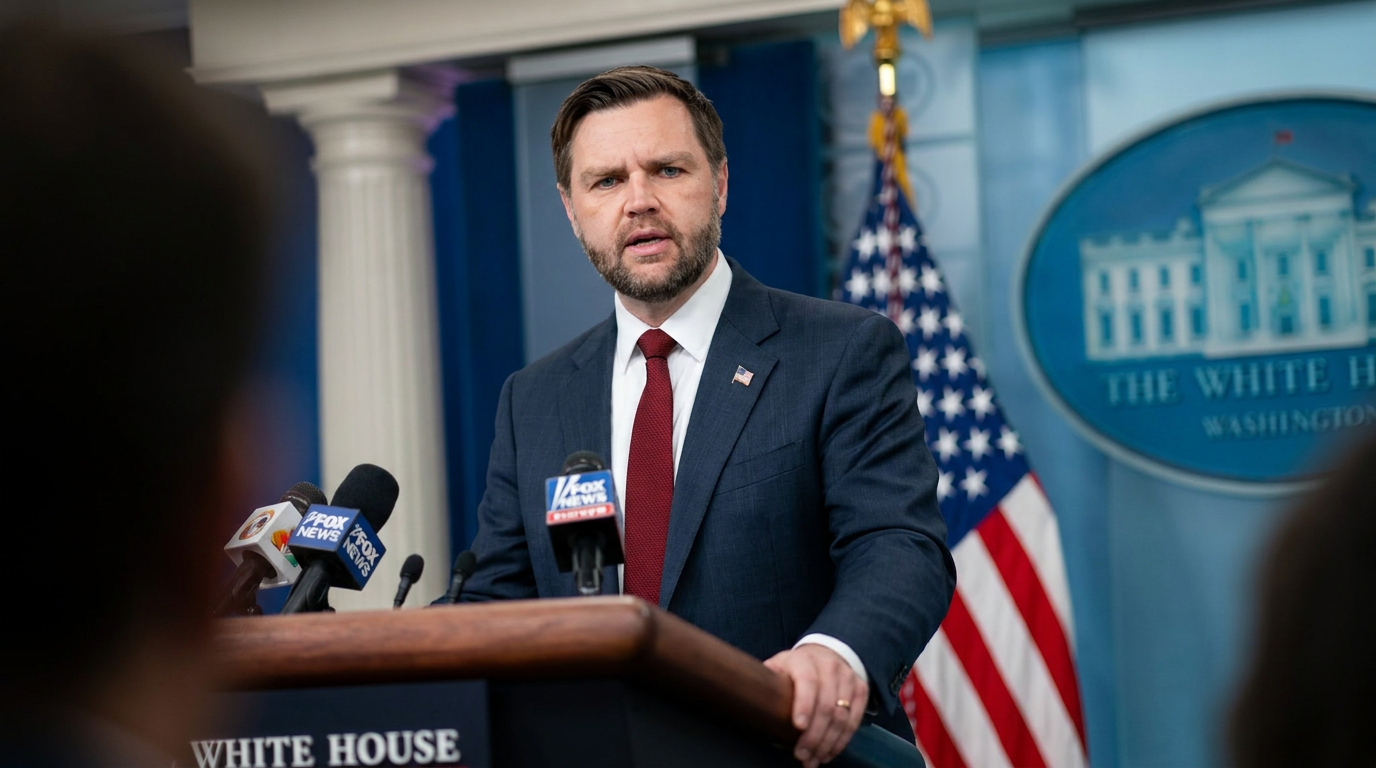
The diplomatic theater will now shift to Switzerland, where an official signing ceremony is scheduled to take place on Friday, June 19. The event is expected to feature high-level delegations from both nations, marking a rare moment of direct diplomatic engagement. U.S. Vice President JD Vance has confirmed his intention to attend the ceremony, noting that President Trump may also make an appearance. Iran is expected to be represented by its top negotiator and Parliament Speaker, Mohammad Ghalibaf. The optics of the signing in Geneva are intended to project international consensus and lock both sides into the 60-day framework before domestic political pressures can derail the fragile truce.[2][4]
A major complicating factor in the agreement is the explicit inclusion of Lebanon, a provision that directly impacts Israel's ongoing military operations against Hezbollah. The Israeli government, led by Prime Minister Benjamin Netanyahu, was largely sidelined from the Pakistan-mediated talks and has viewed the emerging deal with deep skepticism. Over the weekend, Israeli forces continued to launch airstrikes on Beirut's southern suburbs, defying U.S. pressure to exercise restraint. The ceasefire's mandate to halt operations "on all fronts" forces a difficult strategic choice on Israel: either comply with a U.S.-brokered truce it did not negotiate, or risk isolating itself from Washington by continuing its campaign in Lebanon.[2][7]

Furthermore, conflicting narratives regarding the mechanics of the Strait of Hormuz's reopening threaten to create early friction. While President Trump publicly guaranteed a "toll-free" and immediate resumption of commercial shipping, Iranian state media outlets, including the semi-official Mehr news agency, reported that the draft deal allows for the strait to reopen within 30 days under specific "Iranian arrangements." This discrepancy highlights the lingering distrust between the two adversaries and raises questions for international shipping companies about who will ultimately guarantee safe passage and oversee mine-clearing operations in the heavily militarized waterway.[1][2][3]
As the world digests the end of the immediate crisis, analysts caution that the hardest phase of diplomacy is just beginning. The 60-day negotiation window requires both Washington and Tehran to make politically costly concessions on nuclear enrichment and sanctions relief—issues that have defied resolution for decades. If the technical talks collapse, the region could rapidly slide back into a devastating conflict. For now, however, the formal signing of the peace deal offers a critical reprieve, pulling the Middle East back from the brink of a wider war and stabilizing a global economy that had been bracing for a historic energy shock.[4][6]
How we got here
Late Feb 2026
The US and Israel launch military strikes against Iran, sparking a regional war and the closure of the Strait of Hormuz.
April 2026
A fragile initial ceasefire temporarily halts major direct fighting, though tensions remain high.
Early June 2026
Hostilities threaten to resume as Israel strikes Beirut; the US pressures Israel to show restraint to preserve peace talks.
June 14, 2026
Pakistani PM Shehbaz Sharif announces a finalized peace deal between the US and Iran.
June 19, 2026
An official signing ceremony is scheduled to take place in Switzerland to formally ratify the agreement.
Viewpoints in depth
US Administration's view
The deal is a decisive victory that secures American interests and lowers energy costs.
President Trump and his allies are framing the ceasefire as a masterstroke of coercive diplomacy. By leveraging the economic pain of the naval blockade and the threat of sustained military strikes, the administration argues it forced Tehran to the table on highly favorable terms. Officials emphasize that the 60-day window will result in the verifiable dismantling of Iran's nuclear infrastructure—a far stricter outcome than previous diplomatic efforts. Furthermore, the immediate reopening of the Strait of Hormuz allows the administration to claim credit for lowering domestic gas prices and stabilizing the global economy ahead of the summer driving season.
Iranian Leadership's view
The agreement is a strategic win that broke the US blockade and protected regional allies.
Tehran is projecting strength in the wake of the announcement, broadcasting the narrative that American economic and military exhaustion forced Washington to seek an exit ramp. Iranian officials highlight the inclusion of Lebanon in the ceasefire terms as a major concession extracted from the US, ensuring that Hezbollah is shielded from further Israeli ground offensives. Domestically, the government is selling the 60-day Memorandum of Understanding not as a surrender of its nuclear rights, but as a necessary tactical pause to secure the release of billions in frozen assets and relieve the crushing pressure on the Iranian economy.
Israeli Government's view
The ceasefire is a dangerous compromise that leaves critical threats unresolved.
Sidelined from the Pakistan-brokered negotiations, Israeli leadership views the resulting deal with profound alarm. Prime Minister Benjamin Netanyahu's government argues that a 60-day pause merely gives Iran time to regroup and rebuild its proxy networks, particularly Hezbollah in Lebanon. Israeli defense officials are deeply skeptical that the upcoming technical talks in Switzerland will actually result in the permanent destruction of Iran's nuclear program. The mandate to halt military operations 'on all fronts' places immense pressure on Israel to abandon its ongoing campaign in Beirut, creating a severe diplomatic rift between Jerusalem and Washington.
What we don't know
- Whether Israel will abide by the ceasefire terms in Lebanon, given its exclusion from the US-Iran negotiations.
- The exact verification mechanisms for dismantling Iran's nuclear material during the 60-day window.
- How the reopening of the Strait of Hormuz will be managed and whether Iran will impose any 'arrangements' or tolls.
Key terms
- Strait of Hormuz
- A crucial maritime chokepoint between the Persian Gulf and the Gulf of Oman, through which about a fifth of the world's oil supply passes.
- Memorandum of Understanding (MoU)
- A formal agreement outlining the broad terms of the ceasefire and establishing the 60-day framework for further technical negotiations.
- Brent crude
- A major trading classification of sweet light crude oil that serves as a benchmark price for purchases of oil worldwide.
Frequently asked
When will the Strait of Hormuz reopen?
President Trump authorized an immediate reopening, though Iranian state media suggested it would happen within 30 days under specific Iranian oversight.
Does this deal affect the fighting in Lebanon?
Yes, the agreement explicitly includes an immediate and permanent termination of military operations on all fronts, including Lebanon.
Is Israel a part of this peace agreement?
No, Israel was not a party to the Pakistan-mediated talks and has reportedly criticized the emerging terms, having continued strikes in Beirut just prior to the announcement.
What happens during the 60-day window?
The US and Iran will use the next 60 days to negotiate a permanent treaty addressing Iran's nuclear program and the lifting of international sanctions.
Sources
Source coverage
7 outlets
4 viewpoints surfaced







[1]The GuardianIranian Leadership
Oil prices tumble amid hopes strait of Hormuz will soon reopen
Read on The Guardian →[2]Times of IsraelIsraeli Government
US, Iran reach deal to end war, reportedly including Lebanon conflict; Trump: Hormuz to open
Read on Times of Israel →[3]TimeUS Administration
Trump says deal with Iran 'complete,' Strait of Hormuz blockade lifted
Read on Time →[4]PBSGlobal Markets
United States and Iran reach agreement to end war and open Strait of Hormuz
Read on PBS →[5]The HinduGlobal Markets
Dollar hits 10-day low as U.S., Iran reach peace deal
Read on The Hindu →[6]BBCUS Administration
Trump heralds Iran deal but questions - and risks - remain
Read on BBC →[7]Al JazeeraIsraeli Government
Lebanese remain sceptical despite US-Iran ceasefire announcement
Read on Al Jazeera →
More in news politics
See all 9 stories →US-Iran Deal
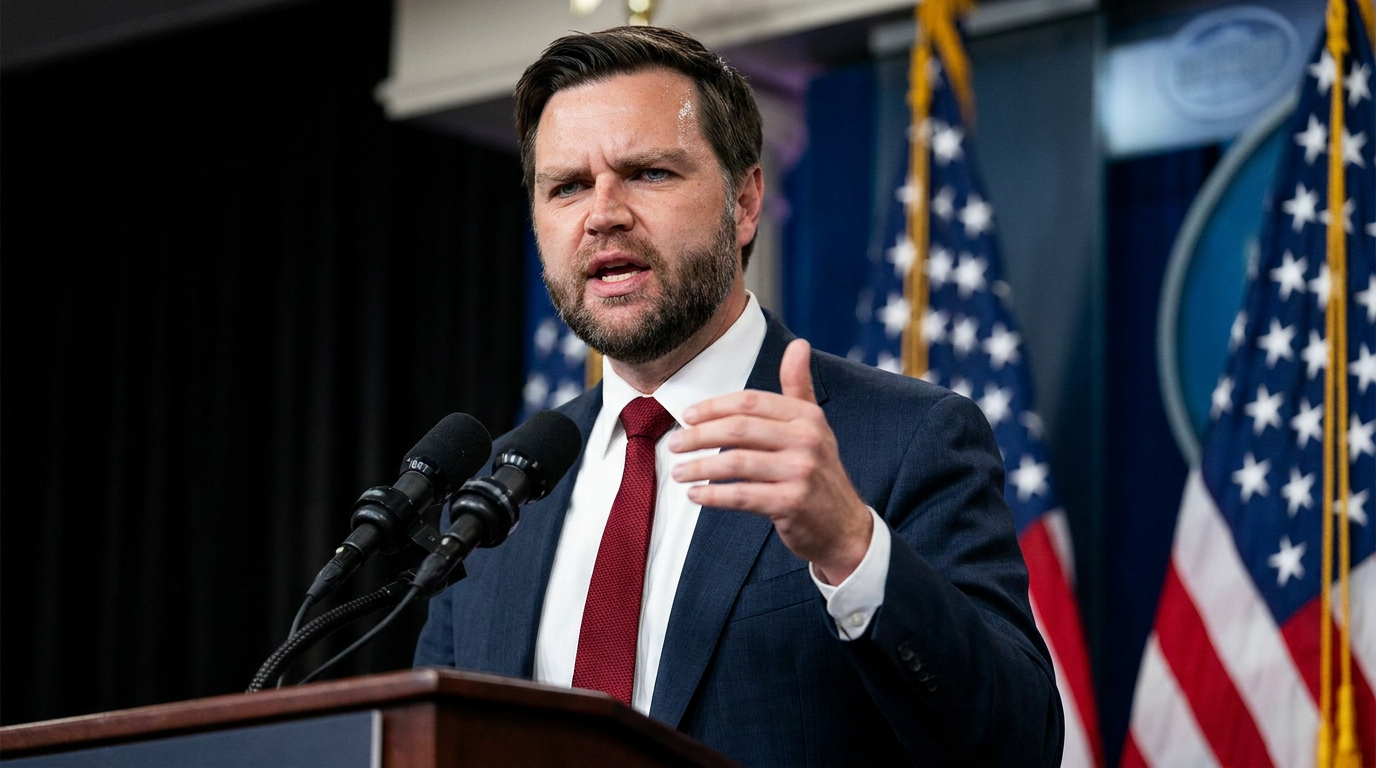
U.S. and Iran Sign Agreement to End War; Vance Lashes Out at Israeli Critics
7 sources
U.S.-Iran Deal
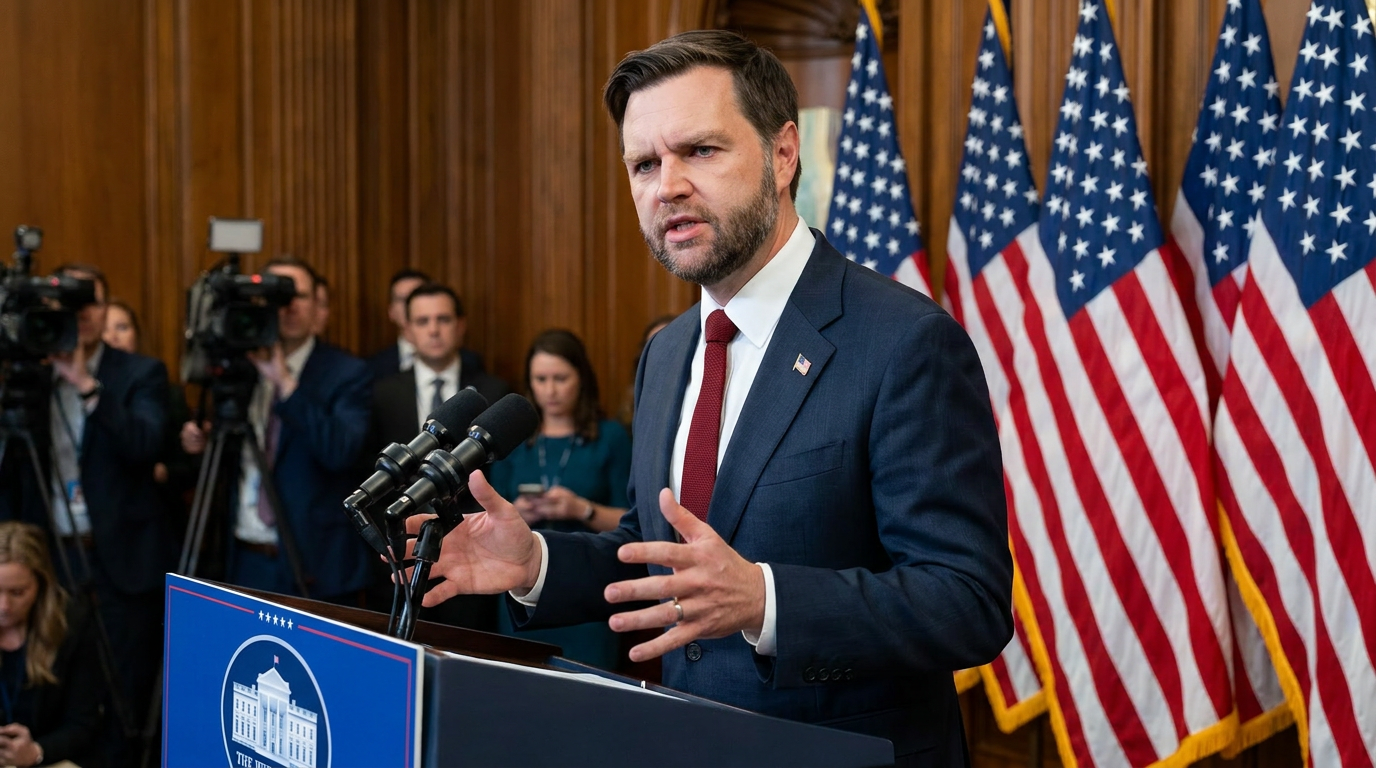
U.S. and Iran Sign 14-Point Agreement to End War, Sparking Fierce Backlash from Israel
6 sources
U.S.-Iran Relations
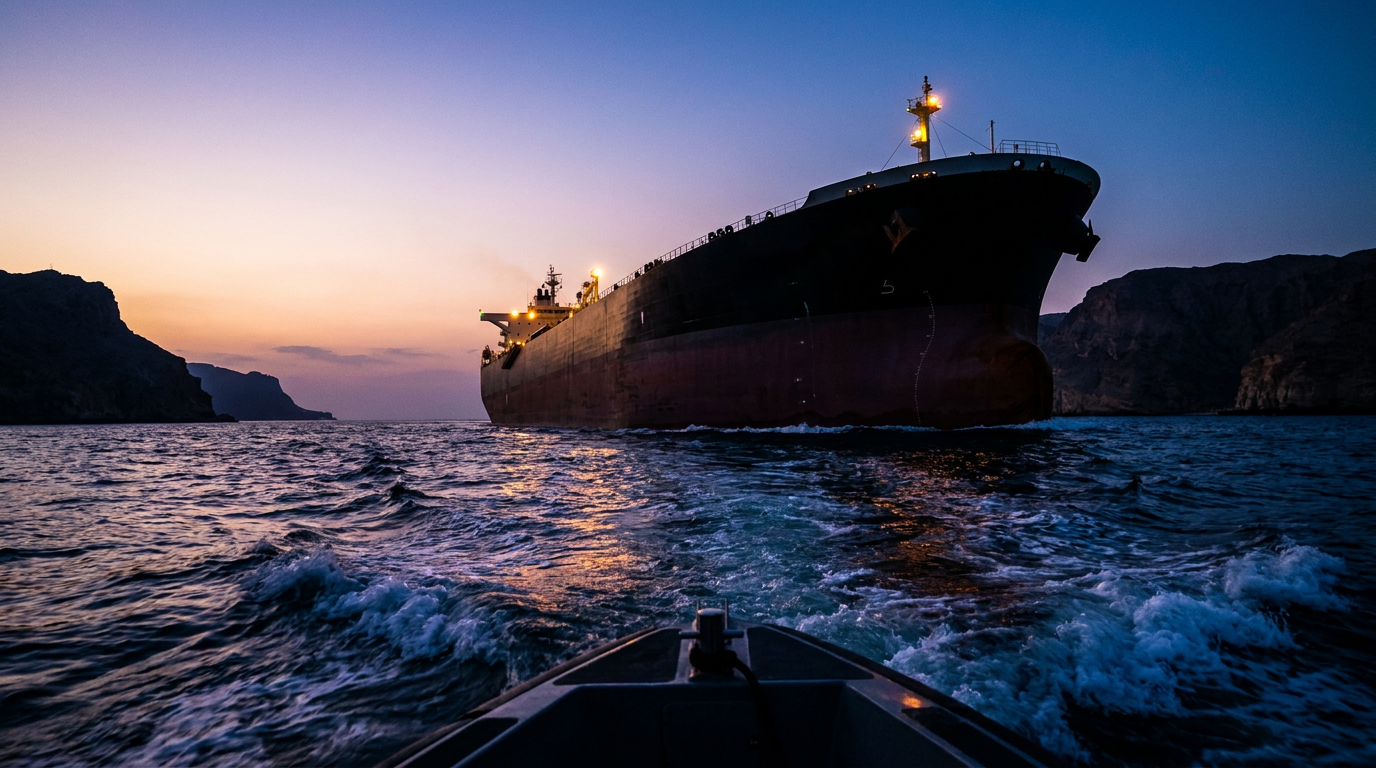
Vance Rebukes Israeli Critics of U.S.-Iran Peace Agreement, Warning Against Alienating 'Only Powerful Ally'
8 sources
Cognitive Defense
The Science of 'Prebunking': How Psychological Inoculation is Defeating Misinformation
6 sources

Every angle. Every day.
Get news politics stories with full source coverage and perspective breakdowns delivered to your inbox.