
US and Iran Reach Peace Deal to End Three-Month War and Reopen Strait of Hormuz
The United States and Iran have agreed to a 14-point peace deal that ends military operations on all fronts and lifts blockades on the strategically vital Strait of Hormuz.
By Factlen Editorial Team
- US Administration
- Views the deal as a historic victory that will lower domestic energy costs and permanently block Iran's nuclear ambitions.
- Iranian Leadership
- Emphasizes the lifting of the US naval blockade and the release of frozen assets as key conditions for peace.
- Regional Stakeholders
- Expresses cautious relief but remains highly skeptical that the ceasefire will hold on the ground, particularly in Lebanon.
- Global Markets
- Focused entirely on the rapid resumption of commercial shipping and the stabilization of global energy prices.
What's not represented
- · European Energy Importers
- · Yemen's Houthi Movement
Why this matters
The reopening of the Strait of Hormuz will unblock 20% of the world's petroleum supply, immediately driving down global energy costs and easing inflation. The ceasefire also halts a major regional war that had drawn in Lebanon, Israel, and global shipping markets.
Key points
- The US and Iran have agreed to a 14-point peace deal ending a three-month war.
- The agreement authorizes the immediate reopening of the Strait of Hormuz.
- A formal signing ceremony is scheduled for Friday in Geneva, Switzerland.
- The ceasefire includes a permanent end to military operations in Lebanon.
- A 60-day negotiation period will follow to address Iran's nuclear program.
The United States and Iran have reached a comprehensive peace agreement to end a devastating three-month war, signaling an immediate halt to military operations across the Middle East. The breakthrough was announced on Sunday by Pakistani Prime Minister Shehbaz Sharif, whose government served as the lead mediator alongside Qatar. Shortly after, U.S. President Donald Trump confirmed the agreement on social media, declaring the deal "complete" on his 80th birthday.[2][4][5][7]
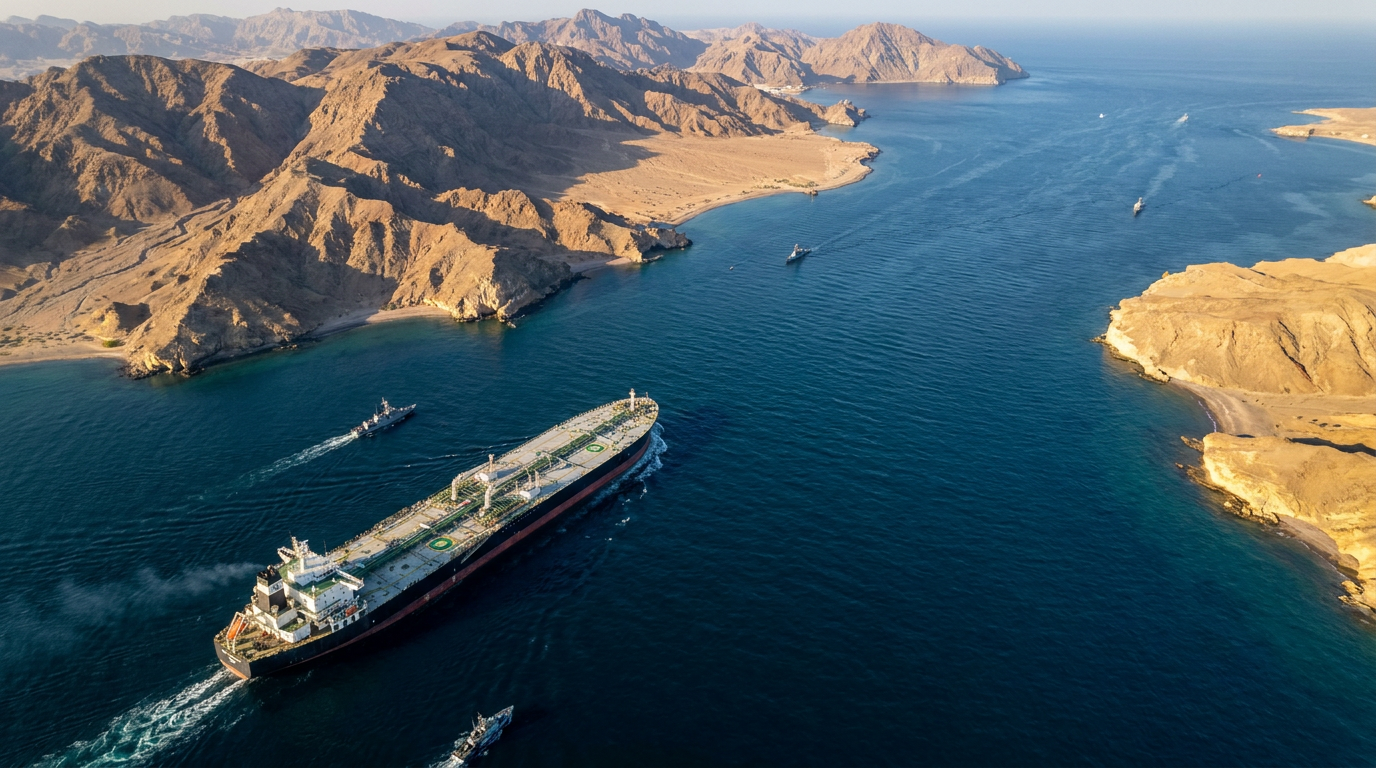
The immediate economic centerpiece of the agreement is the reopening of the Strait of Hormuz, a critical maritime choke point that handles roughly 20% of the world's petroleum and liquefied natural gas. Trump announced that he had authorized the "toll-free opening" of the waterway and the simultaneous removal of the U.S. naval blockade on Iranian ports, urging the "ships of the world" to restart their engines.[1][4][5][7]
Iranian officials confirmed the core elements of the ceasefire but offered a slightly different timeline for its execution. Iran's Deputy Foreign Minister, Kazem Gharibabadi, stated that while the cessation of hostilities is effective immediately, the physical unblocking of the strait and the lifting of the U.S. blockade will formally commence after the official signing ceremony. That ceremony is scheduled to take place in Geneva, Switzerland, on Friday, June 19.[1][4][5][7]

Global energy markets reacted instantly to the news, with Brent crude oil prices tumbling as traders anticipated the resumption of normal shipping flows. The closure of the strait since early March had triggered a worldwide economic shock, inflating gas prices, disrupting supply chains for agricultural fertilizers, and forcing hundreds of commercial vessels to anchor outside the conflict zone.[1][6]
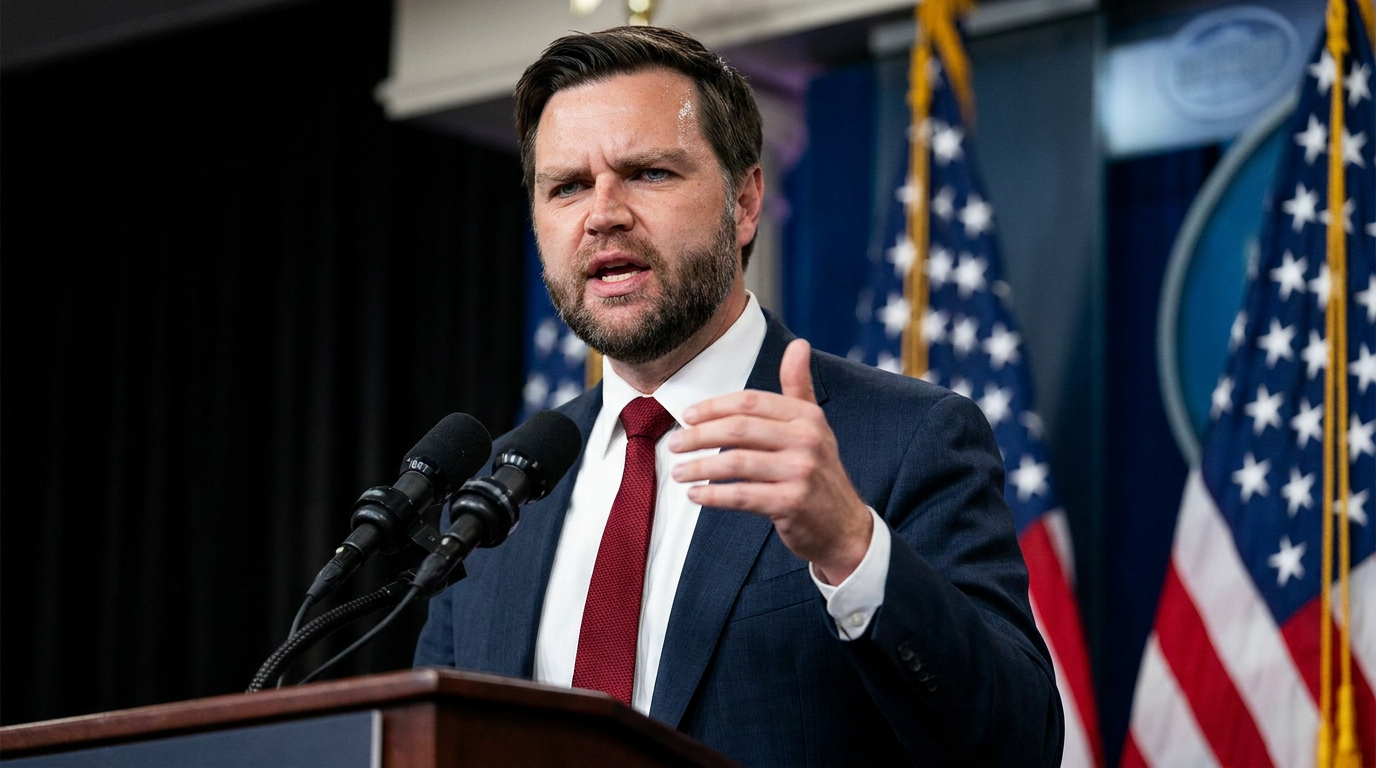
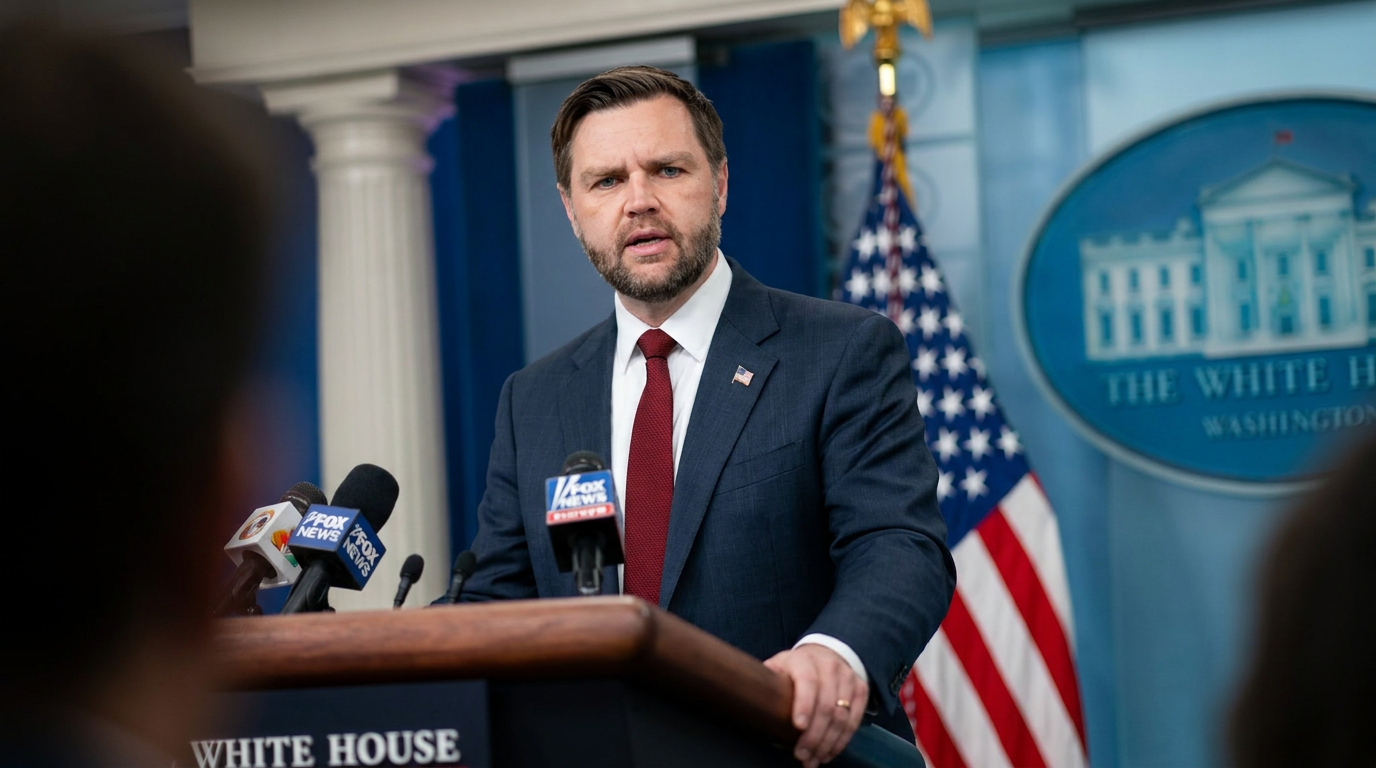
U.S. Vice President JD Vance emphasized the domestic benefits of the resolution, stating that the agreement will drive down the cost of energy for the long term and ease inflationary pressures on American consumers. Vance noted that he plans to attend the signing ceremony in Geneva, adding that it is possible President Trump may also travel to Switzerland for the event.[6]
Vance noted that he plans to attend the signing ceremony in Geneva, adding that it is possible President Trump may also travel to Switzerland for the event.
The diplomatic framework rests on a 14-point memorandum of understanding that outlines a timeline for resolving the conflict's most intractable issues. According to Iranian semi-official state media, the drafted terms include a U.S. commitment to non-interference and the potential release of $24 billion in frozen Iranian funds, though the White House has not publicly confirmed these specific financial concessions.[5][7]
A critical component of the memorandum is a 60-day negotiation period that will begin immediately after Friday's signing. This window is designed to address Iran's nuclear program and the broader architecture of U.S. sanctions. Trump has publicly insisted that the new framework will serve as an absolute barrier to Iran acquiring a nuclear weapon, though the exact mechanisms of enforcement remain a subject of upcoming technical talks.[2][4][7]

Geopolitically, the ceasefire extends beyond direct U.S.-Iran engagements to encompass the parallel conflict in Lebanon. The agreement mandates a permanent termination of military operations on all fronts, effectively freezing the intense exchange of strikes between Israel and the Iranian-backed militant group Hezbollah.[3][4][5][7]
Despite the diplomatic breakthrough, deep skepticism remains on the ground in Lebanon. Recent Israeli airstrikes on Beirut's southern suburbs—which occurred just hours before the deal's announcement—have left many Lebanese citizens and local officials questioning whether the truce will hold in practice.[3][5]
The war began on February 28, 2026, when the United States and Israel launched a massive aerial campaign against Iranian targets, resulting in the death of Iran's Supreme Leader, Ali Khamenei. In retaliation, Iran launched missile barrages across the region and sealed off the Strait of Hormuz, prompting the U.S. to impose a counter-blockade on Iranian maritime traffic in mid-April.[4][5]

The path to Friday's signing ceremony remains delicate. Mediators from Pakistan and Qatar will host a series of pre-implementation discussions this week to finalize the technical logistics of mine removal in the strait and the phased withdrawal of naval assets.[5][7]
If fully implemented, the agreement will close one of the most volatile chapters in modern Middle Eastern history. However, energy experts warn that while the political blockade may end on Friday, it will likely take months for global oil and gas supplies to fully normalize as shipping and insurance companies assess the durability of the peace.[1][2]
How we got here
Feb 28, 2026
The United States and Israel launch an aerial campaign against Iran, resulting in the death of Supreme Leader Ali Khamenei.
March 2026
Iran blocks the Strait of Hormuz in retaliation, triggering a global energy crisis and skyrocketing oil prices.
April 13, 2026
The United States imposes a naval counter-blockade on Iranian ports.
June 14, 2026
The U.S. and Iran announce a 14-point peace agreement and an immediate ceasefire on all fronts.
June 19, 2026
Official signing ceremony scheduled to take place in Geneva, Switzerland.
Viewpoints in depth
The US Administration's view
A triumph of maximum pressure yielding economic relief.
For the White House, the agreement is being framed as a total vindication of its aggressive military and economic posture. Vice President JD Vance and President Trump have emphasized that the deal will immediately drive down energy costs for American consumers by unblocking the Strait of Hormuz. Furthermore, the administration insists that the upcoming 60-day negotiation period will result in an ironclad framework that permanently dismantles Iran's nuclear capabilities, achieving what previous diplomatic efforts could not.
The Iranian Leadership's view
Securing economic survival and regional sovereignty.
Tehran is projecting the agreement as a successful defense of its sovereignty against a dual U.S.-Israeli assault. Iranian state media has heavily emphasized the impending release of $24 billion in frozen assets and the lifting of the U.S. naval blockade as major concessions extracted from Washington. By insisting that the Strait of Hormuz will only reopen under 'Iranian arrangements' following the official signing, the government is signaling to its domestic audience that it retains ultimate control over its territorial waters.
Regional Stakeholders' view
Deep skepticism over the durability of the ceasefire.
In Lebanon and Israel, the grand diplomatic announcements in Washington and Tehran are being met with profound caution. Lebanese citizens and local officials note that Israeli airstrikes on Beirut continued just hours before the deal was announced, raising fears that the Hezbollah-Israel front may not easily quiet down. Israeli commentators have similarly expressed concern that the 14-point memorandum leaves too many security questions unanswered, fearing that Iran will use the truce to rebuild its regional proxy networks.
Global Markets' view
Desperate for stability but bracing for a slow recovery.
The international shipping and energy sectors are breathing a collective sigh of relief, as evidenced by the immediate drop in Brent crude prices. However, industry analysts warn that the physical unblocking of the Strait of Hormuz is only the first step. Shipping firms and maritime insurance companies will require concrete proof that the waterway is clear of sea mines and safe from sudden seizures before they resume full operations, meaning it could take months for global supply chains to fully normalize.
What we don't know
- Whether the ceasefire will hold on the ground in Lebanon, where Israeli strikes and Hezbollah rocket fire have continued up to the announcement.
- The exact mechanisms that will be used to enforce the 60-day negotiation period regarding Iran's nuclear program.
- How quickly maritime insurance companies will clear commercial vessels to transit the Strait of Hormuz once the blockade is officially lifted.
Key terms
- Strait of Hormuz
- A narrow, strategically vital waterway between the Persian Gulf and the Gulf of Oman, through which roughly 20% of the world's oil passes.
- Memorandum of Understanding (MoU)
- A formal agreement between two or more parties outlining the terms and details of an understanding, which in this case serves as the framework for the peace deal.
- Naval Blockade
- A military operation used to prevent commercial and military vessels from entering or leaving a country's ports, utilized by both the U.S. and Iran during the conflict.
Frequently asked
When will the Strait of Hormuz reopen?
U.S. President Donald Trump authorized its immediate reopening, but Iranian officials stated that implementation and mine removal will begin after the official deal signing on Friday.
Does this deal end the fighting in Lebanon?
Yes, the agreement includes an 'immediate and permanent' end to military operations on all fronts, which encompasses the conflict between Israel and Hezbollah.
What happens to Iran's nuclear program?
The agreement establishes a 60-day negotiation period following the signing to address Iran's nuclear program and the potential lifting of broader U.S. sanctions.
Sources
Source coverage
7 outlets
4 viewpoints surfaced







[1]The GuardianGlobal Markets
Oil prices tumble amid hopes strait of Hormuz will soon reopen
Read on The Guardian →[2]BBCGlobal Markets
Trump heralds Iran deal but questions - and risks - remain
Read on BBC →[3]Al JazeeraRegional Stakeholders
Lebanese remain sceptical despite US-Iran ceasefire announcement
Read on Al Jazeera →[4]CBS NewsUS Administration
Deal reached between U.S. and Iran, Trump and Pakistani prime minister say
Read on CBS News →[5]The NationalIranian Leadership
Iran deal complete, Trump says as he 'authorises' reopening of Strait of Hormuz
Read on The National →[6]Fox NewsUS Administration
Vance: US-Iran deal will 'drive down the cost of energy' and create prosperity
Read on Fox News →[7]Jerusalem PostRegional Stakeholders
US-Iran peace deal is complete, Trump announces
Read on Jerusalem Post →
More in news politics
See all 9 stories →US-Iran Deal
U.S. and Iran Sign Agreement to End War; Vance Lashes Out at Israeli Critics
7 sources
U.S.-Iran Deal
U.S. and Iran Sign 14-Point Agreement to End War, Sparking Fierce Backlash from Israel
6 sources
U.S.-Iran Relations
Vance Rebukes Israeli Critics of U.S.-Iran Peace Agreement, Warning Against Alienating 'Only Powerful Ally'
8 sources
Cognitive Defense
The Science of 'Prebunking': How Psychological Inoculation is Defeating Misinformation
6 sources

Every angle. Every day.
Get news politics stories with full source coverage and perspective breakdowns delivered to your inbox.