
US and Iran Reach Peace Deal to End 100-Day War and Reopen Strait of Hormuz
The United States and Iran have announced a sweeping agreement to permanently end military operations and lift the US naval blockade on the Strait of Hormuz. The deal, mediated by Pakistan, sets the stage for 60 days of high-stakes negotiations over Iran's nuclear program.
By Factlen Editorial Team
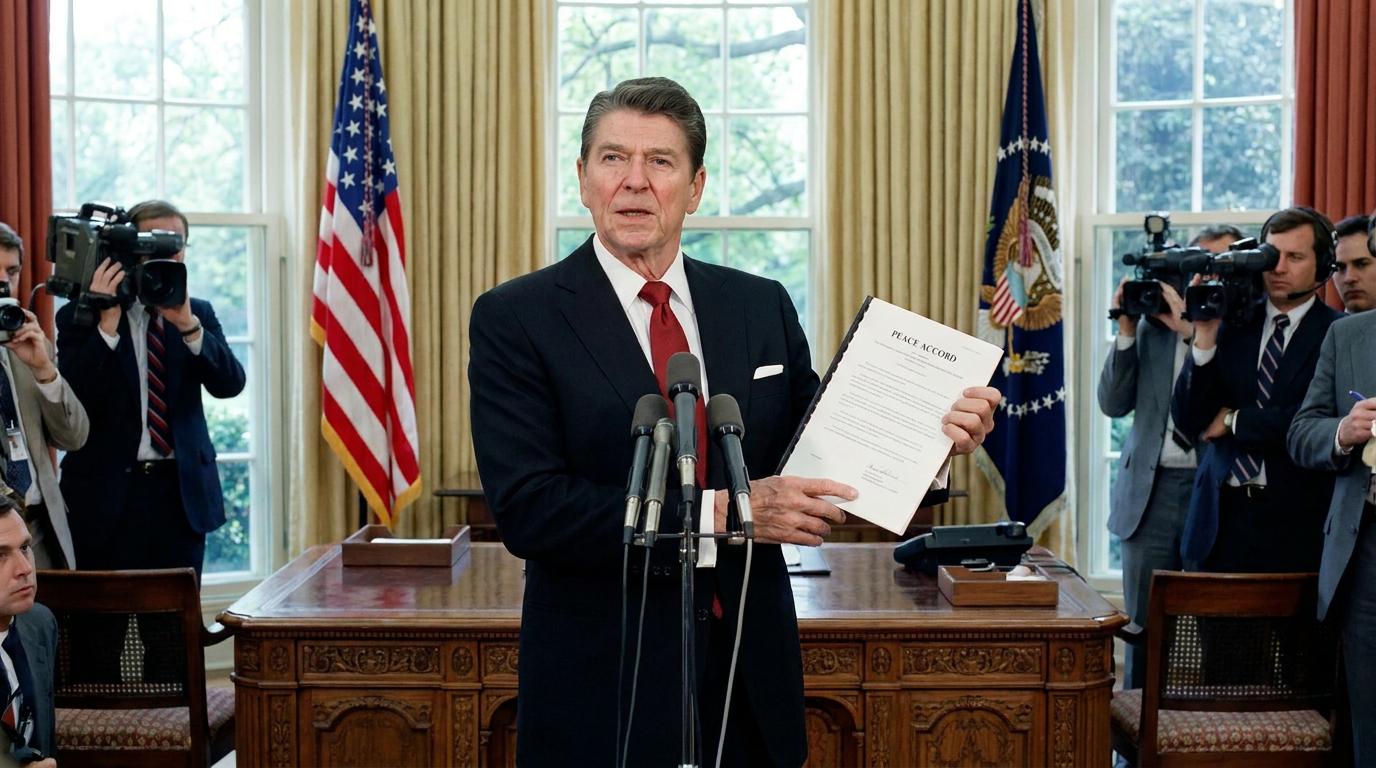
- U.S. Administration
- Focuses on the economic victory of reopening global oil trade and insists that Iran must permanently abandon its nuclear weapons ambitions.
- Iranian Government
- Emphasizes the lifting of crippling economic sanctions, the release of frozen assets, and the withdrawal of U.S. military pressure.
- Global Energy Markets
- Relieved by the immediate drop in crude oil prices but remains cautious about the fragility of the 60-day negotiation window.
- Regional Stakeholders
- Closely monitoring the 'all fronts' ceasefire to see if it successfully halts proxy conflicts in areas like Lebanon.
What's not represented
- · Lebanese Civilians
- · European Union Diplomats
- · Israeli Defense Officials
Why this matters
The reopening of the Strait of Hormuz immediately lowers global oil prices, easing inflationary pressures on consumers worldwide. Furthermore, the end of direct U.S.-Iran hostilities significantly reduces the risk of a broader Middle Eastern war that could entangle American troops.
Key points
- The U.S. and Iran have agreed to a peace deal ending over 100 days of direct military conflict.
- The U.S. has authorized the immediate removal of its naval blockade on the Strait of Hormuz.
- The agreement includes a 60-day negotiation window to address Iran's nuclear program and international sanctions.
- U.S. crude oil prices dropped by over 4% to $81.30 per barrel following the announcement.
- The ceasefire extends to all fronts, including ongoing hostilities in Lebanon.
- An official signing ceremony is scheduled for Friday, June 19, in Switzerland.
The United States and Iran have reached a sweeping peace agreement to end more than 100 days of direct military conflict, marked by the immediate removal of the U.S. naval blockade on the Strait of Hormuz. The breakthrough represents a massive de-escalation in a war that had severely disrupted global energy markets.[2][3]
The agreement, brokered heavily by Pakistani Prime Minister Shehbaz Sharif, declares an "immediate and permanent termination of military operations on all fronts." Crucially, the ceasefire framework extends to Lebanon, attempting to cool a broader regional crisis that has threatened to engulf the Middle East in a multi-front proxy war.[2][7]
The U.S. administration announced the finalization of the pact on Sunday evening, declaring the deal "complete." In a direct message to the global shipping industry, the White House authorized the toll-free opening of the strait, urging ships of the world to "start your engines" and "let the oil flow."[2][6]
The official memorandum of understanding is scheduled to be signed on Friday, June 19, in Switzerland. Iranian Deputy Foreign Minister Kazem Gharibabadi confirmed the timeline on state television, signaling a rare moment of diplomatic alignment between Washington and Tehran after months of escalating warfare.[3][4]

The economic relief was instantaneous. U.S. crude oil prices tumbled by more than 4% in early trading, dropping to $81.30 per barrel. Energy markets had been heavily constrained by the blockade of the Strait of Hormuz, a critical maritime chokepoint that normally facilitates roughly a fifth of global oil consumption.[2][5]
While the immediate cessation of hostilities is secured, the long-term stability of the pact hinges on a forthcoming 60-day negotiation window. These high-stakes talks will focus on the ultimate fate of Iran's nuclear program and the systematic lifting of international sanctions.[1][4]

While the immediate cessation of hostilities is secured, the long-term stability of the pact hinges on a forthcoming 60-day negotiation window.
Iranian state media outlets report that the 14-point agreement includes provisions for unfreezing up to $24 billion in Iranian assets held abroad. The reports also suggest the deal outlines a phased withdrawal of U.S. military personnel from Iran's immediate periphery, though the White House has not publicly confirmed those specific terms.[4][5]
The U.S. administration continues to draw a hard line regarding Tehran's nuclear ambitions. Officials reiterated their longstanding promise that Iran will never be permitted to acquire a nuclear weapon, warning that the U.S. military is prepared to resume strikes if a comprehensive nuclear accord is not reached during the 60-day window.[1][4]
Iran has consistently maintained that its nuclear program is strictly for peaceful purposes. However, U.S. strikes earlier in the conflict heavily targeted Iranian nuclear sites, and the upcoming talks will likely require Tehran to agree to stringent international inspections and a halt to high-level uranium enrichment.[1][5]
The inclusion of Lebanon in the ceasefire text highlights the complex web of regional alliances complicating the peace process. Just hours before the deal was announced, Israeli forces struck Hezbollah targets in Beirut, a move that briefly threatened to derail the entire diplomatic effort.[2][7]

The White House addressed the Beirut strikes directly, stating they "should not have happened" so close to the finalization of the agreement. Iranian parliamentary leaders condemned the strikes but signaled that the broader U.S.-Iran diplomatic track would remain open, provided the ceasefire holds across all designated fronts.[7]
For the U.S. administration, the agreement represents a defining foreign policy maneuver. By ending the 100-day war and reopening global energy arteries, the White House aims to stabilize the U.S. economy while attempting to forge a stricter, more permanent nuclear framework than the 2015 multilateral deal it previously abandoned.[1][2]
As diplomatic delegations prepare for Friday's signing ceremony in Switzerland, technical teams are already engaged in "pre-implementation discussions." Their immediate priorities include coordinating the safe removal of naval mines from the Strait of Hormuz and establishing the verification mechanisms necessary to ensure both sides honor the fragile truce.[1][4]
How we got here
Early 2026
Direct military conflict escalates between the U.S. and Iran, leading to a U.S. naval blockade of the Strait of Hormuz.
June 12, 2026
The White House cancels a planned round of military strikes against Iran as diplomatic back-channels progress.
June 14, 2026
The U.S. and Pakistani mediators announce a complete peace deal and the end of the naval blockade.
June 19, 2026
The official memorandum of understanding is scheduled to be signed by U.S. and Iranian officials in Switzerland.
Viewpoints in depth
The U.S. Administration's View
The White House frames the deal as a dual economic and security victory, prioritizing the flow of oil and strict nuclear containment.
U.S. officials emphasize that the immediate reopening of the Strait of Hormuz is a massive win for the global economy and American consumers. By ending the naval blockade, the administration aims to stabilize energy markets. However, the administration remains adamant that the ceasefire is conditional on Iran permanently abandoning its nuclear weapons program, warning that military force remains on the table if the upcoming 60-day negotiations fail.
Iran's Stance
Tehran views the agreement as a necessary step to relieve crippling economic pressure while maintaining its sovereign rights.
For Iranian leadership, the primary victories in this memorandum of understanding are the lifting of the U.S. naval blockade, the unfreezing of up to $24 billion in foreign-held assets, and the cessation of American military strikes. Iranian officials continue to assert that their nuclear program is strictly for peaceful civilian purposes. They frame the 60-day negotiation window not as a surrender of their nuclear capabilities, but as a diplomatic pathway to permanently remove international sanctions.
Energy Markets and Global Trade
The shipping and energy sectors are expressing profound relief, though caution remains regarding the deal's long-term durability.
Commodity traders and maritime shipping companies reacted swiftly and positively to the news, evidenced by the immediate 4% drop in U.S. crude oil prices. The Strait of Hormuz is the world's most important oil transit chokepoint, and its blockade had severely constrained global supply chains. While the industry is eager to resume normal operations, analysts warn that the complex logistics of mine removal and the looming threat of the 60-day nuclear deadline mean that market volatility could easily return.
What we don't know
- Whether Iran will agree to the strict nuclear concessions demanded by the U.S. during the 60-day negotiation window.
- How the ceasefire will be enforced in proxy conflict zones like Lebanon if isolated skirmishes continue.
- The exact timeline for the safe removal of naval mines from the Strait of Hormuz to allow full commercial shipping.
Key terms
- Strait of Hormuz
- A narrow, strategically critical waterway between the Persian Gulf and the Gulf of Oman through which roughly 20% of the world's oil supply passes.
- Memorandum of Understanding (MoU)
- A formal agreement between two or more parties outlining the terms and details of a mutual understanding, often serving as the foundation for a binding treaty.
- Naval Blockade
- The use of naval forces to cut off a specific area, preventing ships from entering or leaving, typically to exert economic or military pressure.
Frequently asked
When will the Strait of Hormuz reopen?
The U.S. has authorized the immediate removal of the naval blockade, and the waterway is expected to fully reopen to commercial shipping following the official signing of the deal on Friday, pending mine removal.
Does this deal solve the nuclear dispute?
Not yet. The agreement establishes a 60-day window for intensive negotiations specifically focused on Iran's nuclear program and the lifting of international sanctions.
Are other Middle Eastern conflicts included in the ceasefire?
Yes, the agreement calls for a permanent termination of military operations on all fronts, explicitly including the ongoing hostilities in Lebanon.
Sources
Source coverage
7 outlets
4 viewpoints surfaced







[1]The GuardianRegional Stakeholders
What do we know about the US-Iran peace deal – and what questions remain?
Read on The Guardian →[2]ForbesU.S. Administration
Trump Says Iran Peace Deal 'Complete'—Ends Strait Of Hormuz Blockade
Read on Forbes →[3]CBS NewsU.S. Administration
Trump says U.S. deal with Iran 'is now complete,' authorizes removal of Navy blockade of Strait of Hormuz
Read on CBS News →[4]The Jerusalem PostIranian Government
US-Iran peace deal is complete, Donald Trump announces
Read on The Jerusalem Post →[5]Investing.comIranian Government
US, Iran reach peace deal; Trump says Strait of Hormuz to reopen
Read on Investing.com →[6]SBS NewsGlobal Energy Markets
'Let the oil flow!': US and Iran reach long-awaited peace deal
Read on SBS News →[7]ABS-CBN NewsRegional Stakeholders
US-Iran peace deal announced with 'permanent' end to military action
Read on ABS-CBN News →
More in news politics
See all 9 stories →US-Iran Deal
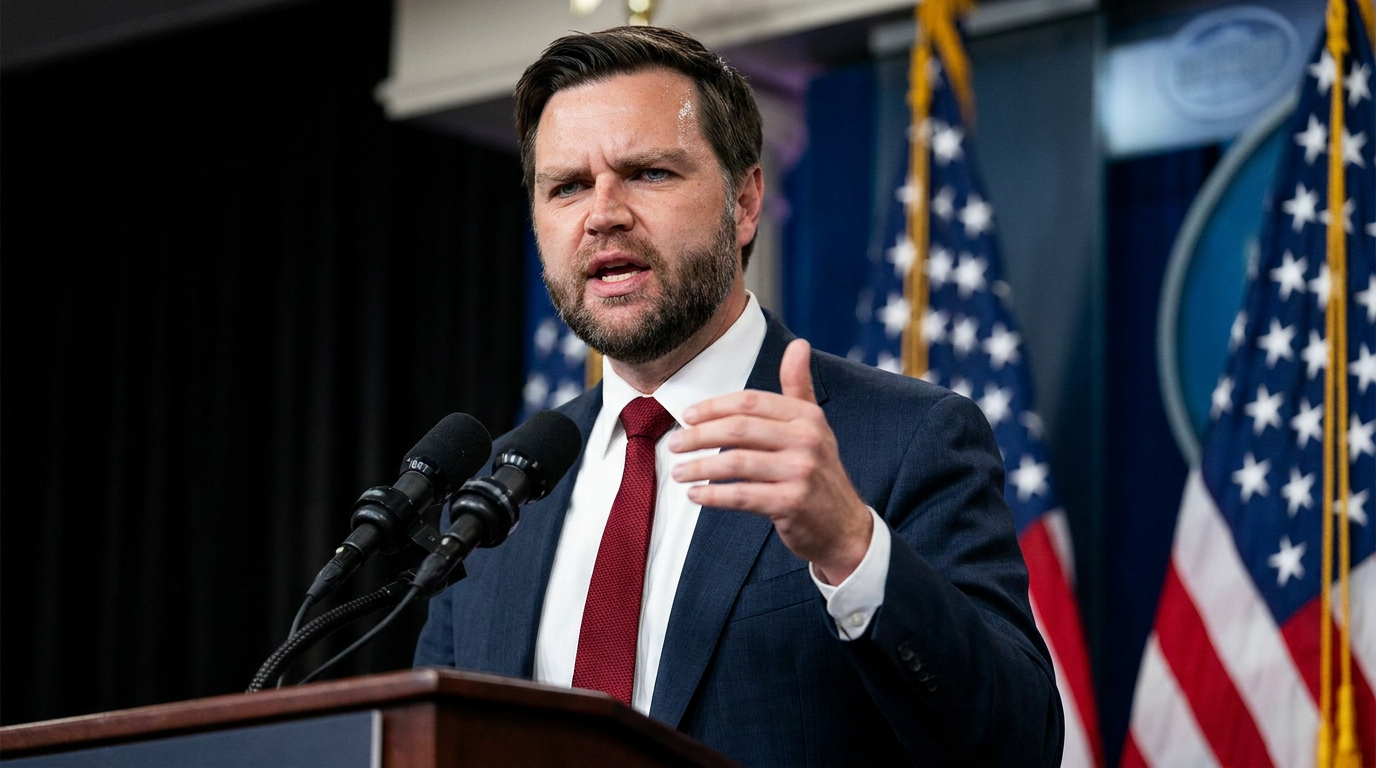
U.S. and Iran Sign Agreement to End War; Vance Lashes Out at Israeli Critics
7 sources
U.S.-Iran Deal
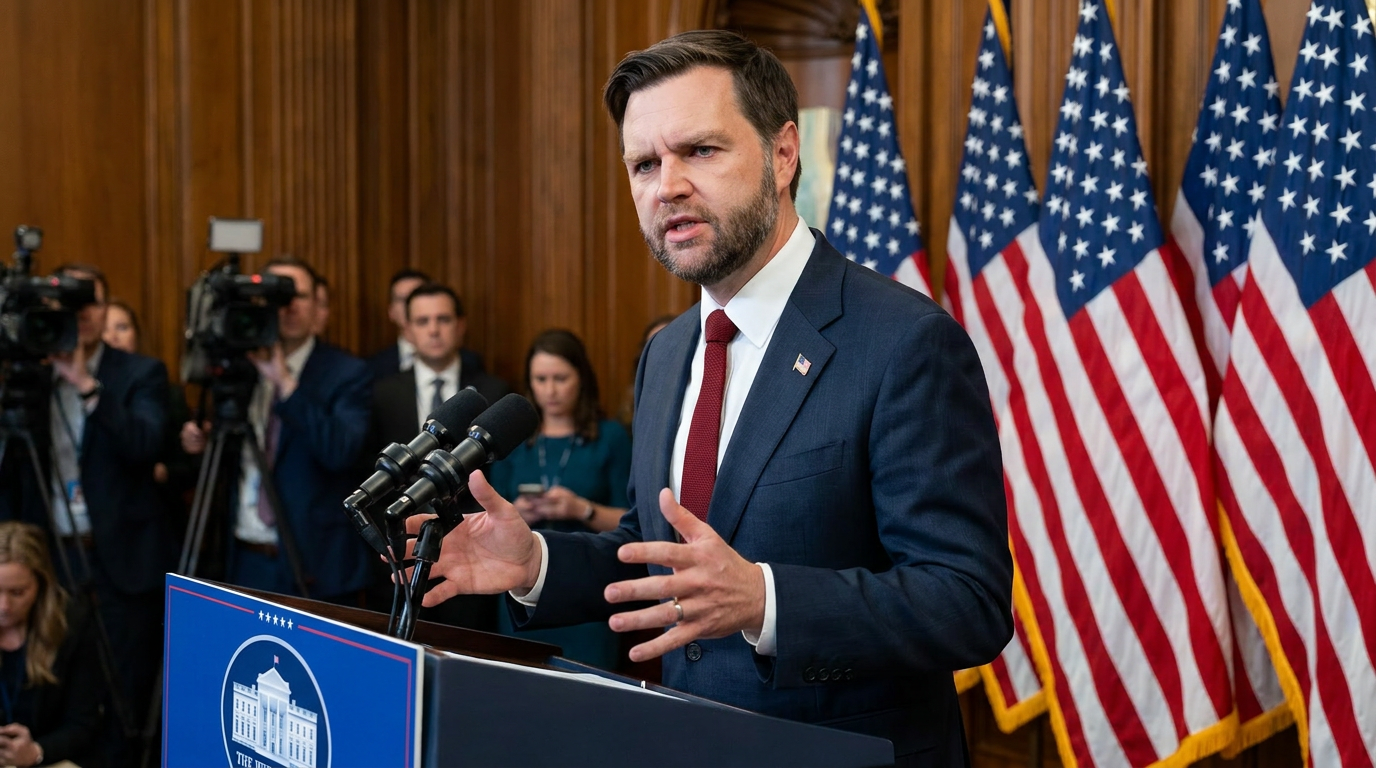
U.S. and Iran Sign 14-Point Agreement to End War, Sparking Fierce Backlash from Israel
6 sources
U.S.-Iran Relations
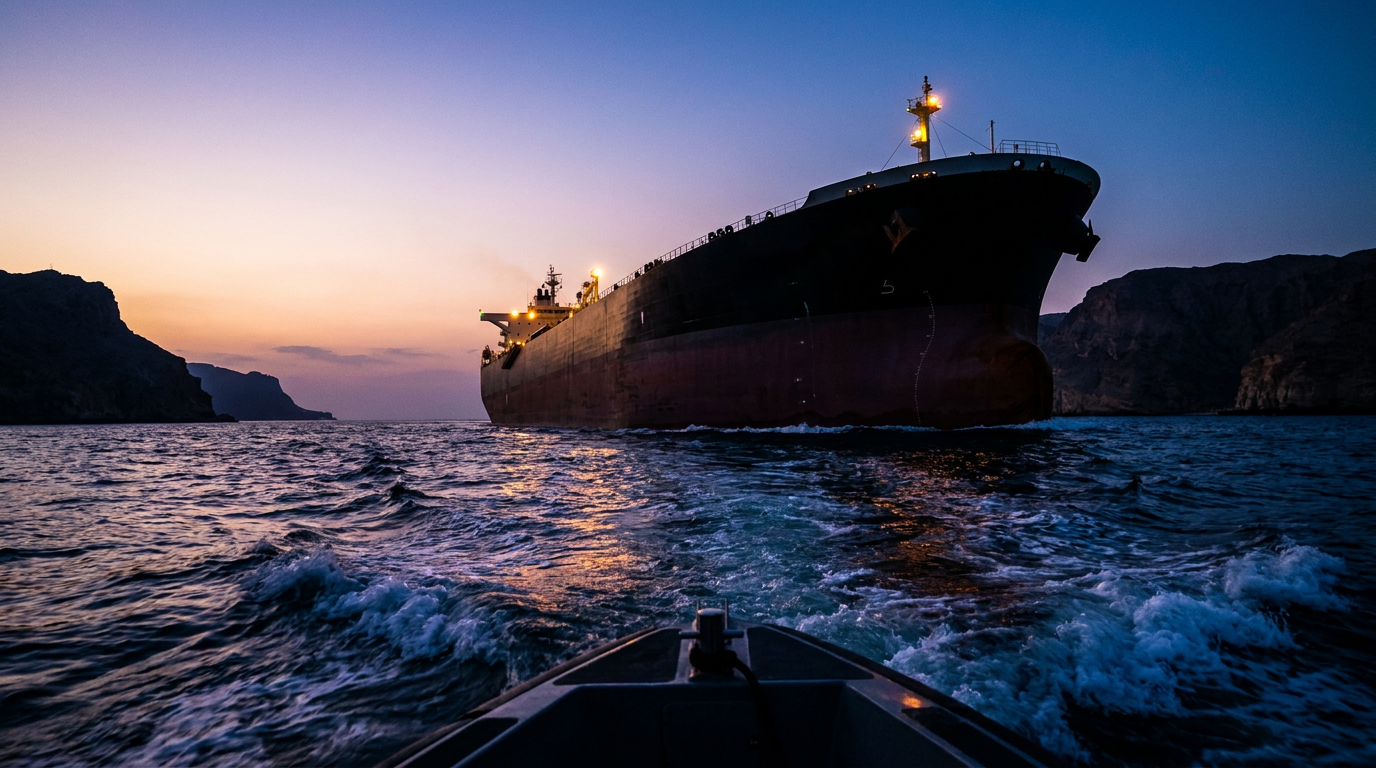
Vance Rebukes Israeli Critics of U.S.-Iran Peace Agreement, Warning Against Alienating 'Only Powerful Ally'
8 sources
Cognitive Defense
The Science of 'Prebunking': How Psychological Inoculation is Defeating Misinformation
6 sources

Every angle. Every day.
Get news politics stories with full source coverage and perspective breakdowns delivered to your inbox.