
US and Iran Reach Last-Minute Peace Agreement, Reopening Strait of Hormuz
The United States and Iran have brokered a sudden peace agreement to end their military standoff, lifting the US blockade and reopening the critical Strait of Hormuz to global shipping.
By Factlen Editorial Team
- US Administration
- Frames the agreement as a diplomatic masterstroke that successfully averted war through maximum pressure.
- Iranian Leadership
- Views the lifting of the blockade as a victory for national resistance against Western coercion.
- US Domestic Critics
- Argues that lifting the blockade without verifiable concessions amounts to a dangerous surrender.
- Global Energy Markets
- Prioritizes the immediate resumption of commercial shipping and the stabilization of global oil prices.
What's not represented
- · Saudi Arabian and UAE leadership
- · Commercial shipping line operators
Why this matters
The immediate reopening of the Strait of Hormuz averts a catastrophic spike in global energy prices and pulls the Middle East back from the brink of a major war. However, the intense secrecy surrounding the deal's terms leaves the long-term security architecture of the region highly uncertain.
Key points
- The US and Iran have reached a last-minute agreement to end their military standoff.
- The US naval blockade will be lifted, and the Strait of Hormuz will reopen on Friday.
- Global oil prices plummeted as the threat of a major supply disruption faded.
- Iranian leadership is framing the deal as a victory for national resistance.
- US lawmakers are demanding transparency over the still-secret terms of the pact.
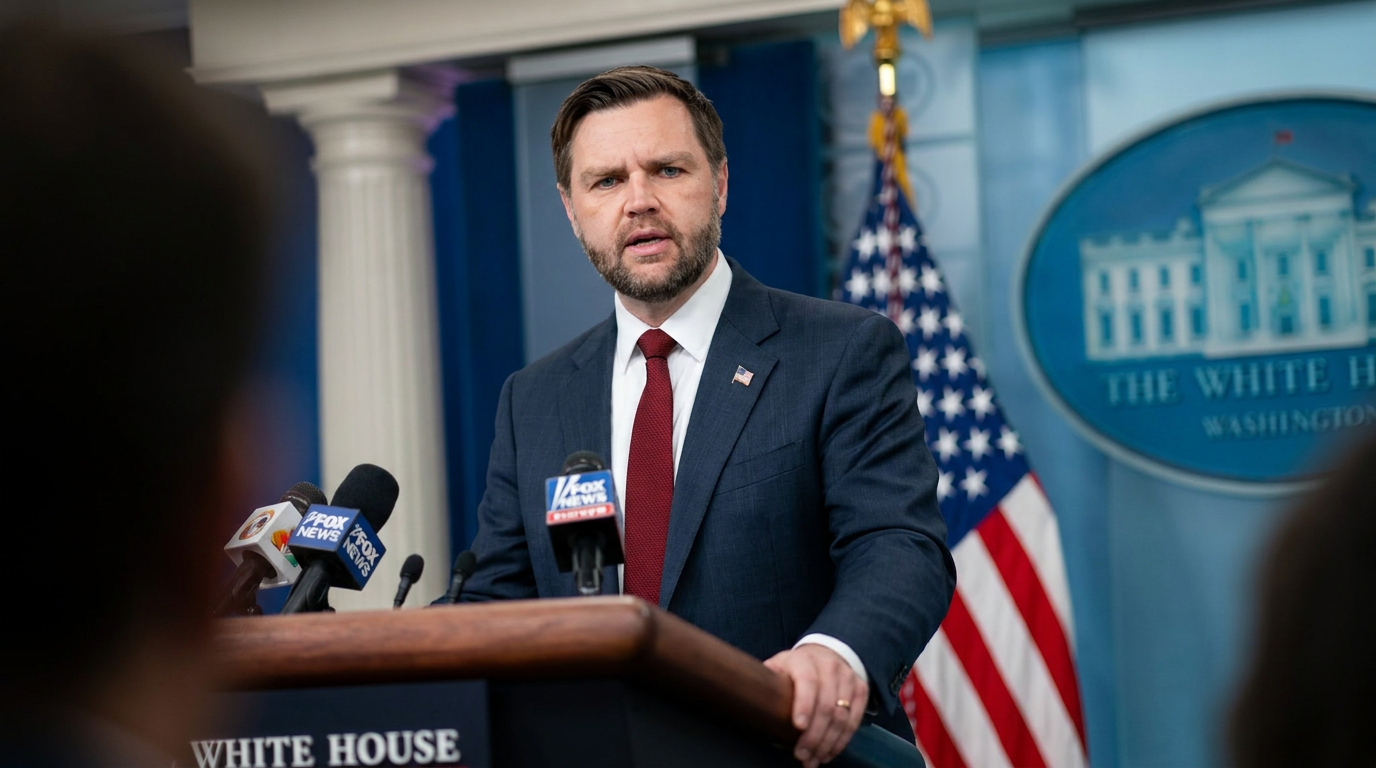
US President Donald Trump has announced a sudden, last-minute peace agreement with Iran, effectively ending a highly volatile military standoff and a crippling US naval blockade that had brought the two nations to the brink of direct conflict. The breakthrough, confirmed after weeks of stalled negotiations and escalating rhetoric, averts a broader regional war that had threatened to engulf the Middle East and disrupt global supply chains. Speaking from the White House, the administration framed the eleventh-hour pact as a triumph of maximum pressure and decisive diplomacy, though the precise mechanisms that broke the deadlock remain closely guarded. The announcement marks a dramatic pivot from the administration's previous posture, shifting the geopolitical landscape of the Gulf almost overnight.[1][5]
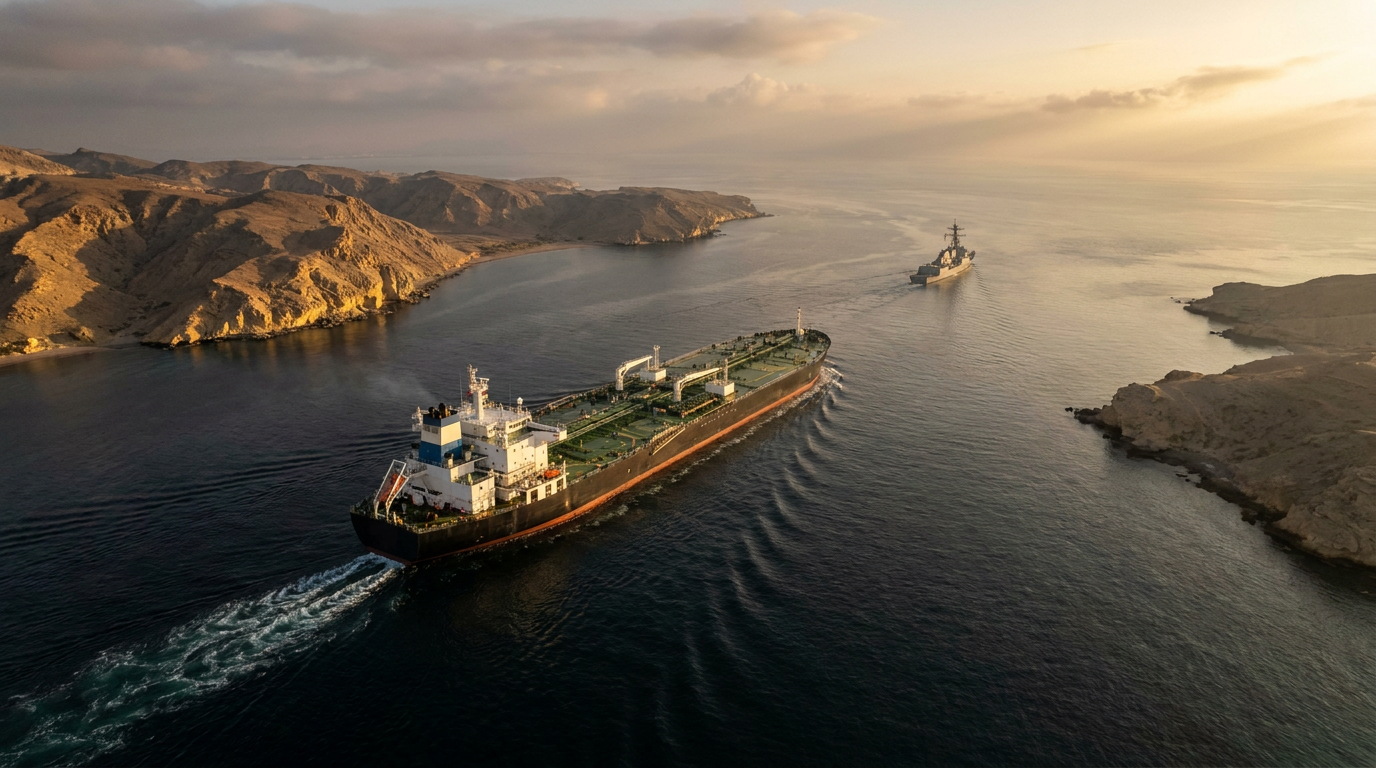
The immediate and most globally significant outcome of the newly minted pact is the scheduled reopening of the Strait of Hormuz, set to take place this coming Friday. This critical maritime chokepoint, a narrow waterway between the Persian Gulf and the Gulf of Oman, serves as the transit route for roughly a fifth of the world's daily oil consumption. For weeks, the strait had been effectively paralyzed by the escalating military presence, mine threats, and retaliatory posturing from both American and Iranian naval forces. The resumption of commercial shipping lanes is expected to be closely monitored by international maritime coalitions, with Friday's reopening serving as the first major test of the agreement's durability and both nations' commitment to de-escalation.[2][3]

In Tehran, the agreement is being aggressively framed as an unmitigated triumph of national endurance. Iranian state media and top government officials declared that the "peace deal" successfully forced the United States to abandon its blockade and cease hostilities on all fronts without extracting fatal concessions from the Islamic Republic. Iranian leadership emphasized to domestic audiences that the reopening of the strait was a strategic victory won through resilience rather than capitulation to Western demands. This narrative of resistance successfully repelling a superpower blockade is already being heavily broadcast across state television, aiming to bolster domestic support and project strength to Iran's regional proxy networks.[2][7]
The economic fallout from the sudden de-escalation was instantaneous and overwhelmingly positive for global markets. Energy traders, who had been pricing in a worst-case scenario of prolonged supply disruptions and potential infrastructure strikes, reacted swiftly to the news. Brent crude prices, which had spiked dangerously during the height of the standoff, plummeted back toward $85 a barrel within hours of the announcement. Equities markets across Europe and Asia rallied sharply, reflecting widespread relief among nations heavily dependent on Gulf energy exports. Industrial sectors that rely heavily on petroleum products saw immediate stock bumps, as the specter of a recession-triggering energy crisis evaporated.[3][6]

The economic fallout from the sudden de-escalation was instantaneous and overwhelmingly positive for global markets.
Despite the global economic relief, the domestic reaction within the United States has been sharply divided and highly contentious. While the administration touts the deal as a masterclass in high-stakes negotiation that achieved peace without American casualties, critics across the political spectrum are raising severe alarms over the intense secrecy surrounding the actual terms. Several prominent foreign policy hawks and opposition lawmakers have already preemptively labeled the unseen agreement a "surrender document," arguing that lifting the blockade without verifiable, structural changes to Iran's behavior is a strategic blunder. These critics are demanding immediate congressional oversight and full transparency regarding what was traded away in the final hours.[1][4]
Lawmakers are particularly concerned about what specific concessions were made regarding Iran's nuclear enrichment program, its ballistic missile development, and its ongoing financial support for regional proxy networks across Lebanon, Syria, and Yemen. The White House has so far declined to publish the full text of the agreement or its annexes, citing the need to finalize sensitive technical implementation details before Friday's official signing ceremony. This information vacuum has fueled intense speculation in Washington, with think tanks and policy analysts warning that a poorly structured deal could inadvertently embolden Tehran while alienating traditional American allies in the Gulf who rely on a strong US security umbrella.[4][5]

Internationally, the diplomatic response has been characterized by profound, albeit cautious, relief. Regional actors like Qatar and Pakistan, who have frequently found themselves caught in the crossfire of US-Iran tensions and have actively attempted to mediate the crisis, publicly applauded the agreement as a vital step toward lasting tranquility in the region. European allies, who have long advocated for a diplomatic off-ramp to the crisis, echoed these sentiments and offered to assist in monitoring the maritime de-escalation. However, diplomats in London, Paris, and Berlin privately acknowledge that the durability of the deal remains entirely untested until the secret provisions are implemented.[2][8]
The coming days will be absolutely critical as the world watches to see if both Washington and Tehran follow through on their initial de-escalation commitments. The physical withdrawal of naval strike groups, the clearing of any maritime hazards, and the safe resumption of commercial tanker traffic on Friday will serve as the first tangible proof of the agreement's viability. International energy monitors and military observers will be scrutinizing every movement in the Gulf. Until the secret annexes are brought to light and the enforcement mechanisms are clarified, the long-term strategic balance of the Middle East remains in a precarious state of transition.[3][4][5]
How we got here
Last Month
The US initiates a naval blockade following a series of regional military escalations.
Last Week
Negotiations stall, leading to widespread fears of an imminent, direct military conflict.
Monday
President Trump confirms a last-minute peace agreement has been reached.
Friday
The official signing ceremony is scheduled, alongside the reopening of the Strait of Hormuz.
Viewpoints in depth
US Administration
The White House views the agreement as a successful application of maximum pressure diplomacy.
Administration officials argue that the willingness to enforce a strict blockade and risk conflict ultimately forced Tehran to the negotiating table. By securing an agreement without committing US ground forces or suffering casualties, the administration frames the outcome as a masterclass in high-stakes leverage. They maintain that the secret technical annexes will ensure long-term compliance and regional stability once implemented.
Iranian Leadership
Tehran characterizes the end of the blockade as a capitulation by the United States.
Iranian state media and political leaders are projecting the agreement as a monumental victory for the nation's "resistance economy." They argue that Iran successfully withstood a superpower's siege without surrendering its core sovereign rights or dismantling its regional defense networks. For the domestic audience, the reopening of the Strait of Hormuz is portrayed not as a mutual compromise, but as the US backing down from an unwinnable confrontation.
US Domestic Critics
Hawkish lawmakers fear the administration traded away vital security guarantees for a quick headline.
Critics across the US political spectrum are deeply suspicious of the secrecy surrounding the deal. Foreign policy hawks argue that lifting the blockade without verifiable, structural dismantling of Iran's nuclear enrichment capabilities or its proxy funding networks amounts to a strategic surrender. They warn that the immediate economic relief provided to Tehran will simply be funneled back into destabilizing activities across the Middle East.
Global Energy Markets
Economic stakeholders are primarily relieved by the resumption of predictable maritime commerce.
For international energy traders, shipping conglomerates, and oil-importing nations, the geopolitical nuances of the deal are secondary to the physical reopening of the Strait of Hormuz. The blockade had introduced an intolerable level of risk into global supply chains, threatening to trigger a worldwide recession. The market's immediate reaction—a sharp drop in crude prices—reflects a collective sigh of relief that the worst-case scenario of infrastructure destruction has been avoided.
What we don't know
- The specific concessions made regarding Iran's nuclear enrichment program.
- The enforcement mechanisms designed to ensure both sides comply with the secret terms.
- How traditional US allies in the Gulf, such as Saudi Arabia, were consulted on the final text.
Key terms
- Strait of Hormuz
- A narrow, strategically vital waterway between the Persian Gulf and the Gulf of Oman through which 20% of the world's oil passes.
- Naval Blockade
- A military operation in which ships are used to cut off a specific area, preventing the passage of commerce and supplies.
- Brent Crude
- A major trading classification of sweet light crude oil that serves as a benchmark price for purchases of oil worldwide.
Frequently asked
What did the US and Iran agree to?
The two nations agreed to end their military standoff and lift the US naval blockade. However, the specific diplomatic and nuclear concessions remain secret pending Friday's signing.
When will the Strait of Hormuz reopen?
The critical shipping lane is scheduled to officially reopen to commercial tanker traffic this coming Friday.
Why are some US lawmakers criticizing the deal?
Critics are alarmed by the intense secrecy of the agreement, fearing the administration may have made dangerous concessions regarding Iran's nuclear program or proxy networks.
How did the global economy react?
Markets rallied significantly. The price of Brent crude oil dropped sharply toward $85 a barrel as fears of a prolonged energy crisis evaporated.
Sources
Source coverage
8 outlets
4 viewpoints surfaced








[1]Fox NewsUS Administration
Trump again says deal is close, then confirms a last-minute agreement with Iran, but details still secret
Read on Fox News →[2]Al JazeeraIranian Leadership
Iran war live: Tehran says ‘peace deal’ ends US blockade, war on all fronts
Read on Al Jazeera →[3]ReutersGlobal Energy Markets
Oil plunges as US and Iran reach agreement to reopen Strait of Hormuz
Read on Reuters →[4]CNNUS Domestic Critics
Bipartisan skepticism mounts over undisclosed terms of Trump's Iran pact
Read on CNN →[5]The New York TimesUS Administration
A sudden pivot: How the US-Iran standoff ended in a secret agreement
Read on The New York Times →[6]BloombergGlobal Energy Markets
Global markets rally on Hormuz reopening timeline
Read on Bloomberg →[7]Tehran TimesIranian Leadership
Victory for resistance: US forced to lift illegal blockade
Read on Tehran Times →[8]BBCGlobal Energy Markets
World leaders express cautious relief over US-Iran de-escalation
Read on BBC →
More in news politics
See all 9 stories →US-Iran Deal
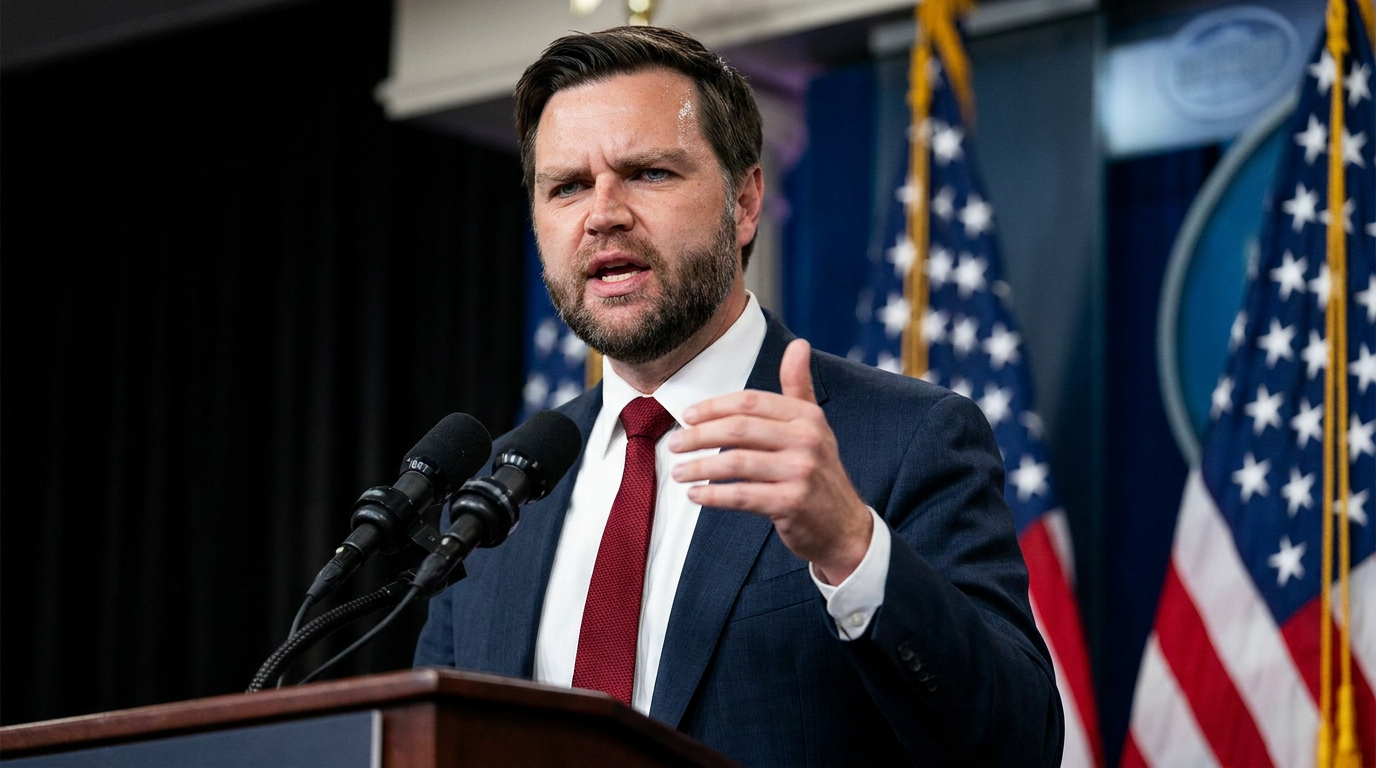
U.S. and Iran Sign Agreement to End War; Vance Lashes Out at Israeli Critics
7 sources
U.S.-Iran Deal
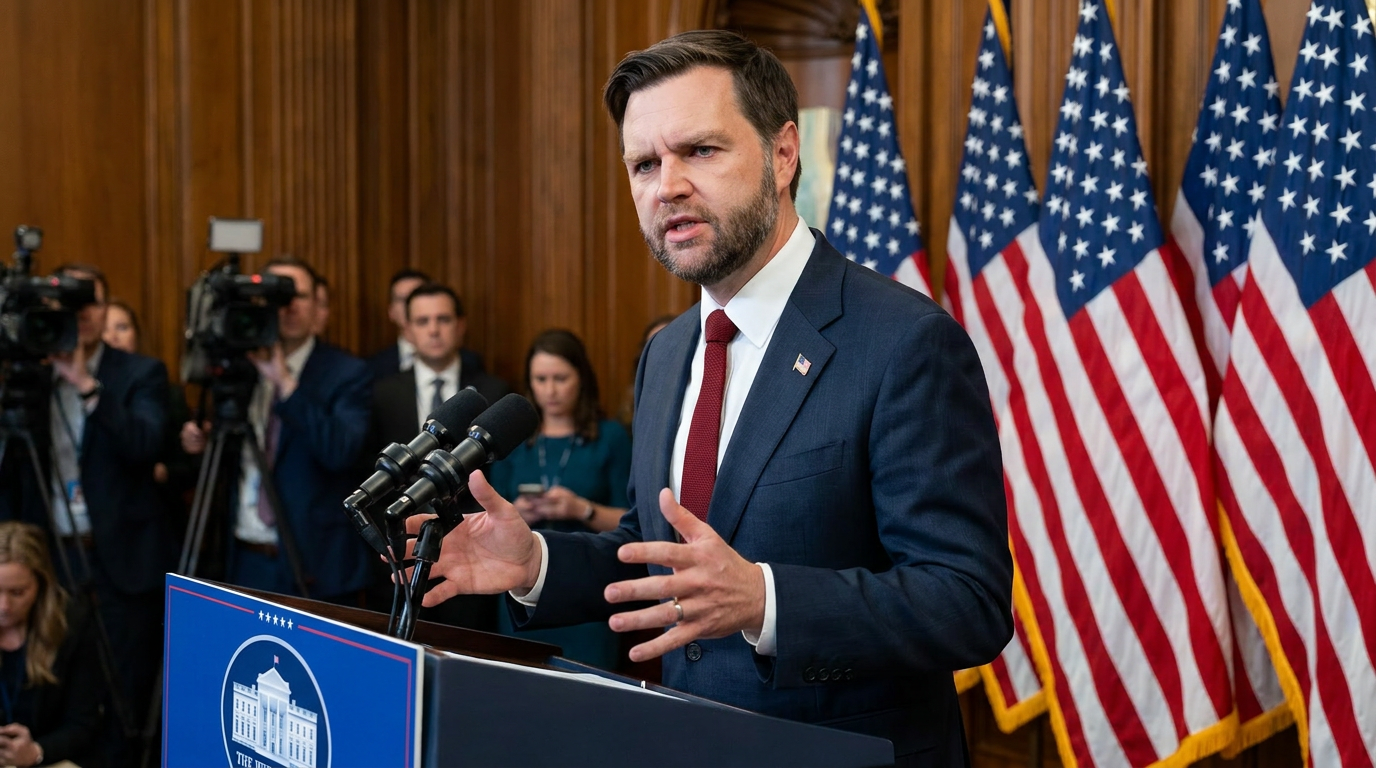
U.S. and Iran Sign 14-Point Agreement to End War, Sparking Fierce Backlash from Israel
6 sources
U.S.-Iran Relations
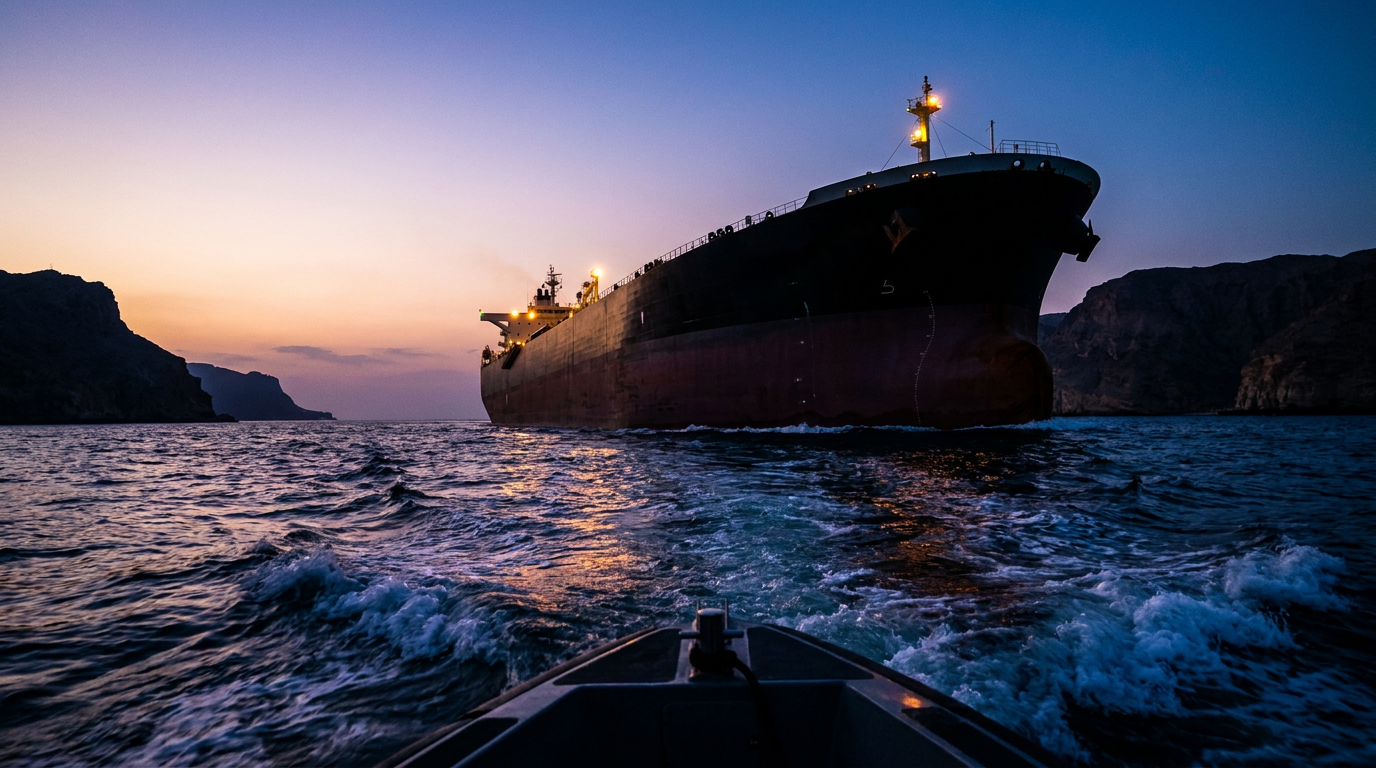
Vance Rebukes Israeli Critics of U.S.-Iran Peace Agreement, Warning Against Alienating 'Only Powerful Ally'
8 sources
Cognitive Defense
The Science of 'Prebunking': How Psychological Inoculation is Defeating Misinformation
6 sources

Every angle. Every day.
Get news politics stories with full source coverage and perspective breakdowns delivered to your inbox.