
US and Iran Reach Interim Peace Deal, Reopening Strait of Hormuz
The United States and Iran have agreed to an interim peace deal to end months of conflict, lifting the US naval blockade and reopening the critical Strait of Hormuz to global oil traffic.
By Factlen Editorial Team
- Energy Markets
- Relieved by the drop in crude prices but cautious about the logistical timeline for restoring full maritime traffic.
- US Administration
- Prioritizes the immediate economic victory of reopening oil flows and ending the naval blockade.
- Iranian Leadership
- Views the deal as a necessary step for sanctions relief while maintaining deep distrust of US intentions.
- Israeli Government
- Rejects the notion that a US-Iran bilateral agreement dictates its security operations in Lebanon.
What's not represented
- · Lebanese civilians and government officials affected by the ongoing regional conflict.
- · Commercial shipping companies tasked with navigating the newly reopened strait.
Why this matters
The reopening of the Strait of Hormuz—a chokepoint for 20% of the world's oil—promises immediate relief for global energy markets and inflation pressures. However, the fragility of the 60-day negotiating window means the threat of renewed conflict and supply chain disruption remains high.
Key points
- The US and Iran have finalized a memorandum of understanding to end military operations.
- President Trump authorized the removal of the US naval blockade on the Strait of Hormuz.
- Global oil prices dropped over 4% following the announcement.
- The agreement initiates a 60-day negotiating period to address Iran's nuclear program and sanctions.
- An official signing ceremony is scheduled for Friday in Switzerland.
- Israel has indicated it will not abide by the deal's provisions regarding military operations in Lebanon.
The United States and Iran have reached an interim peace agreement to halt military operations and end a months-long conflict that has severely disrupted global energy markets. The breakthrough deal, mediated by Pakistan, paves the way for the reopening of the Strait of Hormuz and the immediate lifting of a United States naval blockade on Iranian ports.[2][6]
President Donald Trump announced the completion of the deal on Sunday evening, declaring an end to the blockade and authorizing the "toll-free opening" of the critical maritime chokepoint. "Ships of the World, start your engines. Let the oil flow!" Trump wrote in a social media post, signaling a pivot toward economic normalization after more than one hundred days of hostilities.[2][6]
Pakistani Prime Minister Shehbaz Sharif, whose government served as the primary intermediary between Washington and Tehran, confirmed that the two sides will meet for an official signing ceremony on Friday in Switzerland. Pre-implementation discussions are currently underway in Doha, Qatar, to lay the technical groundwork for the agreement.[2]
In Tehran, Deputy Foreign Minister Kazem Gharibabadi confirmed that the text of the memorandum of understanding has been finalized. However, he cautioned that the agreement was drafted in an "atmosphere of continued distrust" and does not signify a broader reconciliation with the United States.[2][4]

The immediate economic impact was swift. Global oil prices tumbled more than 4% as financial markets opened in the Asia-Pacific region. Brent crude, the international benchmark, dropped below $84 a barrel—its lowest level since early March, effectively erasing the geopolitical risk premium that had inflated energy costs worldwide.[1][3][8]
Global oil prices tumbled more than 4% as financial markets opened in the Asia-Pacific region.
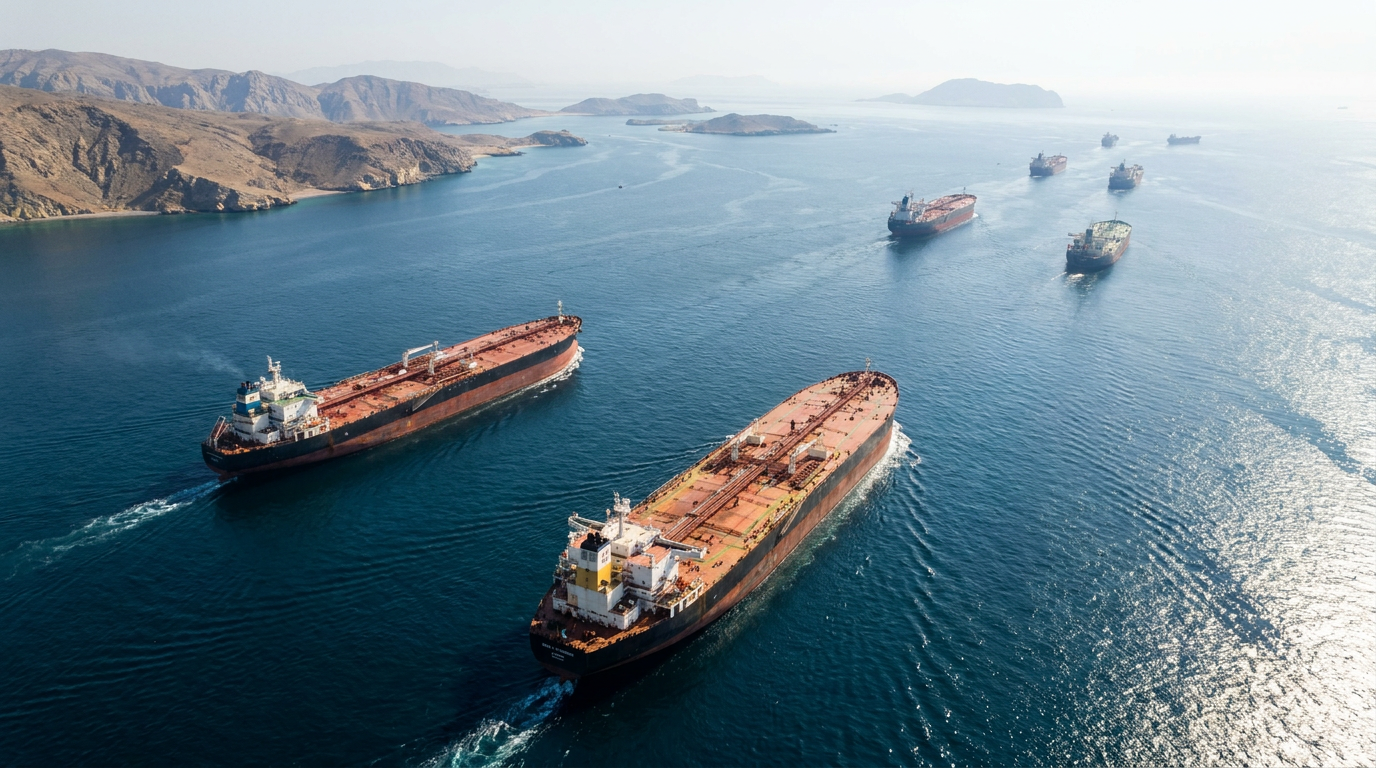
The Strait of Hormuz is arguably the world's most vital energy chokepoint, handling roughly one-fifth of global oil and liquefied natural gas consumption. Its effective closure since late February triggered an unprecedented supply shock, forcing energy-importing nations like India and European Union member states to grapple with surging inflation and freight costs.[1][5][8]
While the political agreement is in place, the logistical reality of reopening the strait remains complex. Iranian state media reported that the draft deal calls for reopening the waterway within 30 days under Iranian arrangements. Energy analysts warn that repositioning tankers and restarting idled oilfields will take time, with some estimating that 85% of lost volumes may not be restored until October.[1][3]

The memorandum of understanding also triggers a critical 60-day negotiating window. During this period, US and Iranian diplomats will attempt to hammer out a comprehensive final deal addressing wider, deeply entrenched issues, including Iran's nuclear program and the potential termination of international sanctions.[1][4]
Despite the diplomatic breakthrough, the regional security picture remains highly volatile. The agreement reportedly includes provisions to end military operations across all fronts, including Lebanon. However, Israeli Prime Minister Benjamin Netanyahu has reportedly informed the US that Israel does not consider itself bound by the Lebanese portions of the bilateral deal and will not withdraw its troops.[2][6]
Foreign policy experts caution that the interim deal is inherently fragile. Analysts at the Atlantic Council noted that while the agreement temporarily reduces violence, a memorandum of understanding without a follow-on treaty will be nearly impossible to sustain, leaving the global economy vulnerable to future disruptions if the 60-day talks collapse.[7]
How we got here
Feb 28, 2026
Conflict escalates, leading to the effective closure of the Strait of Hormuz.
April 8, 2026
The US and Iran agree to a temporary two-week ceasefire mediated by Pakistan.
June 14, 2026
President Trump and Pakistani PM Sharif announce the completion of an interim peace deal.
June 19, 2026
Scheduled signing of the memorandum of understanding in Switzerland.
Viewpoints in depth
US Administration
Focuses on the immediate economic victory of reopening the Strait of Hormuz and ending the naval blockade.
The US administration is framing the interim agreement as a decisive economic and strategic victory. By securing the "toll-free" reopening of the Strait of Hormuz, the administration aims to immediately alleviate global energy inflation and restore normal maritime trade. Officials emphasize that the naval blockade successfully pressured Tehran to the negotiating table, setting the stage for the upcoming 60-day window where the US intends to demand strict concessions regarding Iran's nuclear program.
Iranian Leadership
Views the memorandum as a necessary step to remove the blockade while maintaining deep distrust of US intentions.
For Tehran, the primary objective of the interim deal is the removal of the US naval blockade and the initiation of a 60-day window to negotiate sanctions relief. Iranian officials, including Deputy Foreign Minister Kazem Gharibabadi, have publicly stated that the agreement does not signify a newfound trust in Washington. Instead, Iran views the reopening of the strait under its own logistical arrangements as a reassertion of its regional sovereignty, while keeping its nuclear program as leverage for the final treaty negotiations.
Energy Markets
Relieved by the immediate drop in crude prices but highly cautious about the complex logistics of restoring full maritime traffic.
Global energy markets reacted to the announcement with immediate relief, sending Brent crude prices tumbling by more than 4%. However, industry analysts and market traders remain deeply cautious. They warn that the physical resumption of shipping through the Strait of Hormuz will be a slow, phased process, requiring the repositioning of tankers and the restarting of idled oilfields. Furthermore, markets are pricing in the risk that the fragile 60-day negotiating window could collapse, potentially triggering a renewed supply shock.
Israeli Government
Rejects the notion that a US-Iran bilateral agreement dictates its security operations in Lebanon.
The Israeli government has drawn a hard line regarding the scope of the US-Iran peace deal. While the agreement reportedly calls for an end to military operations on all fronts—including Lebanon—Prime Minister Benjamin Netanyahu has made it clear that Israel is not a party to the bilateral MOU. Israeli officials maintain that they will not withdraw troops from Lebanon or halt operations against Hezbollah, arguing that Israel's national security imperatives cannot be constrained by an agreement negotiated between Washington and Tehran.
What we don't know
- The exact timeline and logistical mechanisms for safely resuming full commercial shipping through the Strait of Hormuz.
- Whether Iran will agree to the US demands regarding its nuclear program during the 60-day negotiating window.
- How Israel's continued military operations in Lebanon will impact the fragility of the US-Iran ceasefire.
Key terms
- Strait of Hormuz
- A narrow maritime chokepoint between the Persian Gulf and the Gulf of Oman, through which roughly 20% of the world's oil consumption passes.
- Memorandum of Understanding (MOU)
- A formal agreement between two or more parties that outlines the terms and details of an understanding, often preceding a legally binding treaty.
- Brent Crude
- A major trading classification of sweet light crude oil that serves as a benchmark price for purchases of oil worldwide.
Frequently asked
Will gas prices go down immediately?
While global crude oil prices dropped over 4% on the news, it typically takes several weeks for these reductions to fully reflect at the consumer pump.
Is the war completely over?
The agreement is an interim peace deal that halts direct military operations and initiates a 60-day window to negotiate a permanent resolution.
Why is Pakistan involved?
Pakistan has acted as the primary neutral mediator between Washington and Tehran throughout the 2026 conflict.
Sources
Source coverage
8 outlets
4 viewpoints surfaced








[1]The GuardianEnergy Markets
Oil prices tumble amid hopes strait of Hormuz will soon reopen
Read on The Guardian →[2]CBS NewsUS Administration
Trump says U.S. deal with Iran 'is now complete,' authorizes removal of Navy blockade of Strait of Hormuz
Read on CBS News →[3]ReutersEnergy Markets
Oil prices slip to lowest since March on US-Iran deal
Read on Reuters →[4]The Jerusalem PostIranian Leadership
Trump confirms US-Iran peace deal, authorizes opening of Strait of Hormuz
Read on The Jerusalem Post →[5]The HinduEnergy Markets
Oil prices fall on U.S.-Iran ceasefire agreement
Read on The Hindu →[6]ForbesUS Administration
Trump Says Iran Peace Deal 'Complete'—Ends Strait Of Hormuz Blockade
Read on Forbes →[7]Atlantic CouncilIsraeli Government
Experts react: The US and Iran just announced an interim peace deal. Here’s what we know so far.
Read on Atlantic Council →[8]AxiosEnergy Markets
Oil prices sink on announcement of Iran deal
Read on Axios →
More in news politics
See all 9 stories →US-Iran Deal
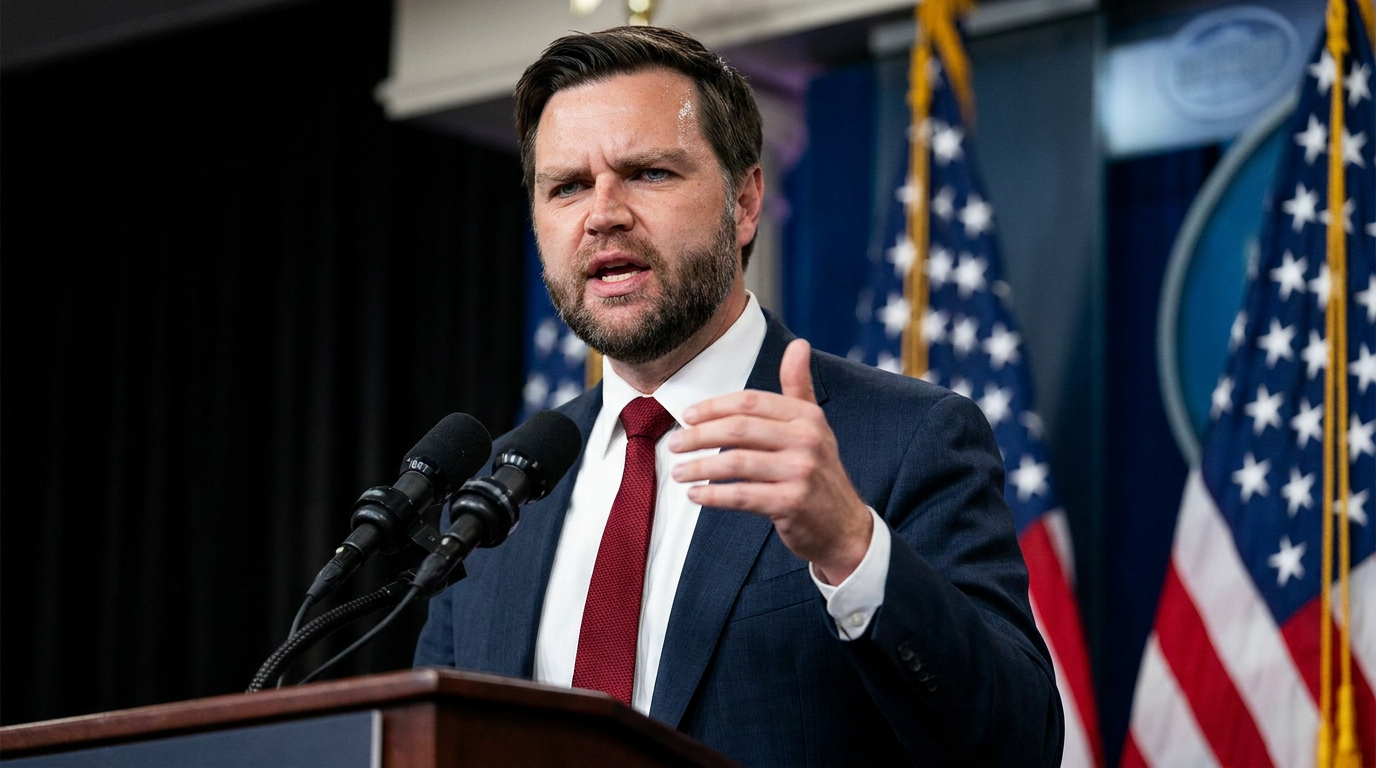
U.S. and Iran Sign Agreement to End War; Vance Lashes Out at Israeli Critics
7 sources
U.S.-Iran Deal
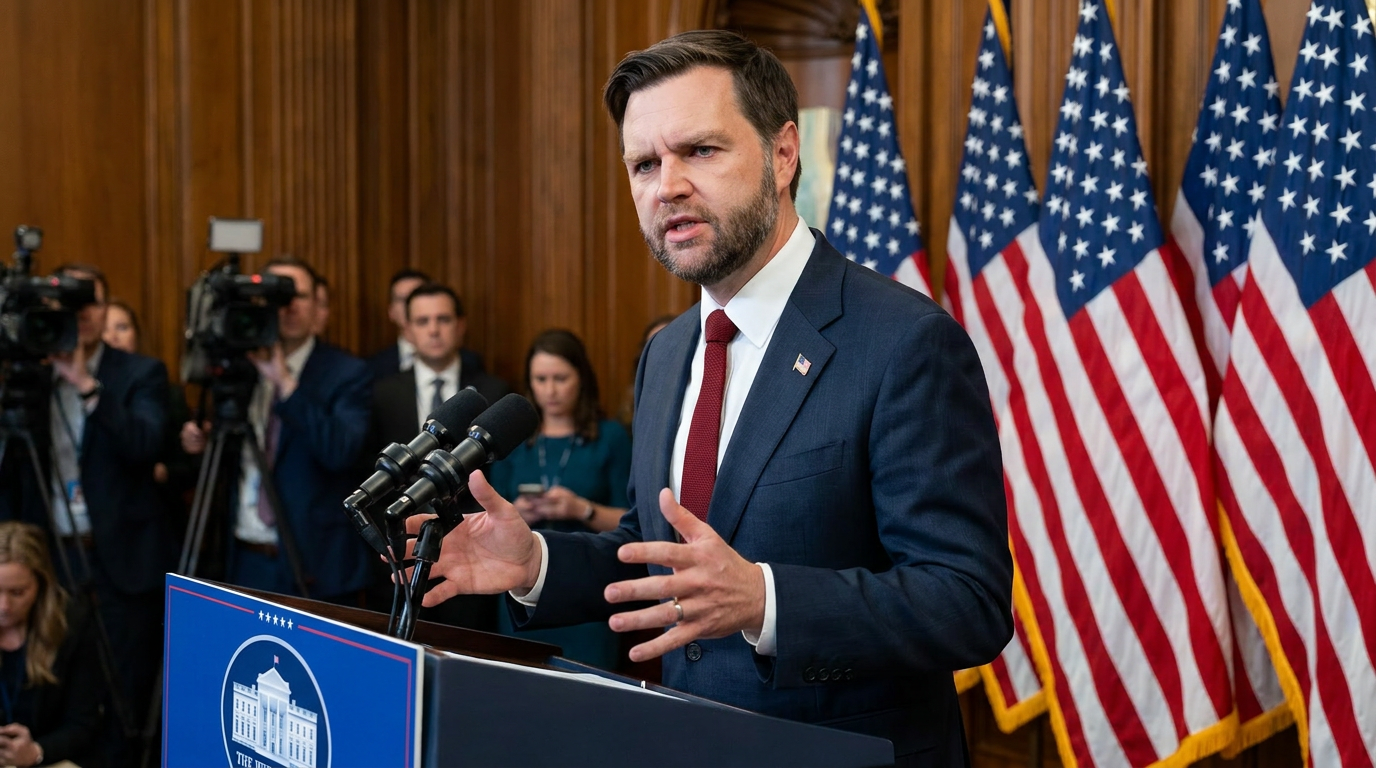
U.S. and Iran Sign 14-Point Agreement to End War, Sparking Fierce Backlash from Israel
6 sources
U.S.-Iran Relations
Vance Rebukes Israeli Critics of U.S.-Iran Peace Agreement, Warning Against Alienating 'Only Powerful Ally'
8 sources
Cognitive Defense
The Science of 'Prebunking': How Psychological Inoculation is Defeating Misinformation
6 sources

Every angle. Every day.
Get news politics stories with full source coverage and perspective breakdowns delivered to your inbox.