
US and Iran Reach Interim Deal to Halt Conflict and Reopen Strait of Hormuz
The United States and Iran have agreed to an interim peace deal aimed at ending months of conflict and reopening the critical Strait of Hormuz. The breakthrough has triggered a global market rally, though shipping and energy sectors remain cautious pending final implementation.
By Factlen Editorial Team
- Market Optimists
- Focus on the immediate relief to inflation, energy costs, and the resulting boost to global equities.
- Geopolitical Realists
- Highlight that the underlying tensions and nuclear program issues remain unresolved despite the interim pause.
- Maritime & Logistics Operators
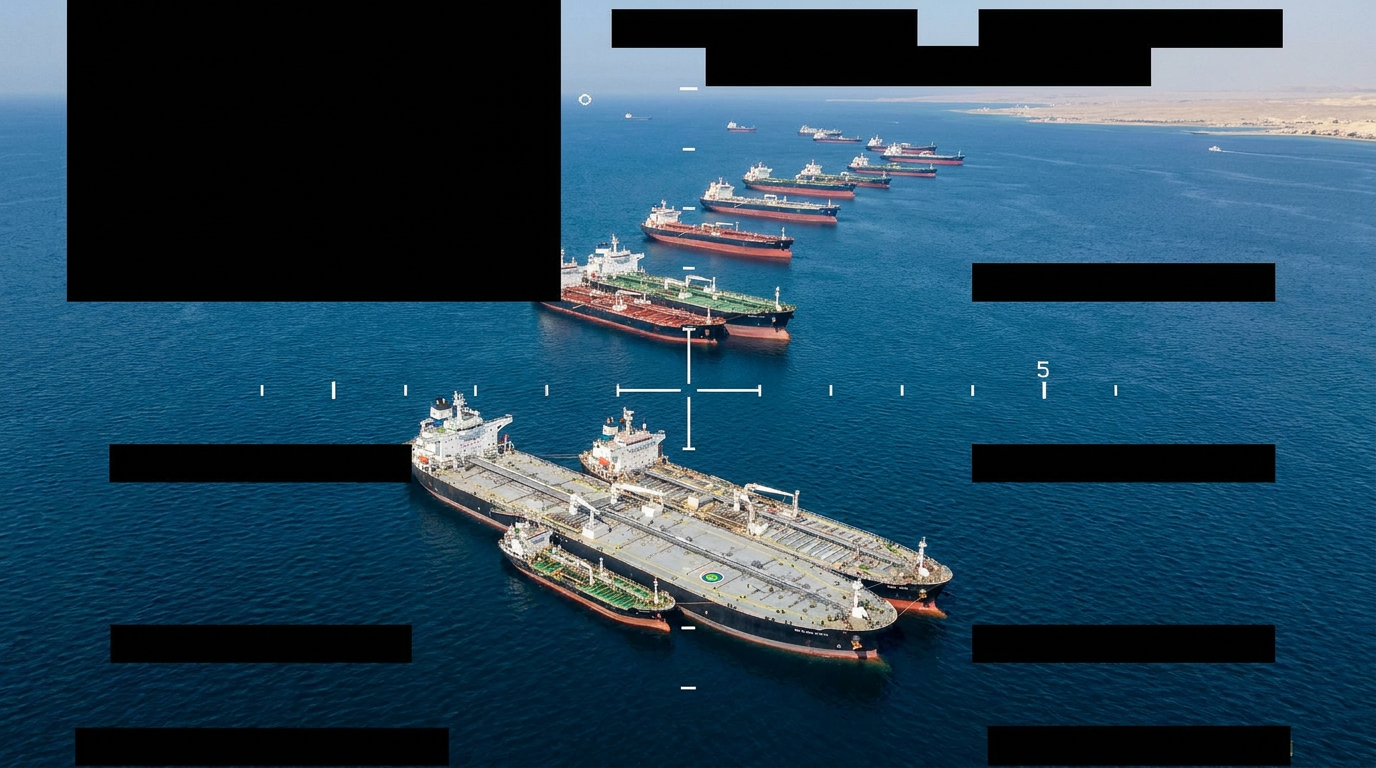
- Emphasize the physical risks, insurance hurdles, and the logistical backlog of 600+ ships that must be cleared.
What's not represented
- · Environmental Groups
- · Local Gulf Coast Communities
Why this matters
The Strait of Hormuz is the world's most critical energy chokepoint, handling roughly a fifth of global oil consumption. Its reopening promises immediate relief for energy prices, shipping costs, and global inflation, potentially altering the trajectory of central bank interest rates worldwide.
Key points
- The US and Iran reached an interim agreement to halt hostilities and reopen the Strait of Hormuz.
- Global markets rallied immediately, with Asian equities surging and oil prices tumbling.
- Over 600 commercial vessels are awaiting clearance to transit the waterway.
- Shipping companies and insurers remain cautious, demanding concrete security guarantees before resuming normal operations.
- The breakthrough has prompted bond traders to dial back expectations for further central bank interest rate hikes.
The global economy received a massive injection of relief on Monday as the United States and Iran reached an interim agreement to halt their months-long conflict and reopen the Strait of Hormuz. The breakthrough, achieved after weeks of tense, stop-start negotiations, effectively pauses a war that had choked off one of the world's most vital economic arteries.[1][2]
Financial markets reacted with immediate and violent euphoria. Across Asia, equities surged, with major tech conglomerates posting double-digit gains on the news. The rally quickly spread to European and US futures, driven by the prospect of a normalized global supply chain and a retreat from the brink of a broader regional war.[2][7]
The most dramatic price action occurred in the commodities sector. Crude oil futures, which had been trading at steep wartime premiums, tumbled sharply as traders priced in the return of millions of barrels of daily supply. Copper and other industrial metals also popped higher, reflecting renewed optimism for global economic growth.[1][2]
To understand the magnitude of this market reaction, one must look at the geography of the Strait of Hormuz. At its narrowest point, the waterway is just 21 miles wide, yet it serves as the transit point for roughly 20% of the world's total oil consumption, making it the single most important energy chokepoint on the planet.[4]

For the past three months, the effective closure of this chokepoint has acted as a physical tourniquet on the global economy. Tankers carrying crude oil and liquefied natural gas were forced to anchor or attempt massively expensive reroutes, starving energy-hungry markets in Asia and Europe and sending freight costs skyrocketing.[3][8]
The economic scars of this disruption will not heal overnight. Analysts note that while the reopening offers immediate psychological relief, the physical supply crunch that has battered Asian economies will take time to unwind. Inventories have been drawn down to critical levels, and rebuilding those buffers will require months of uninterrupted transit.[3]
Furthermore, the agricultural sector is breathing a sigh of relief. Grain futures in Chicago dropped on Monday, as the reopening of the Strait promises to improve access to vital crop inputs and fertilizers. This development is expected to ease the severe threats to food inflation that had been mounting since late February.[1]
Despite the diplomatic breakthrough, the maritime shipping industry remains in a state of high alert. An estimated 600 commercial vessels are currently idling in safe harbors, eyeing the exit but waiting for concrete clarity before attempting the passage.[1]

Despite the diplomatic breakthrough, the maritime shipping industry remains in a state of high alert.
Shipowners and freight operators are demanding more than just political announcements. They require explicit security guarantees, updated maritime protocols, and, crucially, a reduction in the astronomical war-risk insurance premiums that have made transit financially unviable during the conflict.[1][7]
Industry analysts point out that the political agreement is only the first step; physical maritime security is the second. Until naval escorts are coordinated and the waters are certified clear of hazards, the logistical backlog will remain frozen in place.[1]
The macroeconomic implications of the deal are already altering central bank calculus. For months, the Federal Reserve and other major central banks have been forced to maintain hawkish postures, terrified that the energy shock would trigger a second wave of structural inflation.[5]
Monday's news fundamentally shifted that narrative. Treasuries advanced across the curve as bond traders aggressively dialed back their expectations for further interest rate hikes. The logic is straightforward: cheaper oil means lower headline inflation, giving central bankers the breathing room they desperately need.[1][7]

The diplomatic community has universally welcomed the interim pact. European and Japanese leaders issued statements of support, signaling their readiness to assist in the logistical reopening of the waterway and the potential easing of certain economic sanctions.[2]
The United Nations Security Council is expected to convene later this week to formalize international support for the ceasefire. The focus is now shifting from military containment to a complex diplomatic track aimed at addressing the root causes of the conflict.[6]
However, geopolitical experts caution against premature celebrations. The underlying leverage held by both Washington and Tehran has not disappeared. The interim deal pauses the shooting, but the fate of Iran's nuclear program and the broader regional security architecture remains entirely unresolved.[1][8]
The coming days will be a critical test of the agreement's durability. Both sides must navigate domestic political pressures while implementing the technical steps required to demilitarize the shipping lanes and restore commercial confidence.[2][8]

For the global economy, the stakes could not be higher. A successful reopening of Hormuz would likely secure a soft landing for the global economy in 2026, averting the recessionary fears that dominated the first quarter.[5][7]
How we got here
Late Feb 2026
Conflict escalates, leading to the effective closure of the Strait of Hormuz to commercial shipping.
Mar-May 2026
Global oil and commodity prices surge; supply chains, particularly in Asia, face severe disruptions.
Early Jun 2026
Stop-start negotiations resume through international intermediaries.
Jun 14, 2026
US and Iran reach an interim agreement to halt fighting and reopen the waterway.
Jun 15, 2026
Global markets react with a massive relief rally across equities and bonds.
Viewpoints in depth
Global Markets & Investors
Optimistic but pricing in risk, focusing heavily on inflation relief.
Financial markets are treating the interim deal as a massive macroeconomic release valve. For months, the fear of a sustained energy shock had forced investors to price in higher-for-longer interest rates and a potential global recession. The immediate drop in crude oil and the rally in Treasuries reflect a consensus that central banks now have the breathing room to halt rate hikes. However, institutional investors acknowledge that the rally is front-loaded; if the physical reopening of the Strait faces delays, the market could violently reprice the risk.
Maritime Shipping Industry
Highly cautious, prioritizing physical security and insurance premiums over political announcements.
For the operators of the 600-plus vessels idling near the Strait, a political handshake in Geneva or Washington means little without naval escorts and cleared waters. The shipping industry operates on strict risk-management models dictated by maritime insurers. Until war-risk premiums are significantly reduced and international naval coalitions guarantee safe passage, major freight companies will refuse to send multi-million-dollar assets and civilian crews into the chokepoint. Their focus is entirely on the technical implementation of the ceasefire.
Energy Importers (Asia & Europe)
Relieved but scarred, focusing on supply chain resilience and long-term diversification.
Asian economies, which bore the brunt of the physical supply crunch, are welcoming the deal but recognize the permanent damage done to their supply chain confidence. The three-month closure exposed the severe vulnerability of relying on a single 21-mile waterway for national energy security. Policymakers in Tokyo, Seoul, and across Europe are using this crisis as a catalyst to accelerate investments in alternative energy routes, strategic petroleum reserves, and renewable infrastructure to ensure they are never again held hostage by a single geopolitical chokepoint.
What we don't know
- The exact timeline for when commercial shipping will fully resume normal transit schedules.
- The specific concessions made regarding Iran's nuclear program and international sanctions.
- Whether the interim ceasefire will hold long enough to be formalized into a permanent treaty.
Key terms
- Strait of Hormuz
- A narrow waterway between the Persian Gulf and the Gulf of Oman, through which roughly 20% of the world's oil consumption passes.
- Interim Agreement
- A temporary or provisional diplomatic arrangement intended to pause hostilities while a permanent treaty is negotiated.
- Freight Insurance Premiums
- The cost paid by shipping companies to insure their cargo and vessels, which spikes dramatically during regional conflicts.
- Yield Curve
- A line that plots interest rates of bonds having equal credit quality but differing maturity dates, closely watched by traders for economic outlooks.
Frequently asked
Will gas prices drop immediately?
While crude oil futures have tumbled, it typically takes several weeks for wholesale price drops to reach consumer gas pumps.
Is the Strait of Hormuz open right now?
The political agreement has been reached, but physical transit remains stalled as shipowners await security guarantees and insurance clearances.
Does this end the US-Iran conflict?
No. This is an interim deal to halt active warfare and reopen shipping lanes, setting the stage for longer-term negotiations regarding sanctions and nuclear development.
Sources
Source coverage
8 outlets
3 viewpoints surfaced







[1]BloombergMaritime & Logistics Operators
US and Iran Reach Deal to Halt the War, Reopen Hormuz
Read on Bloomberg →[2]CNBCMarket Optimists
Markets cheer U.S.-Iran agreement, but some investors caution deal is yet to be signed
Read on CNBC →[3]The New York TimesGeopolitical Realists
Hormuz Reopening Would Offer Relief for Asia, but Economic Scars Will Remain
Read on The New York Times →[4]U.S. Energy Information AdministrationMaritime & Logistics Operators
World Oil Transit Chokepoints
Read on U.S. Energy Information Administration →[5]International Monetary FundGeopolitical Realists
World Economic Outlook: Middle East and Central Asia
Read on International Monetary Fund →[6]United NationsGeopolitical Realists
UN Security Council: Middle East Peace and Security
Read on United Nations →[7]Financial TimesMarket Optimists
Global markets react to Middle East diplomatic breakthrough
Read on Financial Times →[8]Al JazeeraGeopolitical Realists
Middle East markets rally on US-Iran ceasefire hopes
Read on Al Jazeera →

More in business
See all 5 stories →AI Infrastructure
SpaceX Raises Record $85.7 Billion in Historic IPO to Fund Orbital AI Infrastructure
7 sources
AI Economics
The Compute-First Era: How AI is Rewriting the Rules of Venture Capital
6 sources
Fed Watch
Federal Reserve Holds Rates Steady as New Chair Kevin Warsh Signals Hawkish Pivot
8 sources
Every angle. Every day.
Get business stories with full source coverage and perspective breakdowns delivered to your inbox.