
US and Iran Reach Historic Peace Deal to End 107-Day War
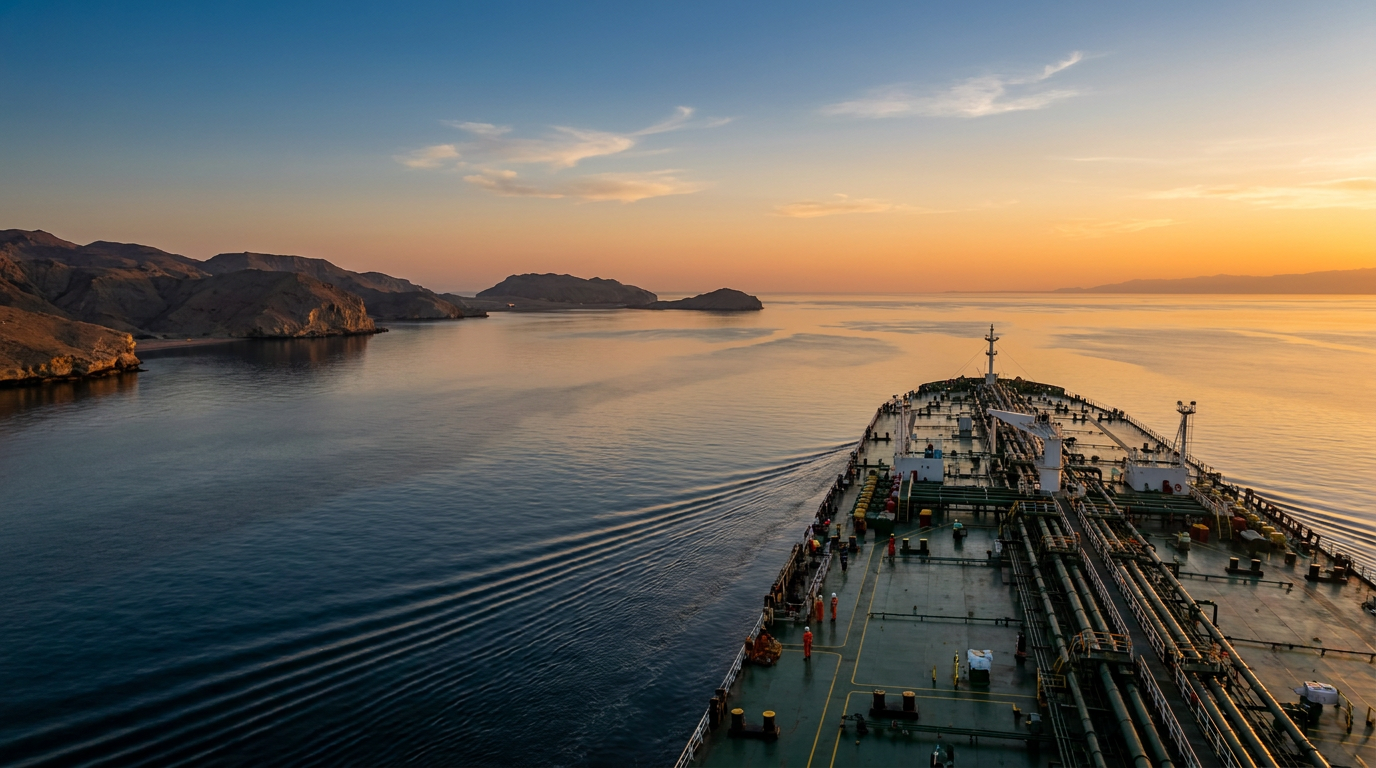
The United States and Iran have agreed to a permanent ceasefire, ending a devastating three-month conflict and reopening the critical Strait of Hormuz to global shipping.
By Factlen Editorial Team
- Strategic Analysts
- Analyzes the geopolitical shifts, market reactions, and historical context of the conflict.
- U.S. Administration
- Focuses on the economic victory of reopening the Strait of Hormuz and ending the naval blockade.
- Iranian Government
- Frames the ceasefire as a testament to Iran's military endurance and diplomatic leverage.
- Israeli Leadership
- Views the U.S.-brokered peace deal with deep skepticism and hostility.
What's not represented
- · Lebanese civilians affected by the ceasefire
- · European energy consumers
Why this matters
The end of the 107-day war removes the immediate threat of a broader Middle Eastern conflagration and reopens the Strait of Hormuz, a critical artery for global oil. For consumers, this signals eventual relief from the severe fuel crisis and inflation that have gripped the global economy since February.
Key points
- The U.S. and Iran have agreed to a permanent ceasefire, ending a war that began in February 2026.
- President Trump authorized the immediate reopening of the Strait of Hormuz and lifted the U.S. naval blockade.
- Global stock markets surged and oil prices dropped significantly following the announcement.
- Israeli officials rejected the pact, stating they are not bound by the agreement and will continue targeting Hezbollah.
The United States and Iran have reached a landmark agreement to end their 107-day war, declaring an "immediate and permanent" cessation of military operations across all fronts. The breakthrough, mediated heavily by Pakistan, signals the conclusion of a devastating regional conflict that has paralyzed global energy markets and displaced millions since late February.[1][6]
Pakistani Prime Minister Shehbaz Sharif announced the diplomatic triumph on Sunday, confirming that both nations had agreed to a comprehensive ceasefire that includes the volatile Lebanese theater. Sharif credited the collaborative mediation efforts of Qatar, Saudi Arabia, and Turkey in securing the pact.[1][3]
U.S. President Donald Trump swiftly corroborated the agreement on his 80th birthday, framing the resolution as a major economic and strategic victory. In a statement, Trump announced the immediate lifting of the U.S. naval blockade on Iranian ports and authorized the reopening of the Strait of Hormuz, declaring, "Ships of the World, start your engines. Let the oil flow!"[1][5]
In Tehran, Iranian Deputy Foreign Minister Kazem Gharibabadi confirmed the permanent end to the war in televised remarks. He characterized the memorandum of understanding as the culmination of both rigorous diplomacy and Iran's military resilience throughout the three-month conflict.[1][3]

The economic relief was instantaneous. Global stock markets surged on Monday morning, with India's BSE Sensex jumping over 1,100 points in early trading. The U.S. dollar touched a 10-day low against major peers as investors pivoted toward riskier assets, buoyed by tumbling crude oil prices.[2]
However, industry analysts warn that the global fuel crisis will not evaporate overnight. The logistical complexities of restarting shipping through the Strait of Hormuz, combined with lingering security anxieties, mean it will likely take months for energy companies to ramp up operations and fully meet global demand.[2]
The peace agreement also faces immediate regional resistance, most notably from Israel. Israeli National Security Minister Itamar Ben Gvir vehemently rejected the pact, stating that Israel is not a party to the agreement and is not bound by its terms. Ben Gvir insisted that Israel's military objectives, particularly the dismantling of Hezbollah in Lebanon, remain unfulfilled.[2]
The peace agreement also faces immediate regional resistance, most notably from Israel.
The fragility of the negotiations was laid bare just days prior, when an Israeli airstrike on Beirut threatened to derail the talks entirely. President Trump took the unusual step of publicly condemning the strike on social media, warning that the attack was unjustified and risked collapsing the impending ceasefire.[1][4]

The conflict, widely referred to as the 2026 Iran War, erupted on February 28 following a series of surprise U.S.-Israeli airstrikes. The opening salvo targeted critical government and military infrastructure in Tehran, resulting in the assassination of Iranian Supreme Leader Ali Khamenei and plunging the Middle East into unprecedented turmoil.[6][7]
In response, Iran unleashed a torrent of retaliatory missile and drone strikes against U.S. military installations, embassies, and oil infrastructure across the region. The Iranian military effectively blockaded the Strait of Hormuz, choking off a vital artery for global commerce and triggering severe inflationary pressures worldwide.[6][7]
The path to peace has not been universally embraced within Iran. The country's ultra-hardline factions, led by the Paydari Front, have vocalized fierce opposition to any negotiations with the United States. Small-scale protests erupted in Tehran, with demonstrators demanding the resignation of Foreign Affairs Minister Abbas Araghchi over his role in the talks.[5]
Despite the domestic friction, the Iranian regime appears to be consolidating support for the deal. President Masoud Pezeshkian reassured the public that engaging with the U.S. did not equate to abandoning the Islamic Republic's core principles, while state media emphasized the necessity of national cohesion.[5]

The exact parameters of Iran's continued influence over the Strait of Hormuz remain ambiguous. While the U.S. has declared the waterway "toll-free" and open, Iranian officials have previously insisted they would maintain regulatory oversight and potentially impose transit fees, leaving the operational reality of the strait uncertain.[5]
The international community is now pivoting toward enforcement and stabilization. G7 leaders convening in the French Alps this week have placed the Iran agreement at the top of their agenda, seeking to coordinate a unified approach to regional security and economic recovery.[2]
An official signing ceremony for the historic peace deal is scheduled to take place on June 19 in Switzerland, marking the formal end to one of the most disruptive geopolitical crises of the 21st century.[1]
How we got here
Feb 28, 2026
US and Israel launch surprise airstrikes on Iran, killing Supreme Leader Ali Khamenei.
March 2026
Iran retaliates with massive drone and missile strikes, blocking the Strait of Hormuz.
June 14, 2026
Pakistani PM Shehbaz Sharif announces a permanent ceasefire agreement.
June 15, 2026
Global markets surge and oil prices drop as the Strait of Hormuz is ordered reopened.
June 19, 2026
Official signing ceremony scheduled to take place in Switzerland.
Viewpoints in depth
U.S. Administration
Focuses on the economic victory of reopening the Strait of Hormuz and ending the naval blockade.
President Trump and his administration frame the peace deal as a decisive strategic and economic win. By securing the reopening of the Strait of Hormuz, the administration claims to have resolved the global fuel crisis while demonstrating American diplomatic leverage. The White House emphasizes that the agreement restores global commerce and stabilizes energy markets, positioning the ceasefire as a major foreign policy achievement.
Iranian Government
Frames the ceasefire as a testament to Iran's military endurance and diplomatic leverage.
Iranian officials argue that surviving the U.S.-Israeli onslaught and forcing an end to the naval blockade validates their strategic posture. They view the agreement as a recognition of Iran's regional power, even as the government manages internal dissent from ultra-hardliners who view any negotiation with the United States as capitulation. The leadership insists that engaging in diplomacy does not mean abandoning the core principles of the Islamic Republic.
Israeli Leadership
Views the U.S.-brokered peace deal with deep skepticism and hostility.
Hardline Israeli officials, including National Security Minister Itamar Ben Gvir, argue the agreement prematurely halts the campaign against Hezbollah and fails to guarantee Israel's long-term security. They insist that Israel is not a party to the pact and reserves the right to continue military operations independently to dismantle threats on its borders, exposing a significant rift between Washington and Jerusalem.
What we don't know
- Whether Iran will attempt to impose transit fees or maintain regulatory control over ships passing through the Strait of Hormuz.
- How Israel will proceed with its military operations in Lebanon, given its refusal to be bound by the U.S.-brokered ceasefire.
- The exact timeline for global oil supplies and gas prices to return to pre-war levels.
Key terms
- Strait of Hormuz
- A crucial maritime chokepoint between the Persian Gulf and the Gulf of Oman, through which a significant portion of the world's oil flows.
- Axis of Resistance
- A political and military alliance led by Iran, including Hezbollah in Lebanon, the Houthis in Yemen, and various militias in Iraq and Syria.
- Naval Blockade
- A military operation by the United States to prevent maritime trade and supplies from reaching Iranian ports during the conflict.
Frequently asked
Is the war completely over?
The US and Iran have agreed to an immediate and permanent end to military operations, though Israel has stated it is not bound by the agreement.
Will gas prices go down immediately?
While oil prices dropped on the news, experts warn it will take months for energy companies to fully resume operations and stabilize global supply.
What happens to the Strait of Hormuz?
President Trump authorized the immediate reopening of the strait and the lifting of the US naval blockade on Iran.
How did the war start?
The conflict escalated on February 28, 2026, following US-Israeli airstrikes that killed Iranian Supreme Leader Ali Khamenei.
Sources
Source coverage
7 outlets
4 viewpoints surfaced






[1]EuractivU.S. Administration
US-Iran peace deal announced with 'permanent' end to military action
Read on Euractiv →[2]The HinduIsraeli Leadership
Stock markets surge tracking global rally, drop in oil prices as U.S., Iran reach peace deal
Read on The Hindu →[3]Anadolu AgencyIranian Government
US-Iran agreement moves toward signing as military operations end
Read on Anadolu Agency →[4]Al JazeeraU.S. Administration
Trump says Israeli attacks on Beirut unjustified, puts Iran deal at risk
Read on Al Jazeera →[5]Institute for the Study of WarStrategic Analysts
Iran Update Special Report, June 14, 2026
Read on Institute for the Study of War →[6]Encyclopedia BritannicaStrategic Analysts
2026 Iran war
Read on Encyclopedia Britannica →[7]WikipediaStrategic Analysts
2026 Iran war
Read on Wikipedia →
More in news politics
See all 9 stories →US-Iran Deal
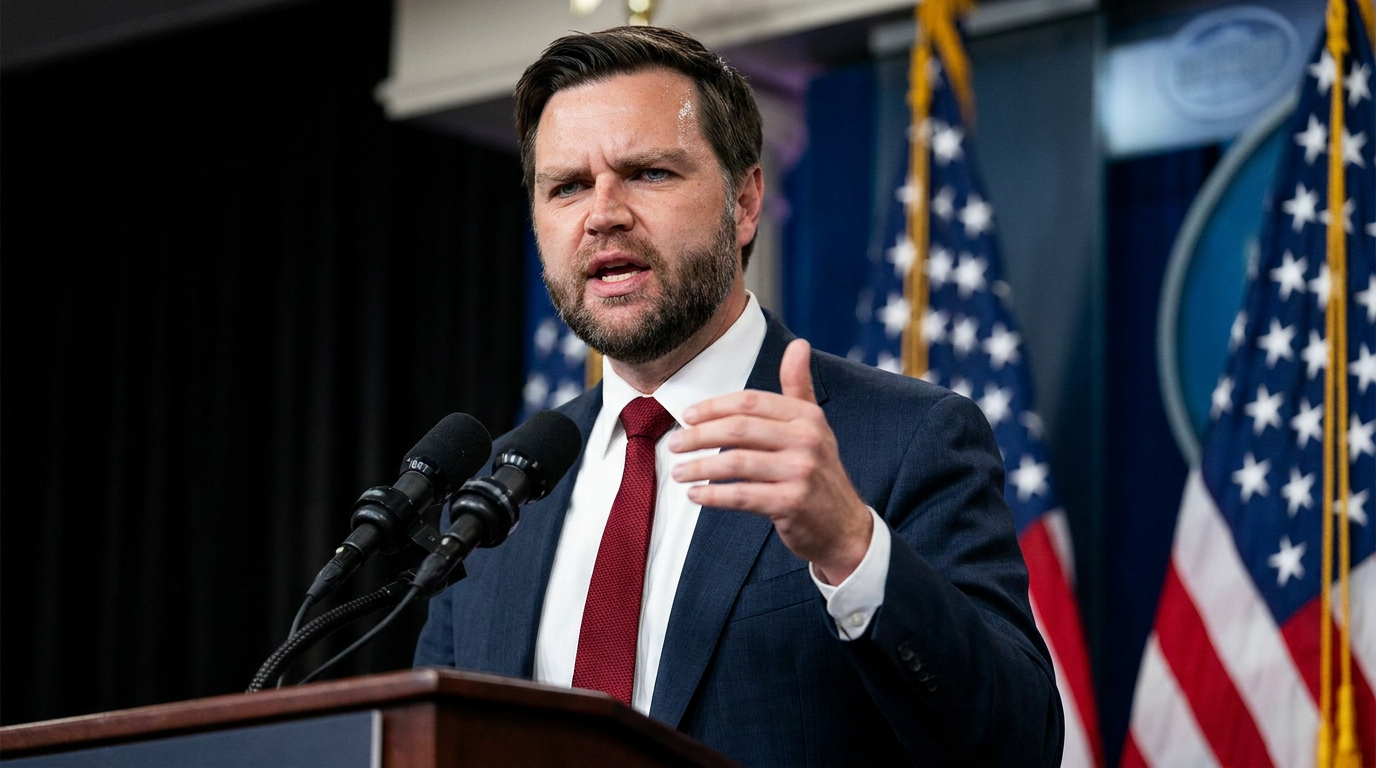
U.S. and Iran Sign Agreement to End War; Vance Lashes Out at Israeli Critics
7 sources
U.S.-Iran Deal
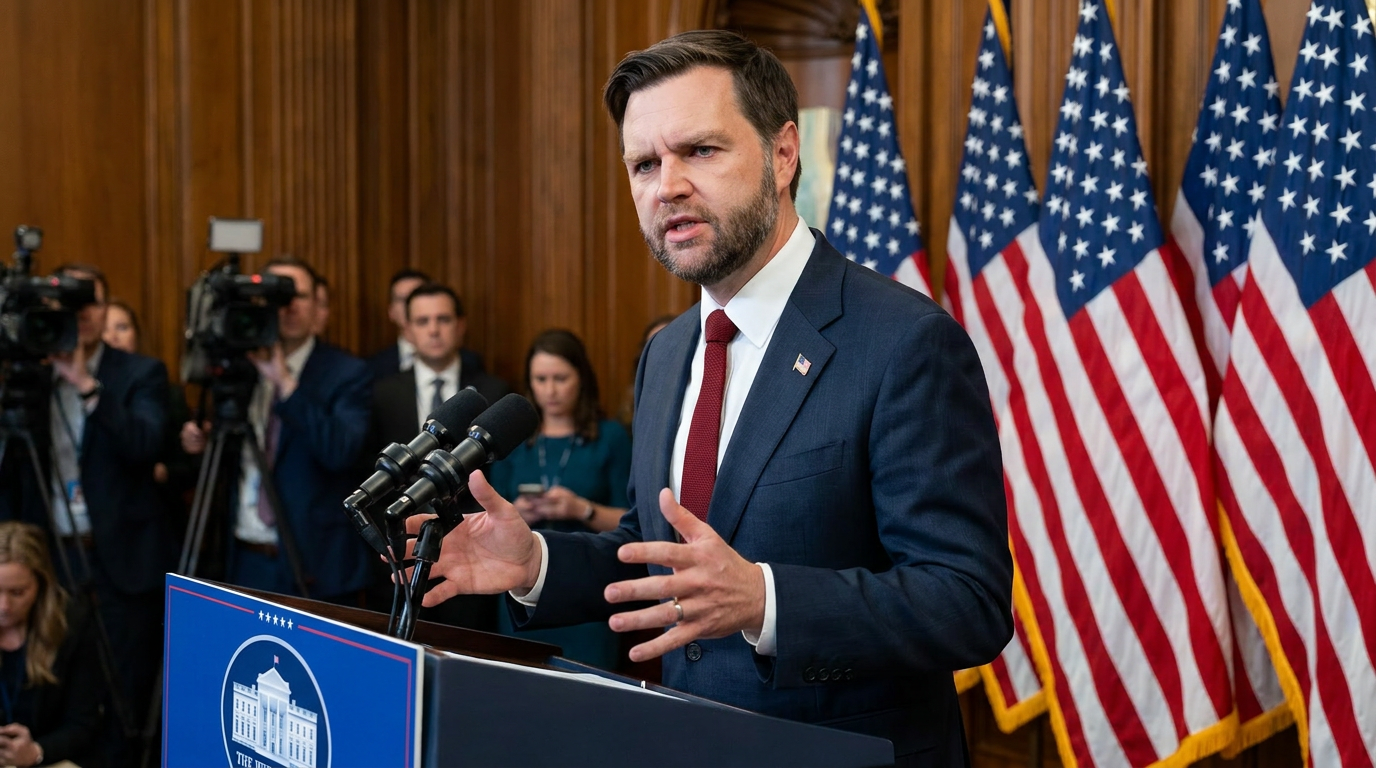
U.S. and Iran Sign 14-Point Agreement to End War, Sparking Fierce Backlash from Israel
6 sources
U.S.-Iran Relations
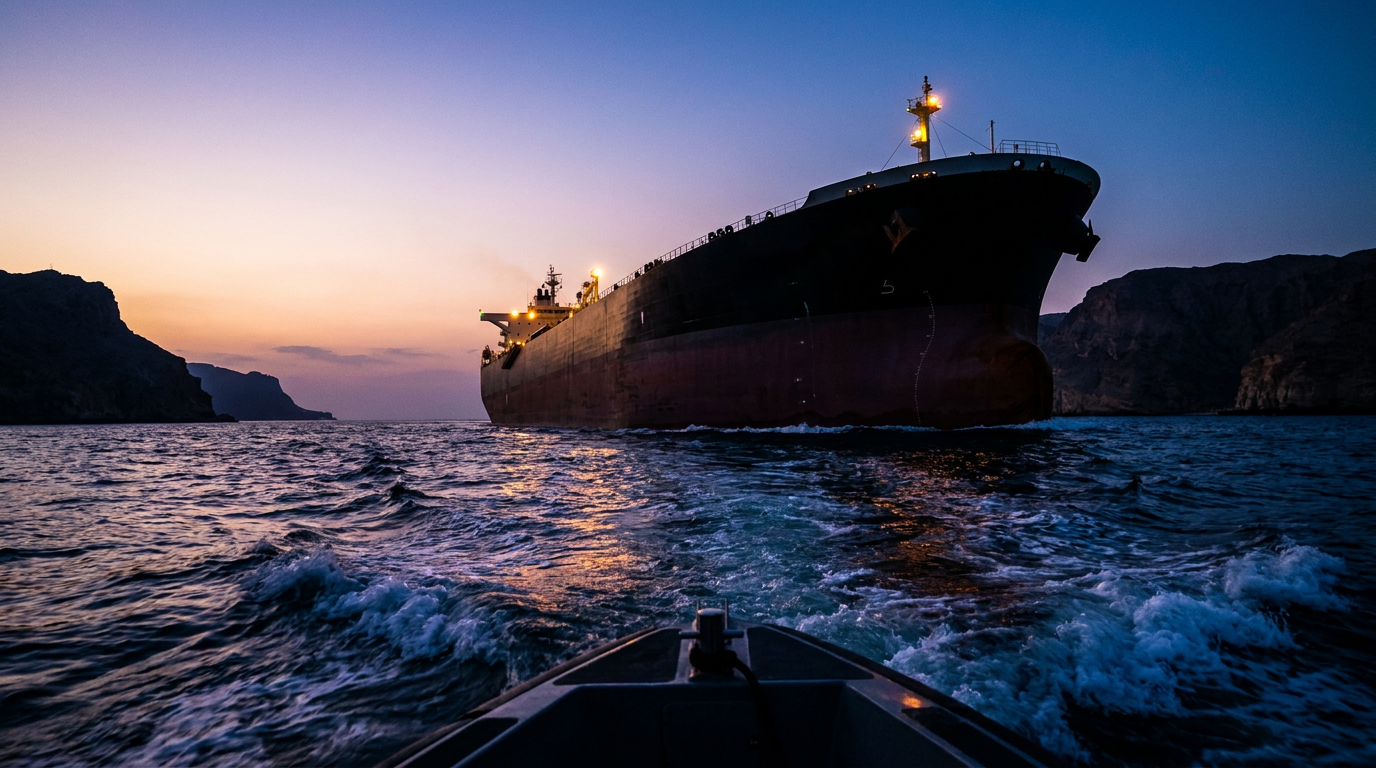
Vance Rebukes Israeli Critics of U.S.-Iran Peace Agreement, Warning Against Alienating 'Only Powerful Ally'
8 sources
Cognitive Defense
The Science of 'Prebunking': How Psychological Inoculation is Defeating Misinformation
6 sources

Every angle. Every day.
Get news politics stories with full source coverage and perspective breakdowns delivered to your inbox.