
US and Iran Reach Agreement to End Conflict and Reopen Strait of Hormuz
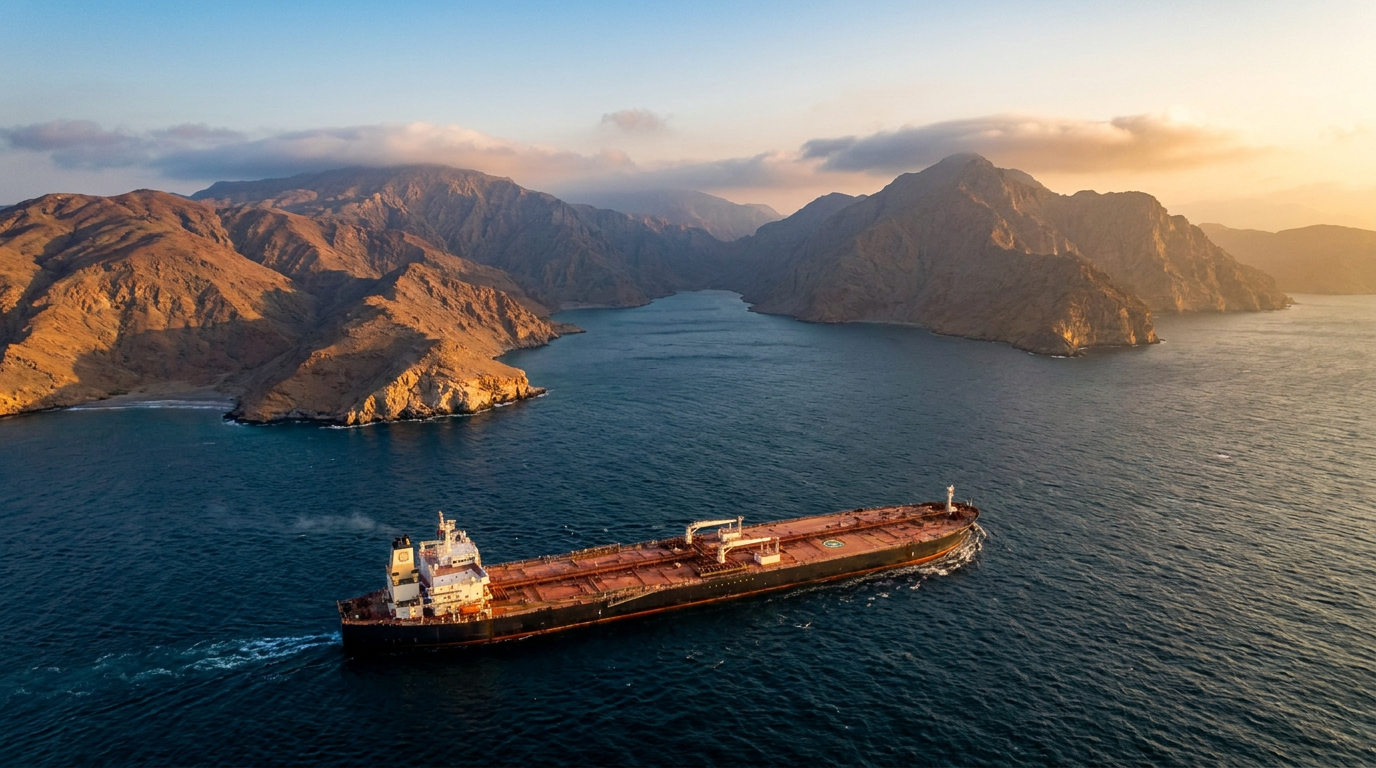
The United States and Iran have announced a memorandum of understanding to end their military conflict and lift the blockade on the Strait of Hormuz. The breakthrough agreement promises to stabilize global energy markets, though exact terms remain undisclosed ahead of the formal signing.
By Factlen Editorial Team
- US Administration
- Frames the agreement as a successful diplomatic resolution that secures global supply chains and avoids a protracted regional war.
- Iranian Government
- Views the deal as a strategic victory that breaks a suffocating economic blockade and validates their regional deterrence.
- Global Energy Importers
- Prioritizes the immediate reopening of the Strait of Hormuz to stabilize oil prices and ease domestic inflation.
- Foreign Policy Skeptics
- Questions the hidden concessions made to secure the deal and doubts the long-term enforceability of the ceasefire.
What's not represented
- · Regional proxy groups
- · Maritime insurance underwriters
Why this matters
The Strait of Hormuz handles roughly a fifth of global petroleum consumption. Reopening the waterway will immediately lower global energy costs, reduce inflation pressures, and de-escalate a conflict that threatened to engulf the broader Middle East.
Key points
- The US and Iran have reached a memorandum of understanding to end their military conflict.
- The agreement centers on lifting the blockade and reopening the Strait of Hormuz.
- A formal signing of the agreement is scheduled to take place on Friday.
- Global energy markets stabilized immediately following the announcement.
- Specific details and concessions of the deal remain undisclosed to the public.
After months of escalating military confrontation and crippling economic blockades, the United States and Iran have announced a memorandum of understanding designed to end their conflict. The agreement, confirmed by leadership in both Washington and Tehran, centers on an immediate cessation of hostilities and the reopening of the Strait of Hormuz, the world's most vital maritime chokepoint for energy supplies.[1][2]
President Trump confirmed the breakthrough following weeks of stalled assurances, announcing that a final agreement is complete and scheduled for a formal signing on Friday. The announcement marks a sudden pivot from a posture of maximum military pressure to a negotiated settlement, though the White House has kept the specific concessions and enforcement mechanisms tightly under wraps.[2]
In Tehran, the narrative is being framed as a strategic victory and the end of a suffocating economic siege. Iranian state media and government officials have publicly stated that the "peace deal" effectively ends the US blockade and halts the war on all fronts, allowing the country to resume critical maritime trade and oil exports that had been severely curtailed during the conflict.[1]
The mechanism of the global economic relief hinges entirely on the Strait of Hormuz. At its narrowest point, the strait is just 21 miles wide, with the shipping lanes in both directions only two miles wide. Under normal conditions, roughly 21 million barrels of oil pass through this corridor daily, representing about 20% of global petroleum liquids consumption.[8]

The closure of the strait had sent shockwaves through global markets, severing supply lines from Saudi Arabia, the UAE, Kuwait, and Iraq to major economies in Asia and Europe. The resulting supply shock forced energy importers to scramble for alternative sources, driving up the cost of Brent crude and triggering a cascade of inflationary pressures across the global supply chain.[4][5]
The economic damage extended far beyond the energy sector. In Australia, Prime Minister Anthony Albanese had been deliberating an extension of a temporary fuel excise cut to shield motorists from the months-long tail of the crisis. Following the announcement of the US-Iran deal, Albanese publicly welcomed the reopening of the strait, highlighting how deeply the Middle Eastern conflict had penetrated domestic economies worldwide.[3][5]
The path to the memorandum of understanding involved weeks of intense, back-channel diplomacy. With direct communication between Washington and Tehran historically fraught, the negotiations relied heavily on regional intermediaries. Diplomats from Qatar and Oman reportedly played crucial roles in shuttling proposals between the two capitals, working to find a framework that allowed both sides to claim their core security objectives were met.[6][7]

The path to the memorandum of understanding involved weeks of intense, back-channel diplomacy.
International reaction has been swift and uniformly relieved. Nations heavily dependent on Middle Eastern energy exports, including Pakistan and several European Union member states, applauded the agreement as a necessary step toward lasting regional tranquility. The immediate market response reflected this optimism, with oil futures stabilizing as traders priced in the imminent return of Gulf supplies.[1][4][6]
However, the lack of public details has generated significant skepticism among foreign policy analysts and political critics in the United States. Observers have noted that while the headline announcement promises peace, the actual text of the agreement remains hidden. Critics have preemptively labeled the unseen arrangement a "surrender document," questioning what long-term strategic concessions were made to secure the immediate reopening of the waterway.[2][7]
A central point of uncertainty is the verification and enforcement mechanism. Previous agreements in the region have frequently collapsed over disputes regarding compliance and the definition of hostile acts. It remains unclear whether the new deal includes provisions for international monitoring of the Strait of Hormuz or if it relies solely on bilateral deterrence.[7]
The maritime insurance industry is also watching closely. Even with a formal peace deal signed, the perceived risk of navigating the Persian Gulf remains elevated. Underwriters will likely require sustained evidence of safe passage before returning insurance premiums to pre-conflict levels, meaning the economic friction of the blockade will take time to fully dissipate.[4][5]

For the global economy, the immediate focus is on Friday's scheduled signing and the subsequent physical movement of tankers. The logistical challenge of clearing the backlog of delayed shipments and restoring normal operational tempo at regional ports will be the first practical test of the agreement's durability.[1][5]
Beyond the immediate economic relief, the deal reshapes the geopolitical architecture of the Middle East. By stepping back from the brink of a broader regional war, both the US and Iran have demonstrated a mutual limit to their tolerance for escalation. How this new equilibrium affects proxy conflicts in neighboring states will be the subject of intense diplomatic scrutiny in the coming months.[6][7]
Ultimately, the memorandum of understanding represents a pragmatic, if fragile, compromise. Driven by the intolerable economic costs of a closed Strait of Hormuz and the unpredictable risks of total war, Washington and Tehran have chosen a negotiated off-ramp. The success of the deal now depends on the transition from a piece of paper to the safe, uninterrupted flow of global commerce.[2][4][8]
How we got here
Recent Months
Military confrontation escalates, leading to a blockade of the Strait of Hormuz.
Early June 2026
Secret back-channel negotiations accelerate with the help of regional intermediaries.
June 15, 2026
US and Iran publicly announce a memorandum of understanding to end the conflict.
Upcoming Friday
Scheduled formal signing of the peace agreement and anticipated reopening of the strait.
Viewpoints in depth
US Administration's View
Focuses on the successful de-escalation of a major conflict and the protection of the global economy.
For the White House, the agreement is being presented as a triumph of coercive diplomacy. By bringing Iran to the negotiating table, the administration argues it has secured the vital flow of global energy without committing to a protracted, unwinnable ground war in the Middle East. The immediate stabilization of oil markets provides a crucial domestic political victory, easing inflation fears and demonstrating a capacity to resolve complex international crises.
Iranian Government's View
Frames the resolution as a successful defense of national sovereignty and a defeat of the US economic siege.
Tehran is projecting the memorandum of understanding to its domestic audience as a capitulation by the West. By surviving the military pressure and forcing the US to negotiate an end to the blockade, Iranian leadership claims to have validated their strategy of regional deterrence. The reopening of the strait is viewed not as a concession, but as the rightful restoration of Iran's ability to engage in international commerce and export its energy resources.
Foreign Policy Skeptics' View
Warns that the lack of transparency hides potentially dangerous long-term concessions.
Critics and defense analysts are raising alarms over the secrecy surrounding the deal's specific terms. They argue that an agreement reached under the duress of a global economic crisis likely involves significant, unpublicized compromises regarding Iran's broader regional activities or nuclear ambitions. This camp fears that the immediate relief of reopening the Strait of Hormuz may have been purchased at the cost of long-term security, setting the stage for future, more severe escalations if enforcement mechanisms fail.
What we don't know
- The specific diplomatic or economic concessions made by either side to secure the agreement.
- The exact mechanisms that will be used to monitor and enforce the safe passage of vessels through the strait.
- How quickly maritime insurance rates will normalize to allow full-scale shipping to resume.
Key terms
- Strait of Hormuz
- A narrow waterway between the Persian Gulf and the Gulf of Oman, serving as the only sea passage from the Persian Gulf to the open ocean.
- Memorandum of Understanding (MoU)
- A formal agreement between two or more parties that establishes a framework for cooperation, often serving as a precursor to a legally binding treaty.
- Chokepoint
- A narrow geographical feature, such as a strait or canal, that forces maritime traffic into a confined space, making it highly vulnerable to blockades.
Frequently asked
When will the Strait of Hormuz officially reopen?
The formal signing of the agreement is scheduled for Friday, after which the physical movement of commercial tankers is expected to resume.
What are the exact terms of the peace deal?
The specific details and concessions remain classified. Both sides have confirmed a memorandum of understanding to end hostilities, but the full text has not been released to the public.
Why is the Strait of Hormuz so important?
It is the world's most critical energy chokepoint. Roughly 21 million barrels of oil pass through it daily, accounting for about 20% of global petroleum consumption.
Will this lower gas prices immediately?
Global oil markets have already begun to stabilize in anticipation of the reopening, which is expected to ease inflationary pressures and lower fuel costs over the coming weeks.
Sources
Source coverage
8 outlets
4 viewpoints surfaced








[1]Al JazeeraIranian Government
US and Iran announce ‘understanding’ to end the war
Read on Al Jazeera →[2]Fox NewsUS Administration
Trump again says deal is close, then confirms a last-minute agreement with Iran, but details still secret
Read on Fox News →[3]The GuardianGlobal Energy Importers
Albanese signals fuel excise cut may be extended to help motorists paying more amid Middle East crisis
Read on The Guardian →[4]ReutersGlobal Energy Importers
Oil markets stabilize as US and Iran signal end to hostilities
Read on Reuters →[5]BloombergGlobal Energy Importers
Strait of Hormuz Reopening to Ease Global Supply Chain Chokehold
Read on Bloomberg →[6]BBCForeign Policy Skeptics
World leaders cautiously welcome US-Iran memorandum of understanding
Read on BBC →[7]The New York TimesForeign Policy Skeptics
Inside the Secret Negotiations That Led to the US-Iran Ceasefire
Read on The New York Times →[8]U.S. Energy Information Administration
The Strait of Hormuz is the world's most important oil transit chokepoint
Read on U.S. Energy Information Administration →
More in news politics
See all 9 stories →US-Iran Deal
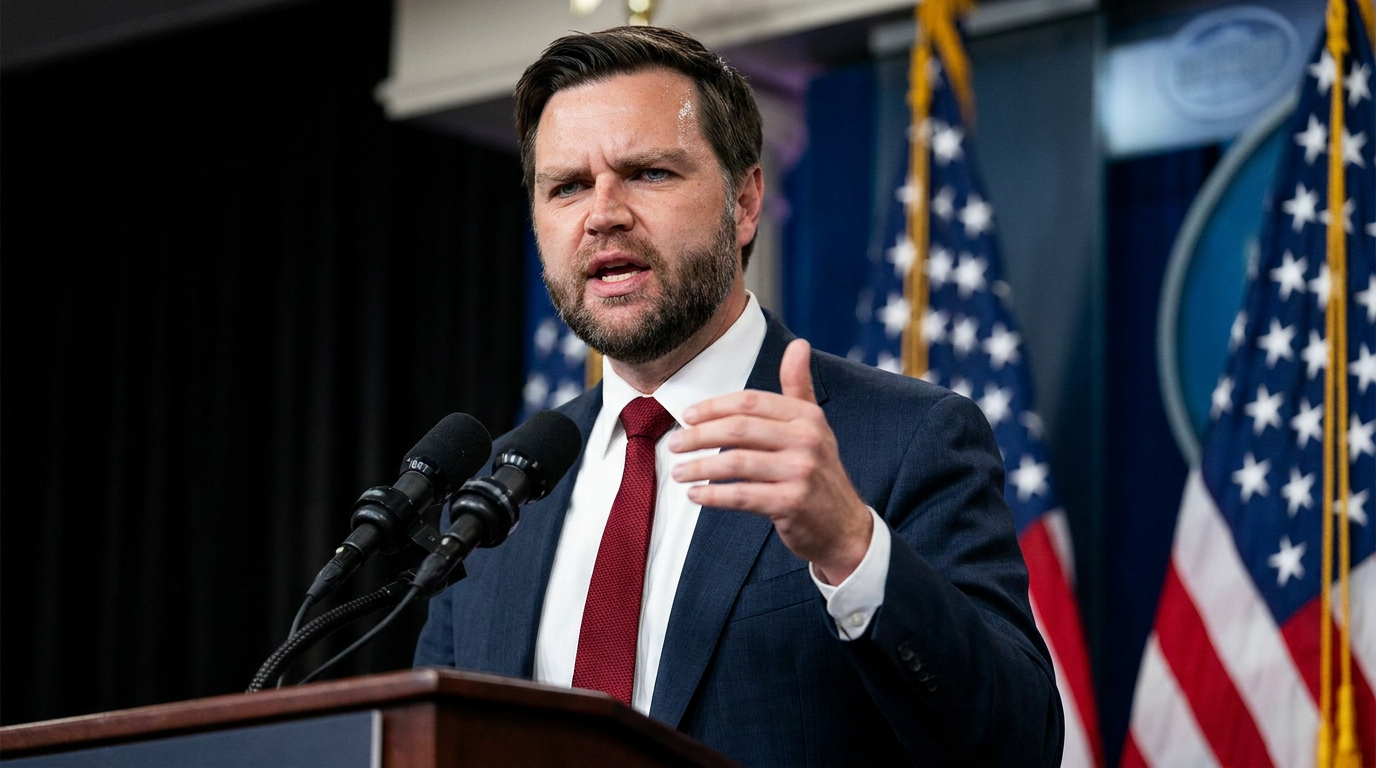
U.S. and Iran Sign Agreement to End War; Vance Lashes Out at Israeli Critics
7 sources
U.S.-Iran Deal
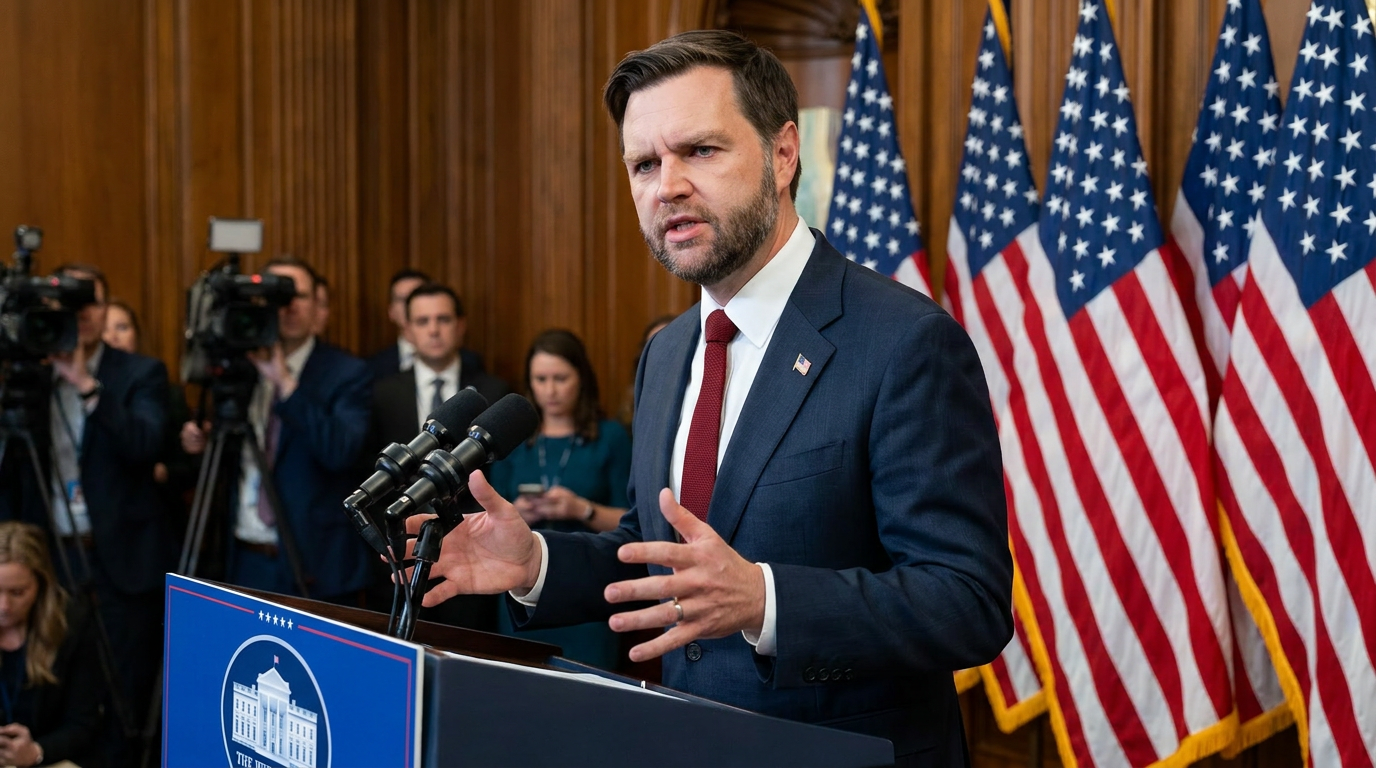
U.S. and Iran Sign 14-Point Agreement to End War, Sparking Fierce Backlash from Israel
6 sources
U.S.-Iran Relations
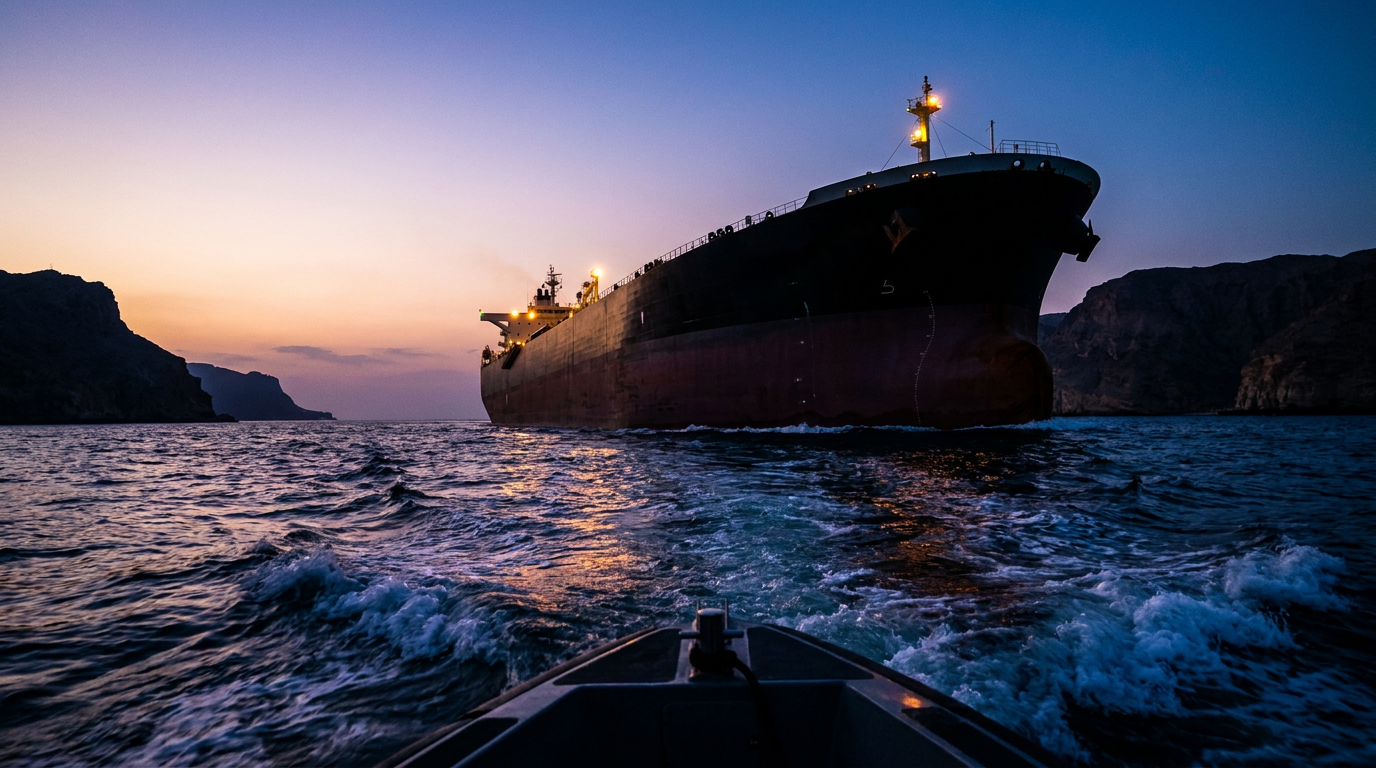
Vance Rebukes Israeli Critics of U.S.-Iran Peace Agreement, Warning Against Alienating 'Only Powerful Ally'
8 sources
Cognitive Defense
The Science of 'Prebunking': How Psychological Inoculation is Defeating Misinformation
6 sources

Every angle. Every day.
Get news politics stories with full source coverage and perspective breakdowns delivered to your inbox.