
US and Iran Announce Peace Deal, Reopening Strait of Hormuz and Sending Oil Prices Tumbling
A newly announced ceasefire agreement aims to end the four-month conflict, lifting the U.S. naval blockade and reopening the world's most critical oil chokepoint. Global markets surged and crude prices dropped sharply, though analysts warn the fragile pact faces a complex 60-day negotiation period.
By Factlen Editorial Team
- Global Markets & Importers
- Focuses on the immediate economic relief, celebrating the drop in oil prices and the easing of inflationary pressures.
- U.S. Administration
- Frames the deal as a major diplomatic and economic victory that successfully ends the naval blockade and restores global energy flows.
- Iranian Leadership
- Views the agreement with deep distrust, emphasizing the need for sanctions relief while maintaining sovereign oversight of the strait.
- Geopolitical Skeptics
- Warns that the 60-day ceasefire is highly fragile and leaves critical nuclear and regional security issues dangerously unresolved.
What's not represented
- · Israeli government officials
- · Lebanese civilians affected by the ceasefire
- · Maritime insurance underwriters
Why this matters
The reopening of the Strait of Hormuz—which handles a fifth of global oil consumption—promises immediate relief for inflation-battered consumers and energy-importing nations, potentially averting a prolonged global economic recession.
Key points
- The U.S. and Iran have agreed to a 14-point memorandum of understanding to end their four-month war.
- The deal immediately lifts the U.S. naval blockade and reopens the Strait of Hormuz to global shipping.
- Global oil prices tumbled by over 4 percent, with Brent crude dropping below $84 a barrel.
- Asian equity markets surged on the news, anticipating significant relief from energy-driven inflation.
- A 60-day negotiation period will follow to address complex issues including nuclear dismantlement and sanctions relief.
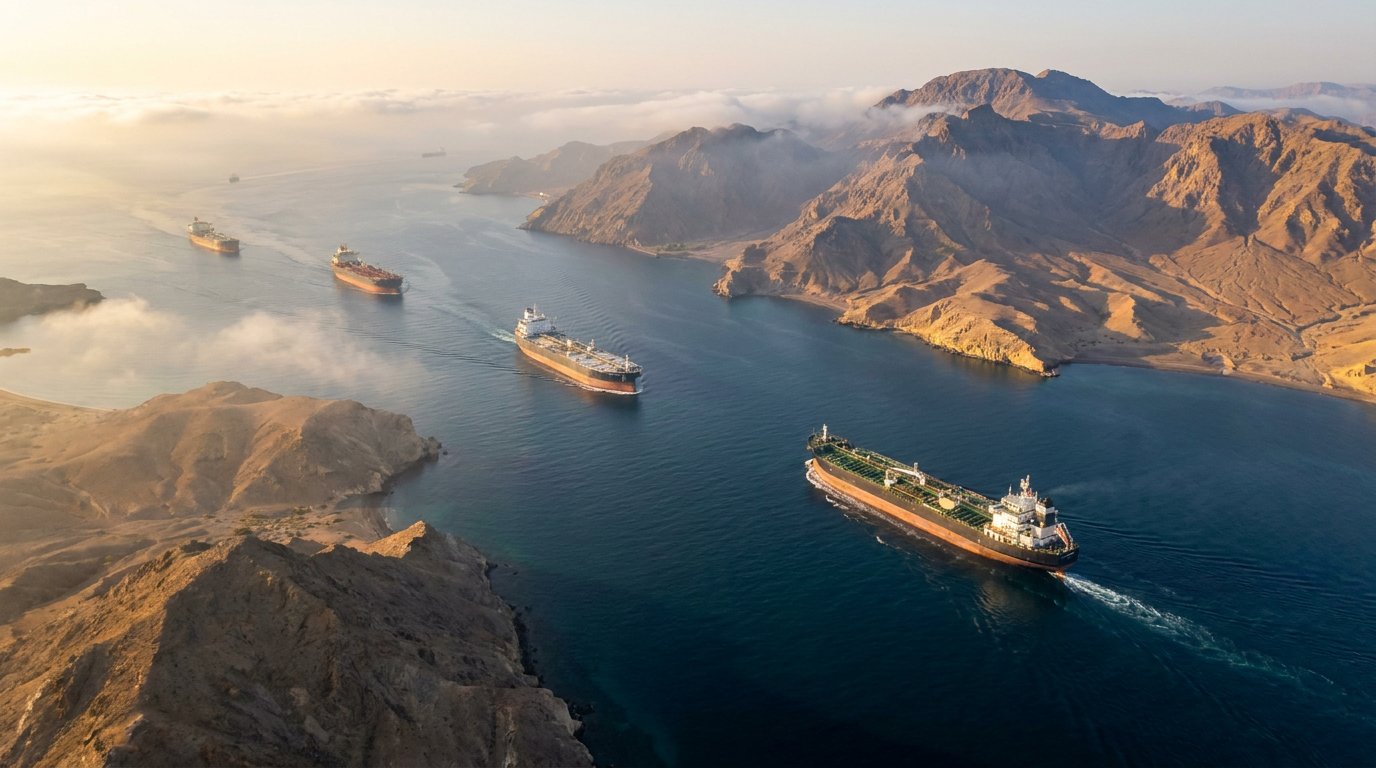
The United States and Iran have reached a tentative peace agreement aimed at ending a devastating four-month conflict that has severely disrupted the global economy. The breakthrough framework, announced over the weekend, paves the way for the immediate reopening of the Strait of Hormuz, the world's most critical maritime chokepoint for energy supplies. By halting hostilities and lifting the U.S. naval blockade on Iranian ports, the deal promises to relieve a historic energy supply crisis that had driven inflation upward and stoked fears of a prolonged global recession. The announcement marks the closest the two adversaries have come to a permanent resolution since the war erupted in late February, offering a sudden and dramatic de-escalation in a region that had been teetering on the edge of a wider conflagration.[3][4][5]
U.S. President Donald Trump revealed the completion of the agreement in a late-night social media post, declaring that he had authorized the immediate cessation of the U.S. Navy's blockade of Iranian shipping routes. "The Deal with the Islamic Republic of Iran is now complete. Congratulations to all!" Trump wrote on his Truth Social platform. "I hereby fully authorize the toll free opening of the Strait of Hormuz, and, simultaneously herewith, authorize the immediate removal of the United States Naval blockade. Ships of the World, start your engines. Let the oil flow!" The unilateral declaration from Washington set off a flurry of diplomatic confirmations, signaling that the intense backchannel negotiations—which had been threatened by recent regional flare-ups—had finally yielded a workable, if fragile, consensus between the two powers.[3][5][6]
In Tehran, Iranian officials quickly corroborated the existence of the agreement, though they framed the diplomatic development with characteristic caution. Deputy Foreign Minister Kazem Gharibabadi confirmed on state television that a 14-point memorandum of understanding (MOU) had been finalized. The framework establishes a 60-day ceasefire and mandates the immediate and permanent termination of military operations on all fronts, which notably includes the ongoing proxy engagements in Lebanon. However, Gharibabadi was quick to emphasize to domestic audiences that the agreement "does not signify trust in the enemy and was drafted in an atmosphere of continued distrust." Iranian state media also noted that the draft agreement calls for the Strait of Hormuz to be reopened within 30 days under specific Iranian logistical arrangements, ensuring Tehran maintains a degree of sovereign oversight over the waterway.[2][3][4][7]
The diplomatic breakthrough was heavily facilitated by international mediators, with Pakistan playing a central role in bridging the divide between Washington and Tehran. Pakistani Prime Minister Shehbaz Sharif, whose government served as the primary conduit for the indirect talks, announced that the two sides had agreed to the immediate cessation of hostilities and would proceed to technical discussions. Sharif confirmed that an official signing ceremony for the memorandum of understanding is scheduled to take place on Friday, June 19, in Switzerland. The choice of neutral Swiss territory for the signing underscores the high-stakes nature of the pact, which aims to transition the current fragile truce into a binding framework for long-term regional stability.[3][4][5]
The economic reaction to the weekend's diplomatic developments was immediate and explosive, as global energy markets rapidly priced in the return of Middle Eastern crude. Oil prices, which had skyrocketed to as high as $120 a barrel at the peak of the conflict due to shipping disruptions and elevated insurance premiums, tumbled by more than 4 percent in early Monday trading. Brent crude, the primary international benchmark, dropped below $84 a barrel, reaching its lowest level since the war began in early March. Similarly, U.S. West Texas Intermediate (WTI) crude futures fell sharply to roughly $81 per barrel. The aggressive unwinding of the geopolitical risk premium reflects immense relief among commodities traders, who had spent months bracing for the possibility of a permanent closure of the strait.[6][7][8]

The economic reaction to the weekend's diplomatic developments was immediate and explosive, as global energy markets rapidly priced in the return of Middle Eastern crude.
Equity markets across the Asia-Pacific region mirrored the euphoria seen in the commodities sector, staging massive rallies on the expectation that lower energy costs will ease inflationary pressures on central banks. Japan's benchmark Nikkei 225 index soared by 5.5 percent in morning trading, logging another record high as foreign investors flooded back into the market. South Korea's Kospi index jumped nearly 5 percent, while markets in Taiwan and Australia also posted significant gains. The surge was particularly pronounced in technology and manufacturing sectors, which are highly sensitive to energy input costs and interest rate environments. Financial analysts noted that the sudden drop in oil prices provides a critical relief valve for the global economy, potentially averting the need for further aggressive monetary tightening by the U.S. Federal Reserve and other major central banks.[1][6][10]
For heavily energy-dependent nations, the reopening of the Strait of Hormuz represents an economic lifeline. India, which imports more than 85 percent of its crude oil requirements, has faced severe domestic pressures as the cost of producing petrol and diesel soared. During the conflict, state-owned fuel retailers in India booked massive daily losses, absorbing the price shocks to shield consumers from the full brunt of the $120-a-barrel peak. The narrow waterway between Iran and Oman handles roughly a fifth of total global oil consumption and serves as the primary export route for major Gulf producers, including Saudi Arabia, Iraq, and the United Arab Emirates. A normalization of shipping through this corridor will drastically lower freight costs and reduce the imported inflation that has battered emerging market economies over the past four months.[9]

Despite the widespread market optimism, geopolitical analysts and energy experts are urging caution, warning that the memorandum of understanding is merely the first step in a highly volatile process. Stephen Innes, chief market analyst at SPI Asset Management, characterized the agreement as a "relief valve, not a full peace dividend," noting that the market still has to price in the gap between a political headline and a regime that actually complies with the terms. The 60-day ceasefire window is expected to be fraught with complex negotiations over deeply entrenched issues. Western officials have indicated that during this period, Iran will be expected to work with the United States to dismantle nuclear material that could be used for a weapon, a concession that Tehran has historically resisted under pressure.[4][10]
In exchange for these nuclear concessions and the reopening of the strait, Iran is seeking comprehensive relief from crippling economic sanctions and access to billions of dollars in frozen overseas assets. Iranian Foreign Minister Abbas Araghchi has also demanded a formal pledge from the United States not to launch future military strikes against Iranian territory. Reconciling these maximalist demands within a 60-day window will require unprecedented diplomatic maneuvering. Experts at the Atlantic Council have warned that while the ceasefire temporarily reduces violence, it remains a fragile understanding. If the subsequent technical talks fail to produce a binding, long-term treaty regarding maritime commerce and nuclear oversight, the United States and Iran could easily slip back into active warfare before the end of the year.[2][4]
Furthermore, the physical restoration of the global oil supply chain will be a protracted logistical challenge, meaning consumers may not feel the full benefits of the peace deal immediately. Shipping and maritime insurance companies will require concrete assurances that the waterway is completely safe from naval mines, drone harassment, and arbitrary seizures before returning to pre-war traffic levels. Analysts at the influential energy consultancy Rystad Energy estimate that even with a prompt reopening, the crisis has already cut roughly one billion barrels of oil from the market. They predict a phased reopening of the strait by mid-July, but warn that the complex repositioning of tanker fleets and the restarting of mature oilfields in Iraq and Kuwait could delay the full restoration of lost production volumes until January 2027.[7][8]

The durability of the ceasefire also faces fierce opposition from regional actors who view the survival of the current Iranian government as an existential threat. Israel has reportedly expressed deep reservations about the interim pact, fearing that a premature lifting of the blockade will allow Tehran to rebuild its military capabilities and resume funding for proxy militias across the Middle East. The fragility of the negotiations was laid bare just hours before the announcement, when Israeli airstrikes targeted a Hezbollah command center in Beirut, Lebanon. The strikes nearly derailed the talks in their final stages, prompting a rare public rebuke from President Trump, who stated that the attack should not have happened when the parties were so close to a finalized agreement.[2][5]
As the international community looks toward Friday's signing ceremony in Switzerland, the stakes could not be higher. The successful implementation of the 14-point memorandum would mark a historic diplomatic achievement, ending a devastating regional war and stabilizing a global economy that had been pushed to the brink by soaring energy costs. However, the path forward requires navigating decades of entrenched distrust, complex nuclear diplomacy, and the competing security interests of heavily armed regional rivals. For now, the world's energy markets are breathing a collective sigh of relief, but the true test of the peace deal will unfold in the tense, high-stakes negotiating rooms over the next sixty days.[2][8][10]
How we got here
Late Feb 2026
Conflict erupts, leading to the closure of the Strait of Hormuz and the imposition of a U.S. naval blockade.
March 2026
Global oil prices surge to $120 a barrel, triggering a worldwide energy and inflation crisis.
Mid-April 2026
A fragile, temporary ceasefire is established, though maritime shipping remains heavily disrupted.
June 14, 2026
U.S. and Iranian officials announce a breakthrough 14-point memorandum of understanding to end the war.
June 19, 2026
Official signing ceremony for the peace framework scheduled to take place in Switzerland.
Viewpoints in depth
U.S. Administration's View
Frames the deal as a necessary step to stabilize global markets and a major diplomatic victory.
For Washington, the immediate reopening of the Strait of Hormuz is a critical economic imperative. The administration views the lifting of the naval blockade not as a concession, but as a calculated maneuver to relieve domestic and global inflationary pressures ahead of a potential recession. By securing an agreement that halts hostilities on all fronts, U.S. officials argue they have successfully contained a conflict that threatened to spiral into a broader regional war, while setting the stage for strict nuclear oversight during the upcoming 60-day window.
Iranian Leadership's View
Views the agreement through a lens of deep distrust, emphasizing the removal of the blockade and the pursuit of sanctions relief.
Tehran is presenting the memorandum of understanding to its domestic audience as a testament to Iranian resilience. Officials emphasize that the U.S. was forced to lift its naval blockade, and they maintain that the reopening of the strait will occur under Iranian logistical arrangements, preserving their sovereign oversight. While agreeing to the ceasefire, Iranian diplomats remain highly skeptical of U.S. intentions, demanding comprehensive relief from economic sanctions and formal guarantees against future military strikes before any permanent treaty is signed.
Regional Skeptics' View
Fears the 60-day window will allow Tehran to regroup without permanently dismantling its nuclear capabilities.
Security analysts and regional actors, particularly in Israel, view the interim pact with profound alarm. They argue that lifting the naval blockade and reopening the strait before securing irreversible concessions on Iran's nuclear program is a strategic error. Skeptics warn that the 60-day ceasefire merely provides Tehran with a vital economic lifeline and the time needed to rebuild its military infrastructure, leaving the fundamental security threats in the Middle East dangerously unresolved.
What we don't know
- The exact mechanisms and benchmarks for dismantling Iranian nuclear material during the 60-day window.
- How strongly Israel will oppose the implementation of the deal, and whether regional proxy conflicts will truly cease.
- How quickly maritime insurance companies will clear commercial vessels to return to the Strait of Hormuz at pre-war volumes.
Key terms
- Strait of Hormuz
- A highly strategic maritime chokepoint between the Persian Gulf and the Gulf of Oman, essential for global energy transport.
- Brent Crude
- The primary international benchmark price for purchasing oil worldwide.
- Naval Blockade
- The use of naval forces to cut off a specific area, in this case, U.S. forces preventing maritime traffic from accessing Iranian ports.
- Memorandum of Understanding (MOU)
- A formal agreement between two or more parties that outlines the terms and details of an understanding, often preceding a binding treaty.
Frequently asked
What is the Strait of Hormuz?
It is a narrow, highly strategic waterway between Iran and Oman that serves as the primary export route for Middle Eastern oil, handling roughly 20 percent of global consumption.
How much did oil prices drop?
Brent crude, the international benchmark, fell by more than 4 percent to below $84 a barrel immediately following the announcement of the peace deal.
When will the deal be officially signed?
An official signing ceremony for the memorandum of understanding is scheduled for Friday, June 19, in Switzerland, brokered by the Pakistani government.
Does this mean the war is completely over?
Not yet. The current agreement is a 60-day ceasefire and memorandum of understanding; a permanent treaty requires further complex negotiations regarding nuclear material and sanctions relief.
Sources
Source coverage
10 outlets
4 viewpoints surfaced










[1]Al JazeeraIranian Leadership
Asian stock markets surge as Washington and Tehran announce breakthrough
Read on Al Jazeera →[2]Atlantic CouncilGeopolitical Skeptics
Experts react: The US and Iran just announced an interim peace deal
Read on Atlantic Council →[3]CBS NewsU.S. Administration
Trump says U.S. deal with Iran 'is now complete,' authorizes removal of Navy blockade
Read on CBS News →[4]The Washington PostU.S. Administration
U.S., Iran expected to finalize deal extending ceasefire
Read on The Washington Post →[5]TIMEU.S. Administration
U.S. and Iran Reach Deal to End War, Reopen Strait of Hormuz
Read on TIME →[6]Investing.comGlobal Markets & Importers
Oil prices tumble after US, Iran agree to end war, reopen Hormuz
Read on Investing.com →[7]ReutersGlobal Markets & Importers
Oil prices slip to lowest since March on US-Iran deal
Read on Reuters →[8]The GuardianGlobal Markets & Importers
Oil prices tumble amid hopes strait of Hormuz will soon reopen
Read on The Guardian →[9]The HinduGlobal Markets & Importers
Oil prices fall on US-Iran ceasefire agreement
Read on The Hindu →[10]Associated PressGlobal Markets & Importers
Shares soar in Asia after tentative deal announced on ending Iran war
Read on Associated Press →
More in news politics
See all 9 stories →US-Iran Deal
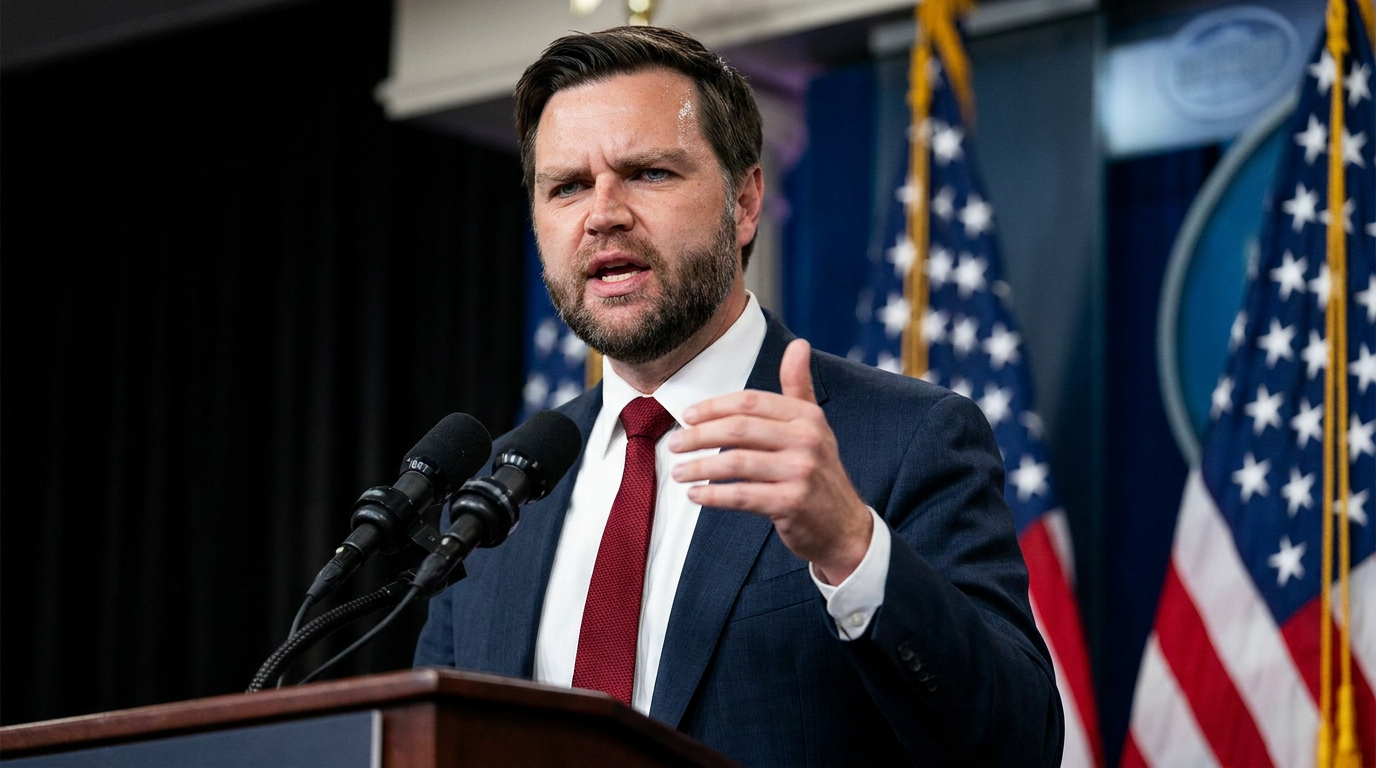
U.S. and Iran Sign Agreement to End War; Vance Lashes Out at Israeli Critics
7 sources
U.S.-Iran Deal
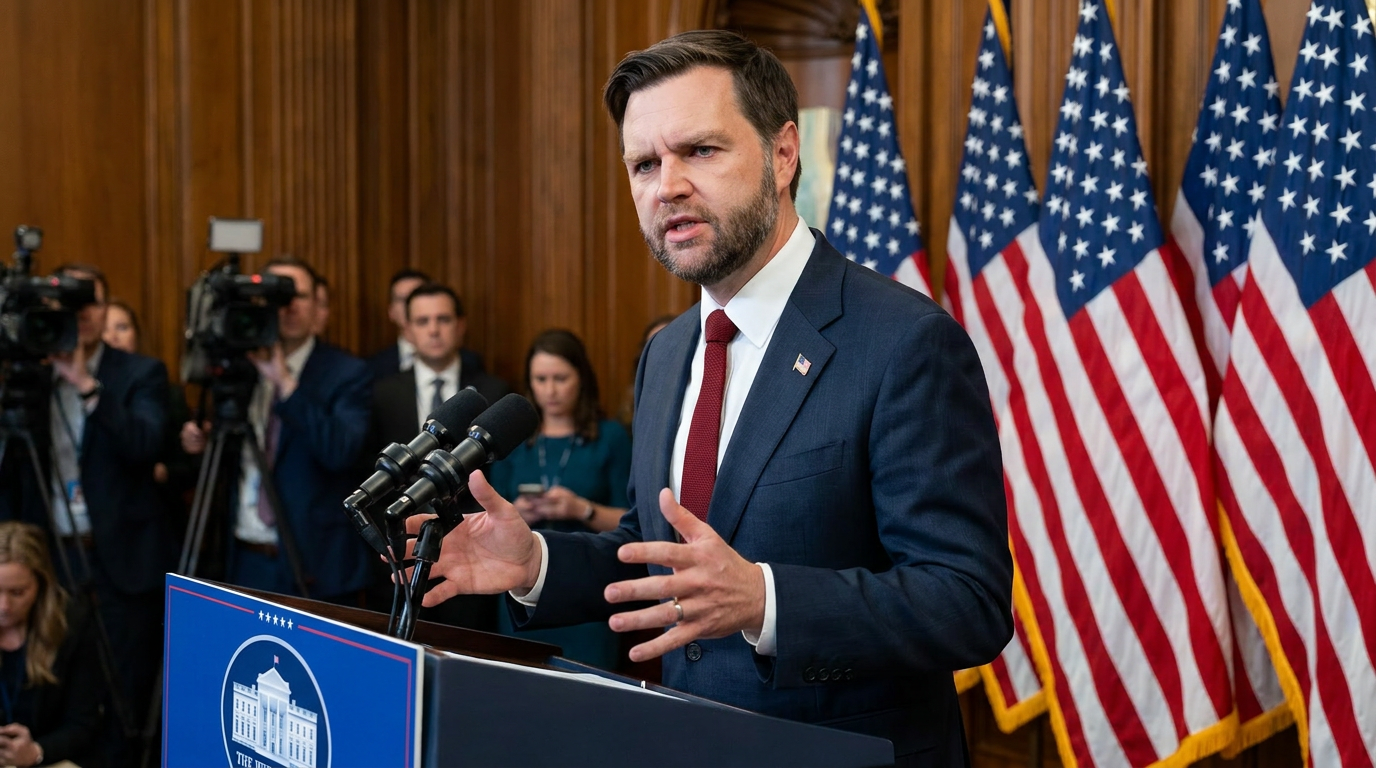
U.S. and Iran Sign 14-Point Agreement to End War, Sparking Fierce Backlash from Israel
6 sources
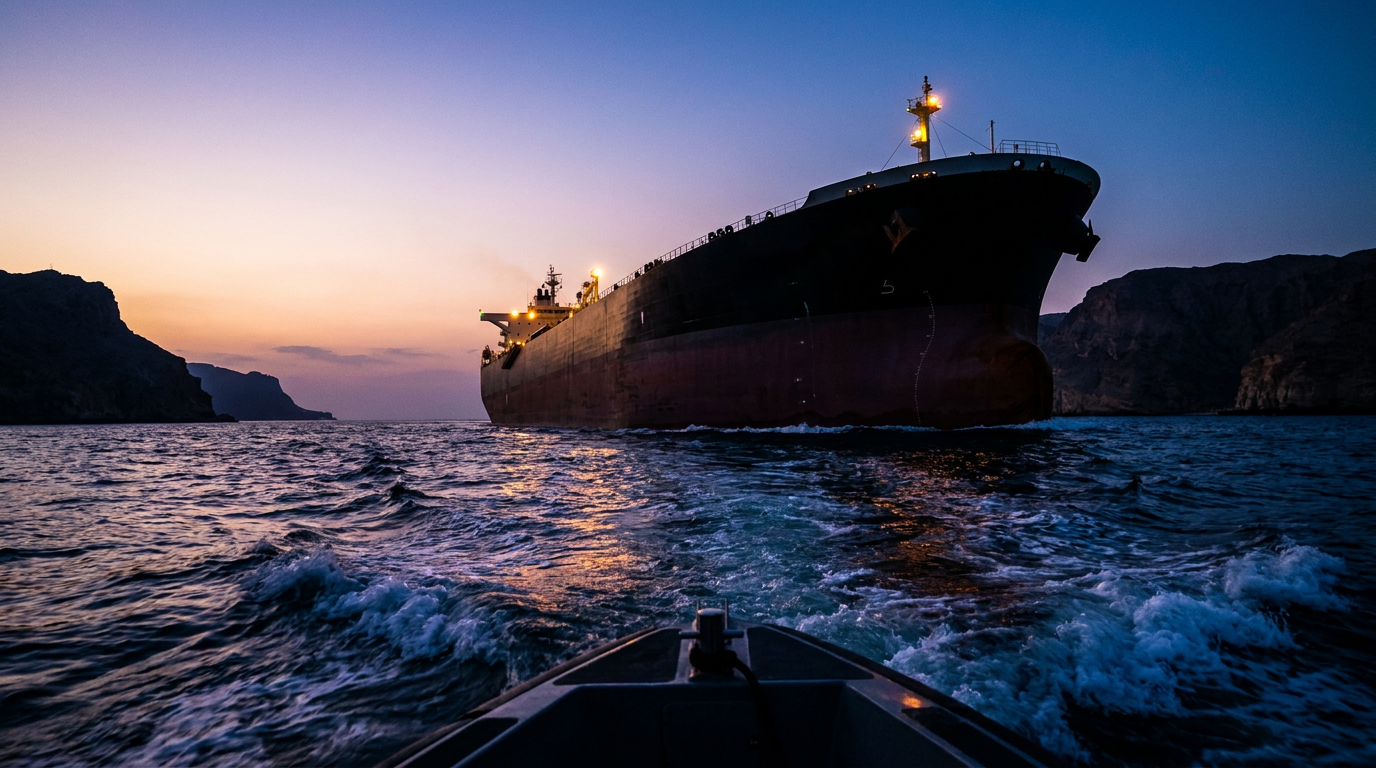
U.S.-Iran Relations
Vance Rebukes Israeli Critics of U.S.-Iran Peace Agreement, Warning Against Alienating 'Only Powerful Ally'
8 sources
Cognitive Defense
The Science of 'Prebunking': How Psychological Inoculation is Defeating Misinformation
6 sources

Every angle. Every day.
Get news politics stories with full source coverage and perspective breakdowns delivered to your inbox.