
US and Iran Agree to 60-Day Roadmap for Final Peace Deal Following Tense Switzerland Talks
Mediators Qatar and Pakistan have announced a formal 60-day timeline to negotiate a final US-Iran peace agreement, establishing a Lebanon de-confliction cell and a maritime communication line.
By Factlen Editorial Team
- US Administration
- Focuses on enforcing deterrence, curbing nuclear risks, and ensuring the free flow of global commerce through the Strait of Hormuz.
- Iranian Leadership
- Prioritizes securing vital economic lifelines, including the lifting of petrochemical sanctions and the release of frozen assets.
- Mediators & Markets
- Emphasizes the necessity of pragmatic de-escalation, economic stability, and keeping diplomatic channels open despite political rhetoric.
- Regional Security Observers
- Highlights the fragility of the roadmap, particularly the risk of spillover from the ongoing Israel-Lebanon conflict.
What's not represented
- · Lebanese Government
- · Israeli Leadership
Why this matters
This 60-day roadmap is the most concrete mechanism yet to permanently end a conflict that has disrupted global shipping and spiked energy costs. If the technical talks succeed, it will stabilize oil prices and prevent a wider regional war; if they fail, the Middle East faces an immediate return to active military escalation.
Key points
- The US and Iran agreed to a 60-day roadmap to reach a final peace deal.
- A de-confliction cell was created to halt military operations in Lebanon.
- A direct communication line was established to keep the Strait of Hormuz open.
- The Iranian delegation briefly walked out over threats from US President Donald Trump.
- Technical working groups will remain in Switzerland to negotiate the details.
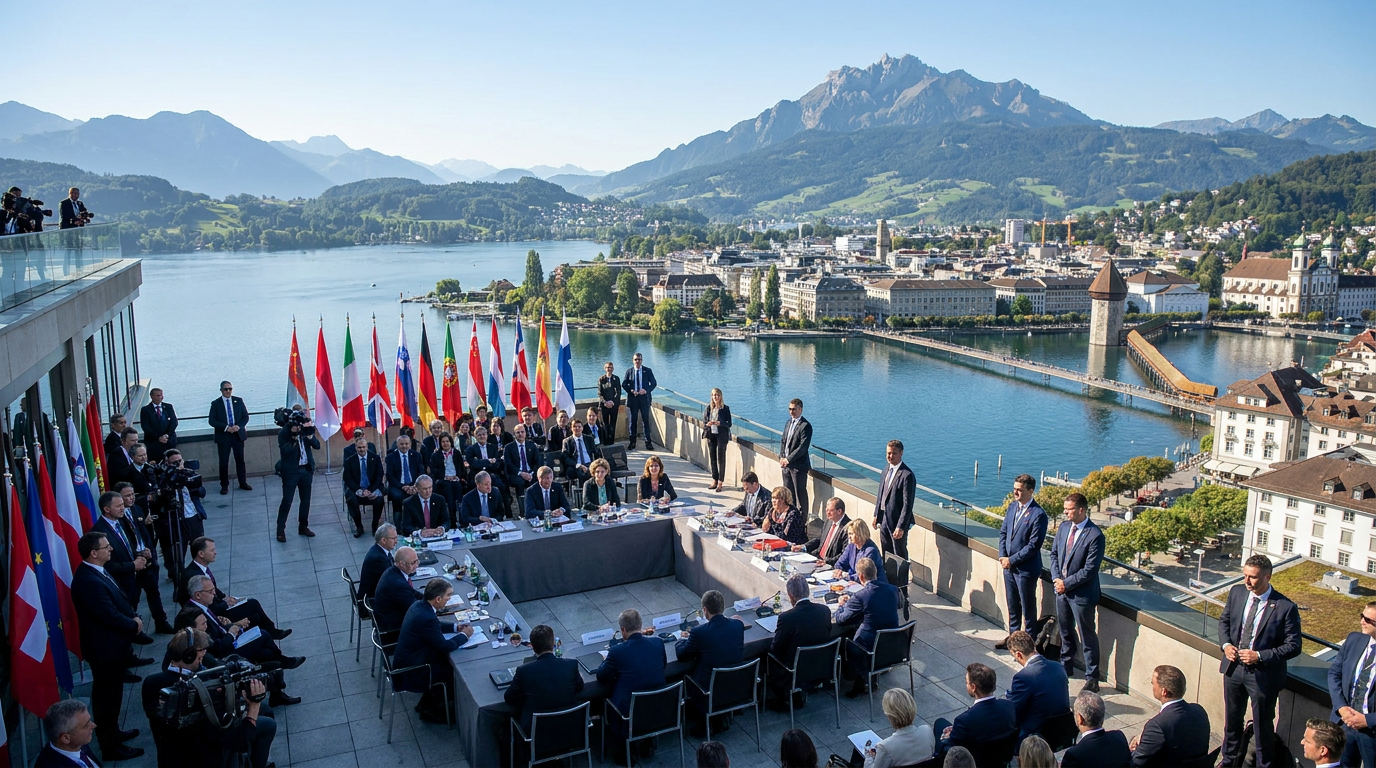
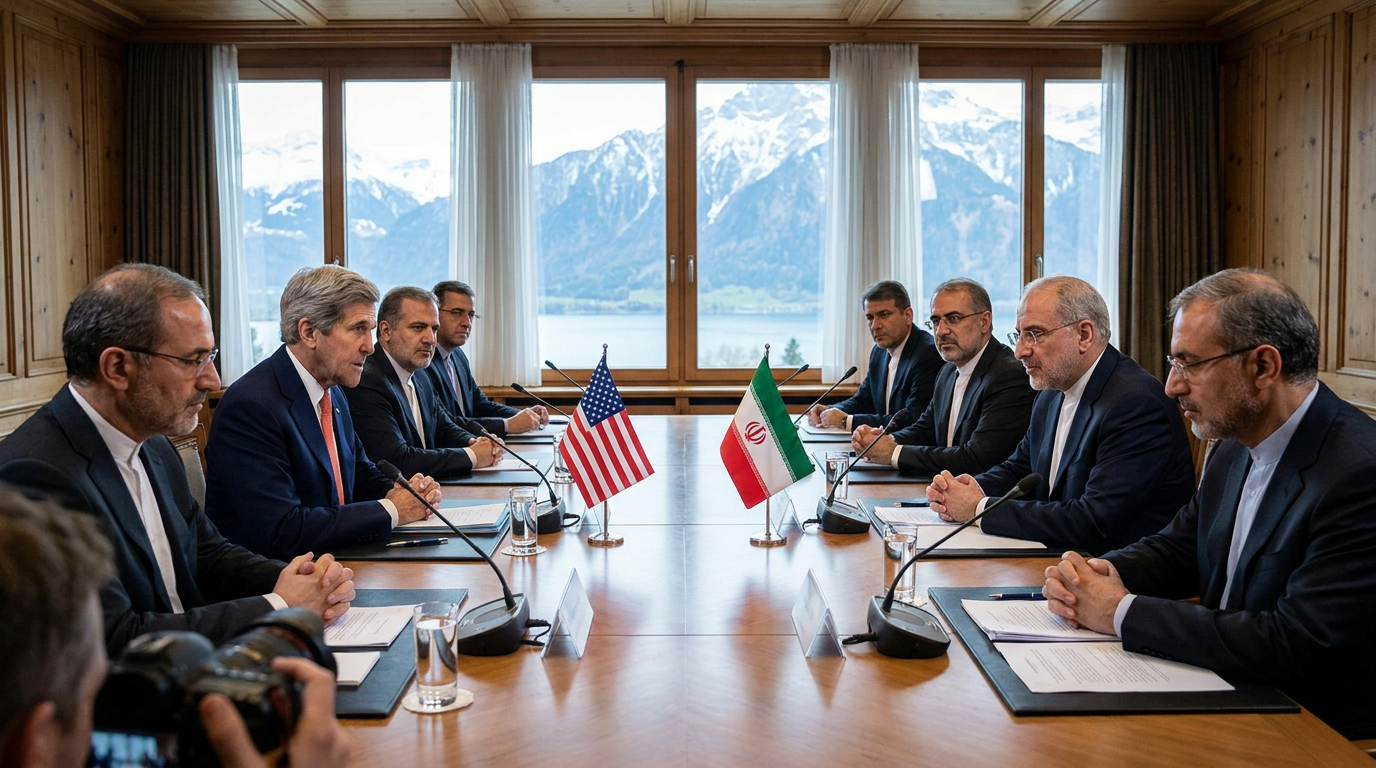
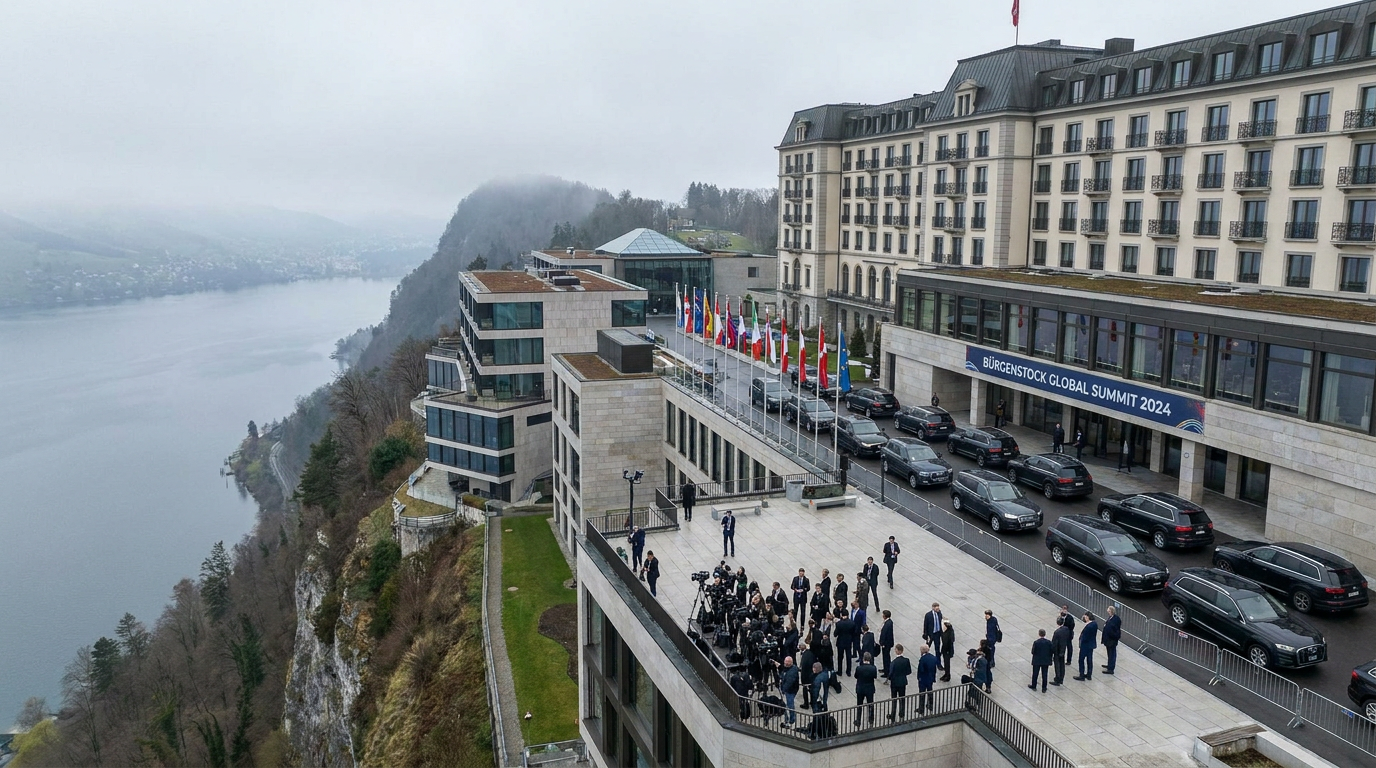
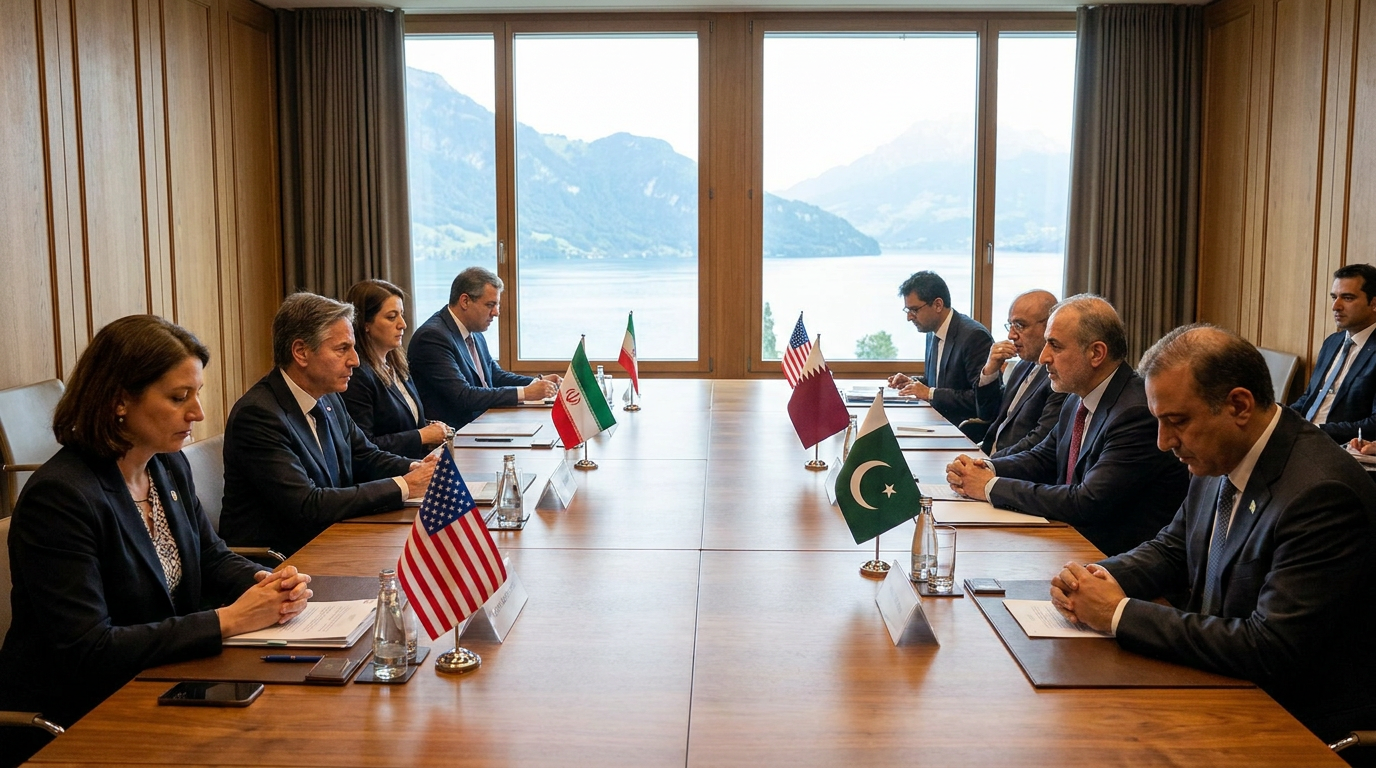
After months of escalating conflict that rattled global energy markets and threatened a wider Middle East war, the United States and Iran have formally agreed to a 60-day roadmap aimed at securing a final peace deal. The breakthrough emerged from high-level diplomatic talks at the Bürgenstock resort in Switzerland, mediated by Qatar and Pakistan.[7][8]
The structured timeline represents the most concrete diplomatic mechanism established since the two nations signed an initial memorandum of understanding last week. The stakes are immense: the conflict has already triggered military strikes, disrupted global shipping, and drawn in regional proxy forces across multiple borders.[1][4]
At the core of the new agreement is a High-Level Committee tasked with providing political oversight for the duration of the 60-day window. This committee will manage the transition from a fragile ceasefire into a permanent resolution, laying the groundwork for technical working groups to hammer out the granular details of sanctions relief and nuclear containment.[6][8]
The most immediate test of the roadmap is the creation of a specialized "de-confliction cell" focused on Lebanon. Fighting between Israel and the Iranian-backed militant group Hezbollah has repeatedly threatened to derail the broader peace process. The cell, facilitated by the mediating nations, is designed to strictly monitor and enforce the cessation of active military operations across the Lebanese border.[1][8]

Parallel to the Lebanon initiative, negotiators established a direct communication line to manage the Strait of Hormuz. Tehran had effectively closed the vital maritime chokepoint in retaliation for Israeli strikes, sending shockwaves through the global economy. The new hotline aims to prevent miscalculations and ensure the safe passage of commercial vessels, a critical requirement for stabilizing international oil prices.[5][7]
For Tehran, the roadmap carries significant economic implications. Iranian Foreign Minister Abbas Araghchi claimed that the mediation had already delivered major progress, stating that waivers on oil and petrochemical exports had been secured. Araghchi also pointed to the lifting of blockades, the release of certain frozen assets, and the launch of a major reconstruction plan for Iran as early dividends of the talks.[8]
Despite the eventual agreement, the summit nearly collapsed before it began. The first day of negotiations was marked by high drama when the Iranian delegation abruptly walked out of the venue. The recess was triggered by a series of incendiary threats issued by U.S. President Donald Trump, which Iranian state media described as an "insulting message" that forced the talks into a difficult phase.[1][4]
Despite the eventual agreement, the summit nearly collapsed before it began.
As Vice President JD Vance and the U.S. delegation sat down in Switzerland, Trump took to social media to demand that Iran immediately stop its "highly paid proxies" in Lebanon. He warned that failure to do so would result in the U.S. hitting Iran "very hard again, just like we did last week, only harder." In a subsequent television interview, Trump threatened to take over the Strait of Hormuz and reportedly used expletives while warning Iranian officials about their personal safety.[1][3]

The aggressive rhetoric from Washington stood in stark contrast to the diplomatic tone struck by the U.S. delegation on the ground. Vice President Vance, flanked by envoys Jared Kushner and Steve Witkoff, opened the session by asking if the two nations could "turn over a new leaf" and permanently change relations in the Middle East.[2][4]
The Iranian delegation, led by Parliament Speaker Mohammad Bagher Ghalibaf, publicly dismissed the threats. Ghalibaf stated that Tehran does not take American threats into account, warning that Iranian armed forces were prepared to respond to any aggression. However, domestic political pressure in Tehran compelled the negotiators to temporarily leave the room to demonstrate their refusal to negotiate under duress.[3][4]
The crisis was ultimately defused by the "tireless" intervention of Qatari and Pakistani mediators. After approximately 80 minutes of direct talks and the subsequent walkout, the mediators shuttled between the delegations to keep the diplomatic channel alive. Their efforts ensured that while the top political leaders departed after the first day, lower-level technical teams remained in Switzerland.[1][8]
Global financial markets reacted swiftly to the survival of the talks and the announcement of the 60-day roadmap. The establishment of the Hormuz communication line and the Lebanon de-confliction cell significantly reduced the immediate threat of renewed supply shocks. In response, Brent crude oil prices fell 1.5 percent to trade below $80 a barrel, paring back the risk premium that had built up during the conflict.[5]

While the immediate focus remains on maritime security and regional de-escalation, the underlying issue of Iran's nuclear program looms over the 60-day window. Iranian President Masoud Pezeshkian reiterated that Tehran would not relinquish its right to enrich uranium, though he maintained that the country has no intention of building a nuclear weapon. Curbing nuclear risks remains a primary objective for the U.S. technical teams.[4]
The success of the roadmap is far from guaranteed. The Lebanon de-confliction cell faces an immediate stress test, as the memorandum of understanding calls for a ceasefire on all fronts, yet Israeli military operations and Hezbollah rocket fire have continued to test the boundaries of the fragile agreement.[1][4]
Furthermore, the 60-day timeline must survive intense domestic scrutiny in both capitals. The U.S. administration is under pressure to deliver a definitive end to the conflict without appearing to concede to Iranian demands, while Tehran's negotiators must navigate hardline factions at home who view any compromise with Washington as a capitulation.[1][3]

For now, the technical working groups will spend the remainder of the week sequestered at the Bürgenstock resort. Their mandate is to translate the high-level political commitments into actionable, verifiable mechanisms, determining whether the 60-day roadmap will lead to a historic peace deal or simply delay the next phase of the conflict.[4][7]
How we got here
Feb 2026
War breaks out in the Middle East, leading to military strikes and the closure of the Strait of Hormuz.
Mid-June 2026
The US and Iran sign an initial memorandum of understanding to halt hostilities.
June 21, 2026
High-level delegations meet in Switzerland but face a rocky start following threats from the US President.
June 22, 2026
Mediators announce a formal 60-day roadmap, with technical talks continuing through the week.
Viewpoints in depth
US Administration's view
The US views the roadmap as a mechanism to enforce deterrence and ensure the free flow of global commerce.
For Washington, the primary objectives of the 60-day window are to curb nuclear risks and permanently reopen the Strait of Hormuz to stabilize global energy markets. The administration maintains that while it is willing to negotiate a lasting peace, it will not hesitate to use military force if Iranian-backed proxy groups continue to destabilize the region, particularly in Lebanon.
Iranian Leadership's view
Tehran approaches the talks as a necessary step to secure vital economic lifelines while defending its sovereignty.
Iranian officials view the lifting of petrochemical sanctions and the release of frozen assets as non-negotiable prerequisites for a final deal. While they have engaged in the diplomatic process to alleviate severe domestic economic pressure, the leadership remains highly sensitive to public threats from the US, insisting that any agreement must respect Iran's right to self-defense and its civilian nuclear program.
Mediators' view
Qatar and Pakistan see their role as essential shock-absorbers to prevent the talks from collapsing over political rhetoric.
The mediating nations are focused on pragmatic, incremental steps—such as the Lebanon de-confliction cell and the maritime communication line—to build trust between two deeply suspicious adversaries. They recognize that public posturing from both sides is inevitable, and their strategy relies on keeping technical teams sequestered to work out the mechanics of the deal away from the political spotlight.
What we don't know
- Whether the Lebanon de-confliction cell can effectively halt the ongoing exchanges of fire between Israel and Hezbollah.
- If the 60-day timeline will provide enough space to resolve the deeply entrenched dispute over Iran's nuclear enrichment program.
- How domestic political pressures in both Washington and Tehran will impact the negotiators' ability to make necessary concessions.
Key terms
- De-confliction cell
- A dedicated communication and monitoring group designed to prevent accidental military clashes between opposing forces in a specific area.
- Strait of Hormuz
- A vital maritime chokepoint between the Persian Gulf and the Gulf of Oman, through which a significant portion of the world's oil supply passes.
- Memorandum of Understanding (MOU)
- A formal agreement outlining the broad terms and mutual goals of a negotiation before a final, binding treaty is drafted.
- Sanctions relief
- The reduction or removal of economic penalties, such as export bans or frozen assets, previously imposed on a country.
Frequently asked
What is the 60-day roadmap?
It is a structured timeline agreed upon by the US and Iran to negotiate a final peace deal, overseen by a newly formed High-Level Committee.
How does the agreement address the Strait of Hormuz?
The parties established a direct communication line to prevent miscalculations and ensure the safe passage of commercial vessels through the vital waterway.
Why did the Iranian delegation walk out?
They briefly left the negotiations in protest after US President Donald Trump posted threats on social media warning of further military strikes.
What is the Lebanon de-confliction cell?
A mechanism facilitated by mediators Qatar and Pakistan to monitor and enforce the cessation of military operations between Israel and Hezbollah in Lebanon.
Sources
Source coverage
8 outlets
4 viewpoints surfaced








[1]The GuardianRegional Security Observers
Iran hails ‘progress’ as first day of talks with US conclude after shaky start
Read on The Guardian →[2]Al JazeeraIranian Leadership
‘Encouraging progress’ made as first round US-Iran talks end
Read on Al Jazeera →[3]Washington PostUS Administration
JD Vance holds peace talks with Iran as Trump threatens strikes over Hormuz
Read on Washington Post →[4]Los Angeles TimesUS Administration
Trump threats shake up U.S.-Iran talks in Switzerland; negotiators expect to work through night
Read on Los Angeles Times →[5]The Japan TimesMediators & Markets
U.S. and Iran make 'progress' in talks, aim to keep Hormuz open
Read on The Japan Times →[6]Times of IsraelRegional Security Observers
Iran, US agree on 60-day roadmap for final deal after rocky start to talks
Read on Times of Israel →[7]Channel News AsiaMediators & Markets
US and Iran conclude high-level talks in Switzerland, mediators say
Read on Channel News Asia →[8]Gulf NewsIranian Leadership
Iran, US agree roadmap to 'final deal within 60 days', lay foundation for immediate commencement of further technical talks: Qatar, Pakistan mediators
Read on Gulf News →
More in news politics
See all 7 stories →Supreme Court
Supreme Court Unanimously Strikes Down Federal Gun Ban for Marijuana Users
9 sources
US-Iran Peace Deal
US and Iran Agree to 60-Day Roadmap in Switzerland Peace Talks
8 sources
Deepfake Defense
How Deepfake Detection and Digital Provenance Finally Caught Up to AI in 2026
6 sources

US-Iran Relations
US and Iran Agree to 60-Day Roadmap to Cement Ceasefire in High-Stakes Swiss Talks
7 sources
Every angle. Every day.
Get news politics stories with full source coverage and perspective breakdowns delivered to your inbox.