
U.S. and Iran Sign 14-Point Agreement to End War and Reopen Strait of Hormuz
President Donald Trump and Iranian President Masoud Pezeshkian have signed a memorandum of understanding that implements a 60-day ceasefire, lifts the U.S. naval blockade, and outlines a $300 billion reconstruction fund.
By Factlen Editorial Team
- U.S. Administration
- Argues the deal is a major win that averts a global depression and reopens the Strait of Hormuz.
- Iranian Leadership
- Views the agreement as a victory that secures sanctions relief without compromising its missile program.
- Israeli & Hawkish Observers
- Warns that the sweeping financial concessions will embolden Tehran and fund regional proxies.
- International Mediators
- Focuses on the immediate relief to global energy markets and the de-escalation of a regional war.
What's not represented
- · Lebanese civilians
- · Global shipping companies
Why this matters
The agreement halts a four-month conflict that choked global energy markets and threatened a wider Middle East war. By reopening the Strait of Hormuz and lifting sanctions, the deal averts an immediate economic crisis, though critics warn the sweeping concessions could embolden Tehran.
Key points
- The U.S. and Iran signed a 14-point memorandum of understanding to end their four-month war.
- The agreement implements a 60-day ceasefire and immediately reopens the Strait of Hormuz to commercial shipping.
- The U.S. will lift its naval blockade, issue sanctions waivers for Iranian oil, and help establish a $300 billion reconstruction fund.
- The ceasefire extends to all allied fronts, including an immediate halt to military operations in Lebanon.
- Iran agreed to maintain the status quo of its nuclear program while negotiating the fate of its highly enriched uranium.
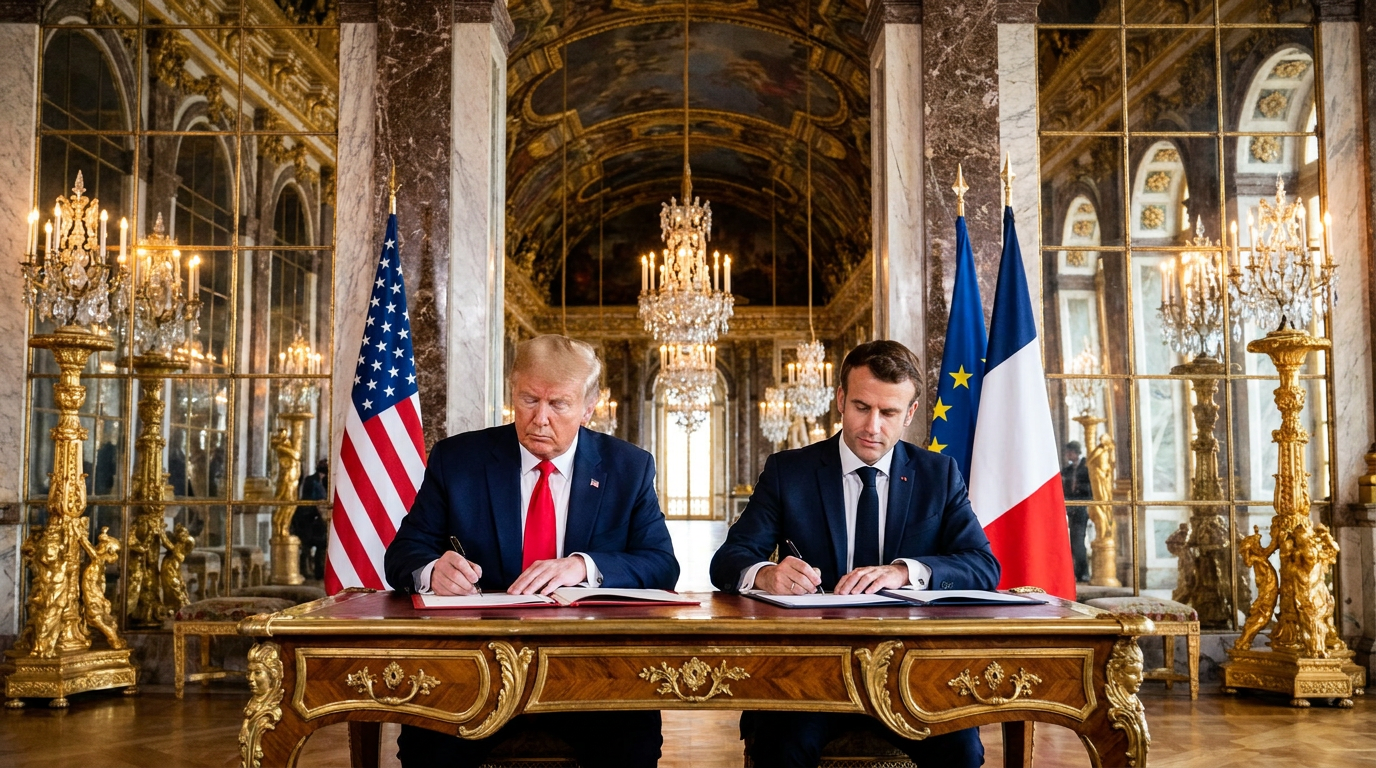
U.S. President Donald Trump and Iranian President Masoud Pezeshkian have officially signed a 14-point memorandum of understanding (MOU) aimed at ending the four-month war between the two nations. The agreement, mediated heavily by Pakistan, implements an immediate 60-day ceasefire and establishes a framework for a permanent peace settlement.[1][5]
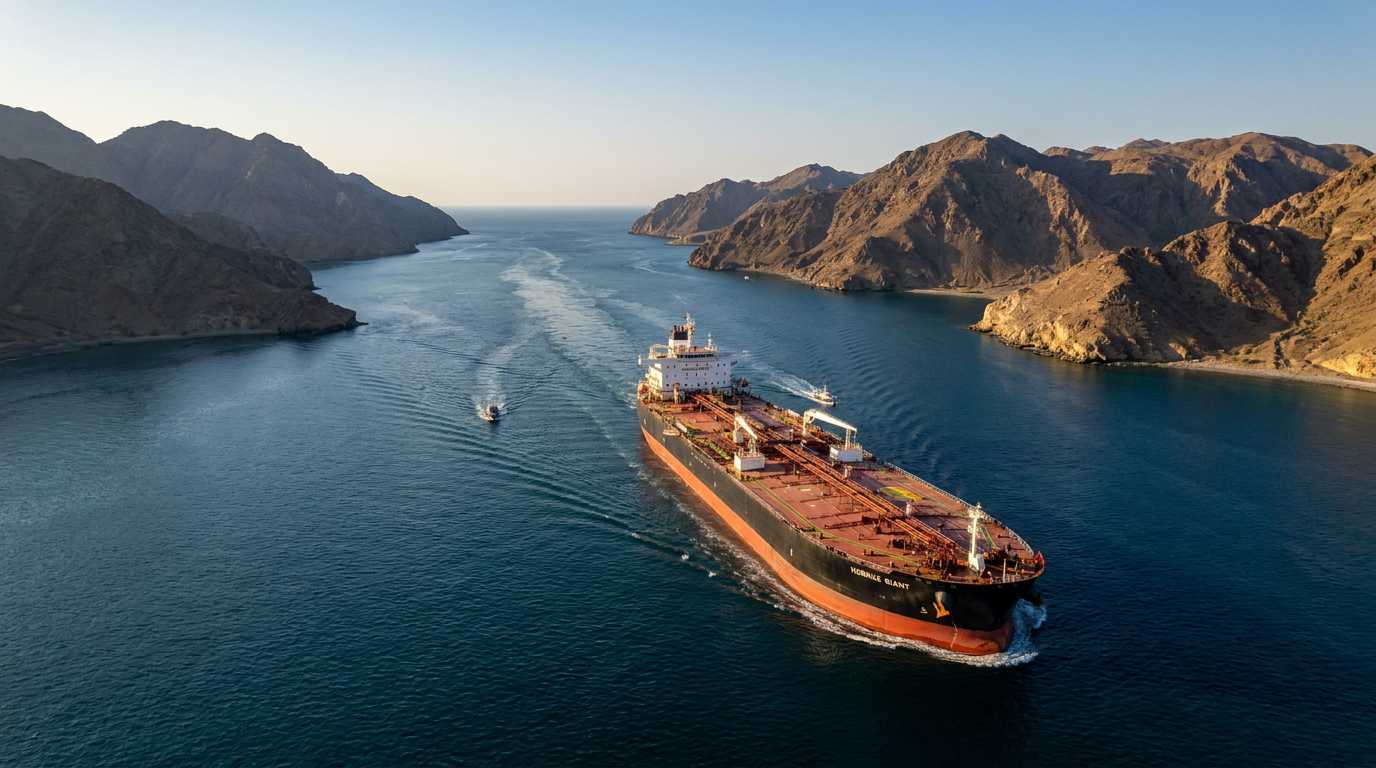
The most immediate global impact is the reopening of the Strait of Hormuz. Under the terms of the MOU, Iran has agreed to allow the safe, toll-free passage of commercial vessels through the critical waterway. In exchange, the United States will immediately begin lifting its naval blockade on Iranian ports, with a commitment to fully remove the blockade within 30 days.[1][6]
The ceasefire extends beyond direct U.S.-Iran engagements to include all allied fronts, most notably Lebanon. The text declares an "immediate and permanent termination of military operations" in the country, effectively halting Israeli military actions against Hezbollah and ensuring Lebanon's territorial integrity.[2][4]

To secure the truce, the United States agreed to significant economic concessions. The U.S. Treasury will issue waivers allowing Iran to resume exporting crude oil and petroleum products. Furthermore, the agreement outlines a U.S. commitment to work with regional partners to develop a $300 billion reconstruction and economic development fund for the Islamic Republic, contingent on a final deal.[3][8]
On the nuclear front, Iran agreed to maintain the current status quo of its program. The fate of Tehran's stockpile of highly enriched uranium will be negotiated over the next 60 days, with Trump suggesting the material could be diluted or down-blended inside Iran under the supervision of the International Atomic Energy Agency.[3][8]
On the nuclear front, Iran agreed to maintain the current status quo of its program.
The diplomatic choreography involved remote digital signatures. Vice President JD Vance and Iranian Parliament Speaker Mohammad Bagher Ghalibaf initially signed the document on Sunday. Trump later added his signature on Wednesday following a dinner with French President Emmanuel Macron at the Palace of Versailles, while Pezeshkian signed from Tehran.[1][5]

Trump heralded the agreement as a "major win" for the United States, arguing that his administration's maximum pressure tactics forced Tehran to the table. He claimed the deal averted a "worldwide depression" by stabilizing global energy markets, though he warned reporters that the U.S. would resume bombing if Iran violated the terms.[3][5]
In Tehran, the mood was equally triumphant. President Pezeshkian called the MOU a "historic document" achieved through mutual respect. Iranian officials emphasized that they secured sanctions relief and the unfreezing of assets without surrendering their ballistic missile program, which the foreign ministry declared was "not to be negotiated."[4][8]
The sweeping concessions have sparked intense backlash from Israel and hawkish U.S. lawmakers. Critics argue that lifting the economic pressure and promising a $300 billion fund effectively rewards Tehran for its aggression. Former Israeli officials expressed deep skepticism that Iran would negotiate in good faith once its oil revenues begin flowing again.[2][3]

Conversely, international mediators and European allies expressed profound relief. Pakistani Prime Minister Shehbaz Sharif celebrated the "peaceful resolution," while G7 leaders released a joint statement calling the agreement a "historic opportunity" to prevent a nuclear-armed Iran and stabilize the global economy.[1][8]
The two nations now enter a precarious 60-day window to translate the 14-point memorandum into a comprehensive, permanent treaty. Negotiators must finalize the mechanisms for the reconstruction fund, establish verification protocols for the nuclear program, and ensure the fragile ceasefire holds across multiple volatile fronts in the Middle East.[1][7]
How we got here
April 2026
The U.S. and Iran agree to an initial two-week ceasefire mediated by Pakistan, which is later extended but frequently violated.
June 14, 2026
Vice President JD Vance and Iranian Parliament Speaker Mohammad Bagher Ghalibaf digitally sign the preliminary 14-point memorandum.
June 17, 2026
President Trump and Iranian President Masoud Pezeshkian officially sign the agreement, enacting the 60-day ceasefire.
Viewpoints in depth
U.S. Administration's view
The deal is a major victory that averts a global economic crisis.
President Trump and his allies frame the agreement as the successful culmination of a maximum pressure campaign. By forcing Tehran to reopen the Strait of Hormuz, the administration claims to have saved the global economy from a devastating depression. Officials emphasize that the U.S. retains the military leverage to resume bombing if Iran violates the 60-day negotiation window.
Iranian Leadership's view
The agreement is a historic victory that secures economic survival without surrendering sovereignty.
Tehran views the 14-point memorandum as a profound diplomatic triumph. Iranian officials highlight the immediate lifting of the U.S. naval blockade, the resumption of oil exports, and the promise of a $300 billion reconstruction fund as major concessions extracted from Washington. Crucially, leadership insists that their ballistic missile program remains non-negotiable, framing the deal as a failure of U.S. military coercion.
Israeli and Hawkish view
The sweeping concessions reward aggression and endanger regional security.
Critics in Israel and among hawkish U.S. lawmakers argue that the agreement prematurely lifts the economic and military pressure on Tehran. They warn that unfreezing assets and establishing a massive reconstruction fund will simply enrich the regime, allowing it to rebuild its military capabilities and continue funding regional proxies. There is deep skepticism that Iran will negotiate in good faith over its nuclear program once its oil revenues are restored.
International Mediators' view
The ceasefire is a necessary and historic opportunity to stabilize the Middle East.
Mediating nations like Pakistan and European allies in the G7 are breathing a sigh of relief. Their primary concern has been the catastrophic impact of the war on global energy markets and the risk of a wider regional conflagration. For these stakeholders, the immediate reopening of the Strait of Hormuz and the halt to hostilities in Lebanon are paramount, providing a crucial 60-day window to build a lasting diplomatic architecture.
What we don't know
- Whether the $300 billion reconstruction fund will actually be financed by Gulf regional partners as the U.S. claims.
- How Iran's highly enriched uranium stockpile will be monitored or diluted during the 60-day negotiation window.
- Whether the ceasefire in Lebanon will hold, given Israel's independent security concerns regarding Hezbollah.
Key terms
- Memorandum of Understanding (MOU)
- A formal agreement between two or more parties that establishes a framework for future negotiations, though often not legally binding on its own.
- Strait of Hormuz
- A critical shipping chokepoint between the Persian Gulf and the Gulf of Oman, through which a significant portion of the world's oil supply passes.
- Naval Blockade
- A military operation in which ships are used to prevent vessels from entering or leaving a country's ports.
- Highly Enriched Uranium
- Uranium that has been processed to increase the concentration of the U-235 isotope, which can be used in nuclear weapons if enriched to high enough levels.
Frequently asked
What does the agreement actually do?
It implements a 60-day ceasefire, reopens the Strait of Hormuz, lifts the U.S. naval blockade, and begins negotiations for a permanent peace deal.
How much money is Iran receiving?
The U.S. will issue sanctions waivers for oil exports and work with regional partners to establish a $300 billion reconstruction fund, contingent on a final deal.
Does this end the fighting in Lebanon?
Yes, the memorandum includes an immediate and permanent termination of military operations on all fronts, specifically citing Lebanon.
What happens to Iran's nuclear program?
Iran agreed to maintain the current status quo of its program, with the fate of its highly enriched uranium to be negotiated over the next 60 days.
Sources
Source coverage
8 outlets
4 viewpoints surfaced








[1]CBS NewsU.S. Administration
U.S. and Iran sign memorandum of understanding to end war
Read on CBS News →[2]Times of IsraelIsraeli & Hawkish Observers
Sides declare 'immediate, permanent end to war on all fronts, including Lebanon'
Read on Times of Israel →[3]The GuardianIsraeli & Hawkish Observers
Trump signs 14-point peace agreement with Iran
Read on The Guardian →[4]NPRIranian Leadership
Read the full text of Trump's preliminary U.S.-Iran agreement to end the war
Read on NPR →[5]CNBCU.S. Administration
Trump, Iran's Pezeshkian sign memorandum of understanding to end war
Read on CNBC →[6]AxiosInternational Mediators
What's in the Iran deal Trump says he's ready to sign
Read on Axios →[7]NYTInternational Mediators
Iran and the U.S. Have an Understanding. Will It Lead to a Deal?
Read on NYT →[8]The NationalIranian Leadership
US and Iran sign deal to end war, reopen Strait of Hormuz and launch 60-day talks
Read on The National →
More in news politics
See all 5 stories →US-Iran Relations
U.S. and Iran Sign Peace Framework, Triggering Sanctions Relief and 60-Day Negotiation Window
8 sources
Second Amendment
Supreme Court Unanimously Strikes Down Federal Gun Ban for Marijuana Users
7 sources
Iran Deal
Trump's $300 Billion Iran Deal Sparks Senate GOP Backlash and Diplomatic Rift with Israel
9 sources
Every angle. Every day.
Get news politics stories with full source coverage and perspective breakdowns delivered to your inbox.