
US-Iran Framework Grants $300 Billion Sanctions Relief and Allows Hormuz Transit Fees
The Trump administration has signed a sweeping memorandum of understanding with Tehran to end regional hostilities, offering immediate oil sanctions waivers while postponing key nuclear negotiations. The pact has triggered fierce domestic debate and plans by Iran to levy unprecedented maritime fees in the Strait of Hormuz.
By Factlen Editorial Team
- US Administration
- Argues that decades of military intervention have failed, and a transactional agreement is the only pragmatic way to end regional forever wars.
- Congressional Hawks
- Views the massive sanctions relief and Hormuz concessions as dangerous appeasement that will fund terrorism and surrender vital US leverage.
- Iranian Government
- Frames the agreement as a total victory over Western pressure campaigns, asserting sovereign rights to tax and control the Strait of Hormuz.
- Regional Residents & Allies
- Expresses deep anxiety and skepticism that a diplomatic paper signed in Washington will actually stop the violence perpetrated by proxy militias on the ground.
What's not represented
- · Global Shipping Conglomerates
- · European Energy Importers
Why this matters
This agreement fundamentally rewrites the security architecture of the Middle East and global energy markets. By allowing Iran to collect transit fees in the world's most critical oil chokepoint, the deal could permanently alter shipping costs and global inflation, while testing the limits of US diplomatic leverage.
Key points
- The US and Iran signed a framework to end hostilities in exchange for massive economic relief.
- The deal grants immediate oil sanctions waivers, estimated to unlock $300 billion for Tehran.
- Iran will begin charging maritime transit fees in the Strait of Hormuz after a 60-day negotiation period.
- The agreement postpones negotiations over Iran's nuclear program to a later date.
- Congressional Republicans fiercely oppose the deal, calling it a dangerous surrender of leverage.
- Regional allies and residents express deep skepticism that the pact will bring lasting peace.
The United States and Iran have entered into a sweeping memorandum of understanding aimed at halting years of escalating proxy warfare and direct military confrontations in the Middle East. The framework, signed by the Trump administration, represents a dramatic pivot from previous policies of "maximum pressure," opting instead for a highly transactional diplomatic gamble. Under the terms of the agreement, Washington will grant immediate waivers on Iranian oil sanctions, unlocking vast reserves of capital for Tehran in exchange for a cessation of hostilities.[1][7]
The financial scale of the sanctions relief is unprecedented. Congressional critics estimate the unfreezing of assets and the resumption of normalized oil exports will generate a $300 billion economic windfall for the Iranian government. This capital injection is designed to serve as the primary incentive for Tehran to rein in its regional proxy networks and adhere to the newly established security parameters.[2]
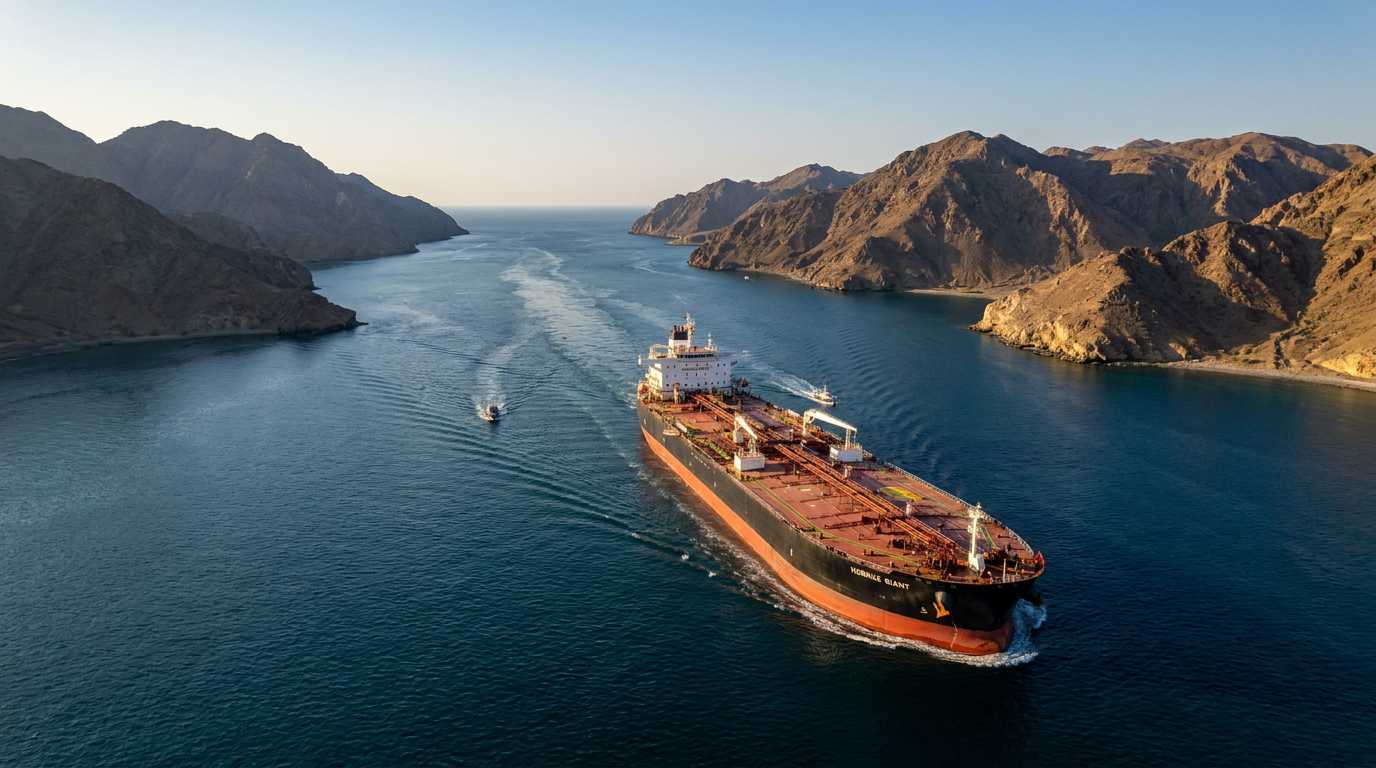
Perhaps the most globally consequential element of the framework is a provision allowing Iran to establish a system of maritime fees in the Strait of Hormuz. Tehran announced that these tolls, which it claims will cover the costs of managing and securing the vital waterway, will come into effect following a 60-day negotiation period triggered by the signing of the memorandum.[3]

The Strait of Hormuz is the world's most critical chokepoint for the global energy trade. Approximately 20 percent of all global petroleum consumption passes through this narrow channel between the Persian Gulf and the Gulf of Oman. Allowing a sovereign nation—particularly one with a history of threatening to close the strait—to levy transit fees represents a fundamental shift in international maritime norms.[3][6]
Energy markets and global shipping conglomerates are now bracing for the economic fallout. Analysts warn that the introduction of maritime tolls will inevitably be passed down the supply chain, increasing the baseline cost of crude oil and liquefied natural gas worldwide. Furthermore, the logistical complexity of paying fees to a heavily sanctioned entity remains a massive compliance hurdle for Western shipping firms.[6]
While the framework addresses immediate military de-escalation and economic relief, it explicitly postpones the most intractable issue between the two nations: Iran's nuclear program. The agreement defers key questions regarding uranium enrichment levels and international inspections to a later, unspecified phase of negotiations.[1]
Administration officials acknowledge the inherent risks of this phased approach. Internal assessments concede the possibility that Tehran may use the sanctions relief to fortify its economy while continuing covert nuclear activities, with one warning noting that the Iranian government may "lie and cheat" during the implementation phase. However, the administration views the immediate cessation of regional violence as a necessary prerequisite to any lasting nuclear settlement.[1]

Administration officials acknowledge the inherent risks of this phased approach.
The domestic political backlash in the United States has been swift and severe, particularly from within the president's own party. Senator Roger Wicker, the top Republican on the Senate Armed Services Committee, issued a blistering critique of the framework, arguing that it negotiates away hard-won American leverage. Wicker warned that the estimated $300 billion fund makes the controversial 2015 Obama-era nuclear agreement look like "a pittance" by comparison.[2]
Hawkish lawmakers argue that the massive influx of capital will inevitably be funneled to groups like Hezbollah, Hamas, and the Houthis, ultimately destabilizing the region further. They view the concession on the Strait of Hormuz not as a pragmatic compromise, but as a surrender of international waters to Iranian extortion.[2][7]
The administration has mounted a vigorous defense of the pact, framing it as a necessary dose of realism in a region plagued by intractable conflicts. Vice President JD Vance has been the most vocal surrogate for the deal, arguing that decades of military intervention have failed to secure American interests or stabilize the Middle East.[4]
In a direct message to Israel, which views the agreement with profound alarm, Vance stated bluntly that "you can't kill your way out" of deeply rooted security problems. He defended the memorandum as a strategic victory for Washington, asserting that extracting the United States from the cycle of Middle Eastern escalation is a win regardless of the final outcome of the 60-day negotiation window.[4]

Israel's political and military establishment remains deeply opposed to the framework. Israeli officials argue that enriching Tehran while leaving its nuclear infrastructure intact poses an existential threat. The tension highlights a growing divergence between Washington's desire to pivot away from Middle Eastern conflicts and Jerusalem's immediate security imperatives.[4][7]
On the ground in the Middle East, the announcement of the memorandum has been met with widespread skepticism. In southern Lebanon, a region heavily scarred by recent cross-border violence involving Hezbollah, residents expressed profound doubt that a diplomatic agreement signed in Washington will translate to lasting calm in their communities.[5]
This local skepticism underscores the core vulnerability of the framework: it relies on the Iranian government's willingness and ability to completely control a vast, decentralized network of proxy militias. If violence flares up independently of Tehran's direct orders, the entire diplomatic architecture could collapse.[5][7]
The next two months will be critical in determining the viability of this new paradigm. The 60-day negotiation period will test whether the US and Iran can agree on the specific mechanics of the Strait of Hormuz fees and the verification protocols for the cessation of hostilities.[3][7]
If the negotiations succeed, the global economy will have to adjust to a new reality where transit through the Persian Gulf carries a direct financial cost payable to Tehran. If they fail, the United States will face the daunting task of attempting to snap back sanctions after Iran has already begun to reintegrate into global energy markets.[3][6][7]
Ultimately, the memorandum represents one of the most significant foreign policy gambles of the modern era. By prioritizing immediate stabilization and economic incentives over comprehensive nuclear disarmament, the administration is betting that financial integration will succeed where decades of military pressure have failed.[1][7]
How we got here
2015
The US and global powers sign the JCPOA, limiting Iran's nuclear program in exchange for sanctions relief.
2018
The Trump administration unilaterally withdraws from the JCPOA, instituting a 'maximum pressure' sanctions campaign.
2023–2025
Regional proxy warfare escalates significantly, threatening global shipping and drawing US forces into direct confrontations.
June 2026
The US and Iran sign a new memorandum of understanding, granting sanctions relief and Hormuz transit rights to halt hostilities.
Viewpoints in depth
US Administration's View
A pragmatic pivot to end endless wars through transactional diplomacy.
The administration views the framework as a necessary dose of realism. After decades of military intervention and 'maximum pressure' campaigns failed to stabilize the Middle East or collapse the regime in Tehran, officials argue that a new approach is required. By offering massive economic incentives, Washington hopes to purchase a cessation of hostilities, allowing the US to pivot its strategic focus away from the region. Vice President JD Vance's assertion that 'you can't kill your way out' of these problems encapsulates the belief that financial integration, rather than military containment, is the only viable path forward.
Congressional Hawks' View
A dangerous capitulation that funds terrorism and surrenders strategic waterways.
Critics on Capitol Hill see the memorandum as an unmitigated disaster. They argue that unfreezing $300 billion in assets will not moderate Tehran's behavior, but rather supercharge its funding of proxy groups like Hezbollah and the Houthis. Furthermore, hawks view the concession on the Strait of Hormuz as a surrender of international maritime law to extortion. They contend that by postponing the nuclear question while granting immediate economic relief, the US has permanently lost the leverage needed to prevent Iran from eventually obtaining a nuclear weapon.
Tehran's View
A validation of resistance economics and a restoration of sovereign rights.
For the Iranian government, the framework is being celebrated as a total victory over Western economic warfare. Tehran views the immediate lifting of oil sanctions as proof that its strategy of regional escalation forced Washington's hand. Crucially, the ability to levy fees in the Strait of Hormuz is seen not just as an economic windfall, but as a long-overdue recognition of Iran's sovereign right to control and tax the waters bordering its territory, cementing its status as the undisputed dominant power in the Persian Gulf.
Regional Allies' View
Deep anxiety over US withdrawal and the empowerment of Iranian proxies.
Nations bordering Iran, particularly Israel and Gulf Arab states, view the pact with profound alarm. They fear that a US diplomatic withdrawal, coupled with a massively enriched Iranian state, will leave them vulnerable to unchecked proxy aggression. The skepticism voiced by residents in southern Lebanon reflects a broader regional consensus: diplomatic agreements signed in Washington rarely translate to the disarmament of militant groups on the ground. For these allies, the deal signals that they are increasingly on their own in managing the Iranian threat.
What we don't know
- How exactly the maritime fees in the Strait of Hormuz will be calculated, collected, and enforced.
- Whether the Iranian government has the willingness or ability to completely halt attacks by its decentralized proxy network.
- When, or if, the postponed negotiations regarding Iran's nuclear enrichment program will actually take place.
Key terms
- Memorandum of Understanding (MoU)
- A formal agreement between two or more parties that establishes a framework for cooperation, often serving as a stepping stone to a finalized treaty.
- Sanctions Waiver
- An official exemption granted by a government (in this case, the US) allowing certain entities to bypass economic restrictions without facing penalties.
- Strait of Hormuz
- A narrow, strategically vital waterway between the Persian Gulf and the Gulf of Oman through which roughly a fifth of the world's oil consumption passes.
- Proxy Warfare
- A conflict in which major powers instigate or support fighting by smaller, allied groups or nations rather than engaging each other directly.
Frequently asked
What exactly does the $300 billion figure represent?
The $300 billion is an estimate by congressional critics of the total economic windfall Iran will receive from unfrozen overseas assets and the resumption of normalized, sanction-free oil exports.
Will this agreement stop Iran from getting a nuclear weapon?
The current framework explicitly postpones negotiations over Iran's nuclear program, focusing instead on immediate military de-escalation and economic relief. The nuclear issue will be addressed in a future phase.
When will the Strait of Hormuz fees begin?
Iran plans to implement the maritime transit fees after a 60-day negotiation period, during which the specific mechanics of the tolls will be finalized.
How will this affect global gas prices?
While immediate sanctions relief puts more Iranian oil on the market (which typically lowers prices), the introduction of transit fees in the Strait of Hormuz will increase shipping and insurance costs, which could ultimately drive up prices for consumers.
Sources
Source coverage
7 outlets
4 viewpoints surfaced





[1]Fox NewsCongressional Hawks
Trump Iran framework gambles on diplomacy despite warning Tehran will 'lie and cheat'
Read on Fox News →Top Senate Republican rips into Trump's Iran deal, says $300 billion makes Obama deal look like 'a pittance'
Read on Fox News →[3]The GuardianIranian Government
Iran announces plans to bring in maritime fees for strait of Hormuz
Read on The Guardian →[4]Al JazeeraRegional Residents & Allies
JD Vance tells Israel ‘you can’t kill your way out’ of security problems
Read on Al Jazeera →Southern Lebanon residents doubt US-Iran agreement will bring lasting calm
Read on Al Jazeera →[6]Reuters
Oil markets brace as Iran plans Strait of Hormuz transit fees under new US pact
Read on Reuters →[7]The New York TimesRegional Residents & Allies
Trump's Iran Framework Reshapes Middle East Policy, Drawing Bipartisan Scrutiny
Read on The New York Times →
Every angle. Every day.
Get news politics stories with full source coverage and perspective breakdowns delivered to your inbox.