
The Billion-Dollar Pivot: How Celebrity Beauty Empires Are Rewriting Modern Philanthropy
Top-tier celebrity beauty brands have evolved past retail, transforming their billion-dollar valuations into permanent philanthropic endowments. This shift from one-off charity galas to embedded corporate giving is reshaping how grassroots organizations receive funding in 2026.
By Joao Marques
In short
- Top celebrity beauty brands are embedding permanent charitable foundations into their corporate structures.
- Rare Beauty and Fenty Beauty have generated massive, reliable funding for mental health and climate resilience.
- Consumers in 2026 demand purpose, leading to the failure of vanity brands lacking a philanthropic mission.
In June 2026, the celebrity beauty industry has matured past its initial gold rush. While the market is still flooded with new serums and lip tints, the most successful celebrity founders are no longer just building retail empires—they are quietly constructing some of the most powerful philanthropic engines in the modern corporate world.[2]
The shift represents a fundamental evolution in how famous figures leverage their influence and wealth. For decades, celebrity philanthropy was largely defined by the glamorous, one-off charity gala or a fleeting percentage-of-sales pledge tied to a single limited-edition product. Today, the industry's titans have embedded permanent, high-yield charitable foundations directly into their multi-billion-dollar corporate structures.[2]
Selena Gomez’s Rare Beauty stands as the blueprint for this new era. Recently reaching a reported valuation of over $2 billion, the brand was built from its inception with a dual mandate: selling cosmetics and funding mental health services. By legally committing 1% of all gross sales directly to the Rare Impact Fund, the company has created a self-sustaining financial pipeline that bypasses the traditional fundraising grind.[1][2]
This model of "embedded philanthropy" ensures that as the brand scales, so does its charitable impact. The Rare Impact Fund is steadily marching toward its ambitious $100 million goal, distributing rapid, unrestricted grants to grassroots mental health organizations globally. It is a level of consistent, reliable funding that many traditional non-profits struggle to secure in an increasingly fractured donor landscape.[1][2]
Rihanna’s Fenty Beauty, which rewrote the industry's rules on inclusion in 2017, operates on a similarly massive scale. Generating over $600 million in annual revenue, the brand's success heavily cross-pollinates with the Clara Lionel Foundation. The foundation, named after Rihanna's grandparents, has evolved into a major player in funding climate resilience and emergency response programs across the Caribbean and the United States.[1][2]
The financial weight of these initiatives is staggering. Hailey Bieber’s Rhode, which recently achieved a $1 billion valuation following its acquisition by e.l.f. Beauty, continues to expand its Rhode Futures initiative. The program directs guaranteed funds to organizations supporting women and their families, proving that the embedded charity model survives even after a brand is acquired by a larger conglomerate.[2]
This philanthropic pivot is not merely an act of goodwill; in 2026, it is a strict consumer requirement. Shoppers, particularly Gen Z and Gen Alpha, demand authenticity and tangible societal impact from the brands they support. A celebrity name slapped onto a moisturizer is no longer enough to guarantee a return on investment.
The market has ruthlessly punished brands that failed to understand this shift. Over the past two years, the celebrity beauty sector has seen a massive consolidation, with brands lacking a genuine community connection or core purpose shuttering their doors. High-profile vanity projects, such as Kim Kardashian's SKKN and Kate Moss's Cosmoss, have ceased trading or entered liquidation, serving as cautionary tales that fame cannot outrun a lack of substance.[1]
"When celebrities get branding right and develop a world that focuses on the consumer and their values, the base customers become the campaign," notes industry analysis from Newsweek. The brands that survived the 2026 market correction are those that successfully married high-quality formulations with a transparent, measurable commitment to a cause.[1][2]
The success of the embedded endowment model in the beauty sector is now bleeding into broader entertainment. As traditional Hollywood studios scale back on diversity, equity, and inclusion initiatives under financial and political pressure, celebrities are using their own capital to fill the void.
Earlier this year, a coalition of actors including Alan Cumming, Bowen Yang, and Lena Waithe launched The Necessary Foundation. Designed to fund and mentor emerging LGBTQ filmmakers, the foundation operates on the same principle as the beauty endowments: using celebrity leverage to create a permanent, independent financial structure that protects marginalized creators from corporate budget cuts.[2]
Philanthropy analysts have largely praised this evolution. Traditional grant-making can be notoriously slow, bogged down by red tape and reporting requirements that starve grassroots organizations of immediate resources. Celebrity-backed funds, flush with liquid retail cash, are often able to deploy capital rapidly and with fewer restrictions, empowering community leaders to use the money where it is needed most.[2]
There is, however, a persistent voice of skepticism within the non-profit sector. Some critics warn of the "halo effect," where the act of purchasing a consumer good is falsely equated with meaningful activism. They argue that tying philanthropy so closely to retail can mask the environmental impact of mass-producing cosmetics and encourage overconsumption under the guise of charity.[2]
Despite these valid concerns, the tangible benefits on the ground are difficult to dispute. The millions of dollars flowing into underfunded mental health clinics, climate disaster zones, and independent arts programs represent a massive transfer of wealth from retail consumers to vital social services that might otherwise go unfunded.[1]
Despite these valid concerns, the tangible benefits on the ground are difficult to dispute.
As 2026 progresses, the era of the celebrity vanity project is definitively over. The new barrier to entry for any famous figure looking to launch a brand is a fully realized, financially integrated philanthropic mission. By transforming their beauty empires into billion-dollar endowments, these founders have proven that the most powerful thing a celebrity can build isn't a product—it's a legacy.[2]
Definitions
- Embedded Philanthropy
- A corporate structure where a fixed percentage of revenue is automatically and permanently directed to a charitable foundation.
- Endowment
- A large financial asset donated to a non-profit, designed to provide a consistent, long-term income stream for charitable efforts.
- Halo Effect
- A cognitive bias where a consumer's positive impression of a brand's charitable work makes them overlook negative aspects, such as the environmental impact of overconsumption.
Questions & answers
What is embedded philanthropy?
It is a business model where charitable giving is permanently integrated into a company's revenue structure, such as pledging a fixed percentage of all sales to a specific cause, rather than relying on one-off donations.
Why are some celebrity beauty brands failing?
In 2026, consumers demand authenticity and purpose. Brands that relied solely on a celebrity's name without offering a genuine community connection or charitable mission have struggled to survive the market consolidation.
How is this trend affecting the film industry?
As traditional studios cut back on diversity initiatives, celebrities are using their wealth to launch independent foundations, such as The Necessary Foundation, to directly fund and mentor marginalized filmmakers.
Analysis by camp
Purpose-Driven Founders
Celebrity entrepreneurs who believe businesses must have built-in mechanisms to give back.
This camp argues that in the modern economy, extracting wealth from a fanbase without a structural commitment to their well-being is exploitative. Founders like Selena Gomez and Rihanna have championed the idea that philanthropy cannot be an afterthought or a tax write-off; it must be legally and financially embedded into the company's DNA from day one. They point to their massive valuations as proof that consumers actively want to fund these initiatives.
Philanthropy Analysts
Non-profit experts who praise the shift to sustainable, long-term endowments.
Experts in the non-profit sector celebrate the move away from the 'charity gala' model, which they view as inefficient and prone to donor fatigue. By tying charitable giving to a percentage of gross sales, these celebrity brands provide unrestricted, reliable cash flow to grassroots organizations. This allows community health centers and climate projects to plan long-term, rather than surviving grant-to-grant.
Industry Skeptics
Critics who warn that tying charity to consumer goods commercializes activism.
Skeptics caution against the 'halo effect,' where buying a $25 lip gloss is equated with meaningful social activism. They argue that this model encourages overconsumption and masks the environmental impact of mass-producing cosmetics. Furthermore, they worry that relying on retail sales for vital social services like mental health care privatizes public health, making community funding dependent on the fickle trends of the beauty market.
- Purpose-Driven Founders
- Believe businesses must have built-in mechanisms to give back to communities.
- Philanthropy Analysts
- Praise the shift to sustainable, long-term endowments over one-off gala donations.
- Industry Skeptics
- Warn that tying charity to consumer goods can mask overconsumption and commercialize activism.
Perspectives this story doesn't cover
- Grassroots non-profit directors
- Environmental advocates monitoring cosmetic waste
Sources
Source coverage
2 outlets
3 viewpoints surfaced


- [1]NewsweekPurpose-Driven Founders
The Celebrity Beauty Brands Winning Big
Read on Newsweek → - [2]Factlen Editorial TeamPhilanthropy Analysts
Synthesis by Factlen editorial team
Read on Factlen Editorial Team →

More in Entertainment
See all →Celebrity Philanthropy
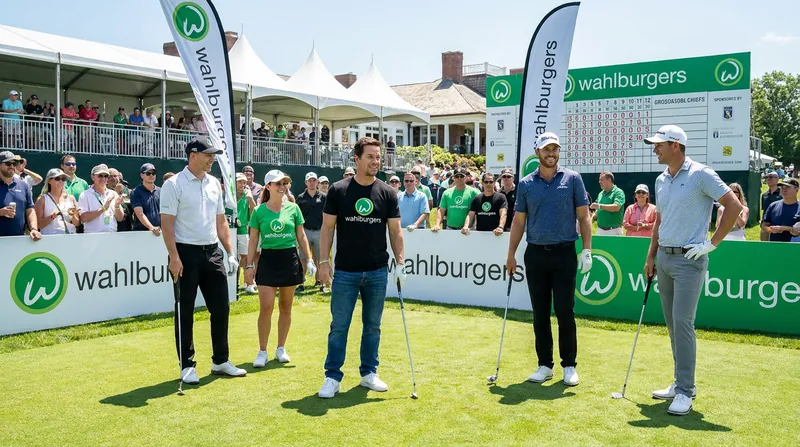
Celebrities Raise $1.3 Million for Pediatric Care at Michigan Golf Invitational
3 sources
Grammy Awards
Grammys Add 'Best Asian Pop' Category and Loosen Best New Artist Rules for 2027
3 sources
Celebrity Philanthropy
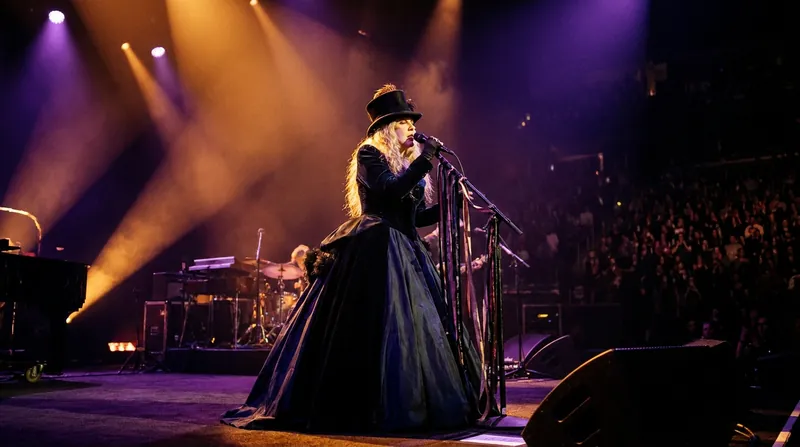
Stevie Nicks Endows $3 Million USC Medical Chair to Honor Longtime Vocal Doctor
5 sources
Philanthropy Trends
From Tour Profits to Zoom Hangouts: Celebrities Redefine Charitable Giving in 2026
2 sources

Comments
Every angle. Every day.
Get Entertainment stories with full source coverage and perspective breakdowns, free every day.