
WNBA to Expand Regular Season to 50 Games Starting in 2027
The WNBA will increase its regular-season schedule from 44 to 50 games beginning in 2027, marking the longest season in league history. The expansion, enabled by a new collective bargaining agreement, coincides with the addition of several new franchises and a massive new media rights deal.

The Women's National Basketball Association is officially stretching its calendar to meet unprecedented demand. Starting in 2027, the league will expand its regular season to 50 games per team, marking the longest schedule in its 30-year history.
The move, announced by Commissioner Cathy Engelbert, adds six games to the current 44-game slate and reflects a massive surge in fan interest, media investment, and corporate sponsorship that has fundamentally reshaped women's professional basketball. For a league that has spent years fighting for visibility, the expanded footprint represents a definitive victory, transforming the WNBA from a summer sprint into a dominant, multi-season sports property.[1]
"Demand for the WNBA has never been greater, and expanding to a 50-game regular season reflects the extraordinary momentum we are seeing across the league," Engelbert said in a statement detailing the expansion. The new 50-game threshold is a far cry from the league's inaugural 1997 season, which featured just 28 games per team.
Over the past three decades, the schedule has steadily crept upward, reaching 40 games in 2023 and 44 games in 2025. Now, the leap to 50 games signals a strategic shift toward a nearly year-round footprint, designed to keep fans engaged and players visible for a significantly larger portion of the calendar year.[1][2]
The schedule increase was not a unilateral mandate, but rather a carefully negotiated mechanism made possible by a dynamic new collective bargaining agreement (CBA) ratified in March 2026. Under the new framework, the league secured the right to expand the season to 50 games for the 2027 and 2028 campaigns without requiring additional approval from the players' union.
Furthermore, the CBA provides the WNBA with an option to push the regular-season slate to 52 games beginning in 2029. This structured growth allows the league to scale its operations predictably while giving teams and arenas ample time to prepare for the increased logistical demands.[2]
To accommodate the extra inventory without dangerously compressing the schedule, the WNBA calendar will stretch much deeper into the autumn months. The new CBA explicitly stipulates that the 2027 season can end no later than November 21, pushing the playoffs nearly a full month beyond the previous October 31 limit.
In 2028, the season could extend as late as November 30 to account for scheduled pauses related to international FIBA competitions. Training camps, meanwhile, will continue to open in mid-April, creating a seven-month marathon that mirrors the endurance required in other major professional sports leagues.
But adding games to an already grueling schedule requires strict guardrails, especially in a league where players have historically voiced concerns about travel fatigue and the rising rate of lower-body injuries. To protect athletes from the physical toll of a longer season, the CBA includes a highly specific "Game Cadence" provision.
Before drafting the schedule each year, the league is now contractually required to consult with its Medical Director and the Women's National Basketball Players Association (WNBPA) to ensure adequate rest and recovery time between matchups, preventing the brutal back-to-back stretches that defined earlier eras of the sport.[2]
The financial upside of the expansion is massive for both the league front office and its athletes. By adding six games per team, the WNBA generates significantly more ticket sales, local arena sponsorships, and highly lucrative broadcast inventory. Crucially, under the terms of the new CBA, players receive a 20 percent share of league and team revenue. This means the financial windfall generated by a longer season—from extra hot dog sales to localized television ads—directly boosts the revenue pool, ultimately driving up player compensation and salary caps across the board.
This schedule expansion coincides with a massive, multi-year influx of new franchises that is actively redrawing the league map. The WNBA already welcomed the Toronto Tempo and Portland Fire in 2026, bringing the total number of active teams to 15.
The growth will continue at a rapid pace over the next four years, with well-funded new ownership groups launching expansion teams in Cleveland in 2028, Detroit in 2029, and Philadelphia in 2030. By the end of the decade, the WNBA will boast an 18-team ecosystem, creating dozens of new roster spots for incoming collegiate talent.[1]
Amid the expansion, one of the league's most successful modern franchises is also preparing for a historic relocation. The Connecticut Sun will play their final season in Uncasville in 2026 before moving to Texas in time for the 50-game 2027 campaign.
Under the ownership of billionaire Tilman Fertitta, the franchise will be rebranded as the Houston Comets, reviving the WNBA's first great dynasty and bringing professional women's basketball back to a legacy market that won the league's first four championships. The move pairs a ready-made championship contender with a massive metropolitan fanbase.[1][3]
The 50-game slate will also serve a critical role in fulfilling the obligations of the WNBA's new $2.2 billion media rights deal. With a growing and diverse roster of broadcast partners—including ESPN, CBS, Amazon, NBC, and ION—the league desperately needs more live inventory to satisfy network demands and fill prime-time programming slots. The expanded schedule ensures that broadcasters have a steady, reliable stream of premium matchups from April through November, maximizing advertising revenue and keeping the sport in the national conversation during the crowded fall sports season.[1]
While the longer season undoubtedly presents new logistical hurdles regarding travel, arena availability, and player load management, it firmly cements the WNBA's status as a premier global sports property. By expanding its physical footprint, adding major new media markets, and securing vital player health protections through collective bargaining, the league is building a highly sustainable infrastructure. The 50-game era represents the culmination of decades of advocacy, proving that the market for women's professional basketball is not just viable, but capable of supporting a massive, year-round entertainment engine.
The essentials
- The WNBA will expand its regular season to 50 games per team starting in 2027.
- The expansion was enabled by a new collective bargaining agreement ratified in March 2026.
- The 2027 season will stretch deeper into the fall, ending no later than November 21.
- New 'Game Cadence' rules require the league to consult medical staff to protect player health.
- Players will receive a 20 percent share of league and team revenue under the new CBA.
- The league is expanding to 18 teams by 2030, adding franchises in Cleveland, Detroit, and Philadelphia.
Timeline
1997
The WNBA launches its inaugural season with teams playing a 28-game regular-season schedule.
March 2026
The league and players' union ratify a new collective bargaining agreement featuring revenue sharing and health protections.
May 2026
The Toronto Tempo and Portland Fire debut, expanding the league to 15 active franchises.
June 2026
Commissioner Cathy Engelbert announces the regular season will expand to 50 games starting in 2027.
2028–2030
New expansion franchises in Cleveland, Detroit, and Philadelphia are scheduled to begin play.
- League Executives
- Focusing on capitalizing on unprecedented momentum to drive revenue and media value.
- Players Association
- Prioritizing fair compensation and strict health protections amid a grueling schedule.
- Broadcasters and Partners
- Seeking a steady, reliable stream of premium live sports inventory.
Perspectives this story doesn't cover
- International basketball federations managing overlapping tournament schedules
- Arena operators balancing the extended WNBA season with NHL and concert bookings
Sources
Source coverage
3 outlets
3 viewpoints surfaced



- [1]The Washington PostLeague Executives
WNBA to expand to 50-game schedule for teams next season
Read on The Washington Post → - [2]SportsnetPlayers Association
WNBA expanding regular season to 50 games starting in 2027
Read on Sportsnet → - [3]DirecTVBroadcasters and Partners
WNBA Expansion Teams in 2026: Meet the Toronto Tempo and Portland Fire
Read on DirecTV →

More in Sports
See all →Saudi Pro League
Al-Qadsiah's Midfield Transition Threatens Al-Kholood in Matchday 8 Clash
6 sources

Süper Lig Title Race
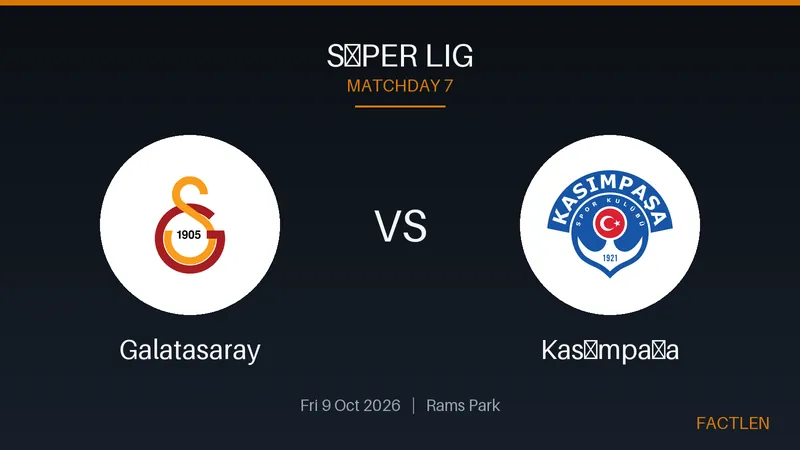
Galatasaray hosts unbeaten Kasımpaşa seeking recovery from Trabzonspor defeat
6 sources
Nations League
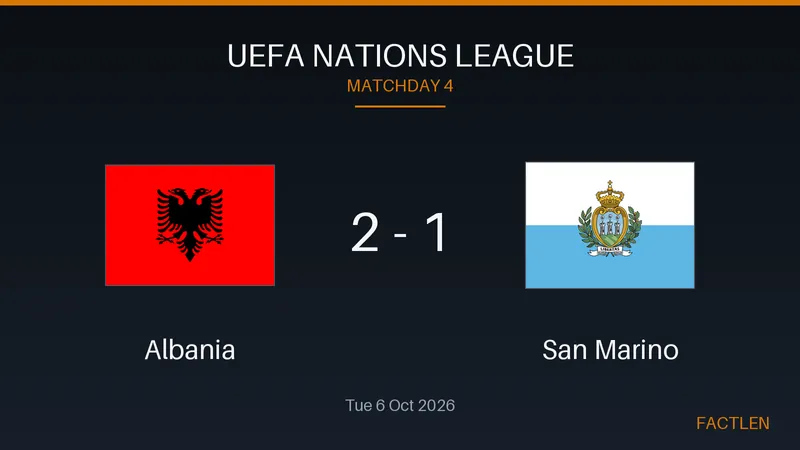
Asllani's 93rd-Minute Penalty Rescues Albania in 2-1 Win Over San Marino
4 sources
UEFA Nations League
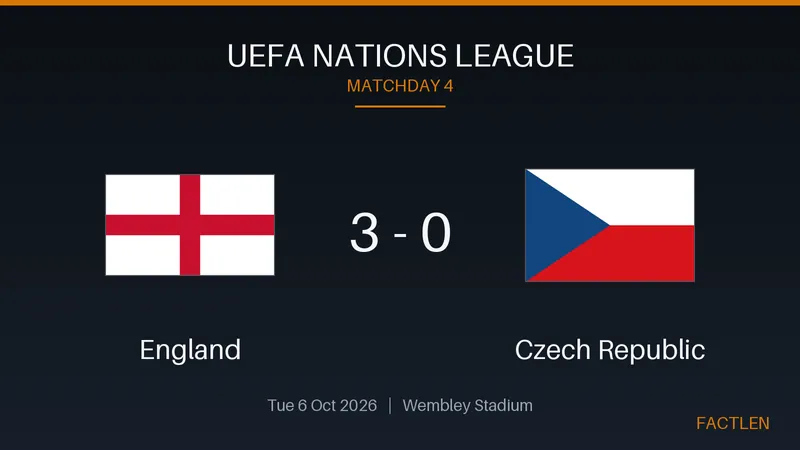
Harry Kane Scores Twice as England Defeats Czech Republic 3-0 in Nations League
7 sources
Comments
Every angle. Every day.
Get Sports stories with full source coverage and perspective breakdowns, free every day.