
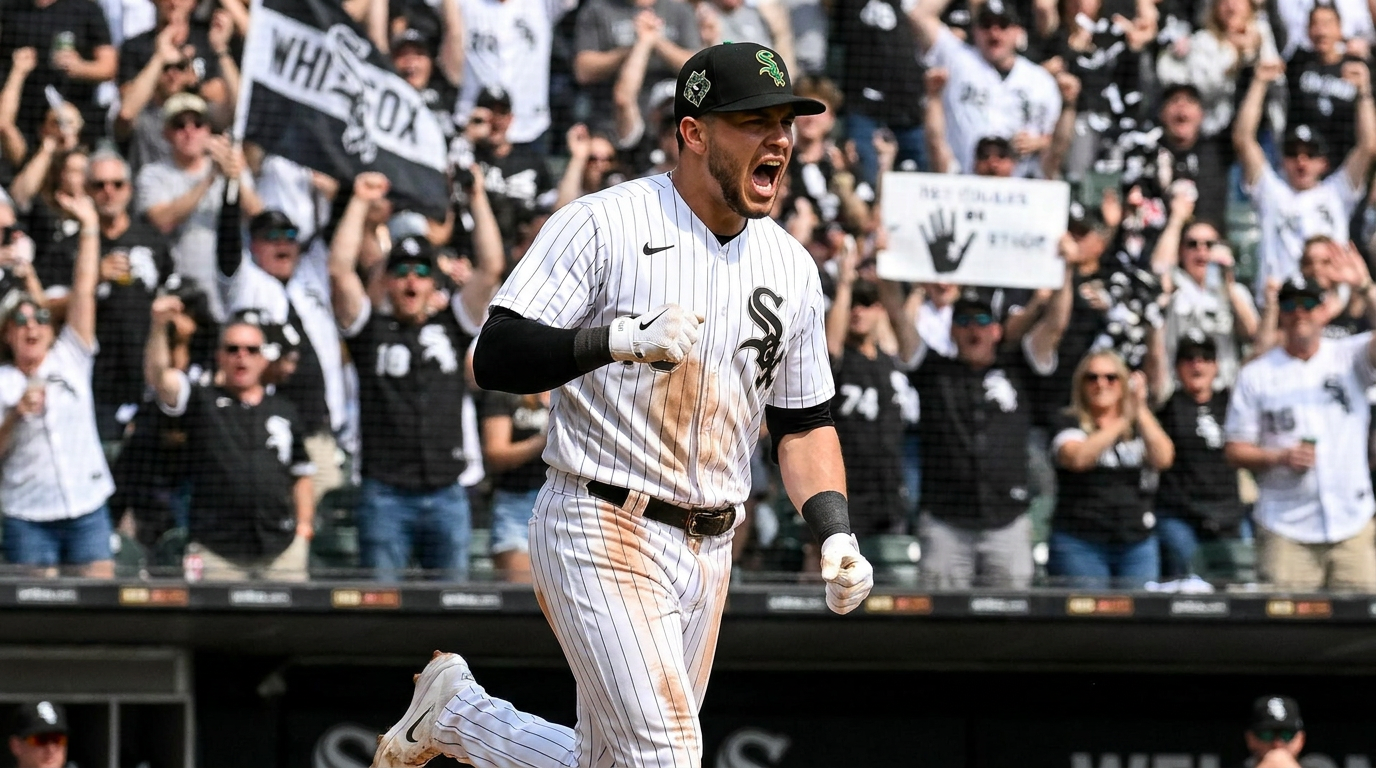
From 121 Losses to Contenders: White Sox Turnaround Highlights June MLB Standings
Just two years after setting the modern record for futility, the Chicago White Sox have surged into the American League playoff picture, challenging established juggernauts at the top of the standings.
By Factlen Editorial Team
- Rebuilding Franchises
- Views the White Sox's rapid ascent as a blueprint for accelerating a rebuild through shrewd international signings and homegrown resilience.
- Established Contenders
- Focuses on the sustained dominance of heavyweights like the Braves, Dodgers, and Yankees who set the ultimate benchmark for postseason success.
- White Sox Clubhouse
- Rejects the 'surprise' underdog narrative, believing their consistent winning is the result of genuine talent and execution.
What's not represented
- · Opposing AL Central Front Offices
- · Minor League Talent Evaluators
Why this matters
For fans of rebuilding franchises across all sports, Chicago's rapid ascent proves that a smart, aggressive front office can pry open a championship window in just two years, completely defying the traditional five-year rebuild timeline.
Key points
- The Chicago White Sox hold a 38-32 record, completing a rapid turnaround from their 121-loss season in 2024.
- Japanese slugger Munetaka Murakami hit 20 home runs before a hamstring injury, serving as a catalyst for Chicago's offense.
- The Atlanta Braves (46-25) and Los Angeles Dodgers (45-27) continue to dominate the top of the overall MLB standings.
- The Washington Nationals have also emerged as a surprise contender, leading the league with 5.4 runs per game.
The mid-June MLB standings typically serve to solidify the hierarchy of baseball's elite, and the 2026 season is no exception, with the Atlanta Braves, Los Angeles Dodgers, and New York Yankees dominating their respective divisions. Yet, the most compelling storyline of the summer belongs to a franchise that recently set the modern benchmark for futility. The Chicago White Sox, just two years removed from a historic 121-loss season in 2024 and a grueling 102-loss campaign in 2025, have completely flipped the script. Instead of languishing in the basement of the American League Central, the South Siders have surged into legitimate playoff contention, proving that a well-executed rebuild can yield results far faster than traditional baseball dogma suggests.[2][3][4]
Holding a 38-32 record as the season approaches the All-Star break, Chicago sits just behind the Cleveland Guardians in a highly competitive divisional race. Their recent performance has silenced skeptics who assumed their early-season success was merely a fleeting hot streak. Over a critical 16-game stretch in early June, the White Sox went 11-5, a statement run that included taking four of five games against the powerhouse Braves and Dodgers. Against Los Angeles, Chicago showcased its newfound resilience by securing its 19th comeback victory of the year, erasing a late deficit with a massive six-run sixth inning fueled by six consecutive hits against one of the league's premier pitching staffs.[1][3]

Inside the clubhouse, the narrative of being a plucky, feel-good underdog has officially worn thin. Shortstop Colson Montgomery recently pushed back against the label, emphasizing that the team expects to win every time they take the field, regardless of the opponent's pedigree. "You should stop thinking of us as a surprise just because we are consistently winning, consistently in every game," Montgomery noted to reporters. "It doesn't matter what team it is, we are not going to overlook them. We are going to play our ball. Those days of being a surprise are kind of over." That quiet confidence has permeated a roster that has learned to win tight games in late innings.[1]
The dramatic turnaround has been driven by a potent mix of homegrown resilience and shrewd international scouting. Japanese import Munetaka Murakami, who signed a two-year, $34 million "prove it" deal in the offseason after drawing tepid interest from other clubs, became an instant catalyst for the offense. Before sustaining a hamstring strain in early June, Murakami was performing as one of the most feared hitters in baseball, slashing .240/.378/.560 with 20 home runs. His elite production provided the exact kind of middle-of-the-order threat the franchise had sorely lacked during its rebuilding years, forcing opposing pitchers to approach the entire lineup differently.[2]
The dramatic turnaround has been driven by a potent mix of homegrown resilience and shrewd international scouting.
What makes Chicago's rise particularly impressive is their ability to weather adversity. Even with Murakami temporarily sidelined and Montgomery navigating a brief offensive slump, the roster has showcased impressive depth. Players like Miguel Vargas and Chase Meidroth have stepped up to fill the void, both hitting well over .315 during the team's recent winning stretch. Managerial trust in the bench and a bullpen that has consistently shut down late-inning rallies have allowed the White Sox to maintain their momentum as they head into a pivotal series against the American League-leading New York Yankees.[1]
While Chicago's rise is undeniably the season's premier turnaround, the top of the MLB standings remains occupied by familiar titans operating at peak efficiency. The Atlanta Braves boast the best record in baseball at 46-25, powered by a deep, suffocating pitching staff and a relentless lineup anchored by Matt Olson and Drake Baldwin. In the National League West, the Los Angeles Dodgers (45-27) continue their relentless march toward another division title. The Dodgers have utilized a staggering 25 different pitchers this season to navigate a wave of injuries, yet they maintain a commanding lead, thanks in large part to two-way superstar Shohei Ohtani anchoring the rotation with a sub-1.00 ERA.[3][4][5]

The American League East remains a grueling, top-heavy gauntlet where every divisional matchup carries playoff intensity. The New York Yankees (43-27) sit atop the division, relying on emerging depth pieces like Jasson Domínguez and Ben Rice to weather injuries to key outfielders like Aaron Judge and Trent Grisham. They are closely trailed by the Tampa Bay Rays (41-27), who have leaned on an elite, high-velocity bullpen to stay firmly in the Wild Card hunt despite occasional offensive lulls. The Baltimore Orioles and Boston Red Sox remain within striking distance, ensuring the AL East crown will be fiercely contested through September.[3][4]
The White Sox aren't the only team proving that rebuilds can accelerate faster than anticipated in the modern game. The Washington Nationals (39-36) have emerged as an unexpected offensive juggernaut in the National League East, completely transforming their team identity. Led by the dynamic duo of Luis Garcia Jr. and Dylan Crews, the Nationals are averaging a staggering league-best 5.4 runs per game. As the league heads toward the dog days of summer, the 2026 standings offer a refreshing blend of established dynasties and rapid ascensions, serving as a powerful reminder to fanbases everywhere that the window from the basement to contention can open in the blink of an eye.[5][6]

As the July trade deadline looms on the horizon, these shifting standings will force front offices into difficult decisions. Teams like the Philadelphia Phillies (38-33) and Milwaukee Brewers (43-26) are actively scanning the market for outfield depth and rotational upgrades to cement their postseason positioning. Conversely, the rapid emergence of the White Sox and Nationals means there will be fewer traditional "sellers" at the deadline, potentially driving up the asking price for premium pitching. For now, the daily jockeying for divisional supremacy provides a thrilling mid-summer spectacle, proving that the marathon of a 162-game season still holds plenty of capacity to surprise.[3][5]
How we got here
2024 Season
The Chicago White Sox hit rock bottom, losing a modern MLB-record 121 games.
2025 Season
The rebuild continues with growing pains as the franchise endures another grueling 102-loss campaign.
Offseason 2025-26
Chicago signs Japanese slugger Munetaka Murakami to a two-year, $34 million 'prove it' contract.
Early June 2026
The White Sox go on an 11-5 run, taking series against the Braves and Dodgers to prove their legitimacy.
Mid-June 2026
Sitting at 38-32, the White Sox firmly establish themselves as playoff contenders in the AL Central.
Viewpoints in depth
The Rebuilder's Blueprint
How the White Sox's success changes the calculus for struggling franchises.
For front offices mired in multi-year rebuilds, Chicago's trajectory offers a tantalizing counter-narrative to the idea that recovering from a 100-loss season requires half a decade. By aggressively targeting high-upside international talent like Munetaka Murakami on short-term deals and refusing to trade away every veteran piece, the White Sox accelerated their timeline. This approach suggests that a hybrid strategy—blending prospect development with targeted, mid-tier free agent spending—can pry open a contention window much faster than a pure tear-down.
The Juggernaut Standard
The challenge of unseating established dynasties at the top of the standings.
While underdog stories capture the summer headlines, the reality of the 162-game marathon is that depth usually prevails. Teams like the Dodgers and Braves have built organizational machines capable of weathering massive injury waves—such as Los Angeles utilizing 25 different pitchers by June—without sacrificing their divisional leads. For emerging teams like Chicago and Washington, the ultimate test won't be reaching the playoffs, but possessing the rotational depth to survive a seven-game series against these battle-tested juggernauts.
What we don't know
- Whether the White Sox can maintain their offensive production without Munetaka Murakami in the lineup.
- How aggressive emerging teams like Chicago and Washington will be at the upcoming July trade deadline.
Key terms
- Rebuild
- A strategy where a sports franchise trades away established veteran players for young prospects and draft picks to build a competitive team for the future.
- Wild Card
- A playoff berth awarded to the teams with the best records among those that did not win their respective divisions.
- Slugging Percentage
- A baseball statistic that measures a batter's power by calculating the total number of bases recorded per at-bat.
- Bullpen
- The group of relief pitchers who replace the starting pitcher during a game, or the physical area where they warm up.
Frequently asked
What is the Chicago White Sox's record in 2026?
As of mid-June 2026, the White Sox hold a 38-32 record, placing them firmly in the American League playoff picture just behind the Cleveland Guardians.
Who currently has the best record in MLB?
The Atlanta Braves hold the best record in baseball at 46-25, closely followed by the Los Angeles Dodgers at 45-27.
How did Munetaka Murakami perform before his injury?
Before suffering a hamstring strain, the Japanese import was one of the league's top hitters, batting .240/.378/.560 with 20 home runs for the White Sox.
Are there any other surprise teams this season?
Yes, the Washington Nationals have emerged as a surprise contender, boasting an MLB-best offense that averages 5.4 runs per game.
Sources
Source coverage
6 outlets
3 viewpoints surfaced






[1]Field Level MediaWhite Sox Clubhouse
Yanks next up for winning White Sox — just don't call them surprising
Read on Field Level Media →[2]DeadspinRebuilding Franchises
Why the Chicago White Sox Are MLB's Biggest Surprise Team in 2026
Read on Deadspin →[3]PressBoxWhite Sox Clubhouse
Stan 'The Fan' Charles' MLB Power Rankings: June 15, 2026
Read on PressBox →[4]SeatGeekEstablished Contenders
2026 MLB power rankings: All 30 teams ranked entering June
Read on SeatGeek →[5]MLB.comEstablished Contenders
2026 MLB Standings and Records: Regular Season
Read on MLB.com →[6]Lindy's SportsRebuilding Franchises
Nats offensive show bludgeons Diamondbacks
Read on Lindy's Sports →
More in sports
See all 13 stories →Standings
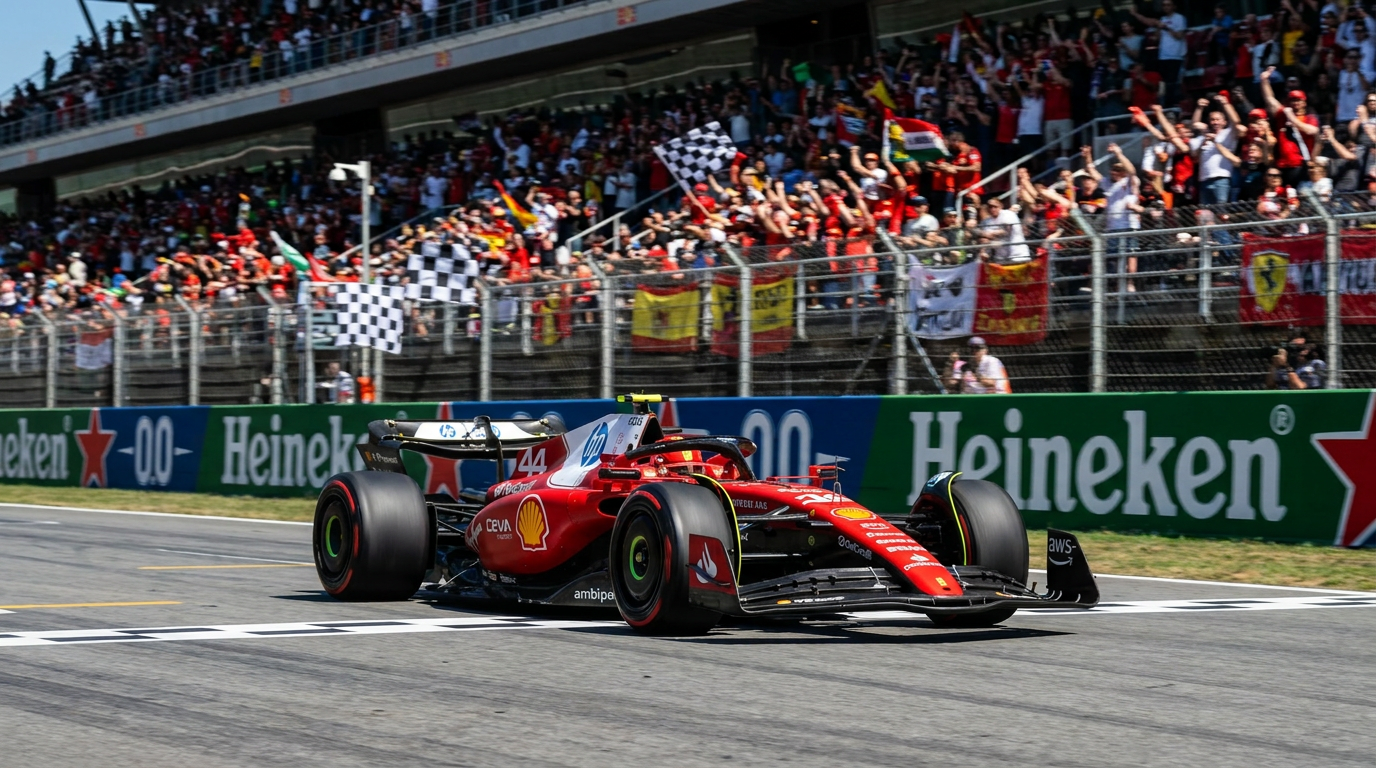
Hamilton's First Ferrari Victory Shakes Up 2026 F1 Standings as Antonelli Maintains Lead
6 sources
Grass Court Season
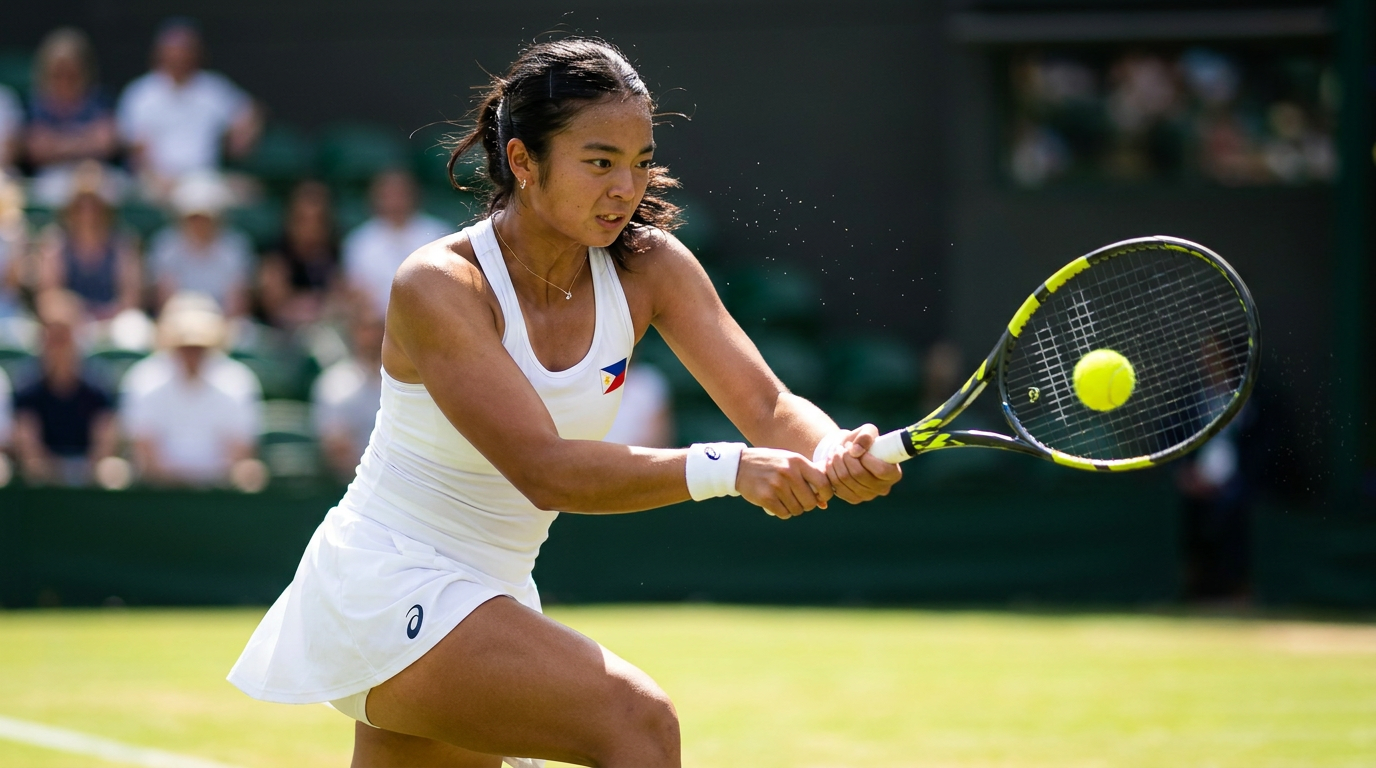
Alexandra Eala Stuns World No. 2 Elena Rybakina in Historic Berlin Open Upset
7 sources
Injury
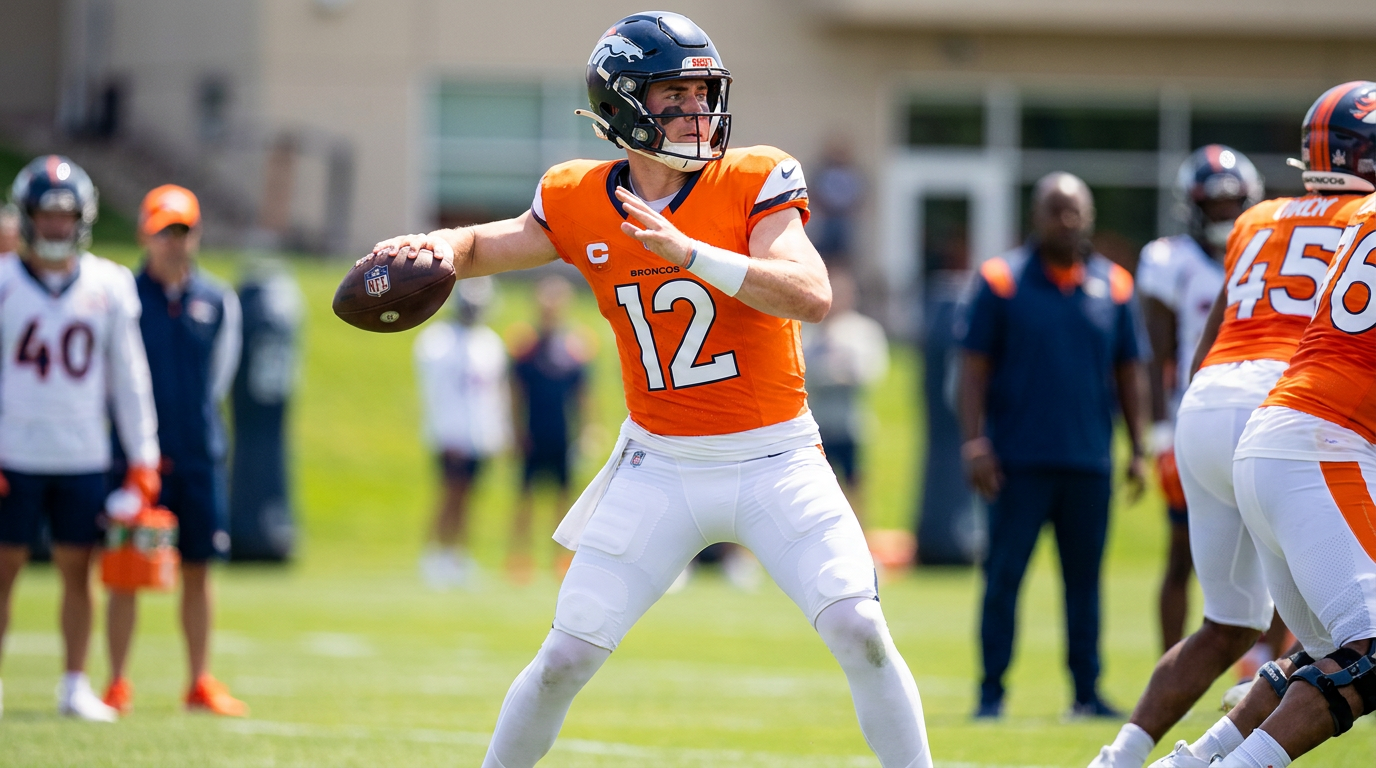
NFL Quarterbacks Return to the Field: Minicamp Injury Updates Highlighted by Bo Nix's Early Comeback
8 sources
NBA Finals
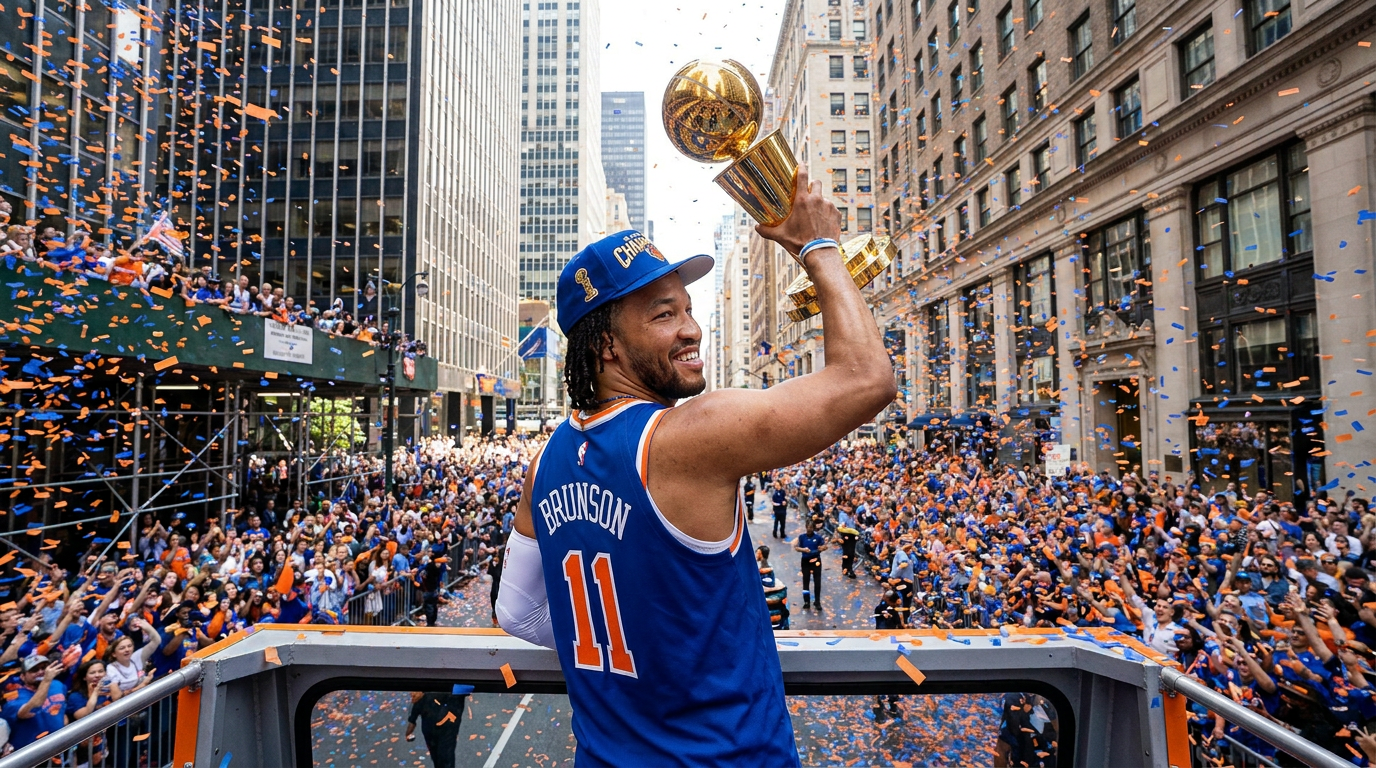
New York Knicks Celebrate First NBA Championship in 53 Years with Historic Canyon of Heroes Parade
6 sources
Every angle. Every day.
Get sports stories with full source coverage and perspective breakdowns delivered to your inbox.