
How Two Rival Leagues Finally Brought Professional Women's Volleyball to the US
After decades of forcing top American talent overseas, the Pro Volleyball Federation and League One Volleyball have established a viable domestic ecosystem. Here is how their competing business models are reshaping the sport ahead of the 2028 Olympics.
By Factlen Editorial Team
- Athletes & Player Advocates
- Focuses on the quality of life improvements, living wages, and the ability for players to stay in the US rather than going overseas.
- Sports Business Analysts
- Examines the financial viability, broadcast deals, and the long-term sustainability of having two competing leagues in one market.
- Grassroots & Youth Clubs
- Values the direct pipeline from youth participation to professional visibility, particularly through LOVB's club-acquisition model.
What's not represented
- · European league executives losing American talent
- · NCAA coaches navigating the new draft landscape
Why this matters
For the first time, American volleyball players can earn a living wage in their home country, fundamentally altering the career pipeline for the most popular high school team sport for girls in the United States.
Key points
- The US now hosts two competing professional women's volleyball leagues: PVF and LOVB.
- PVF uses a traditional city-based franchise model, while LOVB built a pipeline by acquiring youth clubs.
- Top players can now earn living wages up to $175,000 without moving overseas.
- Both leagues have secured major broadcast deals with networks like ESPN and CBS Sports.
- The domestic leagues provide a massive training advantage for Team USA ahead of the 2028 Olympics.
For decades, the trajectory of an elite American women's volleyball player followed a predictable, bittersweet arc. After dominating the NCAA tournament and perhaps capturing Olympic gold, the world's best players had to pack their bags for Italy, Turkey, or Brazil to earn a living. The United States, despite producing the deepest talent pool on earth, lacked a viable domestic professional league.[4]
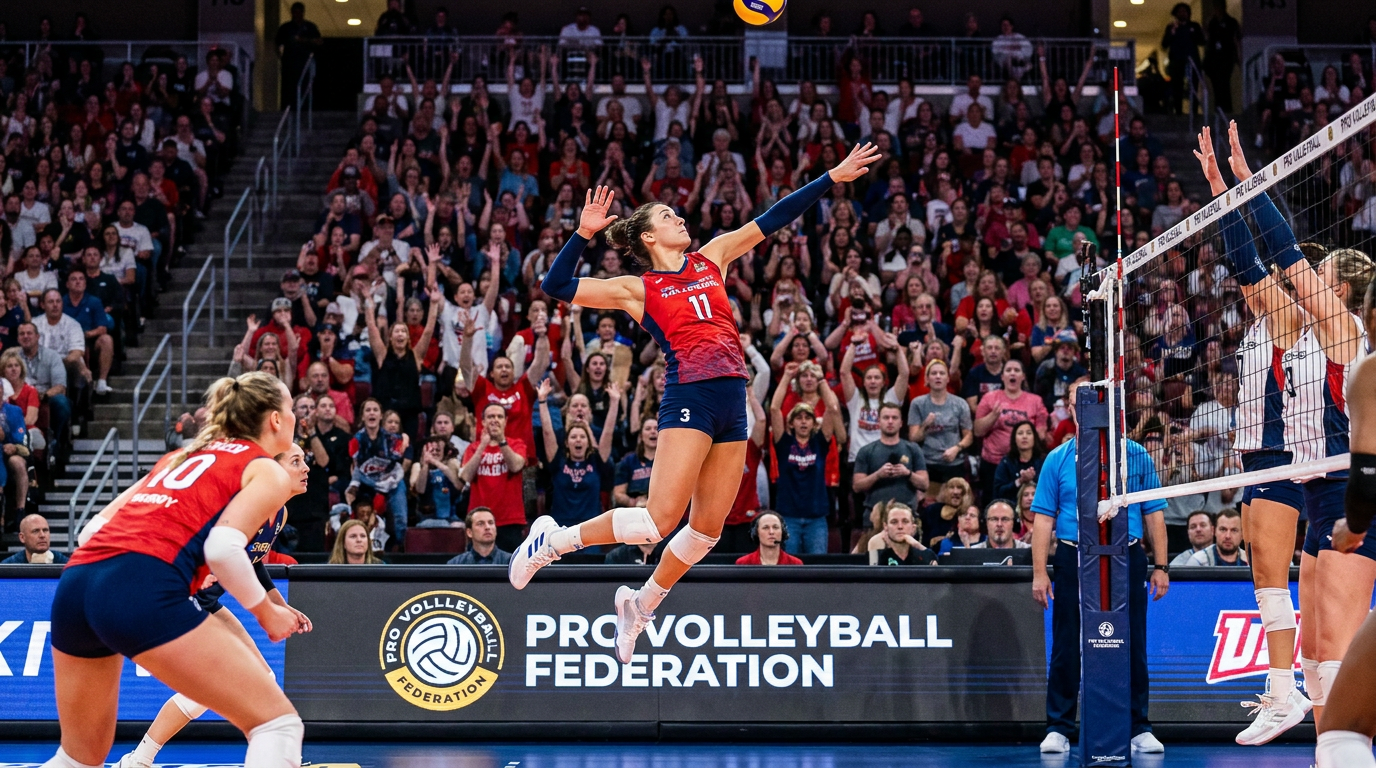
That paradigm has fundamentally fractured. As of 2026, the American volleyball landscape is not just surviving; it is experiencing a gold rush. Two distinct organizations—the Pro Volleyball Federation (PVF) and League One Volleyball (LOVB)—have successfully established a domestic footprint, offering living wages, broadcast visibility, and the elusive comfort of playing on home soil.[1][2]
The stakes are massive. Volleyball is the most popular team sport for high school girls in the United States, boasting over 400,000 active participants. Yet, until recently, that massive grassroots base had no domestic professional heroes to watch in person. The emergence of PVF and LOVB has bridged the gap between youth participation and professional aspiration.[5]
To understand this revolution, one must examine the divergent business models driving it. The Pro Volleyball Federation, which launched its inaugural season in 2024 and has since expanded, operates on a traditional North American franchise model.[6]

In the PVF ecosystem, independent ownership groups purchase city-based franchises, such as the Omaha Supernovas or the Atlanta Vibe. These teams operate much like NBA or WNBA franchises, securing local arena leases, negotiating regional broadcast deals, and building localized fanbases from the ground up.[2]
The financial commitment from PVF ownership has been unprecedented for the sport in America. Base salaries for top players now hover around $175,000, supplemented by revenue-sharing agreements and performance bonuses. This compensation structure finally allows athletes to train year-round without the physical and emotional toll of a nine-month overseas deployment.[4]
Conversely, League One Volleyball (LOVB) has engineered a completely different architectural approach to professional sports. Rather than starting at the top with arenas and broadcasts, LOVB spent years quietly acquiring elite youth volleyball clubs across the country.[3]
Conversely, League One Volleyball (LOVB) has engineered a completely different architectural approach to professional sports.
This "community-up" model means that when a LOVB professional team launches in a city like Austin or Madison, it already has a built-in audience of thousands of youth players, parents, and coaches who are financially and emotionally tethered to the LOVB ecosystem.[5]

LOVB's financial backing is heavily institutional, drawing investment from major venture capital firms and high-profile athletes like Kevin Durant and Billie Jean King. This centralized, single-entity structure allows the league to control player distribution, ensuring competitive parity and streamlined marketing efforts across its national footprint.[3]
The early returns for both models have shattered historical expectations. The PVF's Omaha Supernovas routinely draw crowds exceeding 11,000 fans, proving that Midwestern volleyball culture translates seamlessly to the professional ranks.[1]
Broadcast networks have taken notice. Both leagues have secured multi-year agreements with major linear and streaming partners, including ESPN and CBS Sports. These deals provide the crucial visibility needed to attract national sponsors, moving the sport away from niche streaming platforms and into mainstream sports programming.[6]
For the athletes, the impact is profoundly personal. Veterans of the US National Team, who previously spent their entire twenties navigating foreign languages and isolated living situations, are now buying homes in the cities where they play. The ability to recover, train, and compete in familiar environments is extending careers and improving overall player welfare.[4]

However, the dual-league system introduces significant friction. PVF and LOVB are actively competing for the same finite pool of elite talent, arena dates, and corporate sponsorships. While this competition has driven up player salaries in the short term, sports economists question the long-term sustainability of a fractured market.[2]
The tension is particularly evident during the collegiate draft season. Top NCAA prospects find themselves at the center of bidding wars, forced to choose between the traditional franchise stability of PVF and the integrated club-to-pro pipeline of LOVB.[5]
Looking ahead to the 2028 Los Angeles Olympics, the existence of these leagues provides a massive competitive advantage for USA Volleyball. National team head coaches can now monitor their entire roster domestically, coordinating training blocks and load management with local professional coaches.[1]

Ultimately, the success of PVF and LOVB represents a broader correction in the American sports market. It proves that the demand for women's sports extends far beyond basketball and soccer, establishing volleyball as a cornerstone of the next generation of professional athletics.[4]
How we got here
2021
League One Volleyball (LOVB) is founded, beginning its strategy of acquiring elite youth clubs.
Nov 2022
The Pro Volleyball Federation (PVF) is officially announced with a traditional franchise model.
Jan 2024
PVF holds its inaugural match, drawing record-breaking crowds in Omaha.
Nov 2024
LOVB serves its first professional matches, activating its club-to-pro pipeline.
2026
Both leagues expand their footprints and secure multi-year national broadcast agreements.
Viewpoints in depth
Player Advocates
Focuses on the profound quality-of-life improvements for athletes.
For player advocates and the athletes themselves, the arrival of PVF and LOVB is primarily a labor victory. For decades, the expectation was that to be a professional volleyball player meant accepting a life of isolation in foreign countries, often dealing with language barriers, delayed paychecks, and a grueling nine-month schedule. The new domestic leagues offer a base salary that constitutes a true living wage, allowing players to buy homes, start families, and build post-career networks in their home country. The physical toll is also reduced, as players can utilize American medical and recovery facilities year-round.
Sports Economists
Questions the long-term sustainability of two competing leagues in a nascent market.
While the influx of capital is celebrated, sports business analysts view the dual-league system with cautious skepticism. History shows that competing leagues in emerging sports—such as the early days of women's soccer or alternative football leagues—often cannibalize each other by splitting the talent pool, dividing sponsorship dollars, and confusing the casual fan. Economists argue that while the current competition is driving up player salaries, the long-term survival of professional volleyball in the US may eventually require a merger to consolidate broadcast rights and streamline marketing efforts.
Youth Development Leaders
Emphasizes the critical link between grassroots participation and professional visibility.
Leaders in the youth volleyball space see the professional leagues as the missing capstone to the sport's massive grassroots foundation. With over 400,000 high school girls playing the sport, volleyball has long suffered from a 'visibility gap' where young athletes had no domestic role models to watch on television. LOVB's specific model of acquiring youth clubs and tying them directly to professional teams is viewed as a revolutionary way to monetize and engage this existing community, turning youth players and their families into lifelong ticket buyers and fans.
What we don't know
- Whether the US market can generate enough revenue to sustain two separate professional leagues long-term.
- If European powerhouses will significantly increase their salary offers to lure top American talent back overseas.
- How the eventual integration of a potential professional men's league might impact arena availability and broadcast slots.
Key terms
- Franchise Model
- A sports league structure where independent owners buy the rights to operate a team in a specific city, managing their own local revenues and operations.
- Single-Entity Structure
- A model where the league itself owns all the teams and player contracts, centrally managing operations and distributing players to ensure competitive balance.
- Libero
- A specialized defensive player in indoor volleyball, restricted to the back row and easily identified by a contrasting jersey color.
Frequently asked
Why didn't the US have a pro volleyball league sooner?
Previous attempts lacked the necessary capital, broadcast partnerships, and arena infrastructure. The current success is driven by a surge in institutional investment in women's sports and strategic media deals.
Do American players still play overseas?
Yes, some elite players still compete in top European leagues like Italy and Turkey, which offer lucrative contracts and Champions League competition, but the domestic leagues are rapidly retaining more homegrown talent.
Will PVF and LOVB eventually merge?
While sports economists frequently speculate that a merger would consolidate resources and talent, both leagues currently maintain distinct business models and ownership structures, with no official plans to combine.
Sources
Source coverage
6 outlets
3 viewpoints surfaced






[1]ESPNAthletes & Player Advocates
The rapid rise of domestic pro volleyball and what it means for Team USA
Read on ESPN →[2]The AthleticSports Business Analysts
PVF vs. LOVB: Inside the battle for the future of American volleyball
Read on The Athletic →[3]Sports Business JournalSports Business Analysts
Media rights and the unique economics of League One Volleyball
Read on Sports Business Journal →[4]Just Women's SportsAthletes & Player Advocates
Why US national team stars are finally coming home to play
Read on Just Women's Sports →[5]VolleyballMagGrassroots & Youth Clubs
Breaking down the LOVB club-to-pro pipeline
Read on VolleyballMag →[6]CBS SportsSports Business Analysts
Pro Volleyball Federation expands footprint and broadcast reach in year three
Read on CBS Sports →
More in sports
See all 13 stories →Standings
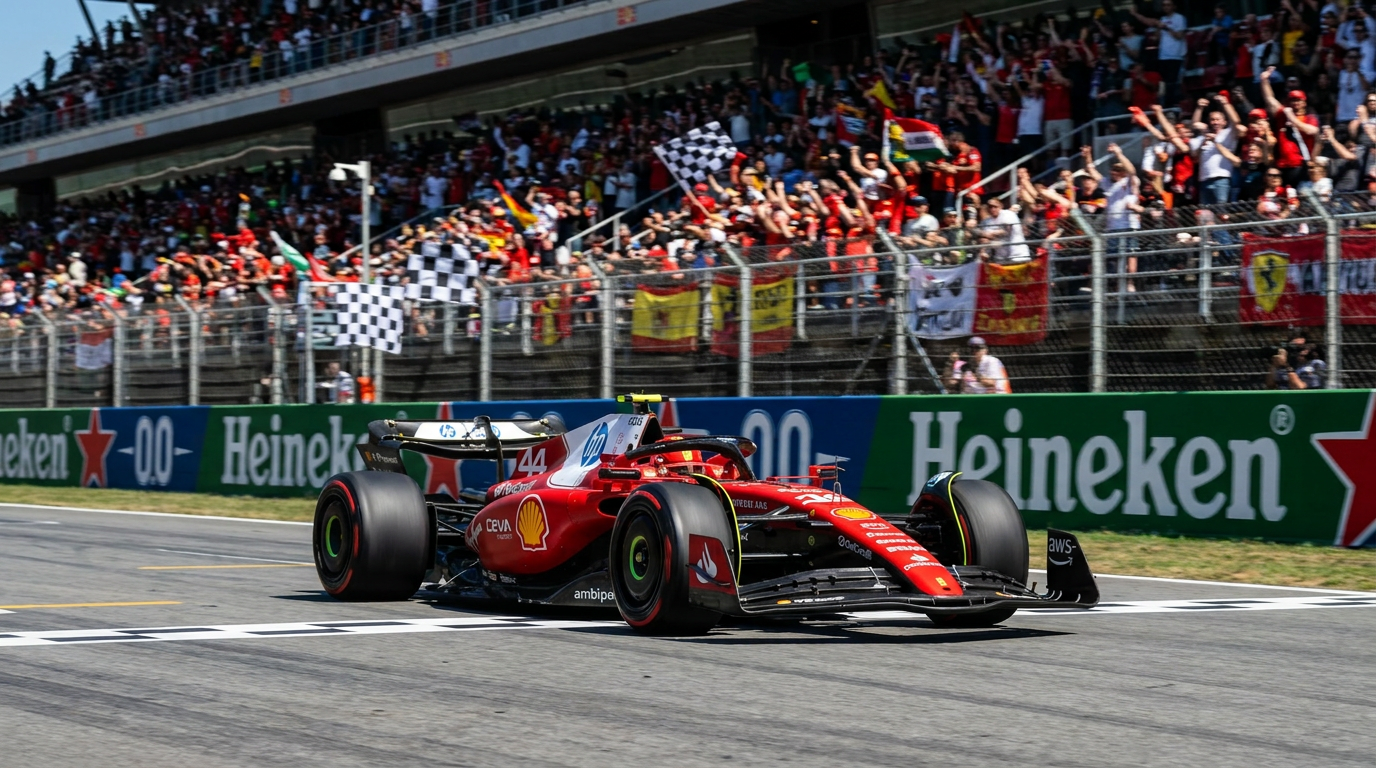
Hamilton's First Ferrari Victory Shakes Up 2026 F1 Standings as Antonelli Maintains Lead
6 sources
Grass Court Season
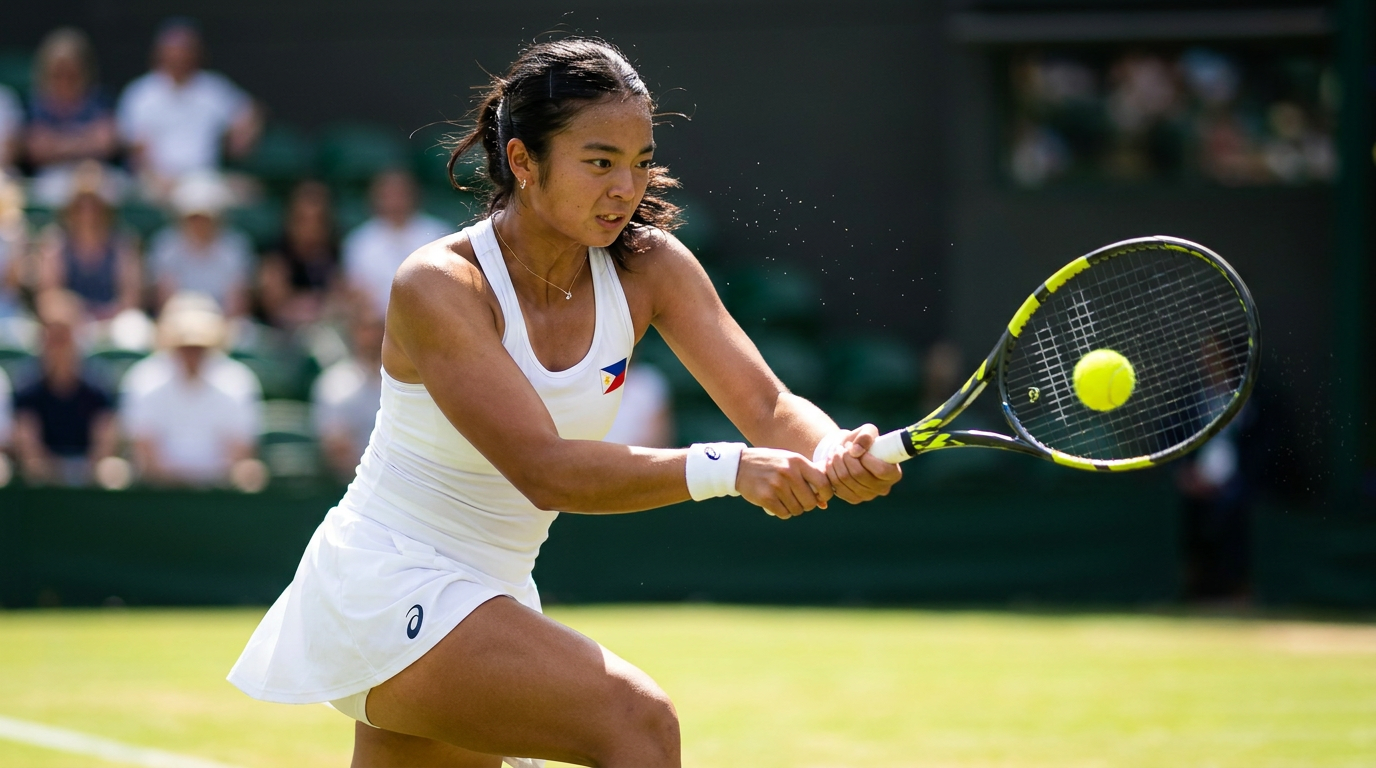
Alexandra Eala Stuns World No. 2 Elena Rybakina in Historic Berlin Open Upset
7 sources
Injury
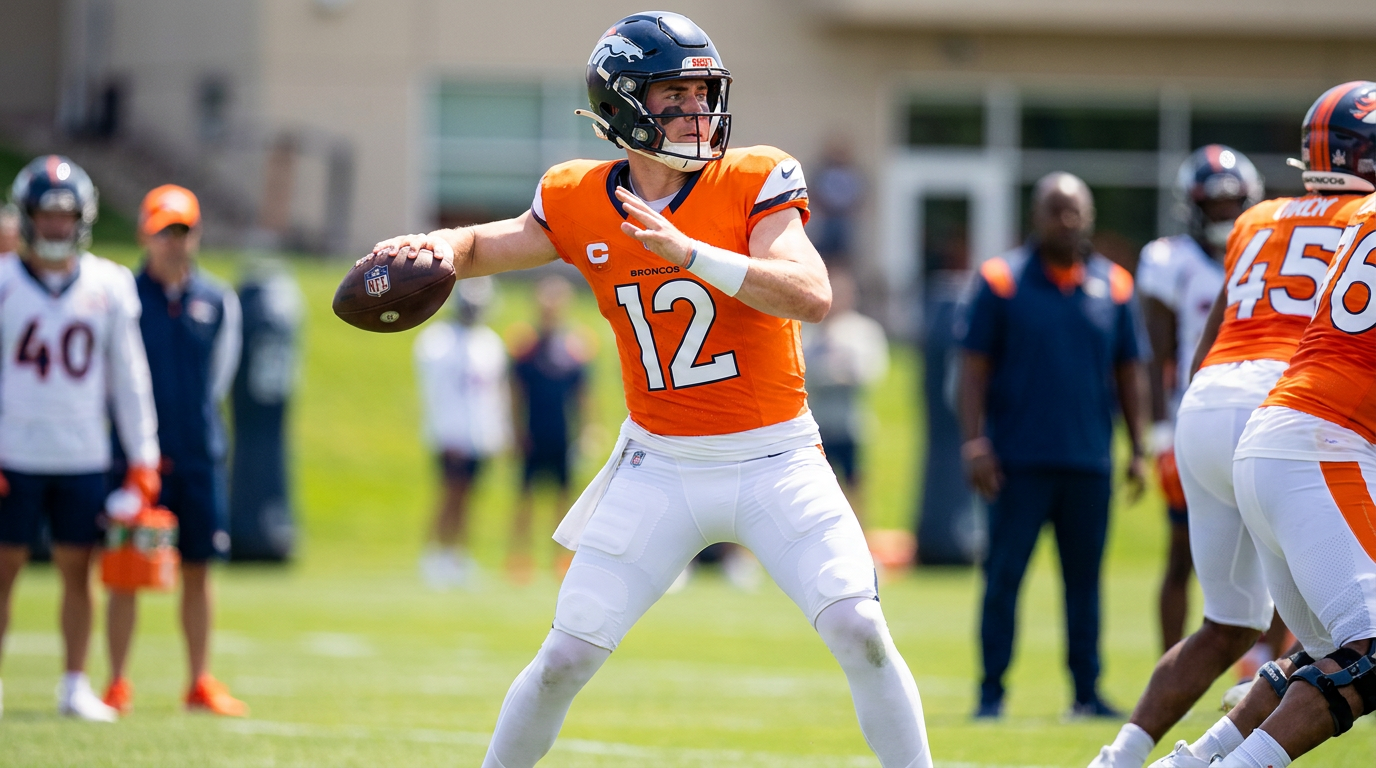
NFL Quarterbacks Return to the Field: Minicamp Injury Updates Highlighted by Bo Nix's Early Comeback
8 sources
NBA Finals
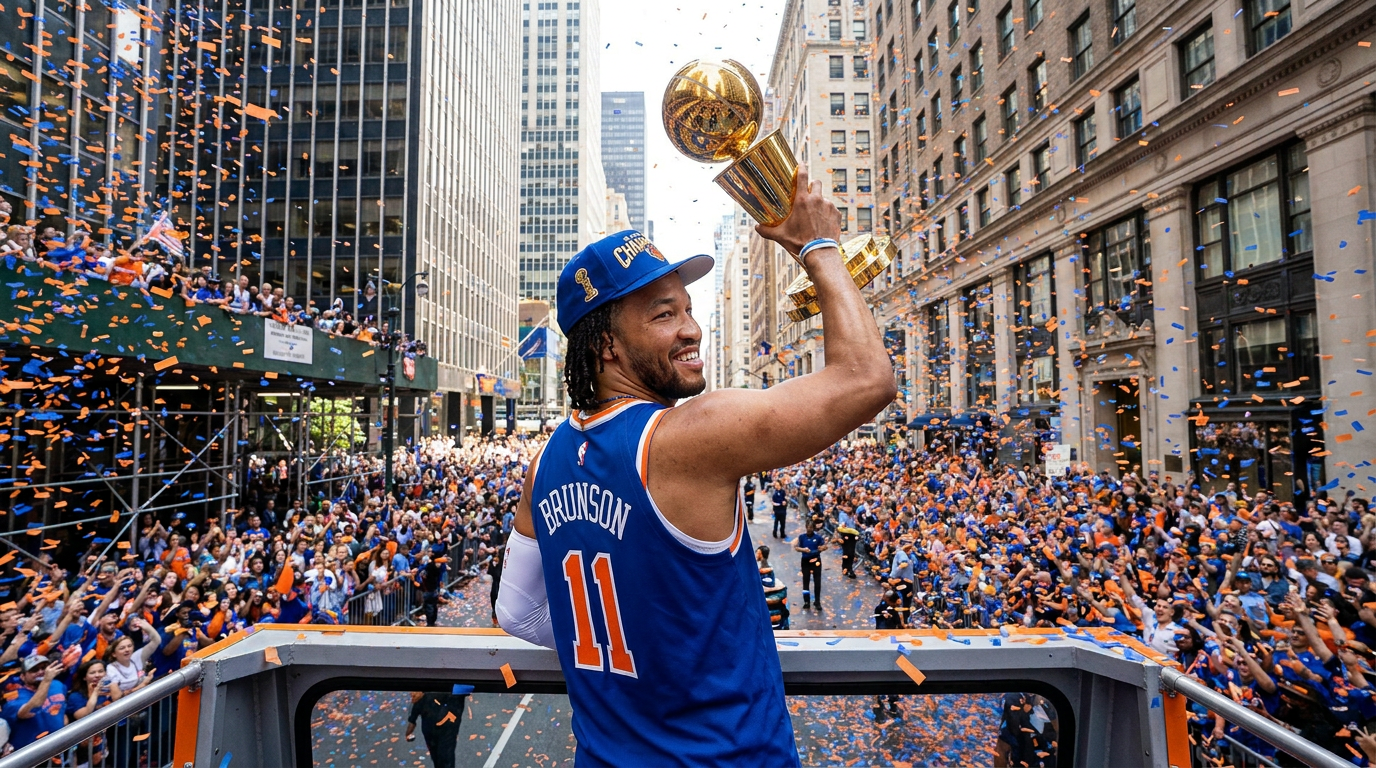
New York Knicks Celebrate First NBA Championship in 53 Years with Historic Canyon of Heroes Parade
6 sources
Every angle. Every day.
Get sports stories with full source coverage and perspective breakdowns delivered to your inbox.