
U.S. and Iran Reach Tentative Truce, but Secret Terms and Economic Fallout Fuel Skepticism
The Trump administration has brokered a short-term ceasefire with Iran to halt recent hostilities, though classified terms, potential shipping fees in the Strait of Hormuz, and internal intelligence doubts complicate the path to a lasting peace.
By Factlen Editorial Team
- U.S. Administration & Intelligence
- Focused on securing nuclear concessions and managing domestic economic fallout, though internally divided on Iran's trustworthiness.
- Iranian Leadership
- Frames the truce as a strategic victory of resistance, seeking to leverage the pause for economic relief and regional influence.
- Energy Markets & Shippers
- Primarily concerned with the free flow of commerce through the Strait of Hormuz and the stabilization of global energy prices.
- International Allies
- Relieved by the de-escalation but anxious about the lack of a formalized, transparent long-term treaty.
What's not represented
- · Commercial shipping companies facing potential new fees
- · Neighboring Gulf states directly impacted by regional stability
Why this matters
A permanent resolution would stabilize global energy markets and lower persistent inflation at the pump, but any collapse of the fragile truce risks dragging the U.S. back into a direct Middle Eastern conflict and spiking consumer costs ahead of the midterm elections.
Key points
- The U.S. and Iran have agreed to a short-term truce, pausing direct hostilities.
- The specific terms of the agreement remain classified, drawing scrutiny from lawmakers.
- CIA Director John Ratcliffe has expressed doubts about Iran's willingness to make long-term nuclear concessions.
- Economists warn that gas prices and inflation may remain elevated for months despite the pause in fighting.
- Iran is reportedly considering levying new 'service' fees on commercial ships passing through the Strait of Hormuz.
The guns have temporarily quieted in the Middle East. The United States and Iran have entered a short-term truce, pausing a period of intense direct conflict that had threatened to engulf the broader region. Yet, the cessation of hostilities has immediately given way to a precarious diplomatic waiting game, as the actual terms of the agreement remain shielded from public view and a comprehensive long-term peace deal has yet to be drafted.[1]
The opacity of the accord is drawing intense scrutiny in Washington. While the White House has touted the ceasefire as a decisive step toward ending the war, the specific concessions made by both Washington and Tehran are classified. Lawmakers and international observers are left parsing limited administration statements to understand what guardrails are currently keeping the fragile peace intact, prompting demands for congressional oversight.[1][5]
Behind closed doors, the administration's own intelligence apparatus is expressing profound skepticism about the viability of a permanent treaty. CIA Director John Ratcliffe recently briefed President Donald Trump and senior officials, warning that gathered intelligence raises serious doubts about Tehran's willingness to make the sweeping nuclear concessions the U.S. is demanding for a final deal.[2]

Ratcliffe is not the only voice of caution within the president's inner circle. Secretary of State Marco Rubio and other top national security officials have reportedly voiced friction over the pace and structure of the negotiations. They remain wary of repeating past diplomatic missteps that allowed Iran to covertly advance its nuclear enrichment capabilities while enjoying the economic benefits of sanctions relief.[2]
For the American public, the most immediate consequence of the truce is economic. President Trump has heavily promised a rapid economic rebound and a sharp drop in consumer prices once the conflict resolved. However, economists warn that the logistical disruptions caused by the war mean gas prices and the cost of imported goods could remain elevated for months, blunting the immediate financial relief consumers are expecting.[3]
For the American public, the most immediate consequence of the truce is economic.
This delayed economic recovery presents a significant political vulnerability for the White House. With midterm elections looming, the administration faces the dual challenge of selling a secretive foreign policy deal while managing domestic frustration over persistent inflation at the pump. If the promised "peace dividend" fails to materialize quickly, it could test voter patience in key battleground states.[3][5]

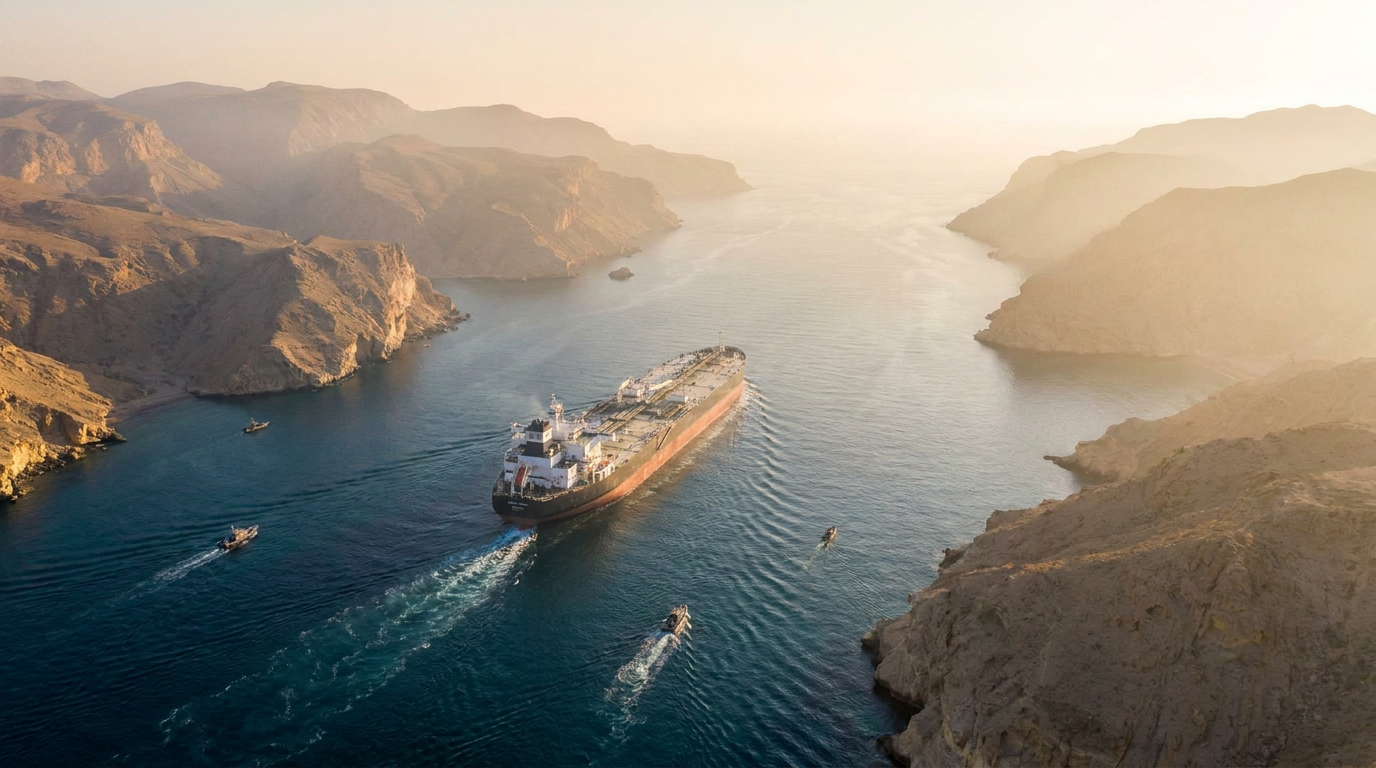
A major sticking point in the emerging new normal is the status of the Strait of Hormuz, the critical maritime chokepoint for global energy supplies. Reports indicate that Iran is considering levying fees on commercial ships passing through the waterway, a move that would fundamentally alter the economics of global shipping.[4][7]
While charging a direct toll for transit is illegal under international maritime law, Tehran may attempt to circumvent this by classifying the charges as fees for "services" such as security escorts or environmental monitoring. Prior to the recent conflict, no such fees were imposed, and any new financial burden would inevitably be passed on to global energy consumers, further complicating the U.S. economic recovery.[4]
In Iran, the government is projecting confidence. State media and allied outlets have framed the truce as a strategic victory, emphasizing that the Islamic Republic withstood direct U.S. military pressure without capitulating on its core regional interests. This domestic messaging is crucial for the Iranian leadership as it navigates its own severe economic crises and internal dissent.[6]
International allies have offered a cautious sigh of relief. European capitals, which had feared a spiraling regional war that could disrupt global trade and trigger new refugee crises, welcomed the pause in hostilities. However, diplomats remain anxious that without a formalized, transparent treaty, the region remains one miscalculation away from reigniting.[8]
The coming weeks will determine whether this short-term truce can evolve into a durable framework. Negotiators are expected to begin the arduous process of translating the secret temporary parameters into a public, long-term accord—a task that will require navigating deep-seated mistrust, domestic political pressures in both capitals, and the volatile geopolitics of the broader Middle East.[1][2]
Viewpoints in depth
U.S. Intelligence Skeptics
National security officials doubt Tehran's long-term intentions.
Within the Trump administration, figures like CIA Director John Ratcliffe and Secretary of State Marco Rubio are urging caution. They point to intelligence suggesting Iran is using the truce to regroup rather than prepare for genuine nuclear concessions. This camp argues that without stringent, verifiable guardrails, any sanctions relief or diplomatic breathing room will simply allow Tehran to covertly advance its strategic capabilities.
Energy Markets & Shippers
Focused on the immediate economic risks of maritime disruption.
For global markets, the primary concern is the free flow of oil and liquefied natural gas. The prospect of Iran imposing 'service fees' in the Strait of Hormuz has alarmed shipping conglomerates, who warn that such costs will inevitably be passed down to consumers. This perspective emphasizes that until the maritime chokepoints are fully secured and legally protected, the economic fallout of the conflict will continue to drag on global growth.
Tehran's Strategic Planners
Viewing the survival of the conflict as a domestic and regional victory.
Iranian leadership is framing the ceasefire not as a concession, but as a successful resistance against U.S. military pressure. By surviving the direct conflict without yielding on core regional proxy support or nuclear infrastructure, Tehran aims to project strength to its domestic audience and regional allies. The push to monetize the Strait of Hormuz is seen as a way to extract economic leverage while maintaining a dominant posture in the Persian Gulf.
What we don't know
- The exact classified concessions made by both the U.S. and Iran to secure the short-term truce.
- Whether Iran will actually implement the proposed 'service fees' in the Strait of Hormuz, and how the international community will respond.
- If the temporary pause in hostilities can be successfully translated into a binding, long-term nuclear and peace treaty.
Key terms
- Strait of Hormuz
- A narrow, strategically important waterway between the Persian Gulf and the Gulf of Oman through which a significant portion of the world's oil supply passes.
- Sanctions Relief
- The reduction or removal of economic penalties imposed on a country, often used as an incentive in international diplomacy.
- Nuclear Concessions
- Agreements by a nation to limit, dismantle, or allow inspections of its nuclear program in exchange for diplomatic or economic benefits.
Frequently asked
Is the war between the U.S. and Iran officially over?
Not officially. The two nations have agreed to a short-term truce to pause hostilities, but a comprehensive long-term peace agreement has not yet been reached.
Why are the terms of the truce secret?
The specific concessions made by both sides remain classified as negotiators attempt to use the temporary pause to draft a more permanent, public treaty.
Will gas prices drop immediately?
Economists warn that despite the truce, logistical disruptions caused by the conflict mean gas prices and imported goods could remain elevated for months.
Can Iran legally charge ships in the Strait of Hormuz?
Charging a direct toll is illegal under international law, but Iran may attempt to charge fees by claiming they are for 'services' like security or environmental monitoring.
Sources
Source coverage
8 outlets
4 viewpoints surfaced






[1]NYTEnergy Markets & Shippers
The (Mostly) Unanswered Questions at the Heart of a U.S.-Iran Accord
Read on NYT →[2]AxiosU.S. Administration & Intelligence
Scoop: CIA director doubts Iran's intentions on deal, sources say
Read on Axios →Potential End of War Tests Trump’s Promise of Quick Economic Rebound
Read on NYT →Will Commercial Ships Have to Pay to Pass Through the Strait of Hormuz? Maybe.
Read on NYT →[5]Fox NewsU.S. Administration & Intelligence
Conservatives demand transparency on secret Iran truce terms
Read on Fox News →[6]Al JazeeraIranian Leadership
Tehran projects strength as US agrees to short-term truce
Read on Al Jazeera →[7]ReutersEnergy Markets & Shippers
Oil markets stabilize as US-Iran ceasefire takes effect, but shipping risks remain
Read on Reuters →[8]The GuardianInternational Allies
European allies cautiously welcome US-Iran pause in hostilities
Read on The Guardian →
More in news politics
See all 9 stories →US-Iran Deal
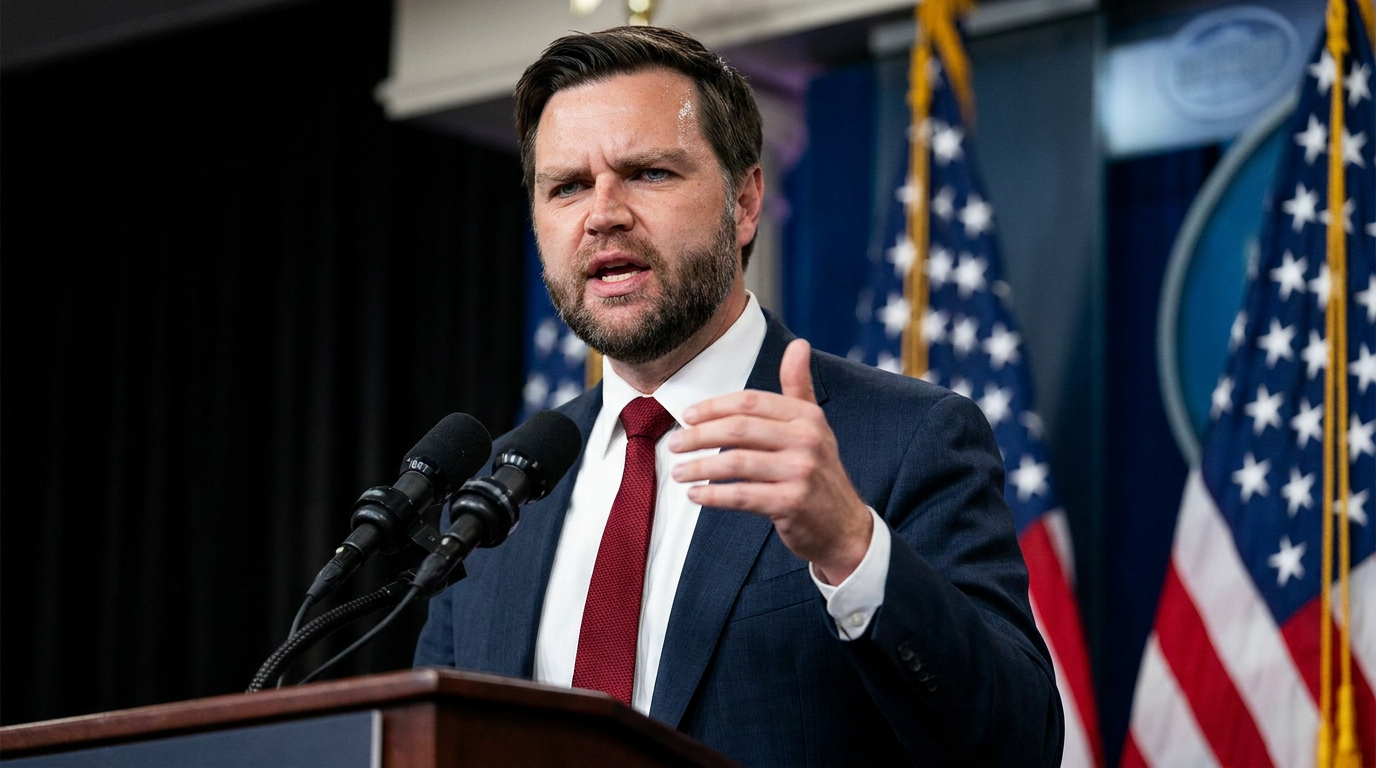
U.S. and Iran Sign Agreement to End War; Vance Lashes Out at Israeli Critics
7 sources
U.S.-Iran Deal
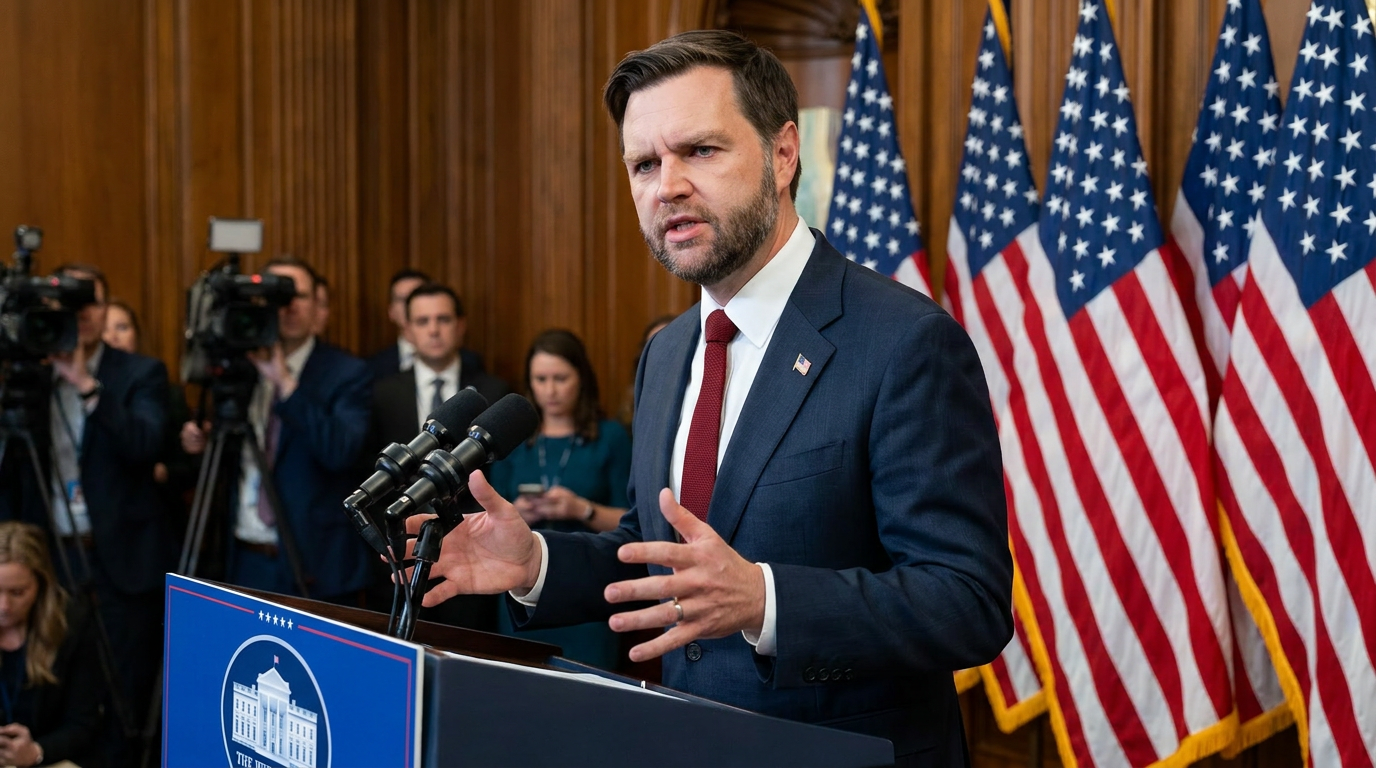
U.S. and Iran Sign 14-Point Agreement to End War, Sparking Fierce Backlash from Israel
6 sources

U.S.-Iran Relations
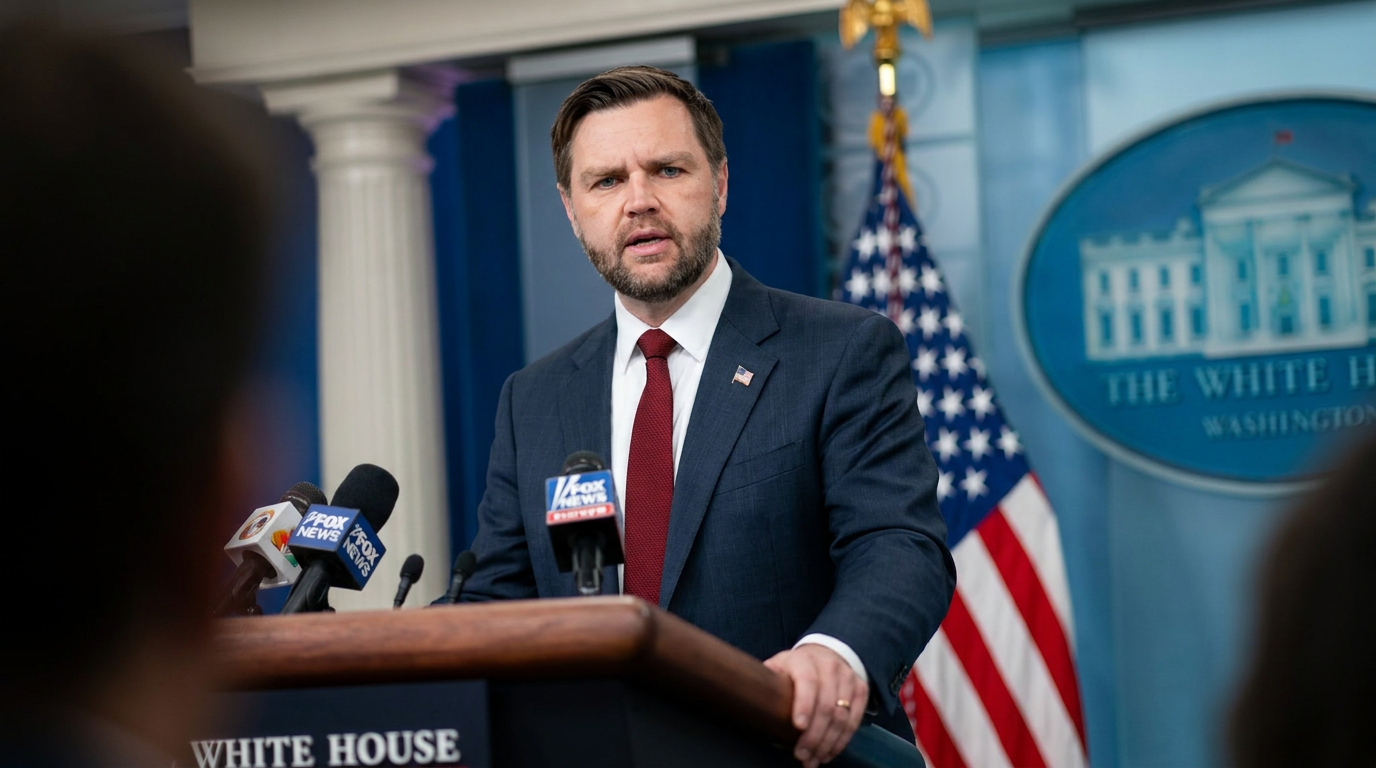
Vance Rebukes Israeli Critics of U.S.-Iran Peace Agreement, Warning Against Alienating 'Only Powerful Ally'
8 sources
Cognitive Defense
The Science of 'Prebunking': How Psychological Inoculation is Defeating Misinformation
6 sources

Every angle. Every day.
Get news politics stories with full source coverage and perspective breakdowns delivered to your inbox.