
U.S. and Iran Reach Preliminary Deal to End War and Reopen Strait of Hormuz
The United States and Iran have agreed to a tentative ceasefire to end their four-month war, aiming to lift the U.S. naval blockade and reopen the vital Strait of Hormuz. The pact initiates a 60-day window for nuclear negotiations, though top U.S. intelligence officials remain highly skeptical of Tehran's intentions.
By Factlen Editorial Team
- U.S. Administration Optimists
- Argue the deal successfully halted Iran's nuclear ambitions and secured vital shipping lanes through maximum pressure.
- U.S. Intelligence Skeptics
- Warn that Iran is stalling for economic relief and will not ultimately dismantle its nuclear program.
- Geopolitical Analysts
- Emphasize the fragility of the truce, noting that the hardest negotiations over nuclear disarmament and sanctions relief are still to come.
- Global Shipping Industry
- Relieved by the diplomatic breakthrough but highly cautious about the immediate security risks, mines, and potential illegal tolls in the Strait.
What's not represented
- · Iranian civilians affected by the conflict
- · Lebanese citizens impacted by the proxy war
Why this matters
The reopening of the Strait of Hormuz—a critical chokepoint for a fifth of the world's traded oil—promises to ease the global energy crisis and lower fuel prices that have surged since the war began. However, the fragile truce leaves the Middle East on edge, as a permanent resolution hinges on highly contested nuclear negotiations over the next 60 days.
Key points
- The U.S. and Iran have reached a preliminary agreement to end their four-month war, brokered by Pakistan.
- The deal calls for an immediate cessation of military operations and the lifting of the U.S. naval blockade on Iranian ports.
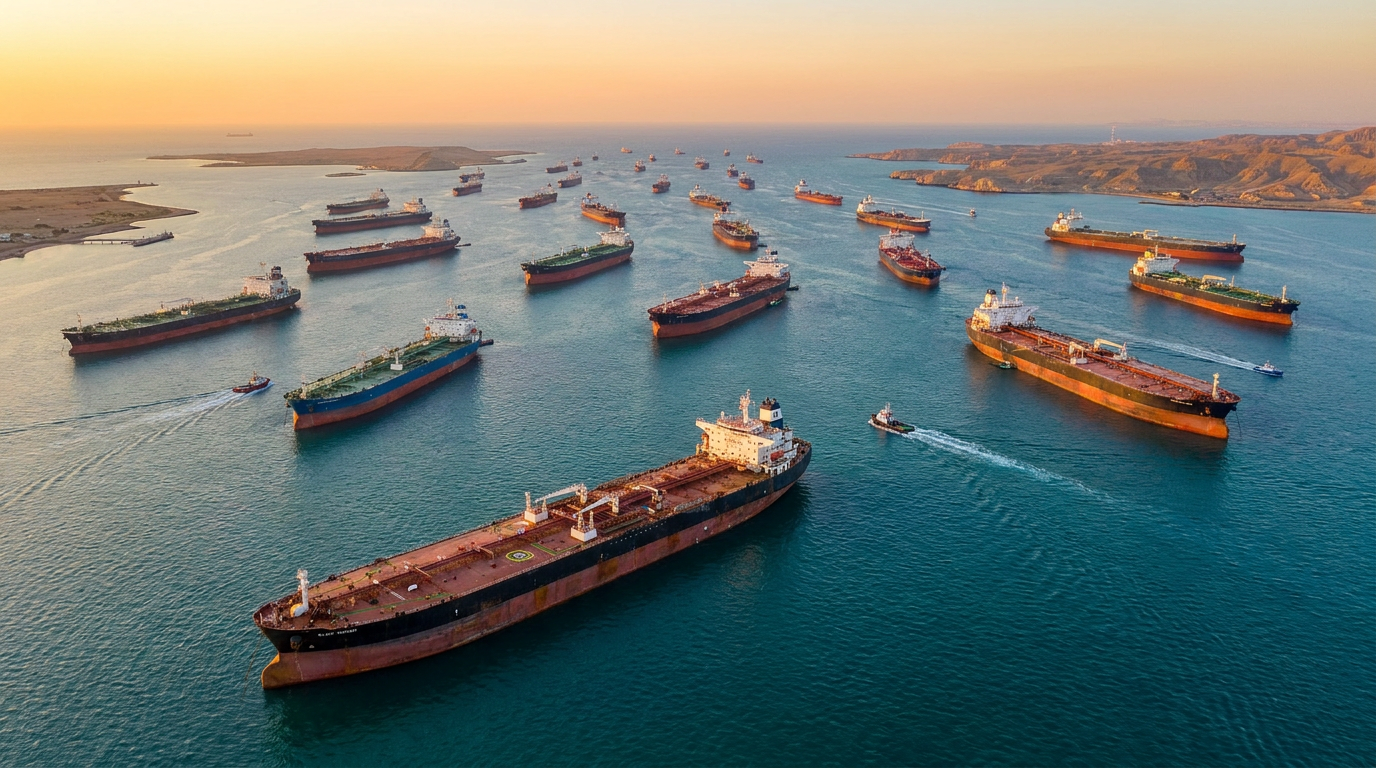
- The Strait of Hormuz is set to reopen, though clearing the backlog of over 500 stranded ships will take weeks.
- The agreement initiates a 60-day window to negotiate a final, comprehensive pact regarding Iran's nuclear program.
- Top U.S. intelligence officials remain highly skeptical that Iran will ultimately accept the demanded nuclear concessions.
The United States and Iran have reached a preliminary peace agreement aimed at ending their devastating four-month war, a diplomatic breakthrough that promises to reopen the world's most critical energy artery. Brokered by Pakistan after weeks of halting negotiations, the memorandum of understanding outlines an immediate cessation of military operations across all fronts, including the deeply intertwined conflict in Lebanon. The tentative truce marks the most significant de-escalation since U.S. and Israeli forces launched a massive wave of strikes against Iranian military and nuclear infrastructure in late February.[3][4]
Pakistani Prime Minister Shehbaz Sharif and U.S. President Donald Trump announced the breakthrough over the weekend, signaling an end to a conflict that has severely disrupted global trade and spiked energy prices. Trump declared on social media that the deal was "complete," authorizing the immediate removal of the sweeping U.S. naval blockade that had paralyzed Iranian ports for months. The agreement sets the stage for an official signing ceremony scheduled for Friday in Geneva, Switzerland, where the two adversaries will formally commit to the ceasefire framework.[3][4]
The centerpiece of the immediate truce is the reopening of the Strait of Hormuz. Trump proclaimed that he had authorized the "toll-free opening" of the waterway, urging the global shipping industry to restart their engines and "let the oil flow." The closure of the strait—a narrow maritime chokepoint that historically handles roughly twenty percent of the world's traded petroleum—has been the primary driver of the global economic fallout from the war. By lifting the blockade, the U.S. aims to rapidly stabilize international energy markets.[3][7]

Beyond the immediate maritime relief, the Geneva signing will initiate a high-stakes, 60-day negotiating window. During this critical two-month period, American and Iranian diplomats will attempt to hammer out a comprehensive, long-term treaty regarding the dismantling of Iran's nuclear program. In exchange for verifiable steps—such as down-blending highly enriched uranium and granting unfettered access to international inspectors—Iran expects the phased removal of crippling economic sanctions and the unfreezing of billions of dollars in foreign assets. The deferral of the core nuclear issue to a post-ceasefire dialogue represents a significant compromise from both sides, prioritizing immediate economic relief over absolute military capitulation.[4][5]
However, deep skepticism remains entrenched within the highest levels of the U.S. national security apparatus regarding the viability of the long-term pact. CIA Director John Ratcliffe recently briefed the president and senior cabinet members that U.S. intelligence agencies harbor serious doubts about Tehran's willingness to accept the sweeping nuclear concessions demanded by Washington. According to officials familiar with the intelligence assessments, intercepted internal communications among Iranian leaders starkly contradict the conciliatory positions they have conveyed to international mediators in Doha and Islamabad. The intelligence suggests that Tehran views the 60-day window primarily as a tactical pause to secure sanctions relief rather than a genuine commitment to nuclear disarmament.[1]
However, deep skepticism remains entrenched within the highest levels of the U.S.
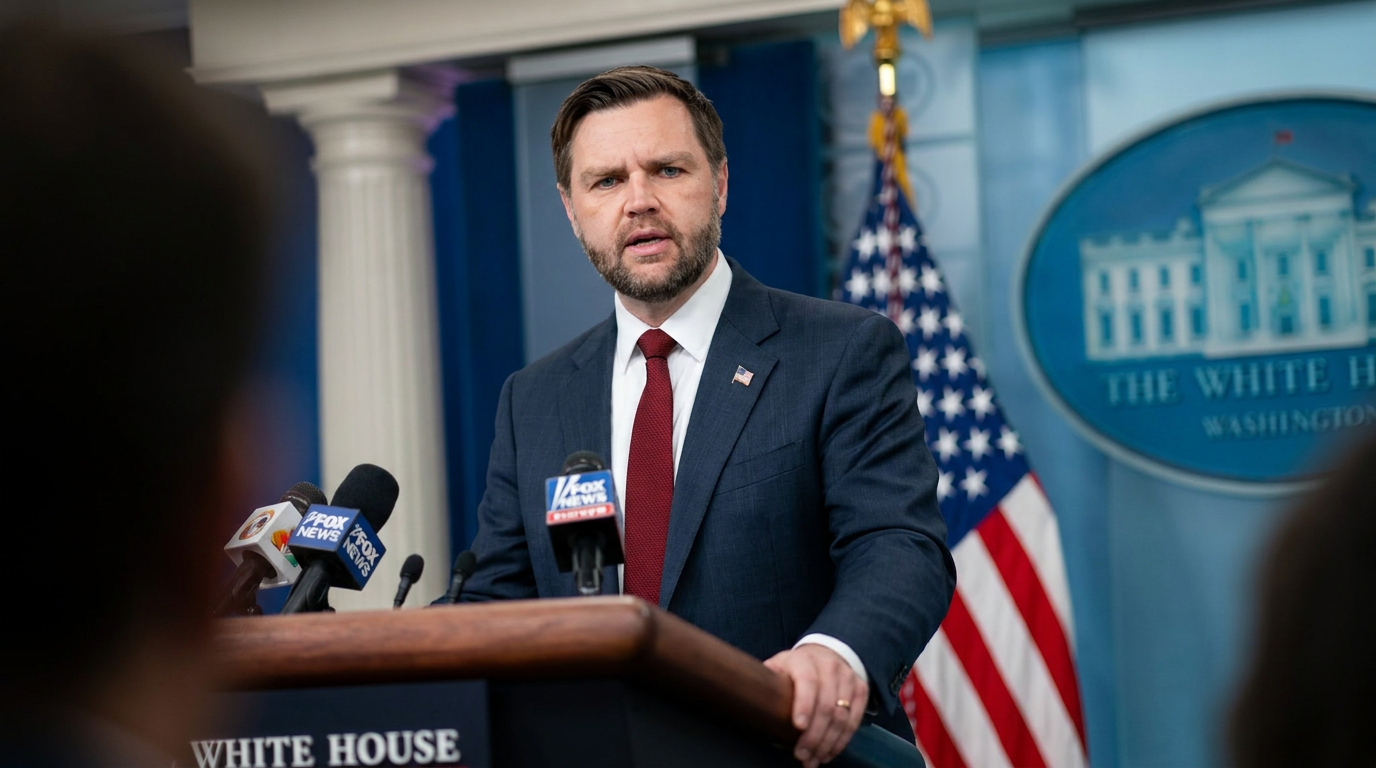
Ratcliffe is not alone in his assessment. Secretary of State Marco Rubio and Defense Secretary Pete Hegseth have both reportedly voiced profound concerns during internal White House deliberations, warning that Iran is likely stalling for time. These hardline cabinet members fear that lifting the naval blockade and unfreezing assets prematurely will surrender America's primary leverage before any permanent nuclear safeguards are locked into place. Despite these intelligence warnings, the diplomatic process is moving forward, championed by Vice President JD Vance, who is expected to lead the U.S. delegation at the Geneva signing.[1][3]

For the global economy, the immediate and most pressing priority is untangling the massive shipping crisis in the Persian Gulf. While political leaders have declared the Strait of Hormuz open for business, maritime experts and the commercial shipping industry warn that a return to normal operations will be a slow and perilous process. The war effectively turned the vital waterway into a militarized no-go zone, and the logistical nightmare of restarting transit cannot be solved overnight by a diplomatic memorandum.[4][6]
More than 500 commercial vessels currently remain stranded in the Persian Gulf, waiting for safe passage. Before traffic can resume at pre-war levels, the waterway must be painstakingly swept for naval mines deployed during the conflict. Furthermore, international shipping companies and their insurers remain highly cautious about sending civilian crews into a recently active war zone. Industry groups have welcomed the peace deal but stressed that full commercial confidence will only return once the threat of vessel seizures and sudden military escalations is definitively removed.[4][6]

The exact mechanics of the strait's governance also remain a volatile point of contention that could threaten the fragile truce. While U.S. officials insist the agreement guarantees unimpeded, toll-free passage under the United Nations Convention on the Law of the Sea, Iranian state media and officials have previously signaled their intention to collect maritime service fees. The U.S. has warned that any attempt by Iran's newly formed strait authority to extort tolls from commercial vessels would be viewed as a violation of international law and a breach of the ceasefire terms.[2][7]
The next two months will serve as a critical test of whether the preliminary memorandum can evolve into a durable peace. If Iran fails to deliver on verifiable nuclear down-blending, or if skirmishes resume in proxy battlegrounds like Lebanon, the Trump administration has made clear that the U.S. retains both the economic leverage and the military capability to force compliance. For now, the world watches the Strait of Hormuz, hoping the flow of oil will signal the definitive end to one of the most disruptive conflicts in modern Middle Eastern history.[1][5]
How we got here
February 28, 2026
U.S. and Israeli forces launch a massive wave of initial strikes against Iranian military and nuclear targets, beginning the war.
April 8, 2026
A fragile two-week ceasefire is brokered by Pakistan, though tensions remain high over restricted access to shipping lanes.
Mid-April 2026
The U.S. imposes a sweeping naval blockade on Iranian ports after Tehran refuses to reopen the Strait of Hormuz.
June 14, 2026
Pakistani Prime Minister Shehbaz Sharif and U.S. President Donald Trump announce a preliminary agreement to end the war.
June 19, 2026
The scheduled date for the official signing ceremony of the peace memorandum in Geneva, Switzerland.
Viewpoints in depth
U.S. Intelligence Skepticism
Intelligence officials warn that Iran is using the ceasefire as a tactical maneuver rather than a genuine step toward nuclear disarmament.
While the diplomatic corps celebrates a breakthrough, the U.S. intelligence community views the 60-day window as a highly vulnerable period. CIA Director John Ratcliffe and allied hardliners argue that Iran is utilizing the ceasefire purely as a tactical maneuver to relieve the crippling economic pressure of the U.S. naval blockade. Citing intercepted internal communications, these skeptics warn that Tehran has no genuine intention of down-blending its enriched uranium or dismantling its nuclear infrastructure. They fear that once the immediate military threat is lifted and frozen assets are accessed, Iran will walk away from the negotiating table, leaving the U.S. with diminished leverage.
The Shipping Industry's Caution
Maritime experts stress that reopening the Strait of Hormuz will be a slow, dangerous, and legally complex logistical operation.
Political declarations of an open waterway do not immediately translate to commercial reality for the global shipping industry. Maritime experts emphasize that the Strait of Hormuz remains a highly hazardous environment, littered with the remnants of a four-month conflict. Before the backlog of over 500 stranded vessels can safely transit, extensive and time-consuming mine-sweeping operations must be completed. Furthermore, shipowners and insurers are deeply wary of Iran's previous threats to impose maritime tolls or 'service fees'—actions that would violate international law and potentially trigger secondary sanctions, creating a legal minefield for any vessel attempting to pass.
The Core Nuclear Sticking Point
Analysts note that the preliminary agreement defers the fundamental disagreement that sparked the war in the first place.
Geopolitical analysts point out that the preliminary memorandum merely pauses the war without resolving its root cause. The fundamental disagreement that sparked the conflict remains entirely intact: the United States demands the complete, verifiable dismantling of Iran's nuclear program, while Tehran demands total sanctions relief and security guarantees before making any concessions. By deferring this intractable issue to a 60-day post-ceasefire dialogue, the agreement essentially kicks the can down the road. If neither side is willing to compromise on their core red lines during this window, the region risks a rapid return to open hostilities.
What we don't know
- Whether Iran will actually follow through on down-blending its enriched uranium during the 60-day negotiation window.
- How exactly the Strait of Hormuz will be governed, and whether Iran will attempt to impose controversial maritime service fees.
- Whether the cessation of hostilities will hold across all regional proxy battlegrounds, particularly in Lebanon.
Key terms
- Strait of Hormuz
- A narrow, strategically vital waterway between the Persian Gulf and the Gulf of Oman, through which roughly 20 percent of the world's traded oil passes.
- Memorandum of Understanding (MoU)
- A preliminary diplomatic agreement outlining the broad terms of a peace deal before a final, legally binding treaty is negotiated.
- Naval Blockade
- A military operation in which the U.S. Navy prevented commercial vessels from entering or leaving Iranian ports to exert economic pressure.
- Down-blending
- The process of reducing the concentration of highly enriched uranium, rendering it unusable for the creation of nuclear weapons.
Frequently asked
Is the U.S.-Iran war officially over?
The two nations have agreed to a preliminary ceasefire and an end to active military operations, but a permanent peace treaty has not yet been signed. The current agreement initiates a 60-day window to negotiate a final resolution regarding Iran's nuclear program.
When will global oil prices go down?
Prices began to drop immediately upon the announcement of the deal, but a full stabilization will take weeks. The shipping industry must first clear a massive backlog of stranded vessels and ensure the Strait of Hormuz is free of naval mines.
Will ships have to pay a toll to pass through the Strait?
The U.S. insists the agreement guarantees toll-free passage under international law. However, Iranian officials have previously demanded the right to collect maritime service fees, creating ongoing uncertainty for commercial shippers.
What happens if the 60-day nuclear talks fail?
U.S. officials have warned that if Iran does not agree to verifiable nuclear concessions, the U.S. retains the option to reimpose the naval blockade or resume military strikes to force compliance.
Sources
Source coverage
7 outlets
4 viewpoints surfaced







[1]AxiosU.S. Intelligence Skeptics
Scoop: CIA director doubts Iran's intentions on deal, sources say
Read on Axios →[2]The New York TimesGeopolitical Analysts
The (Mostly) Unanswered Questions at the Heart of a U.S.-Iran Accord
Read on The New York Times →[3]CBS NewsU.S. Administration Optimists
Iran and U.S. reach deal, Trump and Pakistani prime minister say
Read on CBS News →[4]PBS NewsGeopolitical Analysts
Iran and U.S. reach an initial deal to extend the ceasefire and open the Strait of Hormuz but challenges remain
Read on PBS News →[5]The GuardianGeopolitical Analysts
US-Iran peace deal hinges on shipping, sanctions relief and deferred nuclear talks
Read on The Guardian →[6]Seatrade Maritime NewsGlobal Shipping Industry
Strait of Hormuz set to reopen under US – Iran peace deal
Read on Seatrade Maritime News →[7]CNAGlobal Shipping Industry
US says Hormuz to be toll-free under Iran deal
Read on CNA →
More in news politics
See all 9 stories →US-Iran Deal
U.S. and Iran Sign Agreement to End War; Vance Lashes Out at Israeli Critics
7 sources
U.S.-Iran Deal
U.S. and Iran Sign 14-Point Agreement to End War, Sparking Fierce Backlash from Israel
6 sources
U.S.-Iran Relations
Vance Rebukes Israeli Critics of U.S.-Iran Peace Agreement, Warning Against Alienating 'Only Powerful Ally'
8 sources
Cognitive Defense
The Science of 'Prebunking': How Psychological Inoculation is Defeating Misinformation
6 sources

Every angle. Every day.
Get news politics stories with full source coverage and perspective breakdowns delivered to your inbox.