
U.S. and Iran Reach Peace Deal to End War and Reopen Strait of Hormuz
The United States and Iran have agreed to a preliminary peace deal that ends their three-month war and reopens the critical Strait of Hormuz to global shipping. The pact, brokered by Pakistan, triggers a 60-day negotiation period to address Iran's nuclear program and the lifting of economic sanctions.
By Factlen Editorial Team
- Global Markets & Mediators
- Views the deal primarily through the lens of macroeconomic relief and regional diplomatic stability.
- U.S. Administration
- Focuses on the economic relief of reopening the Strait of Hormuz and the claim that the deal will dismantle Iran's nuclear program.
- Iranian Leadership
- Emphasizes the lifting of the U.S. naval blockade, the unfreezing of assets, and maintains that their military deterrence forced the negotiations.
- Israeli Government
- Views the agreement with profound concern, prioritizing its ongoing military campaign against Hezbollah in Lebanon.
What's not represented
- · Lebanese civilians
- · Ordinary Iranian citizens
Why this matters
The reopening of the Strait of Hormuz ends a historic disruption to the global energy supply, immediately lowering oil prices and easing inflation fears. However, the exclusion of Israel from the pact leaves the risk of a broader regional conflict in Lebanon unresolved.
Key points
- The U.S. and Iran have reached a preliminary peace deal to end their three-month war.
- The agreement immediately reopens the Strait of Hormuz and lifts the U.S. naval blockade on Iran.
- Global oil prices plunged more than 4% on the news, with Brent crude falling below $84 a barrel.
- An official memorandum of understanding will be signed on Friday in Geneva, Switzerland.
- The signing triggers a 60-day negotiation period to address Iran's nuclear program and the lifting of sanctions.
- Israel was not a party to the deal and has expressed concern over its inclusion of the Lebanon front.
The United States and Iran have reached a preliminary peace agreement to end their three-month war, signaling a dramatic de-escalation in the Middle East. Announced concurrently by U.S. President Donald Trump, Iranian officials, and Pakistani mediators, the deal mandates an immediate and permanent termination of military operations across all fronts. The breakthrough follows weeks of intensive, indirect negotiations aimed at halting a conflict that has severely disrupted global energy markets and drawn in regional proxies.[1][2][3]
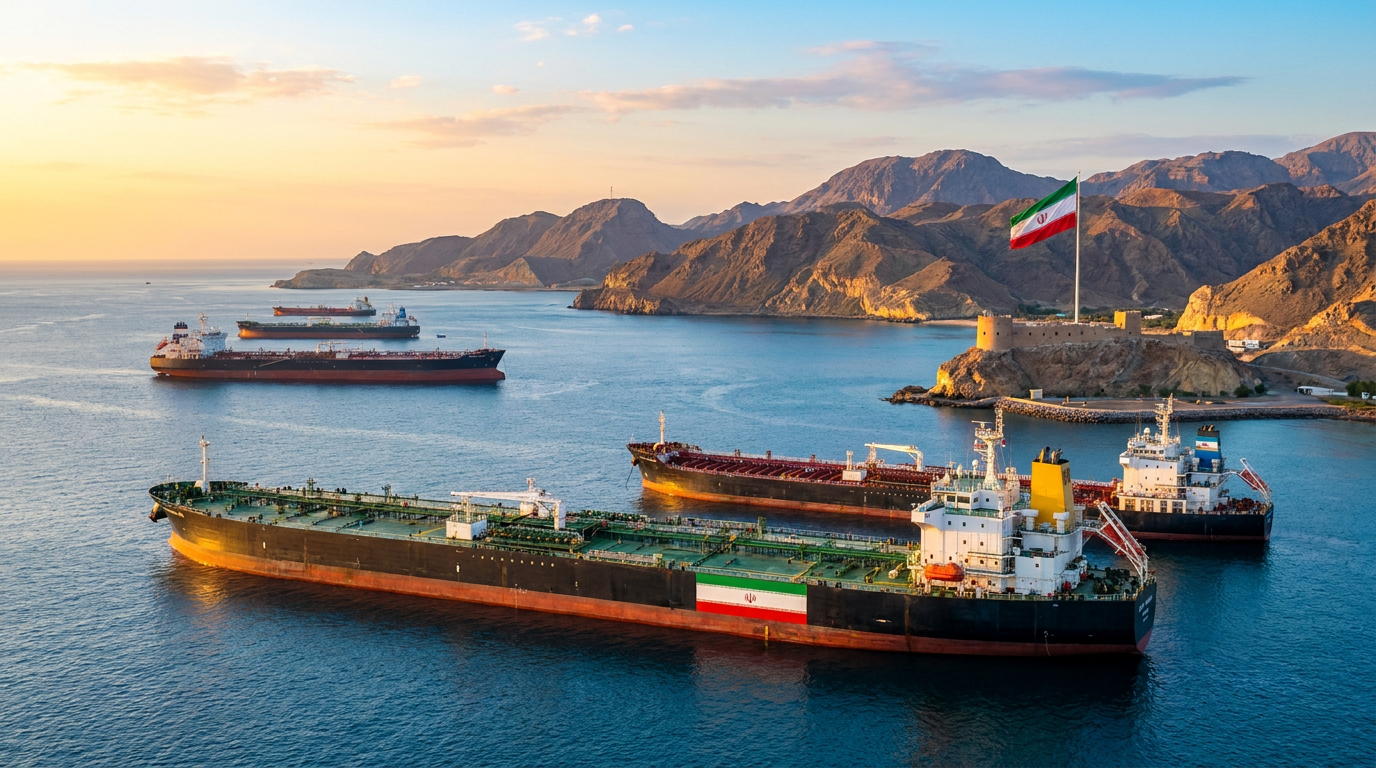
The centerpiece of the immediate agreement is the reopening of the Strait of Hormuz, a critical maritime chokepoint that handles roughly one-fifth of the world's oil and liquefied natural gas supplies. Trump declared the deal "complete" on social media, authorizing the "toll-free opening" of the strait and the simultaneous lifting of the U.S. naval blockade on Iranian ports. Iranian Deputy Foreign Minister Kazem Gharibabadi confirmed the cessation of hostilities, paving the way for commercial vessels to resume transit once naval mines are cleared.[1][2][4]
Global financial markets reacted instantly to the prospect of restored energy flows. Crude oil futures plunged more than 4% when trading opened on Monday, with the global benchmark Brent crude falling below $84 a barrel and U.S. West Texas Intermediate dropping under $81. The energy shock of the past three months had previously driven prices as high as $126 a barrel, acting as a heavy drag on the global economy. Asian stock markets, heavily dependent on Middle Eastern energy imports, surged in response to the news.[5][6][7]

While the immediate ceasefire halts the shooting war, the architecture of the peace deal relies on a phased diplomatic mechanism. An official memorandum of understanding is scheduled to be signed on Friday, June 19, in Geneva, Switzerland. Pakistani Prime Minister Shehbaz Sharif, whose government served as the primary mediator alongside Qatar, stated that the signing will trigger a 60-day negotiation period. This window is designed to hammer out the complex, unresolved technical details that a preliminary ceasefire cannot address.[1][3][8]
The most contentious of these details is the fate of Iran's nuclear program. During the conflict, Iran significantly ramped up its uranium enrichment, reportedly stockpiling material near weapons-grade purity. The U.S. administration asserts that the final agreement will permanently dismantle Iran's nuclear weapons capability, with Trump stating that the U.S. would eventually "go and get" the highly enriched uranium. Conversely, Iranian officials maintain that they have only agreed to maintain the current nuclear status quo—halting further enrichment—until a comprehensive final pact is reached.[2][4][8]
The most contentious of these details is the fate of Iran's nuclear program.
Sanctions relief and frozen assets form the other half of the 60-day negotiation ledger. Iranian state media reports that the draft terms include the release of approximately $24 billion to $25 billion in frozen Iranian funds, alongside a broader termination of economic sanctions. Tehran has explicitly stated that its participation in the next round of talks is contingent upon the lifting of the blockade and the release of these assets, warning that its armed forces keep their "finger on the trigger" should the diplomatic track collapse.[4][8]

Geopolitically, the most fragile component of the ceasefire is its inclusion of Lebanon. The agreement explicitly calls for the termination of military operations "on all fronts, including in Lebanon," where Israel has been engaged in heavy fighting with Hezbollah, an Iran-backed militant group. Iran had made a full ceasefire in Lebanon a non-negotiable demand for the broader peace pact, linking the regional proxy battles directly to its bilateral war with the United States.[1][3][4]
However, Israel is not a party to the U.S.-Iran agreement, creating a significant layer of uncertainty. The Israeli government has expressed profound concern over the framework, insisting it will retain freedom of military operation in Lebanon regardless of Washington's pact with Tehran. Just hours before the deal was announced, Israel launched fresh airstrikes on Beirut, drawing rare simultaneous criticism from both Iranian officials and President Trump, who urged all sides to "stand down."[1][3][4]
The friction between Washington and Jerusalem highlights a growing divergence in strategic priorities. While the U.S. administration is focused on ending the direct war with Iran, lowering domestic energy prices, and securing a diplomatic victory, Israeli Prime Minister Benjamin Netanyahu remains focused on neutralizing the immediate threat posed by Hezbollah on Israel's northern border. Trump recently acknowledged this tension, describing Netanyahu as "a very difficult guy" during the final stages of the negotiations.[3][4]

The logistical hurdles of implementing the ceasefire are also substantial. Reopening the Strait of Hormuz is not as simple as a political declaration; the waterway has been heavily mined during the conflict. The U.S. and regional partners must coordinate a massive mine-removal operation before commercial shipping companies and their insurers will feel confident enough to resume normal transit schedules. Trump noted that the strait's opening on Friday would initially be "for purposes of mine removal."[1][5][7]
Furthermore, Iranian state media has floated additional demands that have not been publicly confirmed by the White House. These reportedly include a U.S. commitment to withdraw all military personnel from the immediate vicinity of Iran and a pledge of non-interference in Iranian internal affairs. Whether these points are genuine components of the draft memorandum or domestic messaging by Tehran remains a critical unknown heading into the 60-day negotiation window.[4][8]
As diplomats prepare for Friday's signing ceremony in Switzerland—which may be attended by Vice President JD Vance or Trump himself—the Middle East stands at a pivot point. The preliminary deal successfully halts a devastating regional war and relieves a historic chokehold on the global economy. Yet, the ultimate success of the pact depends entirely on whether the U.S. and Iran can translate a battlefield ceasefire into a durable resolution on nuclear enrichment, sanctions, and proxy warfare over the next two months.[2][4][6]
How we got here
February 2026
War breaks out between the U.S. and Iran, leading to a blockade of the Strait of Hormuz.
April 2026
A temporary, fragile ceasefire halts the heaviest fighting between the two nations.
June 14, 2026
Israel strikes Hezbollah targets in Lebanon, drawing criticism from both the U.S. and Iran.
June 15, 2026
The U.S., Iran, and Pakistan announce a preliminary peace deal to end the war.
June 19, 2026
Official signing ceremony scheduled to take place in Geneva, Switzerland.
Viewpoints in depth
U.S. Administration's View
Focuses on the economic relief of reopening the Strait of Hormuz and the claim that the deal will dismantle Iran's nuclear program.
U.S. officials, including President Trump and Vice President JD Vance, are framing the agreement as a historic victory that achieves two primary goals: ending the energy crisis and neutralizing a nuclear threat. The administration argues that the 60-day negotiation window will result in the complete removal of Iran's highly enriched uranium, fundamentally transforming Middle Eastern security while delivering immediate relief to American consumers at the gas pump.
Iranian Leadership's View
Emphasizes the lifting of the U.S. naval blockade and the unfreezing of billions in assets, framing the deal as a product of their military deterrence.
Tehran is presenting the ceasefire to its domestic audience as a strategic success born of resilience. Iranian officials stress that they have not surrendered their nuclear infrastructure, but merely agreed to a temporary freeze. They emphasize that their participation in further talks is strictly conditional on the U.S. releasing up to $25 billion in frozen funds and withdrawing military forces from the immediate region, warning that their military remains on high alert.
Israeli Government's View
Views the agreement with profound concern, prioritizing its ongoing military campaign against Hezbollah in Lebanon.
Israel, which was excluded from the U.S.-Iran negotiations, views the pact as dangerously incomplete. Israeli leadership is deeply skeptical of the 60-day window, fearing it will allow Iran to legitimize its nuclear threshold status. Furthermore, Jerusalem firmly rejects the deal's inclusion of Lebanon, insisting that the IDF will maintain complete freedom of operation against Hezbollah regardless of Washington's desire for a comprehensive regional ceasefire.
What we don't know
- Whether Iran will actually agree to dismantle its nuclear program or surrender its highly enriched uranium during the 60-day negotiation period.
- How long it will take to clear naval mines from the Strait of Hormuz and restore full commercial shipping volumes.
- Whether Israel will abide by the ceasefire's inclusion of Lebanon, or if continued IDF strikes against Hezbollah will fracture the U.S.-Iran pact.
Key terms
- Strait of Hormuz
- A narrow maritime chokepoint between the Persian Gulf and the Gulf of Oman, through which roughly 20% of the world's oil supply passes.
- Memorandum of Understanding (MoU)
- A formal agreement between two or more parties that establishes a framework for future, more detailed negotiations.
- Uranium Enrichment
- The process of increasing the percentage of the Uranium-235 isotope, which is necessary for both nuclear power generation and nuclear weapons.
- Naval Blockade
- A military operation in which ships are used to prevent vessels, personnel, or goods from entering or leaving a country's ports.
Frequently asked
When does the Strait of Hormuz officially reopen?
The U.S. and Iran have authorized its reopening, but physical transit will resume after the official signing on Friday, June 19, to allow for necessary mine-removal operations.
Does this deal end Iran's nuclear program?
Not immediately. The preliminary deal freezes the current nuclear status quo. The dismantling of the program and the fate of Iran's enriched uranium will be negotiated over the next 60 days.
Is Israel part of this peace agreement?
No. Israel was not involved in the U.S.-Iran negotiations and has stated it will maintain its freedom to conduct military operations against Hezbollah in Lebanon.
Sources
Source coverage
8 outlets
4 viewpoints surfaced







[1]The GuardianIranian Leadership
Peace deal between US and Iran announced, with strait of Hormuz expected to reopen
Read on The Guardian →[2]CBS NewsU.S. Administration
Iran peace deal to be signed Sunday and strait reopened immediately, Trump says
Read on CBS News →[3]The Straits TimesGlobal Markets & Mediators
US, Iran agree on framework to end war, reopen Strait of Hormuz
Read on The Straits Times →[4]Times of IsraelIsraeli Government
Trump declares Iran deal complete; Pakistan says ceasefire begins immediately, includes Lebanon
Read on Times of Israel →[5]NPRU.S. Administration
Crude oil futures drop after Trump promises an Iran deal will be signed Friday
Read on NPR →[6]The HinduGlobal Markets & Mediators
West Asia war highlights: U.S.-Iran peace deal announced with 'permanent' end to military action
Read on The Hindu →[7]ICISGlobal Markets & Mediators
Oil prices fall by more than 4% on US-Iran peace deal
Read on ICIS →[8]YnetnewsIsraeli Government
Trump declares Iran deal complete; Pakistan says ceasefire begins immediately
Read on Ynetnews →
More in news politics
See all 9 stories →US-Iran Deal
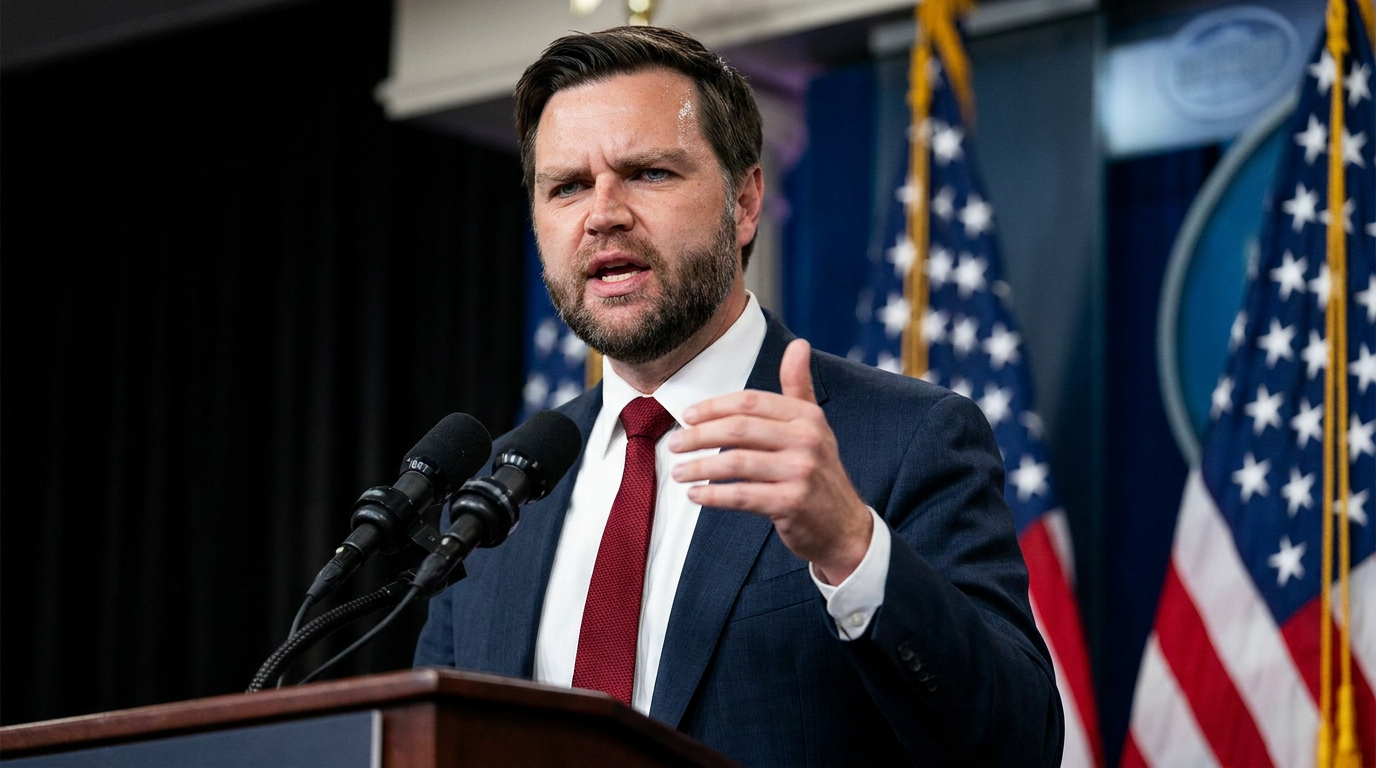
U.S. and Iran Sign Agreement to End War; Vance Lashes Out at Israeli Critics
7 sources
U.S.-Iran Deal
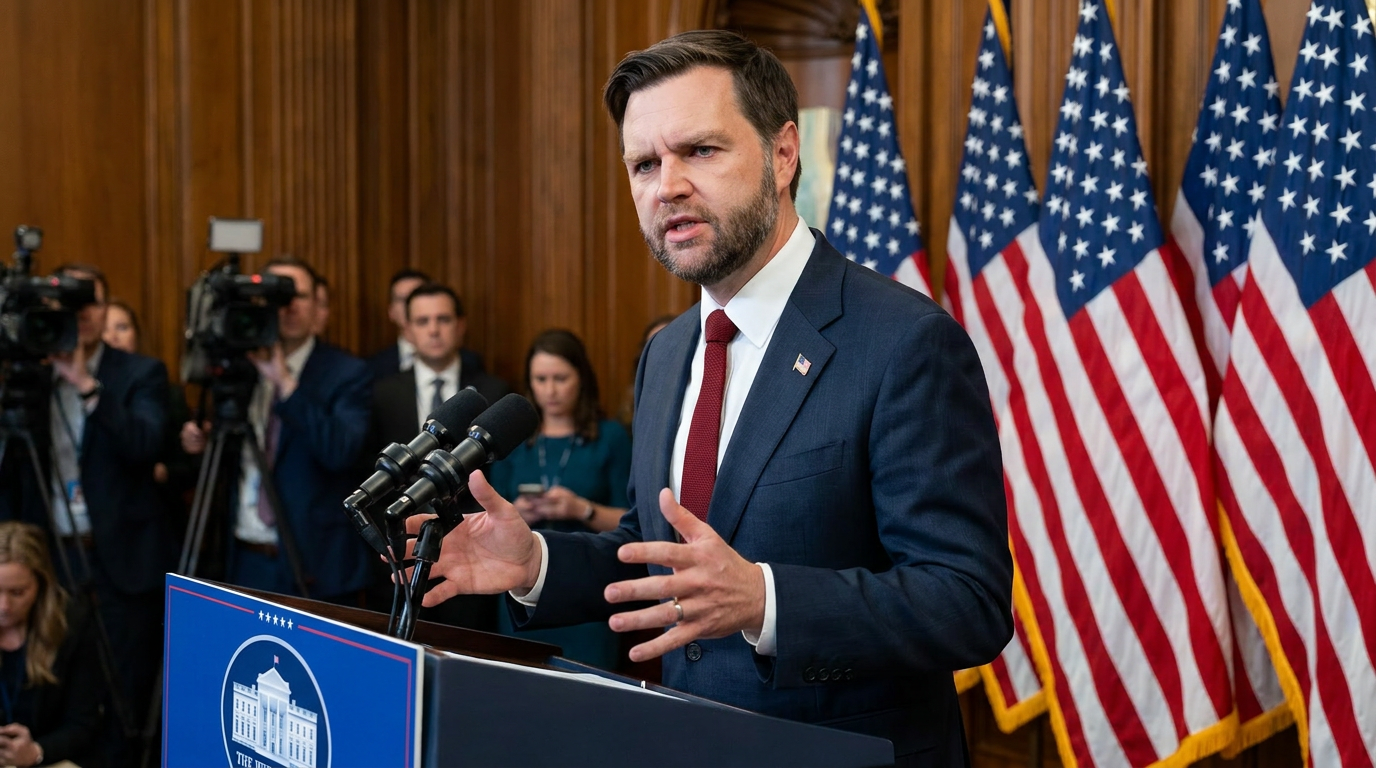
U.S. and Iran Sign 14-Point Agreement to End War, Sparking Fierce Backlash from Israel
6 sources
U.S.-Iran Relations
Vance Rebukes Israeli Critics of U.S.-Iran Peace Agreement, Warning Against Alienating 'Only Powerful Ally'
8 sources
Cognitive Defense
The Science of 'Prebunking': How Psychological Inoculation is Defeating Misinformation
6 sources

Every angle. Every day.
Get news politics stories with full source coverage and perspective breakdowns delivered to your inbox.