
U.S. and Iran Reach Deal to End 107-Day War, Reopen Strait of Hormuz
Brokered by Pakistan, the agreement extends the current ceasefire, lifts the U.S. blockade on the critical global shipping lane, and sets the stage for renewed nuclear negotiations.
By Factlen Editorial Team
- U.S. Administration
- Views the blockade as a successful pressure campaign that forced Iran to accept a ceasefire and return to nuclear negotiations.
- Iranian Leadership
- Prioritizes internal stability and the lifting of the economic blockade ahead of a vulnerable leadership transition and state funeral.
- Regional Mediators
- Focuses on diplomatic pragmatism and averting a broader regional war that would devastate neighboring economies.
- Global Energy Markets
- Primarily concerned with the uninterrupted flow of commercial shipping through the Strait of Hormuz to stabilize prices.
What's not represented
- · Commercial Shipping Companies
- · Neighboring Gulf States (UAE, Saudi Arabia)
Why this matters
The reopening of the Strait of Hormuz will immediately stabilize global energy markets and lower shipping costs, while the cessation of hostilities averts a broader regional conflict that threatened to draw in neighboring Gulf states.
Key points
- The U.S. and Iran have agreed to end 107 days of war, with an official signing ceremony set for Friday.
- President Trump confirmed the U.S. will lift its naval blockade on the Strait of Hormuz.
- The deal, brokered by Pakistan, extends the current ceasefire by 60 days.
- Both nations have committed to launching a new round of nuclear negotiations.
- The ceasefire provides crucial stability for Iran ahead of the July state funeral for Ayatollah Ali Khamenei.
The United States and Iran have reached a comprehensive agreement to end 107 days of direct military hostilities, marking a sudden and dramatic de-escalation in the Middle East. Pakistani Prime Minister Shehbaz Sharif, whose government served as the primary broker for the back-channel negotiations, announced on Sunday that the deal is "now in place." The diplomatic breakthrough halts a conflict that had severely disrupted global energy markets and threatened to engulf neighboring Gulf states in a wider regional war. An official signing ceremony is scheduled for Friday, which will formalize the cessation of military action and establish a framework for the coming months.[1][4]
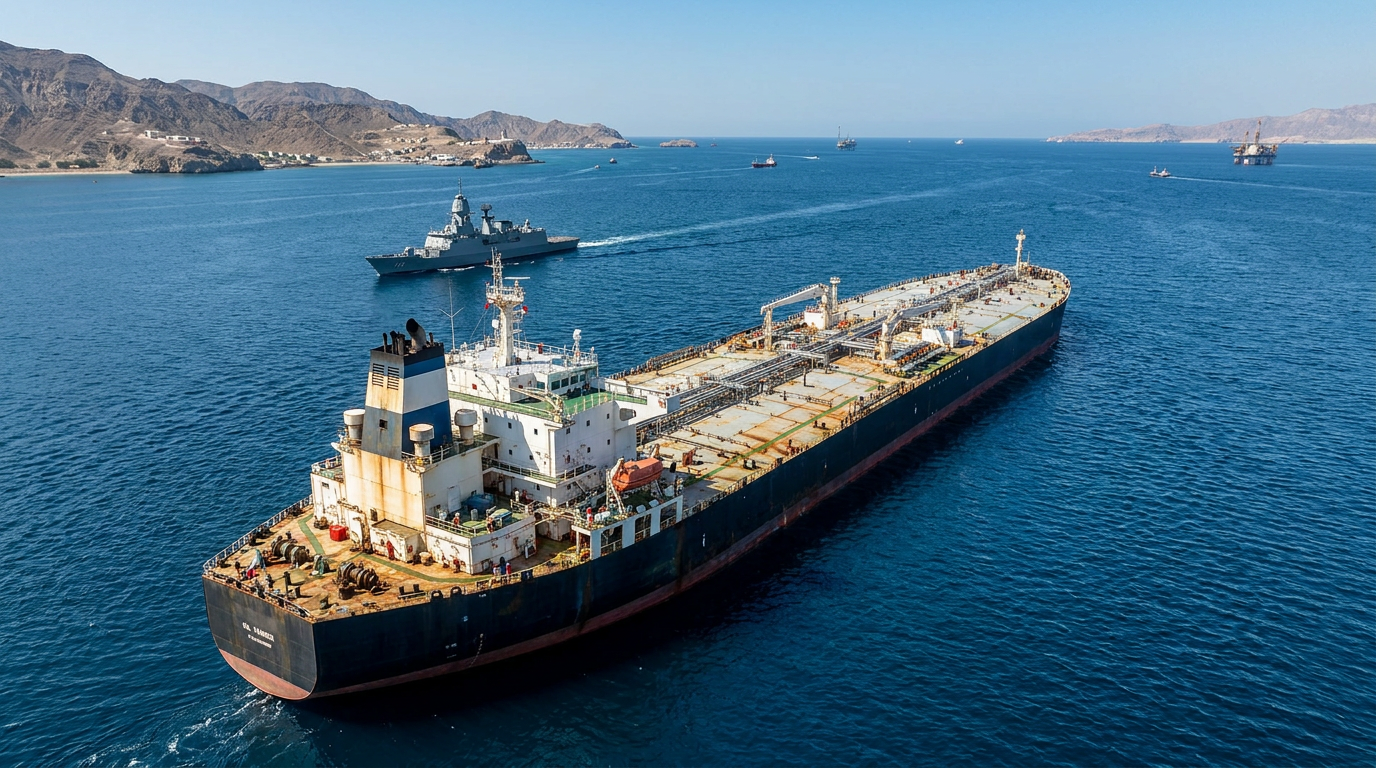
The centerpiece of the immediate agreement is the lifting of the U.S. naval blockade on the Strait of Hormuz, a critical maritime chokepoint that facilitates roughly a fifth of the world's daily oil consumption. President Donald Trump confirmed the U.S. would remove the blockade, allowing commercial shipping and energy exports to resume normal transit operations. In exchange, the agreement extends the current fragile ceasefire by an additional 60 days and commits both Washington and Tehran to a new round of comprehensive nuclear negotiations. The reopening of the strait is expected to provide immediate relief to global markets that have been heavily strained by the 107-day standoff.[1][2][5]
Pakistan's role as the primary mediator highlights a shift in regional diplomatic dynamics, with Islamabad stepping in to bridge the massive trust deficit between Washington and Tehran. Prime Minister Sharif's government utilized its unique geopolitical position—maintaining ties with both the U.S. military establishment and the Iranian leadership—to host the decisive rounds of secret talks. According to diplomatic sources, the negotiations accelerated rapidly over the past two weeks as the economic toll of the Hormuz blockade became increasingly unsustainable for both regional economies and global importers.[1][4]

For the Iranian government, the peace agreement arrives at a moment of profound internal vulnerability following the recent death of Supreme Leader Ayatollah Ali Khamenei. The regime is currently navigating its most significant leadership transition in decades, making the continuation of a high-intensity conflict with the United States an existential risk. Security analysts note that the upcoming state funeral for Khamenei, scheduled for July, will be a massive, "target-rich" gathering of the nation's political and military elite. Proceeding with such an event during an active war would have been a catastrophic security gamble, heavily incentivizing Tehran to secure a ceasefire.[3][7]
Proceeding with such an event during an active war would have been a catastrophic security gamble, heavily incentivizing Tehran to secure a ceasefire.
The U.S. administration is framing the agreement as a decisive strategic victory, arguing that the economic and military pressure of the Hormuz blockade successfully forced Iran back to the negotiating table. By maintaining a tight grip on the strait for over three months, the U.S. effectively throttled Iran's primary source of revenue, creating the leverage necessary to demand renewed talks on Tehran's nuclear program. Administration officials have indicated that the upcoming nuclear negotiations will seek to establish far stricter oversight and limitations than previous frameworks, using the threat of a reinstated blockade as an enforcement mechanism.[2][6]
Global energy markets reacted immediately to the news of the impending Hormuz reopening, with Brent crude futures experiencing a sharp decline in early trading. The 107-day blockade had forced international shipping companies to reroute vessels and rely on strategic petroleum reserves, driving up transportation costs and fueling global inflation fears. Energy analysts caution, however, that while the immediate crisis has been averted, the underlying volatility of the region remains high. The 60-day ceasefire provides a narrow window for diplomats to solidify the peace before the threat of renewed disruptions returns to the energy sector.[5]

The transition from a military ceasefire to complex nuclear negotiations presents a formidable diplomatic challenge. The previous 107 days of war have deeply entrenched hardline factions in both Washington and Tehran, complicating the political calculus for any long-term concessions. Iranian negotiators will likely demand immediate sanctions relief and guarantees against future blockades, while the U.S. delegation is expected to insist on verifiable dismantling of advanced centrifuge arrays and broader restrictions on ballistic missile development. The success of these talks will ultimately determine whether the current agreement is a lasting peace or merely a temporary pause in hostilities.[6][8]
As preparations begin for Friday's official signing ceremony, the international community is cautiously optimistic but acutely aware of the fragility of the deal. The presence of Pakistani mediators and potentially other international observers at the ceremony will serve as a crucial validation of the agreement. For the millions of civilians across the region and the global economy reliant on the uninterrupted flow of energy, the next 60 days will be a critical test of whether diplomatic pragmatism can permanently replace the devastating calculus of war.[1][4][8]
How we got here
Early 2026
Direct military hostilities break out between the U.S. and Iran, leading to a 107-day conflict.
Spring 2026
The U.S. imposes a naval blockade on the Strait of Hormuz, severely disrupting global energy markets.
Early June 2026
Iranian Supreme Leader Ayatollah Ali Khamenei passes away, triggering a vulnerable leadership transition.
June 14, 2026
Pakistani PM Shehbaz Sharif announces a successful mediation, ending the war and lifting the blockade.
Upcoming (Friday)
Official signing ceremony scheduled to formalize the 60-day ceasefire and framework for nuclear talks.
Viewpoints in depth
U.S. Administration
Views the blockade as a successful pressure campaign that forced Iran to accept a ceasefire and return to nuclear negotiations.
U.S. officials argue that the 107-day blockade of the Strait of Hormuz was a necessary and ultimately successful strategic maneuver. By cutting off Iran's primary economic lifeline, the administration believes it created the leverage required to force Tehran back to the negotiating table. The U.S. perspective is that the upcoming nuclear talks will be conducted from a position of strength, with the implicit threat that the blockade could be reinstated if Iran fails to agree to stricter oversight of its nuclear and ballistic missile programs.
Iranian Leadership
Prioritizes internal stability and the lifting of the economic blockade ahead of a vulnerable leadership transition and state funeral.
For Tehran, the immediate priority is regime survival and internal security following the death of Supreme Leader Ayatollah Ali Khamenei. Hosting a massive state funeral in July while actively at war with the United States was viewed by Iranian security officials as an unacceptable risk. By securing the lifting of the Hormuz blockade, the government can claim an economic victory to its domestic audience while simultaneously ensuring the stability needed to navigate its most critical leadership transition in decades.
Regional Mediators
Focuses on diplomatic pragmatism and averting a broader regional war that would devastate neighboring economies.
Pakistan and other regional observers view the agreement as a vital step back from the brink of a wider Middle Eastern war. Mediators focused on finding a pragmatic off-ramp that allowed both Washington and Tehran to claim victory—the U.S. securing nuclear talks, and Iran securing the end of the blockade. For these regional players, the primary goal was ending the economic devastation caused by the disruption of the Strait of Hormuz, which had threatened to pull neighboring Gulf states into the crossfire.
What we don't know
- Whether the 60-day ceasefire will hold long enough to produce a binding nuclear framework.
- The specific concessions the U.S. will demand regarding Iran's centrifuge arrays and ballistic missile programs.
- How Iran's internal leadership transition will impact the negotiating posture of their diplomatic delegation.
Key terms
- Strait of Hormuz
- A narrow, strategically vital waterway between the Persian Gulf and the Gulf of Oman, through which approximately 20% of the world's daily oil consumption passes.
- Naval Blockade
- A military operation that restricts maritime commerce and naval movement in a specific area, used in this conflict to cut off Iranian oil exports.
Frequently asked
What happens to the Strait of Hormuz?
The U.S. is lifting its naval blockade, allowing commercial shipping and global oil exports to resume normal transit through the critical waterway.
Who brokered the peace agreement?
The government of Pakistan served as the primary mediator, hosting back-channel negotiations between Washington and Tehran.
What are the next steps after the ceasefire?
The agreement extends the ceasefire by 60 days, during which the U.S. and Iran are committed to beginning a new round of comprehensive nuclear negotiations.
Sources
Source coverage
8 outlets
4 viewpoints surfaced








[1]AxiosRegional Mediators
U.S.-Iran deal to end war "now in place": Pakistani PM
Read on Axios →[2]NPRU.S. Administration
The U.S. and Iran announce a deal to end the war
Read on NPR →[3]Fox NewsIranian Leadership
Khamenei's 'target-rich' funeral is Iran’s biggest security gamble, sends message to US: expert
Read on Fox News →[4]DawnRegional Mediators
PM Sharif announces successful mediation of US-Iran peace agreement
Read on Dawn →[5]BloombergGlobal Energy Markets
Oil Markets React Sharply as U.S. Lifts Strait of Hormuz Blockade
Read on Bloomberg →[6]ReutersU.S. Administration
U.S., Iran to resume nuclear talks following 60-day ceasefire extension
Read on Reuters →[7]Al JazeeraIranian Leadership
Iran secures ceasefire as nation prepares for Khamenei state funeral
Read on Al Jazeera →[8]The New York TimesRegional Mediators
Diplomats Race to Finalize Details Ahead of Friday's U.S.-Iran Signing Ceremony
Read on The New York Times →
More in news politics
See all 9 stories →US-Iran Deal
U.S. and Iran Sign Agreement to End War; Vance Lashes Out at Israeli Critics
7 sources
U.S.-Iran Deal
U.S. and Iran Sign 14-Point Agreement to End War, Sparking Fierce Backlash from Israel
6 sources
U.S.-Iran Relations
Vance Rebukes Israeli Critics of U.S.-Iran Peace Agreement, Warning Against Alienating 'Only Powerful Ally'
8 sources
Cognitive Defense
The Science of 'Prebunking': How Psychological Inoculation is Defeating Misinformation
6 sources

Every angle. Every day.
Get news politics stories with full source coverage and perspective breakdowns delivered to your inbox.