
U.S. and Iran Reach Ceasefire Deal to End War and Reopen Strait of Hormuz
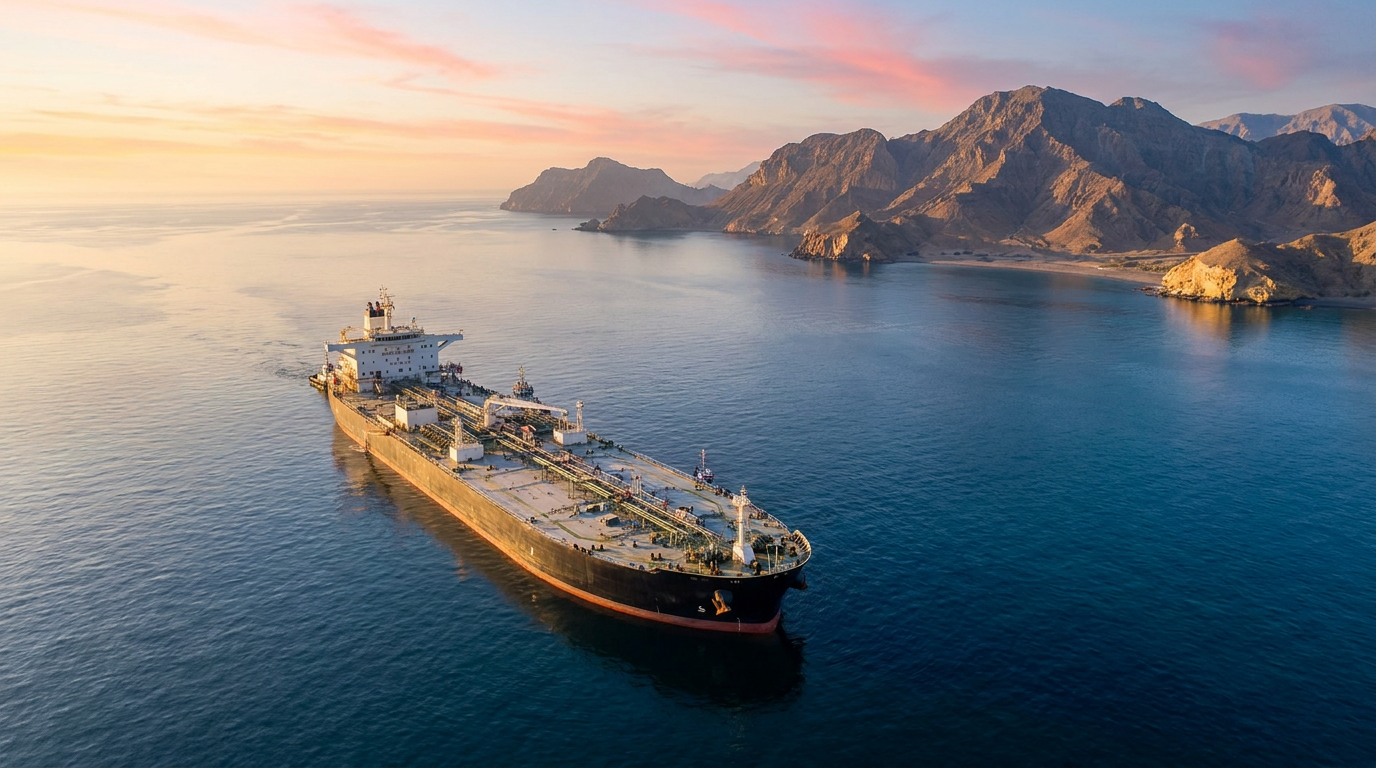
The United States and Iran have agreed to a ceasefire brokered by Pakistan, ending 107 days of hostilities. The agreement reopens the critical Strait of Hormuz to global shipping, prompting an immediate drop in global oil prices.
By Factlen Editorial Team
- U.S. Administration
- Frames the deal as a victory for American deterrence and economic interests, emphasizing the toll-free reopening of the strait.
- Regional Mediators & Iran
- Focuses on the diplomatic achievement of ending hostilities and the necessity of domestic stability for Tehran during a leadership transition.
- Global Markets
- Prioritizes the immediate relief to global supply chains and the sharp reduction in energy costs.
- Regional Security Watchers
- Expresses cautious relief over the end of active warfare but remains deeply skeptical of Iran's long-term nuclear ambitions.
What's not represented
- · Civilian populations in conflict zones
- · Shipping insurance underwriters
Why this matters
The reopening of the Strait of Hormuz removes a massive bottleneck for global energy supplies, immediately lowering oil and gasoline prices that had surged over the past three months. It also de-escalates a 107-day conflict that threatened to pull the broader Middle East into a protracted regional war.
Key points
- The U.S. and Iran have agreed to a ceasefire ending 107 days of war.
- Pakistan played a central role in brokering the diplomatic breakthrough.
- The deal reopens the Strait of Hormuz to global commercial shipping.
- Global crude oil prices immediately fell by more than 4 percent.
- The 60-day truce is expected to lead to broader nuclear negotiations.
- An official signing ceremony is scheduled to take place on Friday.
The United States and Iran have officially agreed to a ceasefire, bringing an end to 107 days of direct military hostilities that have deeply unsettled the Middle East and global energy markets. Pakistani Prime Minister Shehbaz Sharif, whose government played a central role in brokering the agreement, announced Sunday that the deal is "now in place." The breakthrough paves the way for a 60-day extension of a temporary truce and, crucially, the reopening of the Strait of Hormuz to international shipping. An official signing ceremony is expected to take place on Friday, marking a formal pause in a conflict that began in late February.[1][3]
President Donald Trump confirmed the agreement in a phone call to reporters, framing the diplomatic resolution as a major victory for American economic and security interests. Trump emphasized that under the terms of the new arrangement, the heavily contested Strait of Hormuz will be "permanently toll free" for commercial vessels. The blockade of the strait had been a primary leverage point for Tehran during the conflict, and its reopening is expected to immediately relieve pressure on global supply chains. The White House has positioned the deal as a necessary step to stabilize the region while maintaining a strong deterrent posture against future escalations.[2][4]
The immediate economic impact of the announcement was felt across global energy markets, where crude oil prices tumbled more than 4 percent to their lowest levels in over three months. Since the conflict erupted, severe restrictions on oil traffic through the narrow waterway created an unprecedented energy shock, driving up costs for consumers worldwide. In the United States, the price spike had caused gasoline prices to soar to their highest levels since 2022, creating significant political and economic headwinds. Market analysts note that the swift drop in crude futures reflects widespread relief that the threat of a prolonged supply disruption has been averted.[1][6]

Pakistan's emergence as the primary broker of the ceasefire highlights a shift in regional diplomatic dynamics. Islamabad utilized its unique position—maintaining diplomatic ties with Tehran while serving as a strategic partner to Washington—to facilitate back-channel negotiations over the past several weeks. The Pakistani government's intervention was critical in bridging the gap between the two adversaries, particularly as traditional mediators struggled to make headway during the intense early phases of the 107-day war. The successful mediation is being viewed as a significant diplomatic victory for Prime Minister Sharif's administration.[1]
For Iran, the ceasefire comes at a moment of profound domestic transition and vulnerability. The country is currently preparing for the July funeral of Supreme Leader Ayatollah Ali Khamenei, an event that represents a massive logistical and security challenge for the regime. Security experts suggest that hosting a "target-rich" gathering of national and allied leadership during an active war would have been an unacceptable risk for Tehran. Consequently, the regime's willingness to accept the ceasefire is being interpreted by some analysts as a strategic necessity to ensure domestic stability during a critical transfer of power.[5]

For Iran, the ceasefire comes at a moment of profound domestic transition and vulnerability.
While the immediate focus is on the cessation of hostilities and the resumption of maritime trade, the agreement also lays the groundwork for a broader diplomatic process. According to officials familiar with the terms, the ceasefire is designed to serve as a bridge to more detailed nuclear negotiations. The resumption of talks over Iran's nuclear program has been a long-standing priority for the international community, and the current 60-day window is expected to be used to establish a framework for those discussions. However, the exact parameters and preconditions for these upcoming talks remain undisclosed.[1][8]
The global shipping industry has reacted with cautious optimism to the news, though maritime authorities warn that returning to normal operations will take time. The Strait of Hormuz is one of the world's most critical maritime chokepoints, historically handling roughly a fifth of global oil consumption. While the political agreement is in place, shipping companies and insurance underwriters are currently assessing the residual security risks, including the potential presence of naval mines or rogue elements. Industry groups anticipate a phased resumption of transit, with military escorts likely continuing in the short term to guarantee safe passage.[7]

Regional neighbors, particularly Israel, are monitoring the ceasefire with a mixture of relief and deep skepticism. While the end of active warfare reduces the immediate threat of a wider regional conflagration, Israeli officials remain deeply concerned about the upcoming nuclear negotiations. Defense analysts in Jerusalem have cautioned that any diplomatic process must not allow Tehran to use the ceasefire as cover to accelerate its uranium enrichment activities. Israel has historically maintained that it reserves the right to act unilaterally if it perceives an existential threat from Iran's nuclear ambitions, a stance that adds pressure to the upcoming talks.[8]
The domestic political ramifications in the United States are also coming into focus. The successful negotiation of a ceasefire and the subsequent drop in energy prices provide a significant boost to the Trump administration ahead of the 2026 midterm elections. The administration had faced mounting criticism over the economic fallout of the conflict, particularly the surge in inflation driven by energy costs. By securing a deal that reopens the strait and lowers prices at the pump, the White House is moving quickly to neutralize a major political vulnerability while claiming a foreign policy success.[2][6]
As the Friday signing ceremony approaches, the international community remains focused on the fragility of the agreement. The 107-day war has fundamentally altered the security architecture of the Middle East, and the underlying grievances that sparked the conflict remain largely unresolved. The success of the ceasefire will ultimately depend on the willingness of both Washington and Tehran to adhere to the terms during the 60-day extension and to engage constructively in the promised nuclear negotiations. For now, the reopening of the Strait of Hormuz offers a critical reprieve for a global economy that had been bracing for a prolonged crisis.[1][3]
How we got here
Late Feb 2026
Direct military hostilities erupt between the United States and Iran.
March 2026
Severe restrictions are placed on oil traffic through the Strait of Hormuz, triggering a global energy shock.
June 14, 2026
Pakistani Prime Minister Shehbaz Sharif announces a ceasefire deal is in place.
Upcoming Friday
An official signing ceremony is expected to formally ratify the 60-day ceasefire extension.
Viewpoints in depth
U.S. Administration's View
The White House views the deal as a successful exercise in deterrence that protects American economic interests.
President Trump and his administration are framing the ceasefire as a decisive victory that neutralizes a major threat to the global economy. By securing a commitment to keep the Strait of Hormuz "permanently toll free," the administration argues it has successfully defended the principle of freedom of navigation while forcing Tehran to back down from its blockade. Domestically, the rapid drop in oil prices provides a crucial political benefit, allowing the White House to claim credit for lowering inflation and stabilizing markets ahead of the midterm elections.
Iranian Leadership's View
Tehran views the ceasefire as a necessary strategic pause to ensure regime stability during a critical internal transition.
For Iran's leadership, the decision to halt hostilities is heavily influenced by domestic imperatives. With the impending funeral of Supreme Leader Ayatollah Ali Khamenei, the regime faces a delicate and potentially volatile transfer of power. Engaging in an active war with the United States while hosting a massive gathering of national leadership presented an unacceptable security risk. The ceasefire allows Tehran to secure its domestic front, alleviate some economic pressure, and enter the upcoming nuclear negotiations without the immediate threat of military strikes.
Global Energy Markets' View
Market analysts and shipping industries are focused on the rapid restoration of supply chains and the reduction of risk premiums.
The financial and energy sectors have reacted with overwhelming relief to the diplomatic breakthrough. The 107-day blockade of the Strait of Hormuz had injected a massive risk premium into global crude prices, threatening to tip fragile economies into recession. While oil futures dropped immediately on the news, industry experts caution that the physical resumption of trade will require logistical coordination. Shipping companies are currently working with insurers and military escorts to verify that the waterway is clear of hazards before fully normalizing transit schedules.
What we don't know
- What specific preconditions, if any, have been set for the upcoming nuclear negotiations.
- How quickly commercial shipping insurance rates will normalize for vessels transiting the Strait of Hormuz.
- Whether hardline factions within Iran's military apparatus will fully comply with the terms of the ceasefire.
Key terms
- Strait of Hormuz
- A narrow, strategically important waterway between the Persian Gulf and the Gulf of Oman through which a significant portion of the world's oil supply passes.
- Ceasefire
- A temporary suspension of fighting agreed upon by the parties in a conflict, often to allow for peace talks or humanitarian aid.
- Nuclear Negotiations
- Diplomatic discussions aimed at regulating and monitoring a country's nuclear program to ensure it is not used to develop nuclear weapons.
Frequently asked
How long did the U.S.-Iran conflict last?
The direct military hostilities lasted for 107 days, beginning in late February 2026.
Who brokered the ceasefire deal?
The government of Pakistan acted as the primary mediator, utilizing its diplomatic ties with both Washington and Tehran to facilitate back-channel negotiations.
What happens to the Strait of Hormuz now?
The agreement stipulates that the Strait of Hormuz will reopen to international shipping, with the U.S. administration claiming it will be permanently toll-free for commercial vessels.
Will there be further negotiations?
Yes. The 60-day ceasefire extension is intended to serve as a bridge to more detailed negotiations regarding Iran's nuclear program.
Sources
Source coverage
8 outlets
4 viewpoints surfaced








[1]AxiosRegional Mediators & Iran
U.S.-Iran deal to end war "now in place": Pakistani PM
Read on Axios →[2]NYTU.S. Administration
Trump Claims Strait Will be ‘Permanently Toll Free’ Under Agreement With Iran
Read on NYT →[3]Al JazeeraRegional Mediators & Iran
US-Iran ceasefire deal announced, Trump says Strait of Hormuz reopening
Read on Al Jazeera →[4]NPRU.S. Administration
The U.S. and Iran announce a deal to end the war
Read on NPR →[5]Fox NewsU.S. Administration
Khamenei's 'target-rich' funeral is Iran’s biggest security gamble, sends message to US: expert
Read on Fox News →[6]ReutersGlobal Markets
Oil prices tumble 4% as US-Iran ceasefire signals end to Hormuz blockade
Read on Reuters →[7]BBC NewsGlobal Markets
Global shipping markets rally as US and Iran agree to end hostilities
Read on BBC News →[8]The Times of IsraelRegional Security Watchers
Israel cautiously monitors US-Iran ceasefire as nuclear talks loom
Read on The Times of Israel →
More in news politics
See all 9 stories →US-Iran Deal
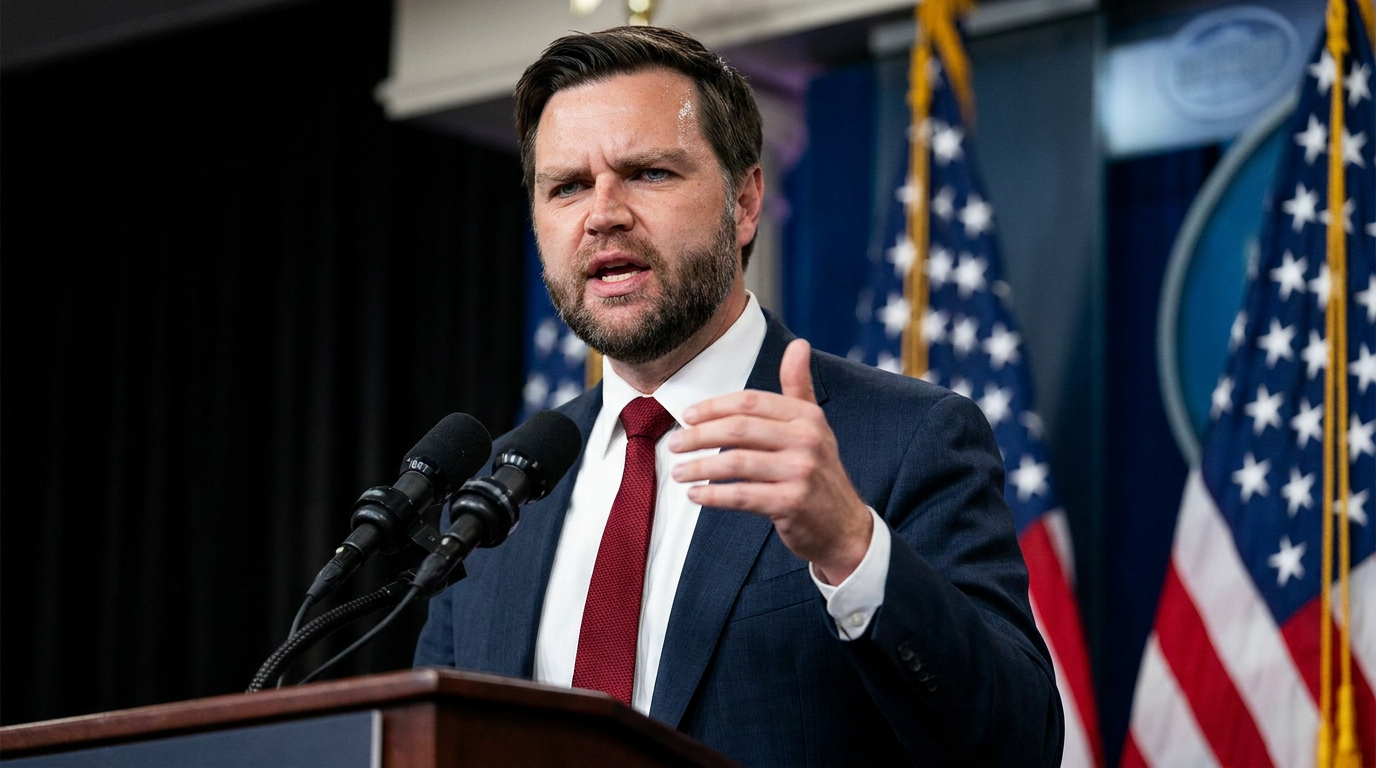
U.S. and Iran Sign Agreement to End War; Vance Lashes Out at Israeli Critics
7 sources
U.S.-Iran Deal
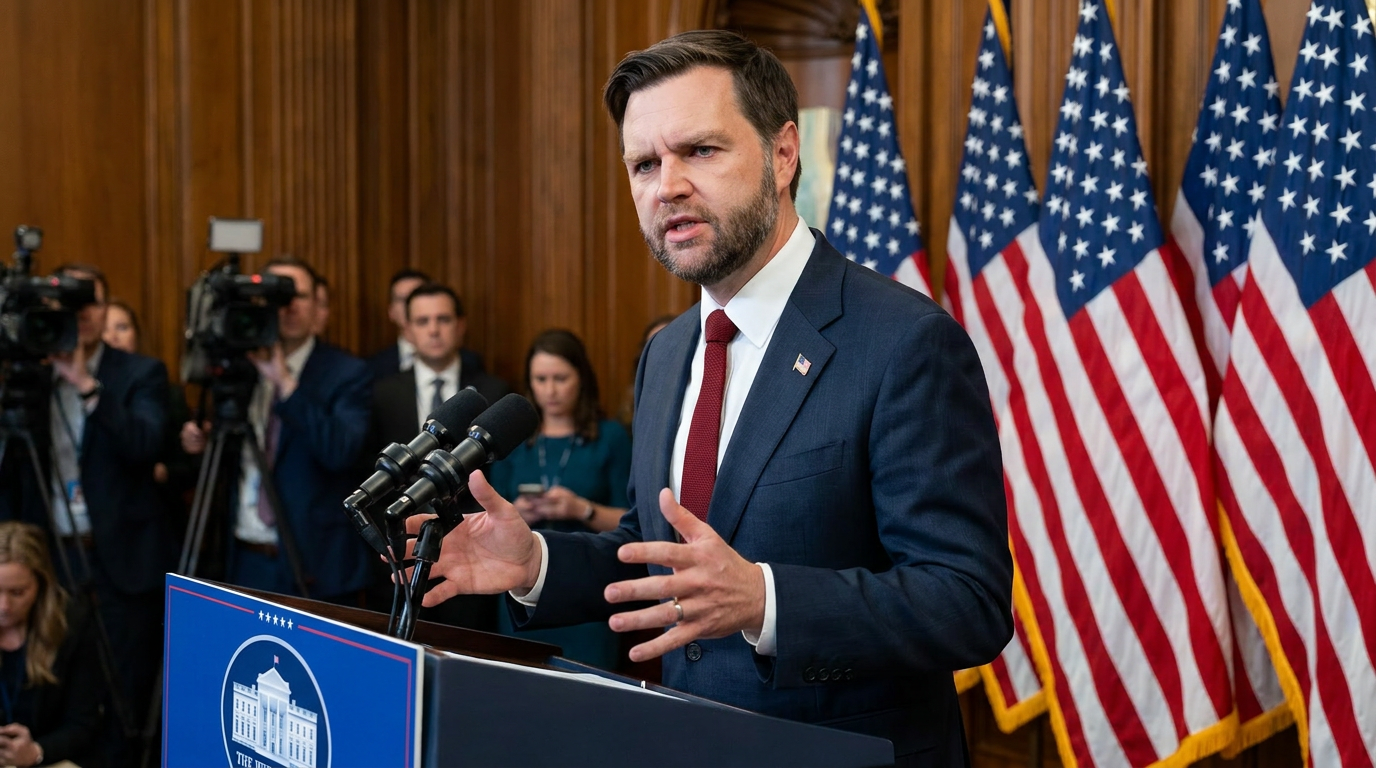
U.S. and Iran Sign 14-Point Agreement to End War, Sparking Fierce Backlash from Israel
6 sources
U.S.-Iran Relations
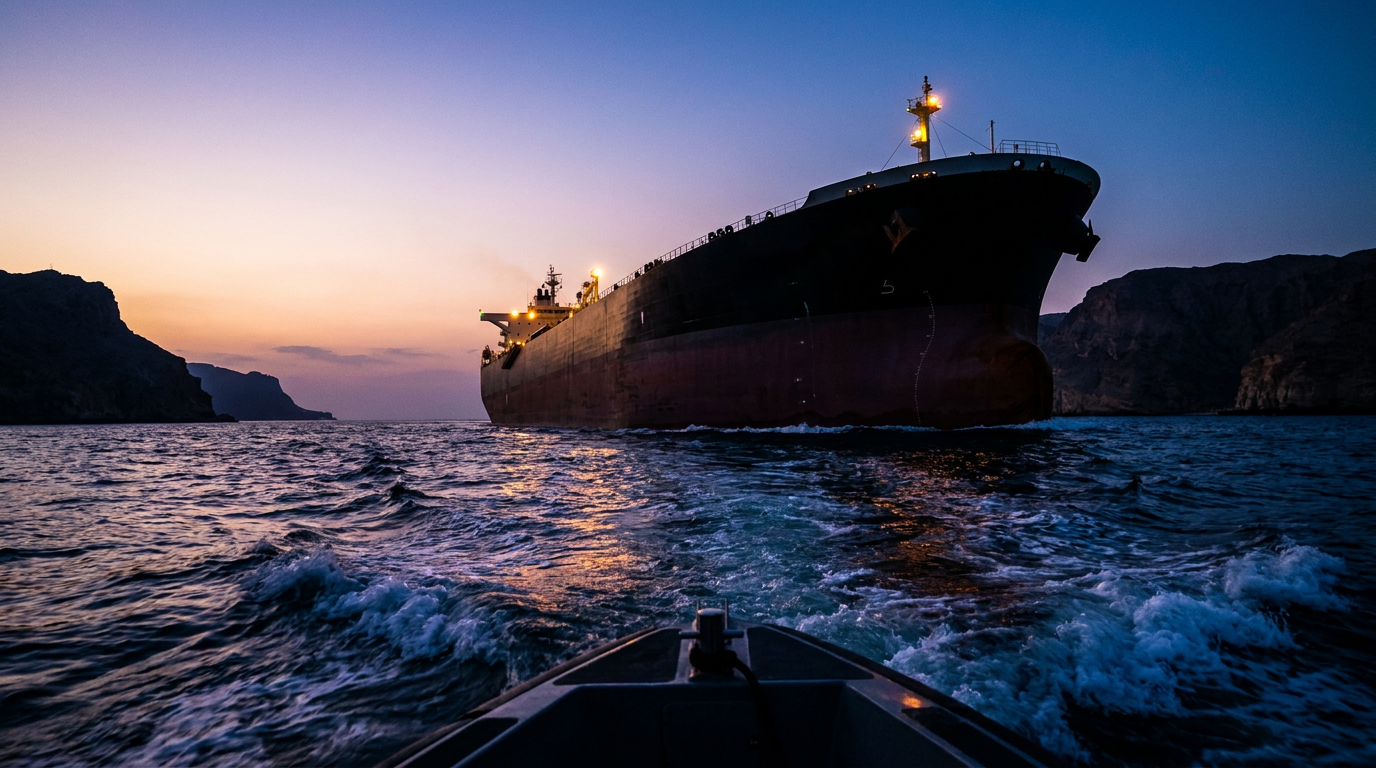
Vance Rebukes Israeli Critics of U.S.-Iran Peace Agreement, Warning Against Alienating 'Only Powerful Ally'
8 sources
Cognitive Defense
The Science of 'Prebunking': How Psychological Inoculation is Defeating Misinformation
6 sources

Every angle. Every day.
Get news politics stories with full source coverage and perspective breakdowns delivered to your inbox.