
U.S. and Iran Reach Ceasefire Deal, Reopening Strait of Hormuz and Easing Global Oil Shock
The United States and Iran have agreed to a ceasefire to end their months-long conflict, paving the way for the reopening of the Strait of Hormuz and the lifting of a U.S. naval blockade. The breakthrough, mediated by Pakistan, immediately sent global oil prices tumbling after weeks of severe economic strain.
By Factlen Editorial Team
- U.S. Administration
- Views the deal as a decisive victory that restores global commerce and forces Iran to the negotiating table on nuclear issues.
- Iranian Government
- Frames the agreement as a successful defense that broke the U.S. naval blockade, though officials remain highly distrustful of Washington.
- Israeli Officials
- Fears the agreement makes too many concessions to Tehran and leaves Israel vulnerable to Iran's regional proxies.
- Economic & Market Analysts
- Focuses on the immediate relief to global supply chains and the sharp drop in energy costs.
What's not represented
- · Lebanese civilians affected by the parallel conflict between Israel and Hezbollah.
- · European nations heavily reliant on Middle Eastern energy imports.
Why this matters
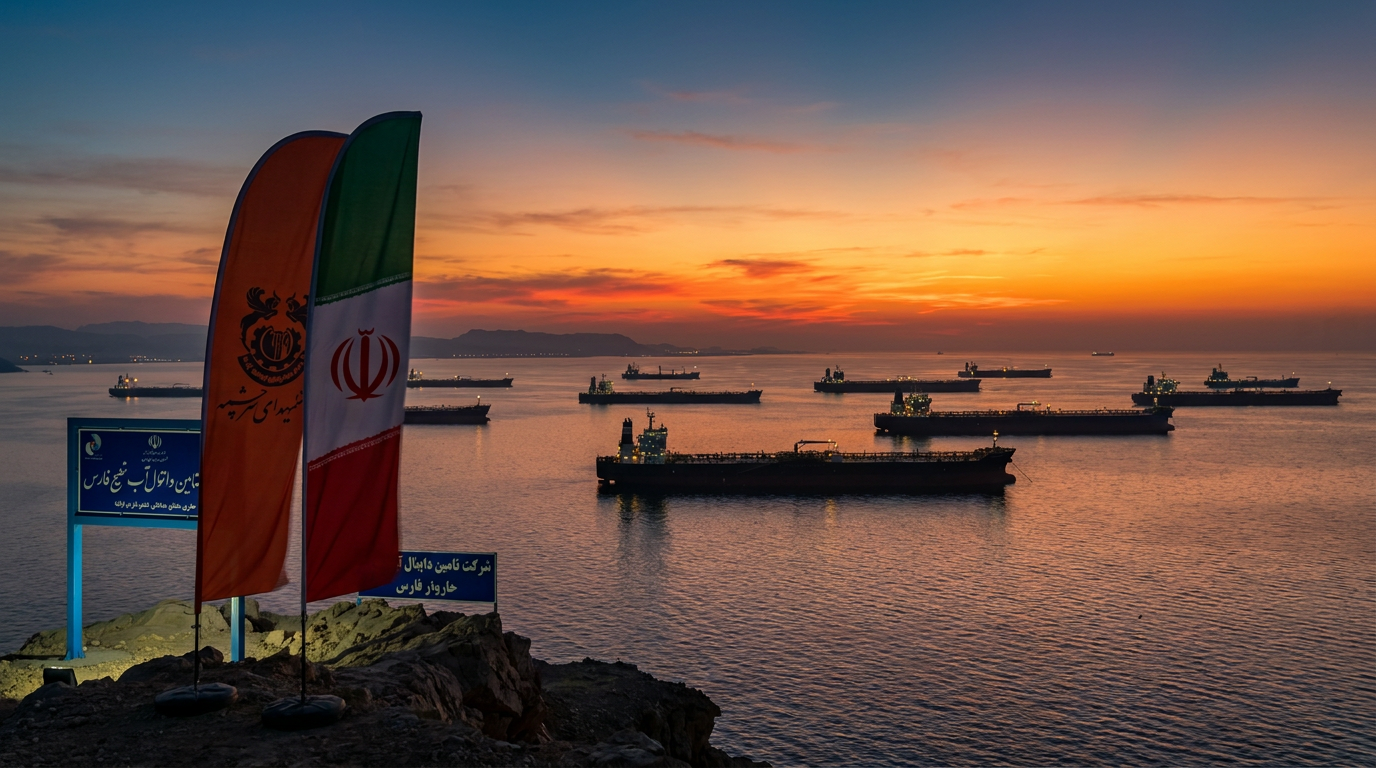
The reopening of the Strait of Hormuz—a crucial artery for 20% of the world's oil—promises immediate relief for global energy markets and consumers who have faced surging fuel costs. The agreement also de-escalates a volatile 15-week war that threatened to engulf the broader Middle East.
Key points
- The U.S. and Iran have agreed to a ceasefire mediated by Pakistan.
- The deal ends the U.S. naval blockade and reopens the Strait of Hormuz to shipping.
- Global oil prices dropped more than 4% immediately following the announcement.
- A formal signing ceremony is scheduled for June 19 in Switzerland.
- The agreement includes a 60-day window to negotiate Iran's nuclear program.
- Israel was largely sidelined from the talks, raising security concerns in Jerusalem.
The United States and Iran have reached a landmark ceasefire agreement to end a devastating 15-week conflict, paving the way for the reopening of the Strait of Hormuz and the lifting of a U.S. naval blockade. The breakthrough promises immediate relief to a global economy battered by surging energy costs, averting a prolonged crisis that had threatened to drag multiple nations into a broader Middle Eastern war. Mediated by Pakistan, the deal marks a sudden de-escalation after months of missile exchanges, maritime standoffs, and frozen trade routes.[1][4]
President Donald Trump announced the finalization of the deal on Sunday, declaring an immediate end to the U.S. naval blockade of Iranian ports that had been in place since April. In a celebratory social media post, Trump authorized the 'toll free opening' of the strategic waterway, adding, 'Ships of the World, start your engines. Let the oil flow!' The administration has framed the agreement as a decisive victory for its 'peace through strength' approach, arguing that the economic pressure of the blockade forced Tehran back to the negotiating table.[2][6]
The agreement was brokered after weeks of intensive, behind-the-scenes mediation by Pakistan, which shuttled proposals between Washington and Tehran. Pakistani Prime Minister Shehbaz Sharif confirmed that both sides had agreed to an 'immediate and permanent termination of military operations on all fronts.' An official signing ceremony is scheduled for Friday, June 19, in Switzerland, where technical teams will begin laying the groundwork for the next phase of diplomacy. Sharif praised the willingness of both nations to step back from the brink of a catastrophic regional war.[4][7]

Iranian officials corroborated the breakthrough, though they maintained a highly cautious and skeptical tone regarding Washington's long-term intentions. Deputy Foreign Minister Kazem Gharibabadi stated that the text of the memorandum of understanding had been finalized, but emphasized to state media that the agreement was drafted in an 'atmosphere of continued distrust.' For Tehran, the immediate priority is the removal of the U.S. naval blockade, which has severely restricted its ability to export oil and import essential goods during the 15-week standoff.[3][5]
The immediate economic impact of the announcement was stark and overwhelmingly positive for global markets. Global oil prices, which had spiked above $100 a barrel at the height of the crisis, tumbled more than 4% within minutes of the news breaking. Brent crude dropped toward $84 a barrel as traders rapidly priced in the return of unimpeded maritime traffic through a vital choke point that handles roughly 20% of the world's liquefied natural gas and oil supply. The sharp drop erases a massive risk premium that had been suffocating global supply chains.[1][9]
The immediate economic impact of the announcement was stark and overwhelmingly positive for global markets.
The conflict originally erupted in late February following U.S. and Israeli strikes on Iranian military infrastructure, prompting Tehran to retaliate by choking off the Strait of Hormuz to commercial shipping. The resulting energy shock drove inflation to a three-year high in the United States, spiked jet fuel prices above $200 a barrel, and forced several nations in Asia to implement emergency energy-saving measures, including shortened workweeks. The reopening of the strait is expected to rapidly ease these inflationary pressures across the globe, providing a much-needed tailwind for central banks attempting to manage economic growth.[5][9]

While the memorandum of understanding halts the immediate violence, it serves primarily as a 60-day extension to facilitate deeper, more complex technical negotiations. The most intractable issue remains Iran's nuclear program, which the Trump administration insists must be dismantled or strictly curtailed as part of any permanent treaty. U.S. officials have indicated that the current ceasefire provides a crucial window to address these core security concerns without the daily threat of maritime skirmishes or ballistic missile exchanges. Failure to reach a consensus within this 60-day period could see a rapid return to hostilities.[7][8]
The deal also reportedly includes a cessation of hostilities in Lebanon between Israel and the Iran-backed militant group Hezbollah, a secondary front that has seen intense fighting over the past three months. However, Israel was largely sidelined during the final stages of the negotiations in Islamabad and Geneva. The exclusion of Israeli diplomats from the core talks has created a significant diplomatic rift, as Jerusalem views the northern border conflict as an existential security threat that cannot be resolved solely through U.S.-Iran bilateral agreements.[5][8]

This exclusion has sparked profound alarm within the Israeli security establishment. Senior Israeli officials warned over the weekend that the reported terms of the agreement could severely endanger Israel's security interests, arguing that Washington may have accepted key Iranian demands without securing adequate guarantees regarding Hezbollah's disarmament. Prime Minister Benjamin Netanyahu is expected to convene his security cabinet to assess the broader implications of the deal and determine Israel's independent military posture moving forward. For Israel, a ceasefire that leaves Iranian proxy forces intact on its borders is viewed as a strategic vulnerability rather than a true peace.[6][8]
Despite these regional anxieties, the primary focus in Washington, Tehran, and global financial capitals remains the immediate restoration of maritime trade. As technical teams prepare for the upcoming summit in Switzerland, the immediate priority is ensuring that the Strait of Hormuz remains open, the naval blockades are fully dismantled, and the fragile truce holds. If successful, the agreement could mark the end of one of the most disruptive geopolitical and economic crises of the decade, offering a blueprint for de-escalation in the Middle East.[1][7]
How we got here
Feb 2026
The U.S. and Israel launch strikes against Iran, triggering the conflict.
Mar 2026
Iran chokes off the Strait of Hormuz, sending global oil prices above $100 a barrel.
Apr 2026
A brief two-week ceasefire collapses, leading the U.S. to impose a naval blockade on Iranian ports.
Jun 14, 2026
The U.S. and Iran announce a comprehensive ceasefire and the reopening of the Strait.
Jun 19, 2026
Official signing ceremony scheduled to take place in Switzerland.
Viewpoints in depth
U.S. Administration's view
The White House views the agreement as a vindication of its maximum pressure strategy.
President Trump and his administration are framing the ceasefire as a massive geopolitical victory. By imposing a strict naval blockade, U.S. officials argue they forced Tehran to the negotiating table on favorable terms. The administration asserts that the 60-day window will be used to construct a 'wall' against any future Iranian nuclear weapons program, ensuring long-term stability without committing to an endless regional war.
Iranian Government's view
Tehran frames the deal as a necessary step to break the U.S. blockade while maintaining deep distrust.
Iranian leadership has presented the agreement to its domestic audience as a successful defense of national sovereignty that ultimately forced the United States to lift its crippling naval blockade. However, officials like Deputy Foreign Minister Kazem Gharibabadi have publicly stressed that the memorandum was signed in an atmosphere of profound distrust. Tehran views the 60-day extension not as a concession, but as a tactical pause to relieve economic pressure while retaining its regional leverage.
Israeli Security Establishment's view
Israeli officials fear the deal sacrifices their security interests for the sake of global economic relief.
Having been largely sidelined during the final negotiations in Islamabad and Geneva, the Israeli security establishment is deeply alarmed by the terms of the ceasefire. Officials argue that by focusing primarily on reopening the Strait of Hormuz, Washington may have failed to secure binding guarantees regarding the disarmament of Hezbollah in Lebanon. For Jerusalem, a peace deal that leaves Iranian proxy forces heavily armed on its northern border is viewed as an unacceptable strategic vulnerability.
Global Energy Markets' view
Financial analysts and energy traders are breathing a sigh of relief as the risk of a prolonged supply shock evaporates.
For global markets, the geopolitical nuances of the deal are secondary to the immediate reopening of the Strait of Hormuz. The 15-week closure had injected a massive risk premium into energy prices, driving inflation and forcing emergency measures worldwide. Analysts note that the rapid 4% drop in crude oil prices reflects profound market relief, as the resumption of unimpeded maritime traffic removes the single largest threat to global economic growth this year.
What we don't know
- Whether Iran will attempt to demand transit tolls for ships passing through the Strait of Hormuz.
- If the 60-day negotiation window will actually yield a permanent agreement on Iran's nuclear program.
- How Israel will respond militarily to the ceasefire provisions regarding Hezbollah in Lebanon.
Key terms
- Strait of Hormuz
- A narrow, strategically vital waterway between the Persian Gulf and the Gulf of Oman through which roughly 20% of the world's oil flows.
- Naval Blockade
- A military operation in which ships are used to prevent vessels from entering or leaving a nation's ports.
- Memorandum of Understanding (MOU)
- A formal agreement between two or more parties that establishes a framework for future, more detailed negotiations.
- Brent Crude
- A major trading classification of sweet light crude oil that serves as a benchmark price for purchases of oil worldwide.
Frequently asked
Why did oil prices drop after the announcement?
The reopening of the Strait of Hormuz ensures that a massive bottleneck in global oil supply has been cleared, erasing the 'risk premium' that had driven prices up during the conflict.
Is the war completely over?
The current deal is a ceasefire and a memorandum of understanding. It halts military operations and reopens trade, but leaves complex issues like Iran's nuclear program for future negotiations.
What role did Pakistan play?
Pakistan acted as the primary neutral mediator between Washington and Tehran, shuttling proposals and ultimately brokering the finalized text.
Sources
Source coverage
9 outlets
4 viewpoints surfaced









[1]AxiosEconomic & Market Analysts
Oil prices fall on US, Iran deal announcement
Read on Axios →[2]The New York TimesU.S. Administration
Trump Claims Strait Will be 'Permanently Toll Free' Under Agreement With Iran
Read on The New York Times →[3]Al JazeeraIranian Government
US-Iran ceasefire deal announced, Trump says Strait of Hormuz reopening
Read on Al Jazeera →[4]NPRU.S. Administration
The U.S. and Iran announce a deal to end the war
Read on NPR →[5]The GuardianIranian Government
US-Israel war on Iran: Peace deal between US and Iran, with strait of Hormuz to reopen
Read on The Guardian →[6]Fox NewsU.S. Administration
Trump says US-Iran deal will be signed on Sunday, with Strait of Hormuz to reopen
Read on Fox News →[7]ForbesEconomic & Market Analysts
U.S. Reaches Peace Deal With Iran, Trump Says
Read on Forbes →[8]The Times of IsraelIsraeli Officials
Trump confirms US-Iran deal 'complete,' says Strait of Hormuz to open, US blockade to end
Read on The Times of Israel →[9]Business InsiderEconomic & Market Analysts
Oil slumps as Trump says Iran deal agreed and Hormuz to reopen
Read on Business Insider →
More in news politics
See all 9 stories →US-Iran Deal
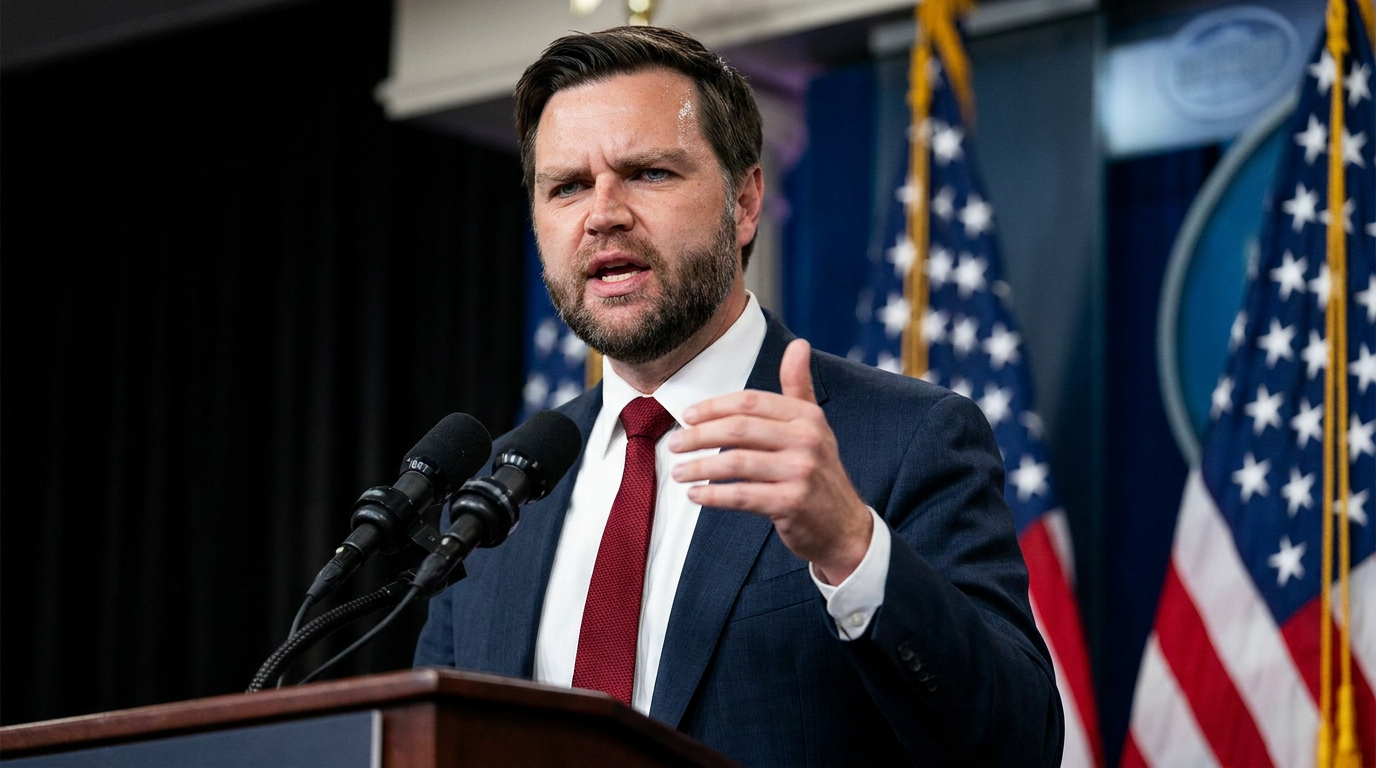
U.S. and Iran Sign Agreement to End War; Vance Lashes Out at Israeli Critics
7 sources
U.S.-Iran Deal
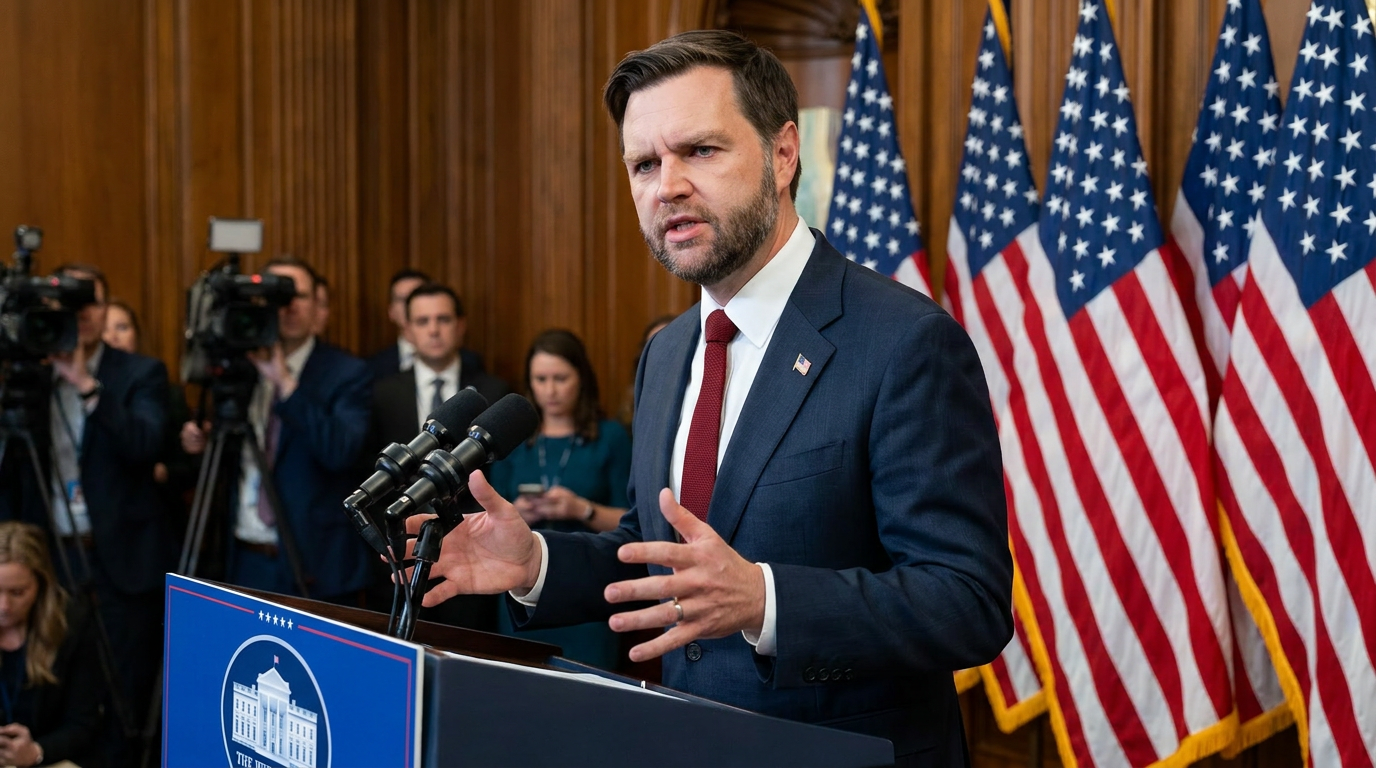
U.S. and Iran Sign 14-Point Agreement to End War, Sparking Fierce Backlash from Israel
6 sources
U.S.-Iran Relations
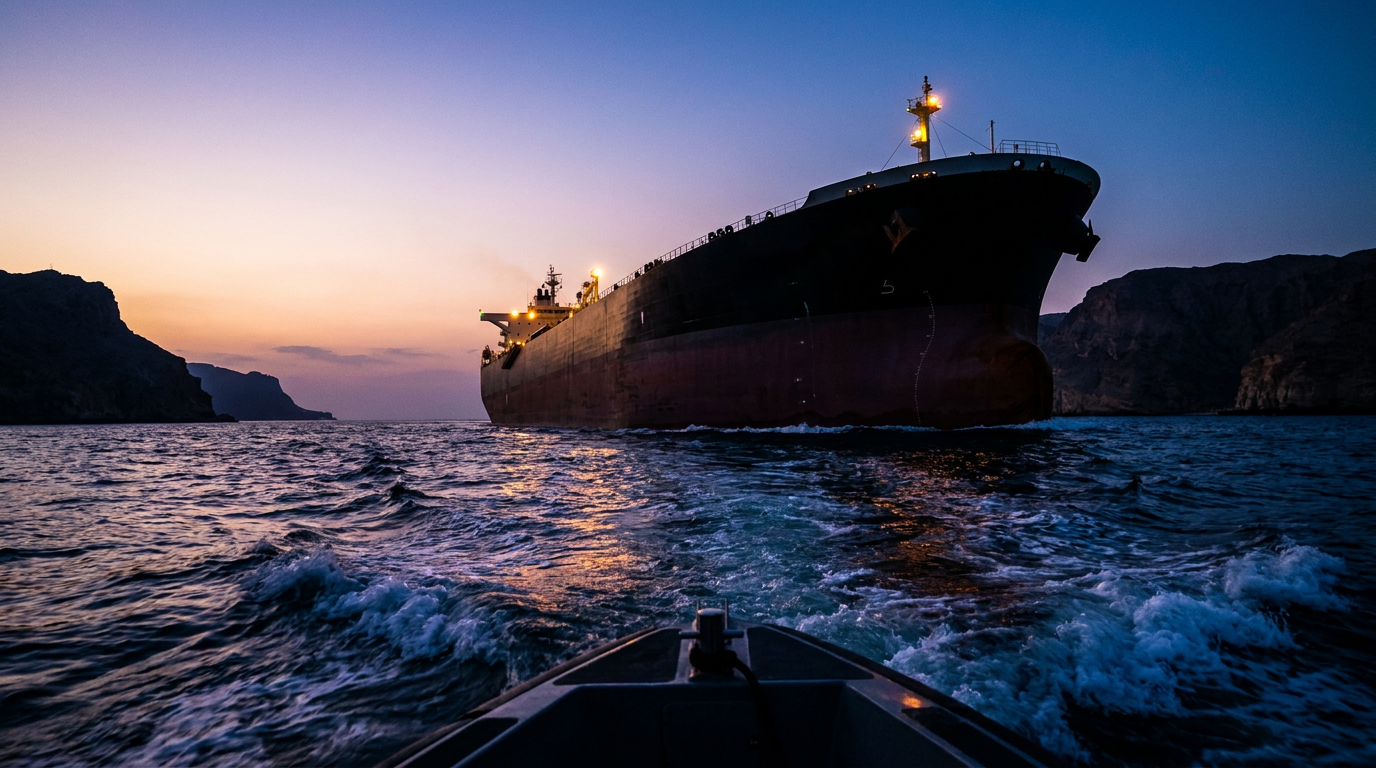
Vance Rebukes Israeli Critics of U.S.-Iran Peace Agreement, Warning Against Alienating 'Only Powerful Ally'
8 sources
Cognitive Defense
The Science of 'Prebunking': How Psychological Inoculation is Defeating Misinformation
6 sources

Every angle. Every day.
Get news politics stories with full source coverage and perspective breakdowns delivered to your inbox.