
U.S. and Iran Near Historic Peace Deal as Tehran Pushes Back on Sunday Signing Deadline
President Trump and Pakistani mediators announced an imminent agreement to end the 100-day war and reopen the Strait of Hormuz, though Iranian officials caution that final technical details remain unresolved.
By Factlen Editorial Team
- U.S. Administration
- Frames the agreement as a definitive victory that neutralizes Iran's nuclear threat and secures global shipping lanes.
- Iranian Pragmatists
- Views the deal as a necessary framework to lift crippling blockades, but insists on cautious pacing and denies surrendering nuclear rights.
- Iranian Hardliners
- Opposes the deal entirely, viewing the concessions as a surrender of Iran's primary strategic deterrence.
- Regional Mediators
- Focused on immediate de-escalation and economic stability, pushing both sides to finalize the agreement to prevent wider regional collapse.
What's not represented
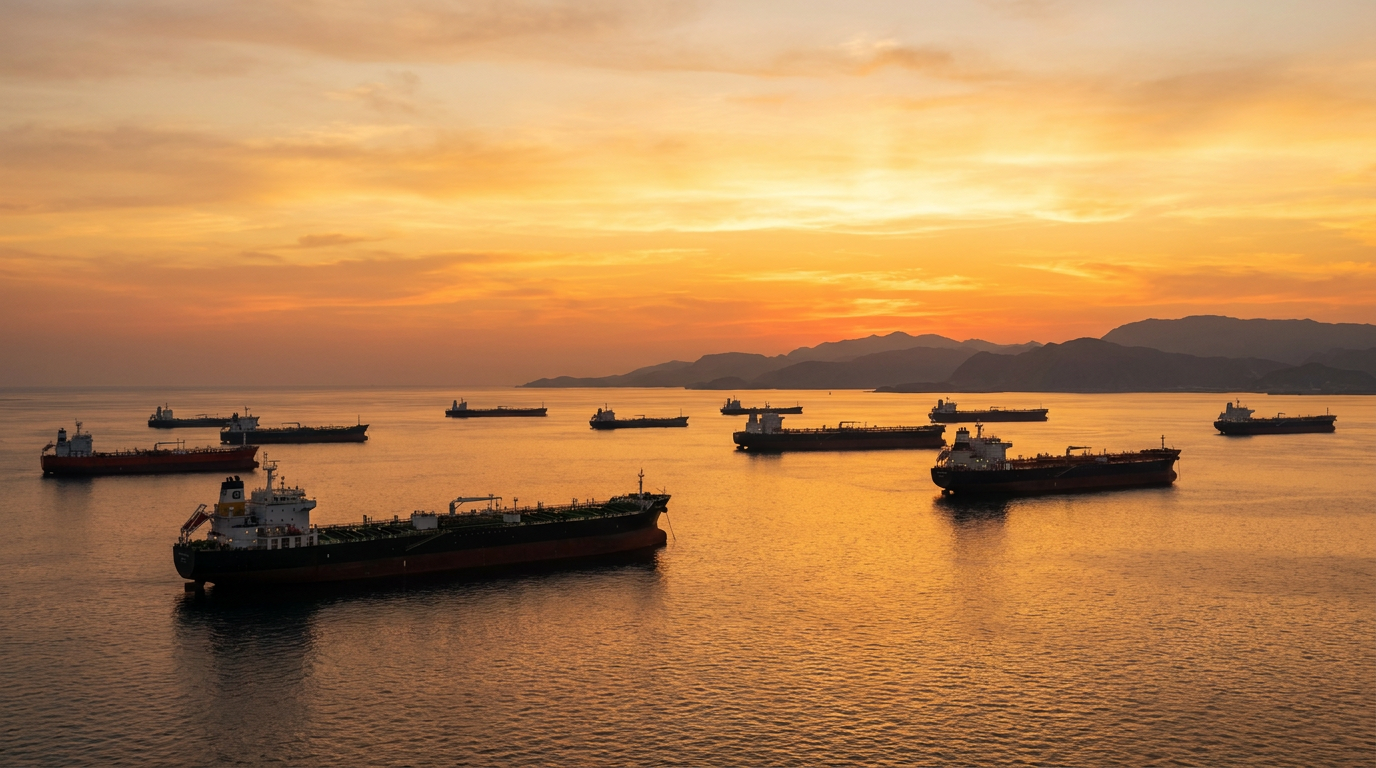
- · Global shipping companies affected by the blockade
- · Israeli government officials monitoring the ceasefire
Why this matters
A finalized peace agreement would end a devastating 100-day war, immediately reopening the Strait of Hormuz to stabilize global oil prices and lifting the U.S. naval blockade on Iran.
Key points
- U.S. President Donald Trump and Pakistani Prime Minister Shehbaz Sharif announced a peace deal is expected to be signed Sunday.
- The agreement aims to end a 100-day conflict, reopen the Strait of Hormuz, and lift the U.S. naval blockade on Iranian ports.
- Iranian Foreign Ministry officials denied that a final signing will occur on Sunday, calling the current text a framework for further talks.
- The proposed deal includes a 60-day ceasefire extension to negotiate the dismantling of Iran's nuclear program and the transfer of enriched uranium.
After more than a hundred days of devastating conflict that has rattled global energy markets and reshaped Middle Eastern geopolitics, the United States and Iran appear to be on the precipice of a historic peace agreement. On Saturday, U.S. President Donald Trump and Pakistani Prime Minister Shehbaz Sharif—the primary mediator in the talks—announced that a comprehensive deal to end the war is expected to be signed on Sunday. The proposed "Islamabad Memorandum of Understanding" aims to extend a fragile April ceasefire, lift crippling blockades, and establish a framework for dismantling Iran's nuclear ambitions. "The Deal is scheduled to get signed tomorrow, and immediately after it is signed, the Hormuz Strait is OPEN TO ALL," Trump declared on social media, signaling an end to the maritime standoff that has choked international shipping.[1][2][5]
Despite the optimism radiating from Washington and Islamabad, officials in Tehran have forcefully pushed back against the Sunday timeline, exposing the fragile and highly contested nature of the final negotiations. Iranian Foreign Ministry spokesperson Esmaeil Baghaei denied that any signing would take place on Sunday, attributing the delay to "the other side's hesitation" and warning against premature celebrations. Baghaei emphasized that any memorandum signed in the coming days would merely serve as a framework for continuing technical talks, rather than a definitive final treaty. State-run media in Iran echoed this caution, criticizing what they described as Trump's "unusual insistence" on a Sunday signing and suggesting the timeline was politically motivated.[3][5][6]
The conflict, which erupted in late February 2026 following sweeping U.S. and Israeli strikes on Iranian military and political leadership, has been one of the most intense regional conflagrations in modern history. The strikes reportedly resulted in the death of Supreme Leader Ali Khamenei, plunging the region into a volatile spiral of retaliatory missile barrages and drone warfare. The ensuing violence prompted Iran to heavily restrict access to the Strait of Hormuz—a vital maritime chokepoint through which a significant portion of the world's oil flows—while the U.S. imposed a strict naval blockade on Iranian ports. The economic fallout has been severe, making the reopening of these waterways the most urgent priority for international mediators.[3][5]

According to U.S. officials briefing reporters, the emerging agreement accomplishes several core strategic objectives for Washington. Beyond the immediate reopening of the Strait of Hormuz, the deal extends the current ceasefire by 60 days to allow for intensive technical discussions regarding Iran's nuclear infrastructure. U.S. negotiators claim the framework will ultimately lead to the dismantling of the Iranian nuclear program, the transfer of Tehran's enriched uranium stockpile to the United States, and the implementation of a rigorous new inspection regime. Trump publicly championed these terms, stating that under the new agreement, Iran "no longer wants a Nuclear Weapon, nor will they have one."[2][4][5]
officials briefing reporters, the emerging agreement accomplishes several core strategic objectives for Washington.
However, the Iranian framing of the concessions differs starkly from the narrative presented by the White House. Iranian Foreign Minister Abbas Araghchi has defended the emerging deal primarily as a necessary mechanism to lift the suffocating U.S. naval blockade on Iranian ports, which was imposed in response to Tehran's actions in the Strait of Hormuz. While acknowledging that the administration of the strait "will no longer be the same as before," Iranian state media, including the official Islamic Republic News Agency, insists that Tehran will never surrender its fundamental right to enrich uranium. Iranian officials maintain that the upcoming 60-day technical talks will be negotiated strictly within the boundaries of the Islamic Republic's core principles.[4][5]
The prospect of these concessions has ignited fierce domestic backlash within Iran, threatening to derail the consensus required to finalize the agreement. On Saturday, dozens of hardline protesters gathered outside a foreign ministry office in the northeastern city of Mashhad, chanting slogans against Foreign Minister Araghchi and labeling him an "infiltrator." Factions aligned with the Islamic Revolutionary Guard Corps argue that the negotiators have capitulated to American demands, warning that relinquishing control over the Strait of Hormuz deprives Tehran of its most potent asymmetric deterrent. This internal friction underscores the delicate balancing act Iranian pragmatists face as they attempt to secure economic relief without appearing to surrender national sovereignty.[4]

The diplomatic breakthrough, regardless of its final signing date, represents a massive geopolitical victory for Pakistan, which has emerged as an unexpected but highly effective mediator. Capitalizing on its unique position—maintaining deep military ties with the U.S. while sharing a border and historical diplomatic channels with Iran—Islamabad has hosted multiple rounds of back-channel and direct talks since April. Prime Minister Sharif has personally invested immense political capital into the process, announcing on Friday that an "agreed upon text" had finally been reached. The successful mediation not only elevates Pakistan's standing on the global stage but also secures vital economic stability for a nation deeply vulnerable to the energy shocks caused by the conflict.[3][7]
As the world waits to see if the Islamabad Memorandum will be electronically signed this weekend, the reality on the ground remains tense. Just hours before the diplomatic announcements, U.S. Central Command reported shooting down multiple Iranian attack drones attempting to strike commercial vessels in the Strait of Hormuz, a stark reminder of the conflict's ongoing volatility. If the deal is finalized, it will immediately transition into a grueling 60-day period of technical negotiations, testing whether the broad political commitments made in Islamabad can survive the granular disputes over uranium stockpiles and naval access. For now, the international community watches closely, hoping that the framework holds long enough to permanently close this devastating chapter of regional warfare.[3][4][5]

How we got here
Feb 28, 2026
U.S. and Israel launch major military strikes against Iran's political and military leadership.
April 2026
A fragile ceasefire is declared, and Pakistan begins hosting U.S.-Iran talks in Islamabad.
June 12, 2026
Pakistani PM Shehbaz Sharif announces an "agreed upon text" for a peace deal has been reached.
June 13, 2026
President Trump announces the deal will be signed Sunday, while Iranian officials push back on the exact timing.
Viewpoints in depth
U.S. Administration's view
Frames the Islamabad Memorandum as a definitive victory that neutralizes Iran's nuclear threat and secures global shipping.
President Trump and senior U.S. officials view the proposed agreement as a total strategic success that achieves long-standing American security goals. By securing the immediate reopening of the Strait of Hormuz, the administration claims to have stabilized global energy markets while simultaneously forcing Tehran to the negotiating table. U.S. negotiators emphasize that the 60-day technical talks will result in the dismantling of Iran's nuclear infrastructure and the physical transfer of its enriched uranium stockpile to the United States, framing these concessions as non-negotiable pillars of the peace framework.
Iranian Pragmatists' view
Views the deal as a necessary mechanism to lift crippling blockades without surrendering fundamental national rights.
Led by figures like Foreign Minister Abbas Araghchi, this camp approaches the negotiations with cautious pragmatism. Their primary objective is to lift the suffocating U.S. naval blockade on Iranian ports, which has severely damaged the nation's economy. However, they vehemently deny that the Sunday signing represents a final capitulation. Instead, they frame the Islamabad Memorandum as a preliminary framework for continued dialogue, insisting that Tehran will never surrender its fundamental right to enrich uranium and that any future technical talks will be conducted strictly on Iran's terms.
Iranian Hardliners' view
Fiercely opposes the agreement, arguing that relinquishing control over the Strait of Hormuz strips Tehran of its most potent asymmetric weapon.
Factions aligned with the Islamic Revolutionary Guard Corps (IRGC) view the ongoing negotiations in Islamabad as a dangerous capitulation to American pressure. They argue that the Strait of Hormuz is Iran's primary strategic deterrent, and that trading control of the waterway for temporary economic relief leaves the country vulnerable to future attacks. Protests in cities like Mashhad reflect a deep-seated belief among hardliners that the diplomatic corps is trading away fundamental national security, and they are actively working to block the final approval of the deal within Iran's complex political system.
Islamabad's view
Highly motivated to finalize the agreement to prevent a wider regional conflict and secure its own economic stability.
For Pakistan, successfully mediating the end of a catastrophic regional war is both a diplomatic triumph and an economic necessity. Prime Minister Shehbaz Sharif's government has leveraged its unique position—maintaining strong military ties with Washington while sharing a border with Iran—to keep both sides at the negotiating table. Beyond the prestige of hosting the talks, Islamabad is deeply vulnerable to the energy shocks caused by the conflict. Pakistani officials are therefore pushing aggressively to finalize the "agreed upon text," hoping to lock in a permanent ceasefire before internal politics in either Washington or Tehran can derail the progress.
What we don't know
- Whether Iranian hardliners will successfully block the final approval of the agreement within Tehran's complex political system.
- The exact technical mechanisms that will be used to transfer Iran's enriched uranium stockpile to the United States.
- How quickly global oil markets will stabilize once the Strait of Hormuz is officially reopened to all commercial traffic.
Key terms
- Strait of Hormuz
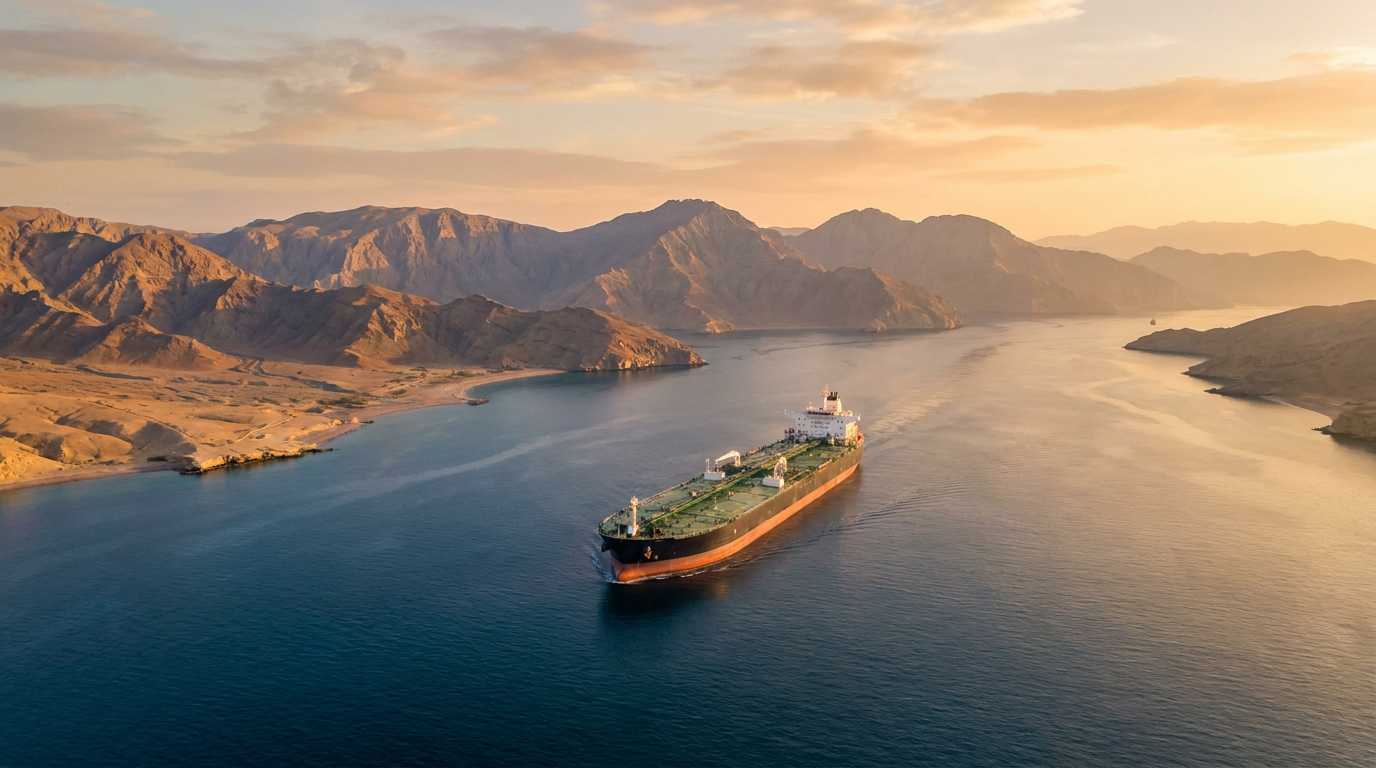
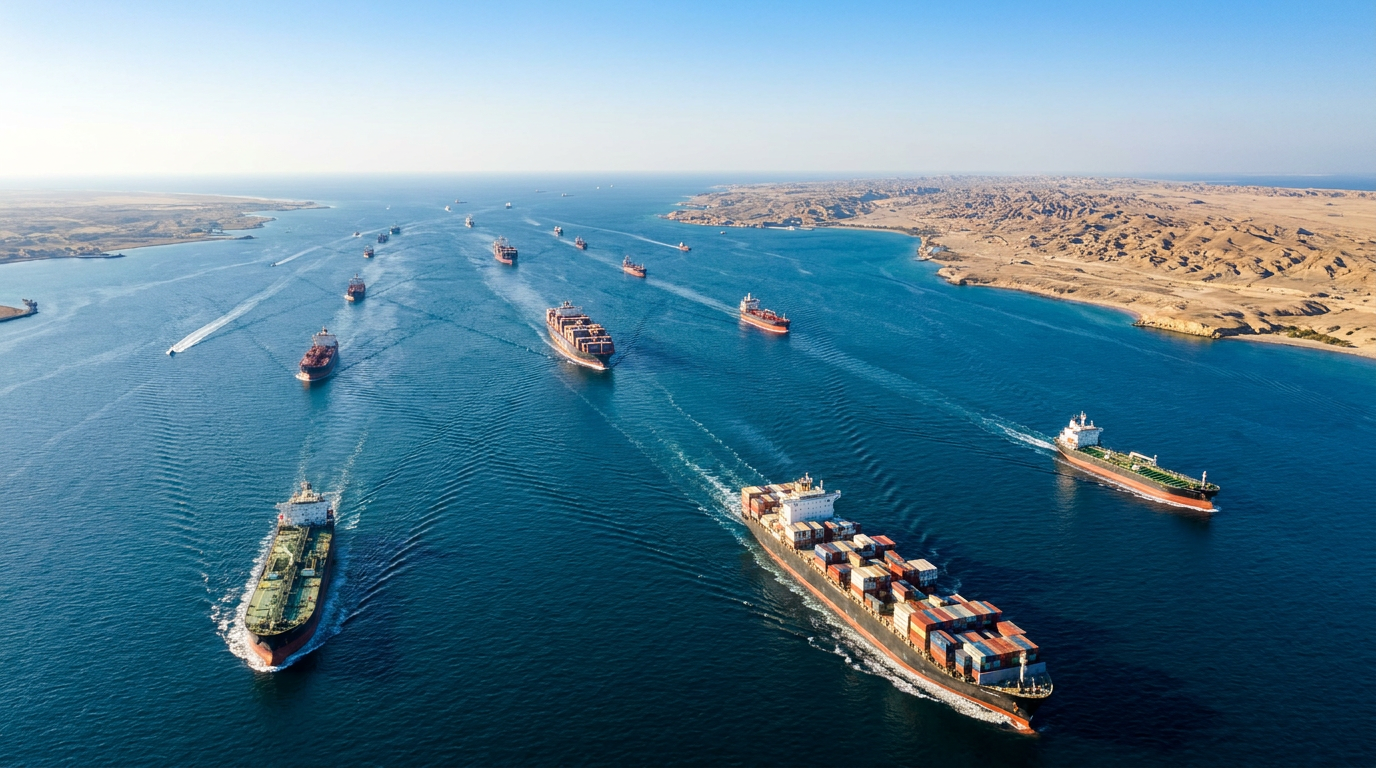
- A vital maritime chokepoint between the Persian Gulf and the Gulf of Oman, through which a significant portion of the world's oil flows.
- Islamabad Memorandum
- The working title for the proposed U.S.-Iran peace framework, named after the Pakistani capital where negotiations took place.
- Enriched Uranium
- A type of uranium in which the percent composition of uranium-235 has been increased, which can be used for both civilian nuclear power and nuclear weapons.
Frequently asked
When did the U.S.-Iran war begin?
The conflict escalated sharply in late February 2026 following U.S. and Israeli strikes on Iranian leadership and military infrastructure.
What is Pakistan's role in the negotiations?
Pakistan has acted as the primary mediator, hosting back-channel and direct talks in Islamabad since a fragile ceasefire was reached in April.
Will the Strait of Hormuz reopen?
Yes, reopening the vital oil shipping route is a central pillar of the proposed agreement, alongside lifting the U.S. naval blockade on Iranian ports.
Is Iran giving up its nuclear program?
U.S. officials claim the deal will dismantle the program and transfer enriched uranium to the U.S., but Iranian state media insists Tehran will not surrender its right to enrich uranium.
Sources
Source coverage
7 outlets
4 viewpoints surfaced







[1]NPRIranian Pragmatists
Trump says deal to end Iran war will be signed Sunday, as Iran disagrees on timing
Read on NPR →[2]ForbesU.S. Administration
U.S.-Iran Peace Deal Expected To Be Signed Sunday, Trump Says
Read on Forbes →[3]The Washington PostU.S. Administration
U.S. and Iran close to signing ceasefire deal, officials say
Read on The Washington Post →[4]CBS NewsIranian Hardliners
Live Updates: U.S.-Iran peace deal to be signed Sunday, Trump says
Read on CBS News →[5]ReutersIranian Pragmatists
Pakistan claims US-Iran deal to be signed within 24 hours; Tehran pushes back
Read on Reuters →[6]China DailyIranian Pragmatists
Trump says US-Iran peace deal to be signed Sunday
Read on China Daily →[7]International Crisis GroupRegional Mediators
Pakistan: A New Player in the Quest for a U.S.-Iran Breakthrough
Read on International Crisis Group →

Every angle. Every day.
Get news politics stories with full source coverage and perspective breakdowns delivered to your inbox.