
U.S. and Iran Announce Imminent Peace Deal, Reopening Strait of Hormuz
President Trump and Iranian officials have confirmed plans to sign a peace agreement this Friday, ending hostilities and lifting the naval blockade on the critical Strait of Hormuz. The announcement triggered an immediate drop in global oil prices and a rally in international stock markets, though lawmakers are demanding clarity on the deal's final terms.
By Factlen Editorial Team
- U.S. Administration & Allies
- Views the agreement as a major diplomatic victory that secures American economic interests and avoids prolonged conflict.
- Congressional Skeptics
- Demands transparency on the deal's terms, fearing that lifting the blockade may have required dangerous security concessions.
- Middle Eastern Observers
- Watches the bilateral pact warily, concerned about how a U.S.-Iran accommodation will impact localized security and proxy conflicts.
- Market & Economic Analysts
- Focuses purely on the restoration of global supply chains and the immediate reduction of geopolitical risk premiums on energy.
What's not represented
- · Commercial shipping conglomerates
- · Marine insurance underwriters
Why this matters
The reopening of the Strait of Hormuz removes a massive choke point for global energy supplies, immediately lowering fuel costs and easing inflationary pressures worldwide. However, the sudden diplomatic shift fundamentally reorders Middle Eastern security alliances, leaving regional partners and U.S. lawmakers scrambling to understand the concessions made by both sides.
Key points
- The U.S. and Iran have announced plans to sign a peace agreement this Friday.
- The deal will officially end hostilities and lift the naval blockade on the Strait of Hormuz.
- Global oil prices plummeted and stock markets rallied in response to the announcement.
- U.S. lawmakers are demanding clarity on the unpublished terms and potential concessions.
- Regional allies in the Middle East remain skeptical about the long-term viability of the pact.
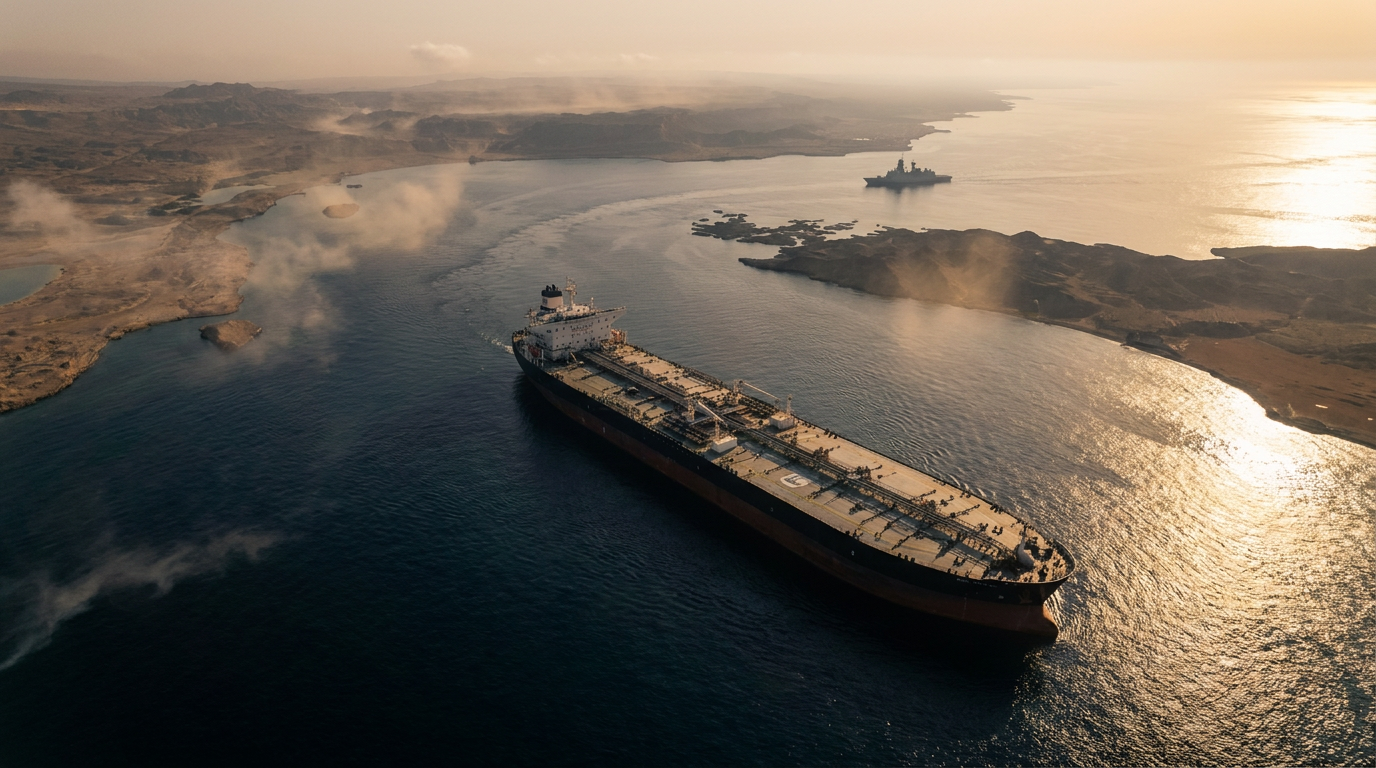
In a sudden diplomatic breakthrough that sent immediate shockwaves through global energy markets, the United States and Iran have announced plans to sign a comprehensive peace agreement this Friday. The deal is set to formally end ongoing hostilities and authorize the immediate reopening of the Strait of Hormuz, a critical maritime chokepoint that has been severely restricted by a naval blockade. President Trump heralded the agreement in a late-night statement, declaring an end to the standoff and promising that the free flow of international shipping would resume by the weekend.[1][2]
Iranian officials in Tehran quickly corroborated the timeline, confirming that a memorandum of understanding is being finalized to formally cease military posturing in the region. The synchronized announcements mark a dramatic de-escalation after months of heightened tensions that had effectively choked off one of the world's most vital energy arteries. Diplomats from both nations are now reportedly working around the clock to finalize the technical language of the text ahead of the scheduled Friday signing ceremony.[2][8]
The economic reaction was instantaneous and profound. Crude oil futures, which had already begun to slide late last week on rumors of back-channel negotiations, plummeted further as trading opened on Monday. Brent crude saw a sharp drop as traders priced in the imminent return of millions of barrels of daily supply that had been trapped or rerouted due to the blockade. Energy analysts noted that the removal of the geopolitical risk premium could stabilize fuel prices globally heading into the summer months.[3][5][6]

Beyond the commodities market, broader financial indices surged in response to the news. Asian stock markets rallied significantly, and U.S. futures pointed to a strong open, driven by investor relief that a prolonged military conflict and an enduring energy crisis appear to have been averted. The prospect of normalized shipping routes through the Persian Gulf is expected to lower freight costs and ease inflationary pressures that have weighed on central banks worldwide.[5][6]
The strategic importance of the Strait of Hormuz cannot be overstated. At its narrowest point, the waterway is just 21 miles wide, yet it accommodates roughly a fifth of the world's total oil consumption. The recent naval blockade had forced international shipping conglomerates to take massive detours or halt operations entirely, creating a logistical bottleneck that threatened to trigger a global recession if left unresolved. The agreement to lift the blockade is viewed as the cornerstone of the impending Friday pact.[1][3][5]
The strategic importance of the Strait of Hormuz cannot be overstated.
Domestically, the political reaction in the United States has been deeply polarized. Allies of the Trump administration immediately cheered the announcement, framing it as a masterclass in high-stakes negotiation and a fulfillment of promises to avoid protracted foreign wars while securing American economic interests. Supporters pointed to the immediate drop in oil prices as tangible proof that the administration's leverage-heavy approach to Tehran had yielded concrete dividends for American consumers.[1][4]
Conversely, Democratic lawmakers and national security hawks have raised urgent questions about the specifics of the arrangement. With no official terms yet released to the public or to congressional oversight committees, critics are demanding clarity on what concessions Washington may have offered to secure Iran's cooperation. Lawmakers have expressed concern over whether the deal addresses Iran's nuclear enrichment capabilities or its support for regional proxy groups, warning that a narrow focus on maritime shipping might leave broader security threats unmitigated.[2][4][8]

The regional context surrounding the sudden breakthrough remains highly complex. The announcement comes just days after a significant Israeli military strike in Beirut, an event that some diplomatic observers claim may have accelerated the timeline for the U.S.-Iran negotiations. Analysts suggest that the escalating violence in the Levant may have pushed both Washington and Tehran to lock in a bilateral de-escalation before the broader regional conflict could spiral out of control.[2][7]
Despite the optimism in financial capitals, skepticism runs deep in the Middle East. In Lebanon and Israel, officials and citizens are watching the developments warily. Many regional observers doubt that a single memorandum signed on Friday will be sufficient to untangle decades of entrenched proxy conflicts. There is a palpable fear among U.S. allies in the region that a rapid bilateral accommodation between Washington and Tehran might come at the expense of their own localized security architectures.[2][7]
Veteran diplomats have also injected a note of caution into the proceedings, warning that in high-stakes Middle Eastern diplomacy, nothing is truly finalized until the ink is dry. While the political will to sign the agreement on Friday appears strong on both sides, the logistical realities of verifying the withdrawal of naval assets and establishing new rules of engagement in the Strait of Hormuz will require meticulous coordination to prevent accidental skirmishes during the transition period.[8]

Military officials are already beginning to draft the operational protocols necessary to safely reopen the shipping lanes. This will involve sweeping the strait for potential hazards, re-establishing commercial communication channels, and coordinating the withdrawal of the various naval flotillas that have been enforcing the blockade. Shipping insurers will also need to reassess their risk models before authorizing commercial tankers to resume normal transit schedules.[1][5]
As Friday approaches, the world's attention is squarely focused on the exact text of the impending memorandum. If successful, the agreement will not only reshape the immediate economic landscape by letting the oil flow, but it will also fundamentally alter the geopolitical calculus of the Middle East for years to come. Until the terms are published and the naval blockades are visibly dismantled, however, both markets and militaries remain in a state of high-alert anticipation.[1][2][8]
How we got here
Early 2026
A naval blockade is established in the Strait of Hormuz, severely restricting global oil shipments.
June 13, 2026
An Israeli military strike in Beirut escalates regional tensions, reportedly accelerating back-channel negotiations.
June 14, 2026
Crude oil futures begin to slide as rumors of an imminent U.S.-Iran diplomatic breakthrough circulate.
June 15, 2026
President Trump and Iranian officials publicly confirm plans to sign a peace deal and reopen the strait.
June 19, 2026
The scheduled date for the formal signing of the memorandum of understanding.
Viewpoints in depth
U.S. Administration's View
Frames the agreement as a triumph of leverage-based diplomacy that secures American economic interests.
Allies of the administration argue that the aggressive posturing and willingness to engage in high-stakes brinkmanship forced Tehran to the negotiating table. By securing the reopening of the Strait of Hormuz without committing U.S. ground forces to a protracted conflict, supporters view the deal as a fulfillment of promises to prioritize domestic economic stability—evidenced by the immediate drop in oil prices—while avoiding endless foreign entanglements.
Congressional Skeptics' View
Demands transparency on the specific terms, fearing that the administration may have conceded too much for a quick win.
Lawmakers on both sides of the aisle, particularly national security hawks and Democratic leaders, are deeply concerned by the lack of published details. They argue that a narrow agreement focused solely on maritime shipping might ignore broader, systemic threats, such as Iran's nuclear enrichment program or its funding of regional proxy militias. These skeptics warn that lifting the blockade without comprehensive security guarantees could ultimately embolden Tehran in the long run.
Regional Allies' View
Watches the bilateral U.S.-Iran accommodation warily, concerned about the impact on localized security dynamics.
In nations like Israel and Lebanon, the sudden announcement has been met with profound skepticism. Regional leaders fear that a rapid de-escalation between Washington and Tehran might come at the expense of their own security architectures. There is a prevailing anxiety that if the U.S. pivots away from the region following the deal, Iran will be left with a freer hand to exert influence through its network of proxy forces across the Levant and the Arabian Peninsula.
What we don't know
- The specific concessions made by either the United States or Iran to secure the agreement.
- Whether the deal includes provisions addressing Iran's nuclear program or regional proxy networks.
- The exact timeline for the physical withdrawal of naval forces from the Strait of Hormuz.
Key terms
- Strait of Hormuz
- A vital maritime chokepoint between the Persian Gulf and the Gulf of Oman, through which roughly 20 percent of the world's oil consumption passes.
- Brent Crude
- A major trading classification of sweet light crude oil that serves as a benchmark price for purchases worldwide.
- Naval Blockade
- The use of naval forces to cut off a specific area, preventing commercial or military vessels from entering or leaving.
Frequently asked
When will the Strait of Hormuz officially reopen?
President Trump indicated that the naval blockade will be lifted and normal shipping will resume following the formal signing of the agreement on Friday.
What are the specific terms of the peace deal?
Official terms have not yet been released to the public. The lack of published details has prompted U.S. lawmakers and regional allies to demand clarity on what concessions were made.
How did the stock market and oil prices react?
Global stock markets surged and crude oil futures dropped significantly as traders priced in the return of stable energy supplies and the avoidance of a broader military conflict.
Sources
Source coverage
8 outlets
4 viewpoints surfaced








[1]Fox NewsU.S. Administration & Allies
Trump announces peace deal with Iran, declares Strait of Hormuz will reopen: 'Let the oil flow!'
Read on Fox News →[2]Al JazeeraMiddle Eastern Observers
US-Iran to sign a ‘peace deal’ on Friday: What we know so far
Read on Al Jazeera →[3]NPRMarket & Economic Analysts
Crude oil futures drop after Trump promises an Iran deal will be signed Friday
Read on NPR →[4]The New York TimesCongressional Skeptics
Democrats Demand Terms of Sudden U.S.-Iran Cease-Fire Announcement
Read on The New York Times →[5]ReutersMarket & Economic Analysts
Global markets rally, Brent crude slides on U.S.-Iran Strait of Hormuz breakthrough
Read on Reuters →[6]The Wall Street JournalMarket & Economic Analysts
Oil Plunges as Trump Signals End to Hormuz Blockade
Read on The Wall Street Journal →[7]The Times of IsraelMiddle Eastern Observers
Jerusalem watches warily as Washington and Tehran signal imminent pact
Read on The Times of Israel →[8]CNNCongressional Skeptics
Diplomats scramble to finalize text ahead of Friday's proposed U.S.-Iran signing
Read on CNN →
More in news politics
See all 9 stories →US-Iran Deal
U.S. and Iran Sign Agreement to End War; Vance Lashes Out at Israeli Critics
7 sources
U.S.-Iran Deal
U.S. and Iran Sign 14-Point Agreement to End War, Sparking Fierce Backlash from Israel
6 sources
U.S.-Iran Relations
Vance Rebukes Israeli Critics of U.S.-Iran Peace Agreement, Warning Against Alienating 'Only Powerful Ally'
8 sources
Cognitive Defense
The Science of 'Prebunking': How Psychological Inoculation is Defeating Misinformation
6 sources

Every angle. Every day.
Get news politics stories with full source coverage and perspective breakdowns delivered to your inbox.