
U.S. and Iran Announce Ceasefire Agreement to Reopen the Strait of Hormuz
President Trump and Iranian officials have confirmed an imminent agreement to end hostilities and lift the naval blockade on the Strait of Hormuz. The announcement triggered an immediate drop in global oil prices, though the formal terms remain undisclosed ahead of a planned Friday signing.
By Factlen Editorial Team
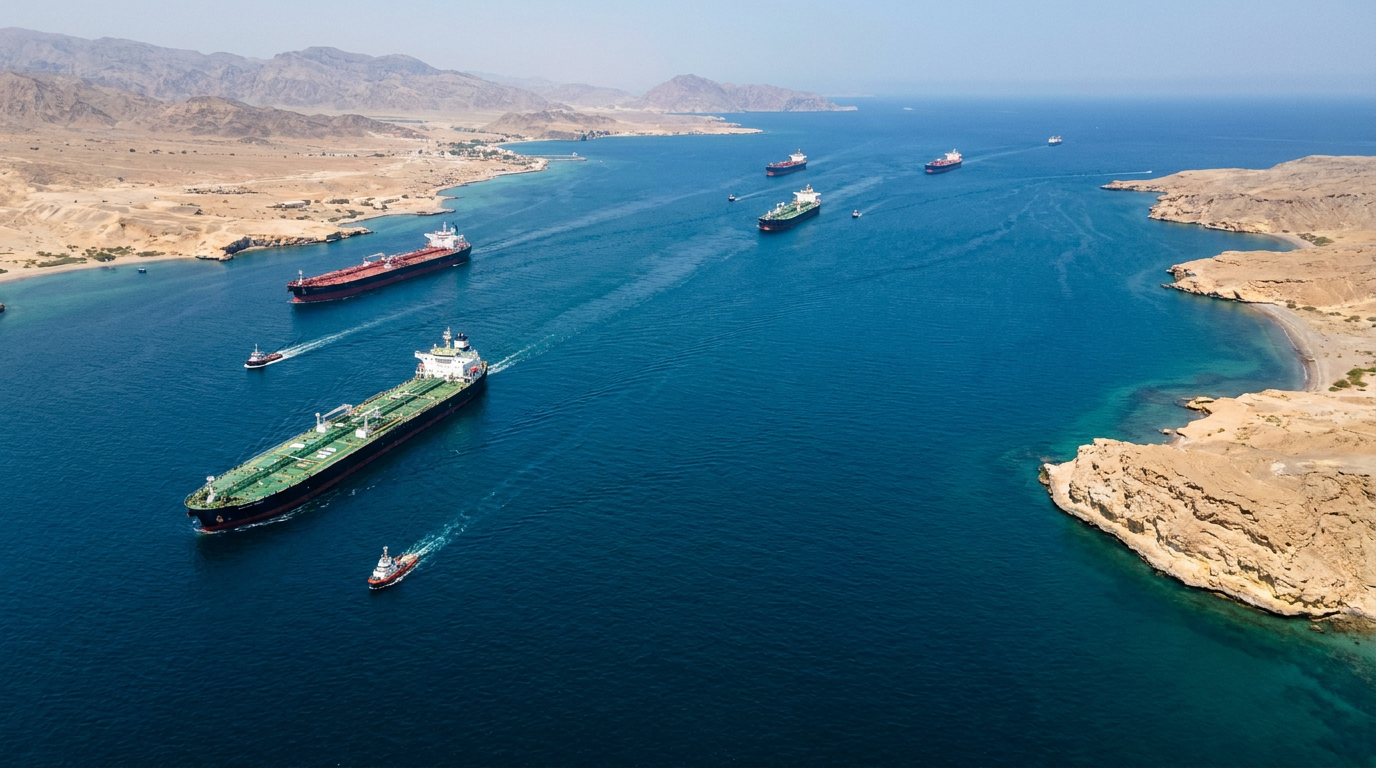
- Global Energy Markets
- Reacting with immediate relief to the de-escalation, but waiting for physical clearance of the waterway before fully normalizing operations.
- U.S. Executive Branch
- Frames the agreement as a historic peace deal and a major economic victory that will lower global energy costs.
- Middle Eastern Observers
- Skeptical of the long-term stability the deal provides, fearing it may only address maritime security while ignoring broader regional proxy conflicts.
- U.S. Congressional Opposition
- Demanding transparency on the specific concessions made to Tehran in exchange for lifting the naval blockade.
What's not represented
- · Iranian domestic hardliners
- · Commercial shipping captains
Why this matters
The Strait of Hormuz is the world's most critical oil chokepoint, handling roughly a fifth of global petroleum consumption. Reopening the waterway immediately lowers global energy costs, easing inflation pressures, while fundamentally altering the security landscape of the Middle East.
Key points
- The U.S. and Iran have announced an imminent agreement to end hostilities and reopen the Strait of Hormuz.
- Global oil prices plummeted and stock markets surged immediately following the announcement.
- The formal terms of the agreement remain undisclosed, with a signing ceremony scheduled for Friday.
- U.S. lawmakers and regional actors are demanding clarity on the concessions made by both sides.
- Physical resumption of commercial shipping will require de-mining and adjustments to maritime insurance.
President Trump announced a breakthrough agreement with Iran on Monday, declaring an end to hostilities and the imminent reopening of the Strait of Hormuz. The announcement, which Trump characterized as a comprehensive peace deal, marks a sudden de-escalation in a conflict that has severely disrupted global energy markets and regional stability.[1][2]
Iranian officials quickly confirmed the core of the announcement, stating that Tehran has agreed to a memorandum to cease military hostilities. While the exact diplomatic framework remains undefined, both sides have publicly committed to a formal signing ceremony scheduled for this coming Friday.[2]
The immediate economic impact was seismic. Global energy markets, which had been pricing in a prolonged conflict, reacted instantly to the news of the waterway's reopening. Brent crude futures dropped sharply, shedding significant value within hours of the announcement, while Asian and European stock markets surged on the prospect of stabilized supply chains.[3][4]

At the center of the agreement is the Strait of Hormuz, a narrow maritime chokepoint between the Persian Gulf and the Gulf of Oman. Trump’s declaration to "let the oil flow" signals the end of a naval blockade that had effectively paralyzed one of the world's most critical commercial arteries.[1]
The Strait of Hormuz is the only sea passage from the Persian Gulf to the open ocean, making it a vital transit point for roughly 20 percent of the world's total oil consumption. When the waterway is restricted, producers in Saudi Arabia, the UAE, Kuwait, and Iraq lose their primary route to international buyers, creating an immediate supply shock.[8]
The recent blockade functioned through a combination of naval posturing, the threat of anti-ship missiles, and the deployment of sea mines, which drove maritime insurance premiums to prohibitive levels. Commercial shipping companies largely halted operations in the region, forcing energy markets to rely on strategic reserves and alternative, lower-capacity pipelines.[3][8]

Reopening the strait is a complex logistical process that extends beyond a political declaration. Naval forces must physically stand down, and international maritime coalitions will likely need to conduct extensive de-mining and verification sweeps before commercial captains and their insurers feel safe navigating the corridor.[8]
Reopening the strait is a complex logistical process that extends beyond a political declaration.
Industry analysts note that while the political risk premium has evaporated from oil prices, the physical resumption of normal shipping volumes will take days or weeks. Insurers are currently weighing the risks of the transition period, waiting for concrete evidence that the military posture in the gulf has genuinely shifted.[4][8]
Diplomatically, the precise nature of the agreement remains heavily scrutinized. While the U.S. administration has framed the upcoming Friday event as the signing of a "peace deal," international diplomats and regional analysts caution that the current framework appears to be a memorandum of understanding rather than a formalized, ratified treaty.[2][7]
No official terms or concessions have been released to the public. The lack of clarity regarding what Washington offered Tehran in exchange for lifting the blockade—such as sanctions relief or the unfreezing of assets—has become an immediate focal point of debate.[2][6]
Within the United States, the political reaction has been sharply divided along institutional lines. The president's allies have cheered the announcement as a massive foreign policy victory that will lower domestic gas prices, while Congressional Democrats are demanding immediate clarity on the specific terms and mechanisms of the agreement.[6]

The timing of the breakthrough has also raised questions about the catalysts behind the sudden diplomatic shift. Some regional observers and U.S. diplomats suggest that a recent Israeli military strike in Beirut may have accelerated the timeline, pushing both Washington and Tehran to formalize a de-escalation before the conflict expanded further.[7]
Across the Middle East, the reaction is a mix of relief and deep skepticism. In Lebanon, which has borne significant collateral damage from the broader regional tensions, citizens and local officials remain wary of the ceasefire announcement, questioning whether a bilateral U.S.-Iran agreement will translate to lasting stability on their own borders.[5]
The broader security architecture of the Middle East hinges on the details to be revealed on Friday. Regional powers are closely monitoring the situation to determine if the agreement includes provisions limiting Iran's support for proxy networks or if it is strictly confined to maritime security in the Gulf.[5][7]

As Friday approaches, the focus shifts from the initial market euphoria to the mechanics of enforcement. The durability of the ceasefire will depend entirely on the verification protocols established in the text, and whether both domestic U.S. politics and Iranian hardliners will accept the compromises required to keep the oil flowing.[2][6]
How we got here
Recent Weeks
A naval blockade in the Strait of Hormuz paralyzes commercial shipping and spikes global oil prices.
Last Weekend
An Israeli military strike in Beirut reportedly accelerates diplomatic pressure for a de-escalation.
Monday
President Trump and Iranian officials announce a ceasefire and the reopening of the waterway.
Upcoming Friday
A formal signing ceremony is scheduled to finalize the terms of the agreement.
Viewpoints in depth
U.S. Administration
Views the agreement as a historic diplomatic and economic victory.
The executive branch is framing the impending Friday signature as a comprehensive peace deal that successfully neutralizes a major global economic threat. By securing the reopening of the Strait of Hormuz, the administration argues it has protected American consumers from skyrocketing energy costs while demonstrating decisive leadership on the world stage.
Energy Markets & Insurers
Cautiously optimistic but waiting for physical clearance of the waterway.
While traders immediately priced out the geopolitical risk premium from crude oil, the physical logistics industry remains wary. Maritime insurers and commercial shipping companies require more than a political declaration to resume operations; they are waiting for concrete evidence of naval de-escalation, de-mining sweeps, and verified safe passage corridors before sending multi-million dollar vessels back into the strait.
Regional Actors
Skeptical of long-term stability and waiting to see the fine print.
Populations and governments in the broader Middle East, particularly in Lebanon and Israel, are questioning whether a bilateral agreement focused on maritime shipping will address the root causes of regional instability. There is deep concern that the deal may simply pause direct U.S.-Iran confrontation while leaving proxy conflicts and border tensions unresolved.
U.S. Congressional Democrats
Demanding transparency on the concessions made to secure the deal.
Opposition lawmakers are raising alarms over the lack of published terms, questioning what Washington may have traded away to achieve the sudden breakthrough. They are pressing the administration to reveal if the agreement includes unfreezing Iranian assets, lifting specific sanctions, or making broader geopolitical concessions that have not yet been disclosed to the public.
What we don't know
- The specific diplomatic and economic concessions made by both the U.S. and Iran to reach this agreement.
- The exact timeline for when commercial shipping companies will feel safe enough to resume full operations through the strait.
- What verification mechanisms will be put in place to ensure both sides adhere to the ceasefire.
Key terms
- Strait of Hormuz
- A narrow maritime chokepoint between the Persian Gulf and the Gulf of Oman, serving as the only sea passage to the open ocean for several major oil-producing nations.
- Naval Blockade
- The use of military forces, such as ships and sea mines, to prevent commercial vessels from entering or leaving a specific port or waterway.
- Brent Crude
- A major trading classification of sweet light crude oil that serves as a benchmark price for purchases of oil worldwide.
- Memorandum of Understanding
- A formal agreement between two or more parties that establishes a framework for cooperation, often serving as a precursor to a legally binding treaty.
Frequently asked
When will the Strait of Hormuz reopen?
While the political agreement has been announced, physical reopening requires naval forces to stand down and potential de-mining operations to be completed. Analysts expect commercial shipping to resume gradually over the coming days or weeks.
What are the terms of the peace deal?
The official terms have not yet been released. Both sides have agreed to a memorandum to end hostilities, with a formal signing ceremony scheduled for Friday where details are expected to be made public.
How will this affect gas prices?
Global crude oil prices dropped immediately following the announcement. If the waterway fully reopens and supply chains normalize, this drop in crude prices typically translates to lower consumer gas prices in the subsequent weeks.
Sources
Source coverage
8 outlets
4 viewpoints surfaced




[1]Fox NewsU.S. Executive Branch
Trump announces peace deal with Iran, declares Strait of Hormuz will reopen: 'Let the oil flow!'
Read on Fox News →[2]Al JazeeraU.S. Congressional Opposition
US-Iran to sign a ‘peace deal’ on Friday: What we know so far
Read on Al Jazeera →[3]NPRGlobal Energy Markets
Crude oil futures drop after Trump promises an Iran deal will be signed Friday
Read on NPR →Stock markets soar, oil falls as US, Iran confirm deal to end war
Read on Al Jazeera →Lebanese remain sceptical despite US-Iran ceasefire announcement
Read on Al Jazeera →Trump allies cheer Iran deal announcement as Democrats call for clarity
Read on Al Jazeera →Claims Israel’s Beirut strike pushed Trump on Iran announcement
Read on Al Jazeera →[8]BloombergGlobal Energy Markets
Shipping insurers weigh risks as Hormuz blockade nears end
Read on Bloomberg →
More in news politics
See all 9 stories →US-Iran Deal
U.S. and Iran Sign Agreement to End War; Vance Lashes Out at Israeli Critics
7 sources
U.S.-Iran Deal
U.S. and Iran Sign 14-Point Agreement to End War, Sparking Fierce Backlash from Israel
6 sources
U.S.-Iran Relations
Vance Rebukes Israeli Critics of U.S.-Iran Peace Agreement, Warning Against Alienating 'Only Powerful Ally'
8 sources
Cognitive Defense
The Science of 'Prebunking': How Psychological Inoculation is Defeating Misinformation
6 sources

Every angle. Every day.
Get news politics stories with full source coverage and perspective breakdowns delivered to your inbox.