
Trump Signs Executive Orders Targeting Birthright Citizenship for 'Alien Enemies' and Birth Tourism
Following a Supreme Court defeat, President Trump has issued two new executive orders attempting to narrow the 14th Amendment's birthright citizenship guarantee by targeting specific groups.

- Constitutional Rights Defenders
- Emphasizes the established century-old interpretation of the 14th Amendment and argues the executive branch cannot unilaterally alter constitutional guarantees.
- Immigration Enforcement Proponents
- Focuses on the administration's rationale for closing legal loopholes like birth tourism and preventing foreign agents from securing citizenship for their children.
Fast facts
- President Trump signed two executive orders attempting to restrict birthright citizenship for specific groups.
- The first order targets children of 'alien enemies,' foreign terrorists, and foreign lobbyists.
- The second order directs agencies to crack down on 'birth tourism' by foreign nationals.
- The move follows a recent Supreme Court decision that struck down a broader attempt to end birthright citizenship.
- Legal experts and civil rights groups predict the orders will face immediate constitutional challenges in federal court.
Why this matters
If these orders survive expected legal challenges, they would fundamentally alter the century-old interpretation of the 14th Amendment, stripping automatic U.S. citizenship from thousands of children born on American soil and creating a new class of undocumented residents.
How we got here
January 2025
President Trump issues an executive order attempting to end birthright citizenship for children of undocumented immigrants.
June 30, 2026
The Supreme Court rules 6-3 against the administration, reaffirming the 14th Amendment's broad guarantee of birthright citizenship.
August 6, 2026
Trump signs two new, narrower executive orders targeting 'alien enemies' and birth tourism.
The tension between the executive branch's immigration enforcement goals and the judicial branch's constitutional interpretations reached a new, highly contentious flashpoint on Thursday. Just weeks after the Supreme Court firmly struck down his initial attempt to end birthright citizenship for the children of undocumented immigrants, President Donald Trump signed two new executive orders designed to test the absolute boundaries of the 14th Amendment. This latest maneuver immediately reignited a fierce national debate over the definition of American identity, the scope of constitutional protections, and the limits of unilateral presidential power. By shifting the focus from undocumented immigrants to narrower, more specific classifications of foreign nationals, the administration is attempting to find a legal pathway around the high court's recent ruling.[1][4]
The new directives represent a highly targeted legal strategy rather than a blanket prohibition. The first executive order instructs federal agencies to explicitly deny automatic U.S. citizenship to children born to individuals who are officially classified as 'alien enemies,' members of designated foreign terrorist organizations, and certain registered foreign government lobbyists. By isolating these specific groups, the White House hopes to exploit historical ambiguities in constitutional law. The administration argues that these individuals, much like foreign diplomats, operate outside the standard jurisdictional framework of the United States, thereby disqualifying their offspring from the constitutional guarantee of citizenship upon birth.[1][3]
The second executive order takes direct aim at what the administration and its allies refer to as 'birth tourism.' It explicitly directs the Departments of State and Homeland Security to strengthen enforcement mechanisms against foreign nationals who allegedly obtain temporary tourist or visitor visas under fraudulent pretenses, specifically with the primary intention of giving birth on American soil. The directive empowers consular officers and border agents to more aggressively scrutinize travel motivations and revoke visas if they suspect the applicant is traveling solely to secure U.S. citizenship for their child, a practice the administration claims undermines the integrity of the immigration system.[3][4]
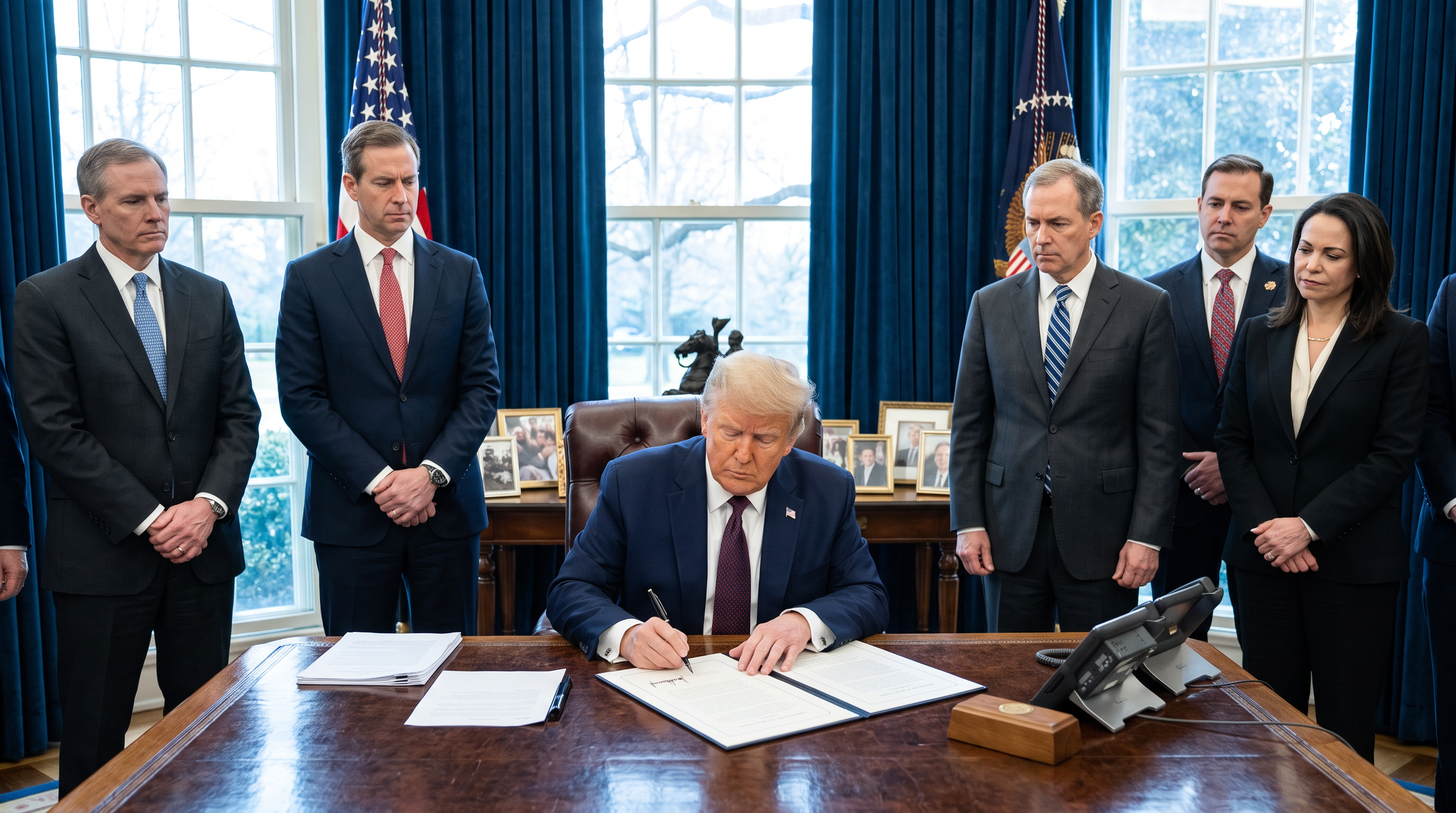
White House Deputy Chief of Staff Stephen Miller, speaking alongside the president at the Oval Office signing ceremony, stated that the administration is utilizing the president's authority as commander-in-chief to expand the definitions of those ineligible for birthright citizenship. Miller argued the move relies directly on the framework of the recent Supreme Court ruling to identify populations that genuinely fall outside constitutional protections. He emphasized that the practice of birth tourism is 'hereby banned' and framed the orders as a necessary defense of American sovereignty against those seeking to exploit legal loopholes.[2][5]
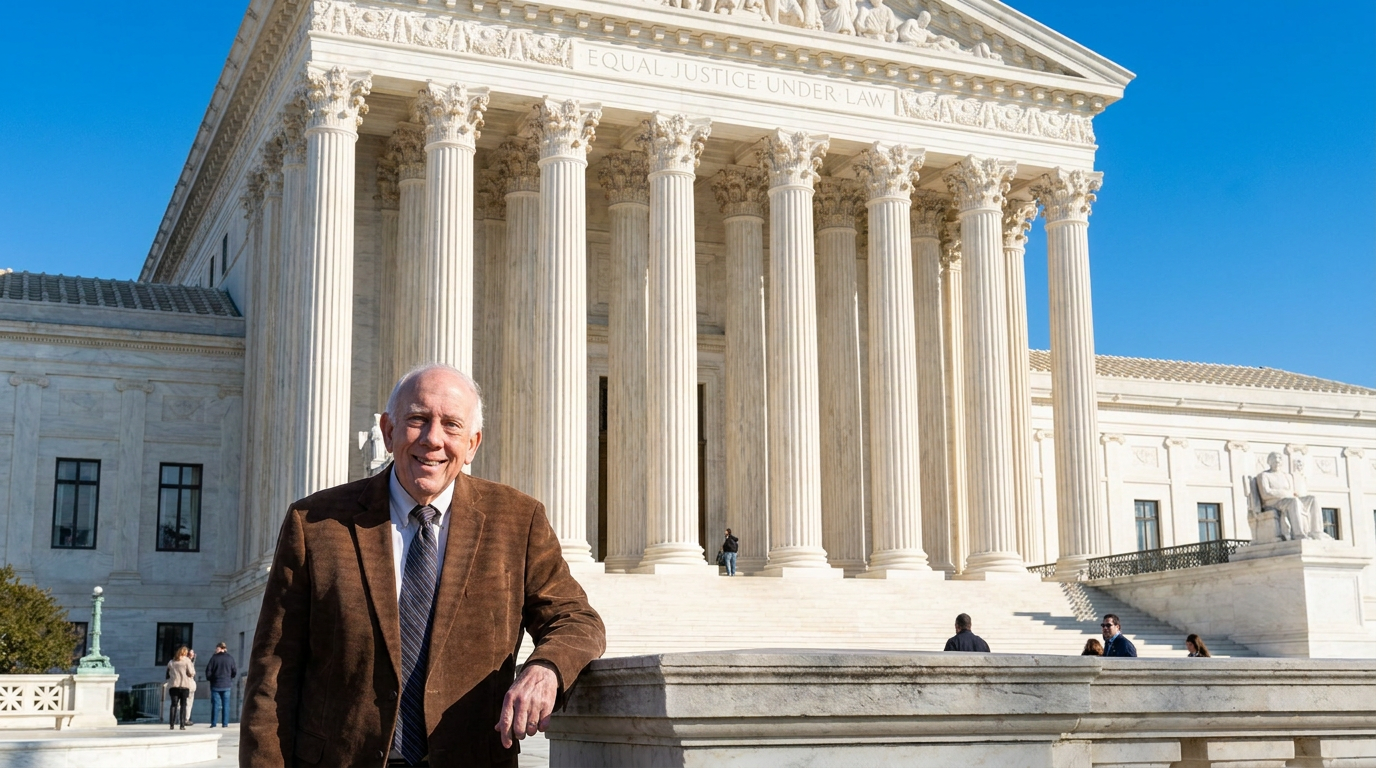
The 14th Amendment explicitly guarantees citizenship to 'all persons born or naturalized in the United States, and subject to the jurisdiction thereof.' For more than a century, dating back to the landmark 1898 Supreme Court decision in United States v. Wong Kim Ark, federal courts have interpreted the 'jurisdiction' clause as covering nearly everyone born on U.S. soil. The only widely recognized historical exceptions have been strictly limited to the children of accredited foreign diplomats and the offspring of occupying enemy military forces during a time of declared war.[3][5]
Wong Kim Ark, federal courts have interpreted the 'jurisdiction' clause as covering nearly everyone born on U.S.
The administration's current legal theory attempts to dramatically broaden those narrow historical exceptions. By invoking the Alien Enemies Act of 1798 and modern federal terrorism classifications, the White House is arguing that these specific groups share the same jurisdictional immunity as foreign diplomats or occupying armies. Consequently, the administration contends that they are not 'subject to the jurisdiction' of the United States, and therefore their children do not qualify for automatic birthright citizenship. It is a novel legal interpretation that seeks to bypass the legislative process entirely.[3][4]
Constitutional scholars and civil rights organizations immediately condemned the executive action, characterizing it as a blatant overreach. The American Civil Liberties Union released a statement asserting that birthright citizenship is an ironclad guarantee of the Constitution and cannot be altered, redefined, or diminished by executive fiat. Legal experts broadly agree that the president lacks the unilateral authority to redefine constitutional citizenship in this manner, predicting the orders will face immediate injunctions in federal court before they can be implemented by immigration agencies.[1][2]
The practical, immediate impact of the 'alien enemies' provision remains highly uncertain, primarily because there are currently no significant populations of U.S. residents officially designated under that specific wartime classification. The provision is largely viewed as symbolic unless the administration successfully broadens the designation—a maneuver it is currently attempting in separate, ongoing litigation regarding the deportation of alleged transnational gang members. If the courts allow the executive branch to unilaterally label domestic criminal suspects as 'alien enemies,' the scope of the citizenship ban could expand exponentially.[1]
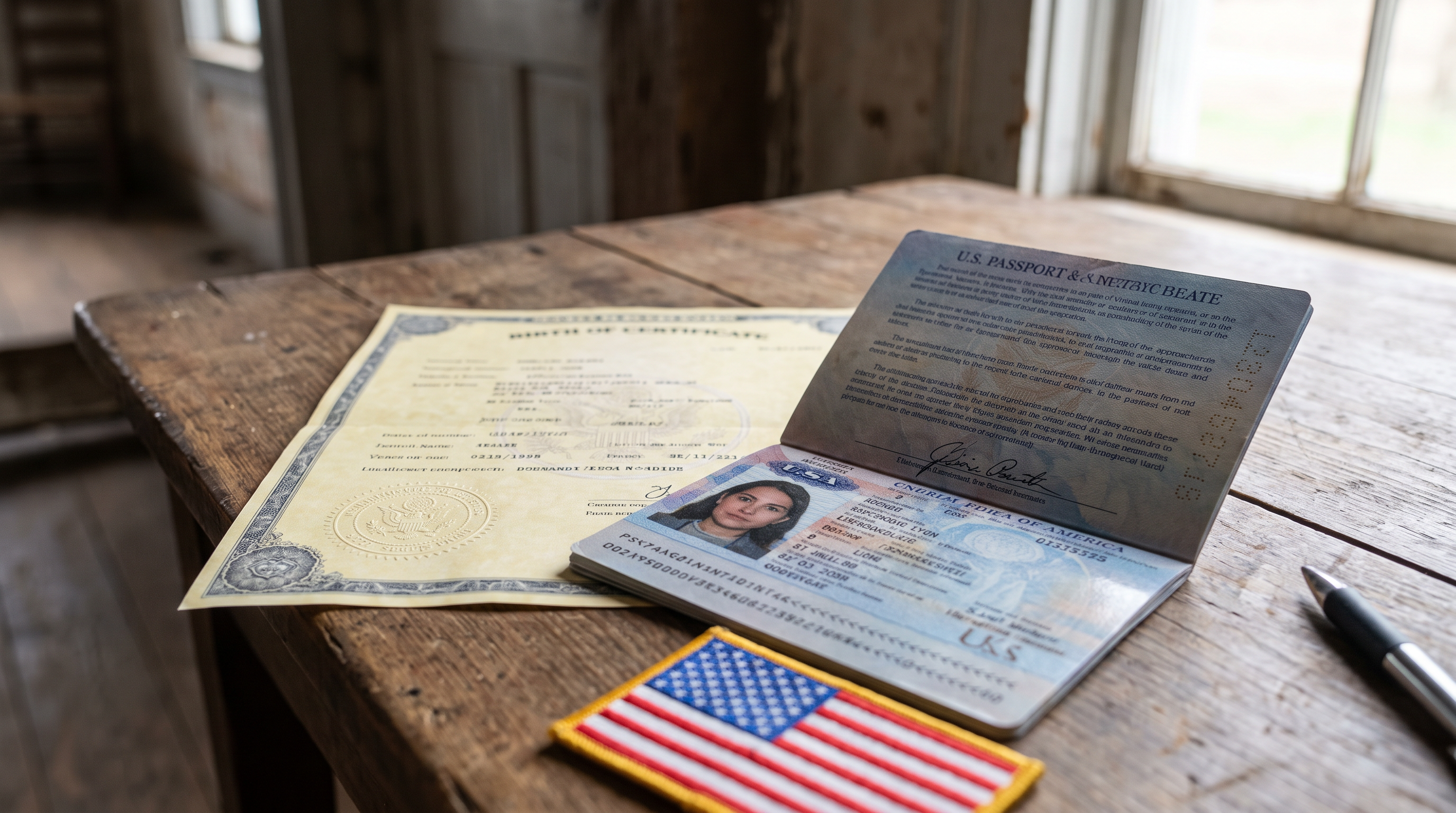
The birth tourism order, however, targets a specific, albeit relatively small, demographic that has long frustrated immigration restrictionists. The Center for Immigration Studies, a group advocating for lower immigration levels, previously estimated that between 20,000 and 25,000 mothers travel to the United States annually specifically for birth tourism. While this represents a minor fraction of the approximately 3.6 million total live births in the country each year, the administration views closing this avenue as a critical component of its broader border security and immigration enforcement platform.[4][5]
President Trump openly expressed his lingering frustration with the Supreme Court's June 30 decision during the signing event, calling it a 'very unfair decision' and stating that the country continues to suffer because of it. These new orders clearly signal the administration's unwavering commitment to pursuing its restrictive immigration agenda through aggressive, boundary-pushing executive action. As the inevitable lawsuits are filed, the nation is once again set for a high-stakes constitutional battle over the fundamental definition of American identity and the enduring legacy of the 14th Amendment.[1][4]
Viewpoints in depth
The Administration's Legal Argument
The White House contends it is operating within the exceptions of the 14th Amendment.
Administration officials, led by Stephen Miller, argue that the 14th Amendment's 'subject to the jurisdiction thereof' clause was never intended to be a universal guarantee. By classifying certain individuals as 'alien enemies' or foreign agents, the White House claims these groups share the same jurisdictional immunity as foreign diplomats or occupying armies, thereby disqualifying their children from automatic citizenship. They view the orders as a necessary correction to decades of overly broad judicial interpretation.
Constitutional Scholars and Civil Rights Groups
Legal experts maintain that the 14th Amendment's guarantee cannot be altered by the executive branch.
Civil rights organizations and a broad consensus of constitutional scholars argue that the text and historical application of the 14th Amendment are unambiguous. Since the 1898 Wong Kim Ark decision, the Supreme Court has consistently held that nearly all children born on U.S. soil are citizens, regardless of their parents' status. These groups view the executive orders as an unconstitutional overreach designed to circumvent the legislative process and the recent Supreme Court ruling.
Sources
Source coverage
6 outlets
2 viewpoints surfaced






[1]Washington PostConstitutional Rights Defenders
New executive orders, targeting children born to foreign lobbyists and tourists, are certain to face legal challenges
Read on Washington Post →[2]Democracy Now!Constitutional Rights Defenders
Trump Signs New Executive Orders Restricting Birthright Citizenship
Read on Democracy Now! →[3]Law CommentaryConstitutional Rights Defenders
President Donald Trump signed two executive orders Thursday seeking to deny birthright citizenship
Read on Law Commentary →[4]CBCImmigration Enforcement Proponents
U.S. President Donald Trump signed two executive orders on Thursday in a new but narrower attempt to curtail birthright citizenship
Read on CBC →[5]KSLImmigration Enforcement Proponents
Trump signed two executive orders on Thursday in a new but narrower attempt to curtail birthright citizenship
Read on KSL →[6]TBA Law BlogImmigration Enforcement Proponents
Trump Issues Executive Orders on Birthright Citizenship
Read on TBA Law Blog →
Comments


Every angle. Every day.
Get news politics stories with full source coverage and perspective breakdowns delivered to your inbox.