
Travel Backpacks vs. Carry-On Roller Bags: Which Is Better for Your Trip?
The debate between one-bag travel backpacks and wheeled carry-on suitcases comes down to a fundamental trade-off: absolute mobility versus physical comfort.
By Tiago Sousa

In short
- The luggage debate centers on a core trade-off: the absolute mobility of a backpack versus the physical comfort of a roller bag.
- Backpacks excel on uneven terrain, stairs, and public transit, but can cause physical fatigue and sweat during long walks.
- Roller bags offer effortless transit on smooth surfaces and better protection for fragile items, but struggle on cobblestones.
The rise of the "one-bag" travel movement has turned the airport terminal into a philosophical battleground. On one side stands the traditional wheeled carry-on suitcase, a staple of modern transit; on the other, the travel backpack, championed by minimalists and digital nomads. As baggage fees soar and airlines crack down on overhead bin space, choosing the right piece of luggage has never been more consequential.[4]
The debate fundamentally boils down to a single core trade-off: absolute mobility versus physical comfort. A suitcase provides structure, stability, and ease of packing, making it ideal for predictable environments. Conversely, a travel backpack offers adaptability and agility, allowing travelers to navigate unpredictable terrain without being tethered to the ground.
The case for the travel backpack centers on absolute mobility. Proponents argue that hands-free navigation is a game-changer, allowing travelers to hold passports, check transit apps, and carry a coffee without juggling a telescoping handle. The evidence supporting backpacks is strongest in dynamic environments: they excel on steep staircases, crowded subway cars, and uneven terrain where wheels quickly become a liability.[1][2][3]
The evidence against the backpack, however, focuses on the physical toll. Carrying 15 to 25 pounds on your back—even with advanced suspension systems, padded hip belts, and sternum straps—induces fatigue. Critics point out that standing in a slow-moving, hour-long customs queue with a heavy pack is exhausting, and wearing a loaded bag in warm climates inevitably leads to an uncomfortable, sweaty back upon arrival.[1]
Conversely, the case for the carry-on roller bag is built on effortless transit and superior organization. On the polished floors of airports, train stations, and hotel lobbies, rolling a heavy load requires virtually zero physical exertion. The evidence for rollers highlights their structured clamshell designs, which keep business attire wrinkle-free, and their hard-sided shells, which offer unmatched protection for laptops, camera gear, and fragile souvenirs.
The evidence against the roller bag highlights its severe terrain limitations and spatial inflexibility. A rolling suitcase is a modern marvel right up until it meets its ancient nemesis: the cobblestone street. Wheels are practically useless on dirt paths, gravel, or broken sidewalks. Furthermore, the rigid frame of a roller bag means it cannot be squished into a tight overhead bin or shoved under a seat when space is at a premium.[2][3]
When analyzing airline compliance, the evidence heavily favors the backpack. Gate agents are notoriously ruthless with roller bags when overhead bins fill up, frequently forcing passengers to gate-check their wheeled luggage. Because backpacks are soft-sided and worn on the body, they visually register as smaller to airline staff, boasting a near-perfect success rate for bypassing gate-check crackdowns.[2][3]
The international weight limit trap provides another quantifiable data point in the debate. Many European and Southeast Asian budget airlines enforce strict 7-kilogram (15.4 lbs) carry-on weight limits. Because the wheels and telescoping handle of a roller bag can weigh four to six pounds empty, travelers are left with barely enough allowance for their clothing. A lightweight travel backpack, which often weighs under three pounds, maximizes the usable weight allowance.[2]
For those unwilling to choose, the hybrid wheeled backpack attempts to bridge the gap by featuring both zip-away shoulder straps and inline wheels. However, trade-off analysis shows that these hybrids often compromise both functions. They add the heavy hardware and rigid back-panel of a roller, which reduces ergonomic comfort when worn, while the stowaway strap compartments consume valuable internal packing space.[4]
Ultimately, the decision requires matching the luggage to the itinerary rather than the aesthetic. A travel backpack fits perfectly when a journey involves multiple transit changes, public buses, ferries, and accommodations without elevators. It thrives in ancient cities with uneven streets and on budget airlines with strict baggage policies. However, a backpack does not fit well when the traveler has back or shoulder issues, needs to arrive in crisp business attire without wrinkles, or is packing heavy, dense equipment that will turn a long walk into an endurance test.[4]
Conversely, a carry-on roller bag fits perfectly for linear, point-to-point travel—moving from a taxi directly to a paved airport terminal, and then to a modern hotel with an elevator. It is the superior choice for business trips, resort vacations, and travelers who prioritize physical comfort and structured packing. It does not fit well for multi-city backpacking trips, rugged terrain, or dynamic itineraries that require walking long distances between train stations and lodgings. There is no universal winner, only the right tool for the specific journey.[4]
Jargon, explained
- One-Bag Travel
- A minimalist travel philosophy where a passenger takes only a single carry-on bag, usually a backpack, to avoid checked luggage fees and wait times.
- Clamshell Design
- A bag that zips fully open down the middle like a suitcase, allowing for easy packing and visibility, as opposed to a top-loading backpack.
- Personal Item
- A smaller bag, such as a daypack or purse, that airlines allow passengers to bring on board in addition to their main carry-on, provided it fits under the seat.
Common questions
Will a 40-liter travel backpack fit under an airplane seat?
Generally, no. While backpacks are squishable, anything over 30 liters usually needs to go in the overhead bin to comply with airline personal item dimensions.
Are roller bags more likely to be gate-checked?
Yes. Gate agents visually target wheeled luggage when overhead bins fill up, whereas travelers wearing soft-sided backpacks frequently bypass these crackdowns.
What is the best luggage for cobblestone streets?
A travel backpack is universally recommended for uneven terrain, as the small wheels on carry-on suitcases easily catch on cobblestones and dirt paths.
Competing readings
The Mobility Maximizers
Travelers who prioritize agility and hands-free movement over physical comfort.
This camp, heavily populated by the 'one-bag' travel community, argues that wheels are a liability in the real world. They point to cobblestone streets, narrow train aisles, and fifth-floor walk-up apartments as proof that backpacks offer superior adaptability. For these travelers, the temporary physical strain of carrying 20 pounds is a worthwhile trade-off for the ability to bypass baggage claim, sprint for a connection, and navigate crowded cities without dragging an anchor behind them.
The Comfort and Structure Advocates
Travelers who prioritize physical ease, organization, and protecting their belongings.
This perspective argues that vacations should not double as weightlifting sessions. Proponents of roller bags emphasize that airports and modern transit systems are designed for wheels, making the physical exertion of a backpack unnecessary for most itineraries. They value the hard-sided protection for laptops and souvenirs, the wrinkle-free packing of a clamshell suitcase, and the sheer relief of standing in a long immigration queue without a heavy load suspended from their shoulders.
The Hybrid Realists
Travelers seeking a middle ground through wheeled backpacks.
A smaller but vocal contingent advocates for wheeled backpacks, which attempt to offer the best of both worlds. They argue that travelers shouldn't have to choose between rolling on smooth airport floors and wearing the bag on dirt roads. However, critics within both the backpack and roller camps note that these hybrid bags often compromise on both fronts—they are heavier than standard backpacks due to the wheel hardware, and less spacious than standard rollers due to the stowaway strap compartments.
- Mobility Maximizers
- Travelers who prioritize agility and hands-free movement over physical comfort.
- Comfort and Structure Advocates
- Travelers who prioritize physical ease, organization, and protecting their belongings.
- Hybrid Adopters
- Travelers seeking a middle ground through wheeled backpacks.
Perspectives this story doesn't cover
- Accessibility advocates highlighting mobility impairments
- Families traveling with young children and multiple bags
Sources
Source coverage
4 outlets
3 viewpoints surfaced




- [1]CarryologyMobility Maximizers
Backpack vs Rolling Luggage
Read on Carryology → - [2]Reddit OneBag CommunityMobility Maximizers
Backpack vs roller luggage for travel
Read on Reddit OneBag Community → - [3]Away TogetherMobility Maximizers
Travel Backpack vs. Rolling Suitcase (In-Depth Carry On Buyer's Guide)
Read on Away Together → - [4]Factlen Editorial TeamHybrid Adopters
Synthesis by Factlen editorial team
Read on Factlen Editorial Team →
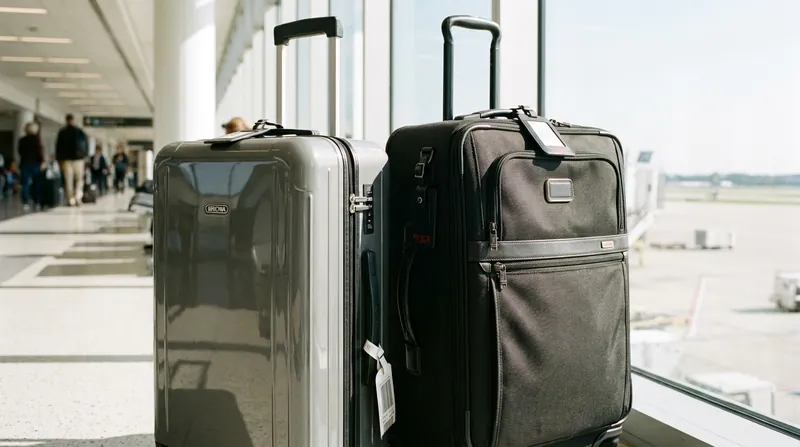
More in Shopping & Reviews
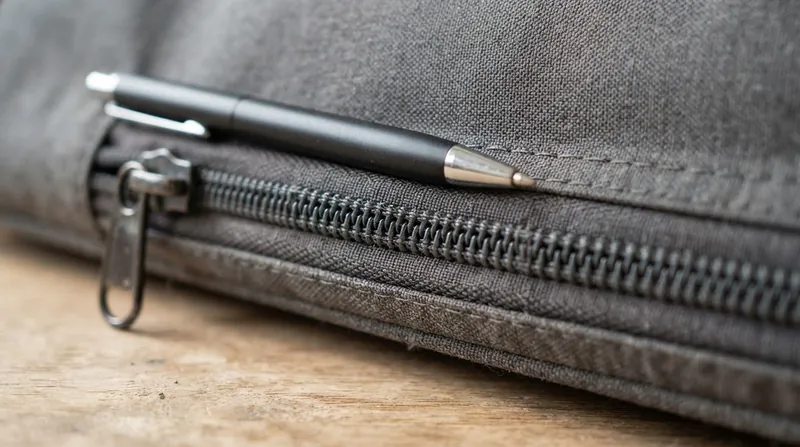
See all →Zipper Mechanics
The Mechanical Vulnerability of Luggage Zippers: How Pointed Wedging Breaches Single Coils and Why Double-Chain Designs Prevent Silent Entry
5 sources
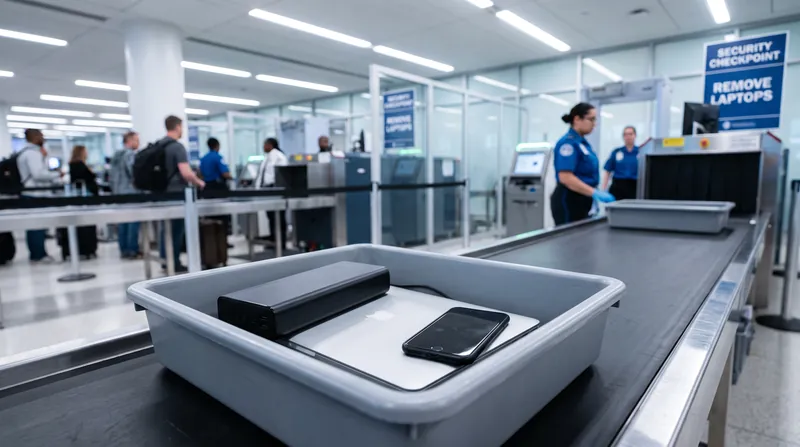
Travel Regulations
The 100 Wh and 160 Wh Limits: How Aviation Regulations Dictate Carry-On Battery Sizes
7 sources
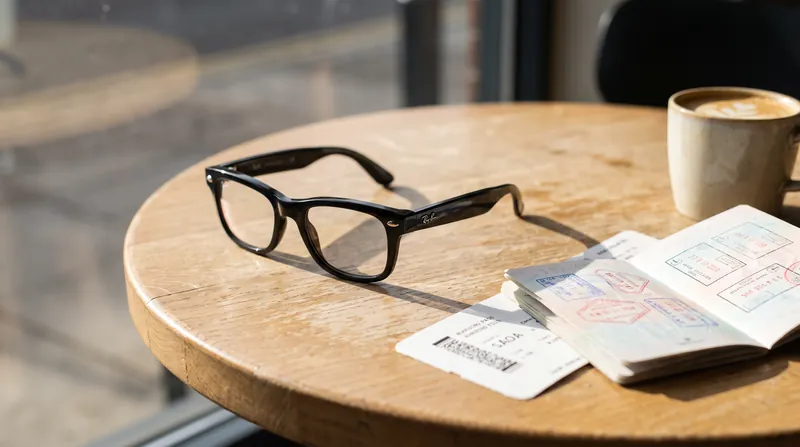
Smart Glasses
Meta Launches Ray-Ban Gen 3 Smart Glasses and a $249 Audio-Only Model
9 sources
Battery Tech
The 3.7V to 5V Conversion Loss: Why Your Power Bank Delivers 30% Less Charge Than Advertised
7 sources
Comments
Every angle. Every day.
Get Shopping & Reviews stories with full source coverage and perspective breakdowns, free every day.