
The Waste Trade-Off: How the EU's Ban on Destroying Unsold Consumer Goods Forces a Redesign of Retail Inventory Management
A sweeping new European Union regulation now prohibits large fashion and footwear brands from destroying unsold inventory. The mandate aims to eliminate millions of tonnes of emissions and is forcing retailers to completely overhaul how they forecast, store, and discount products.
By Factlen Editorial Team
- Environmental Advocates
- Argue the ban is a necessary step toward a circular economy but stress the need to tackle overproduction at its source.
- Luxury Fashion Houses
- Focus on protecting brand equity and scarcity, facing the challenge of managing excess inventory without diluting value.
- ESG Compliance Experts
- View the regulation as a shift from voluntary reporting to strict legal enforcement requiring supply chain traceability.
- Mass-Market Retailers
- Highlight the logistical and financial burden of processing high volumes of e-commerce returns under the new rules.
What's not represented
- · Textile recycling facilities facing shifts in material streams
- · Discount retailers anticipating an influx of inventory
Why this matters
For decades, destroying perfectly good merchandise was a cheap way for fast-fashion brands to handle returns and for luxury houses to protect their exclusivity. This ban forces the industry to adopt circular models, meaning consumers will likely see more discounted goods, expanded brand-owned resale channels, and a massive reduction in textile waste.
Key points
- The EU's ESPR officially banned the destruction of unsold apparel and footwear for large companies on July 19, 2026.
- The regulation aims to eliminate the 4% to 9% of textile products that are destroyed before use, saving millions of tonnes of CO2 emissions.
- Retailers must now adhere to a strict waste hierarchy, prioritizing resale, repair, and donation over recycling or disposal.
- The ban directly challenges luxury brands that historically destroyed excess inventory to maintain scarcity and protect premium pricing.
- Starting in February 2027, companies will be required to publicly disclose the volumes and reasons for any discarded consumer products.
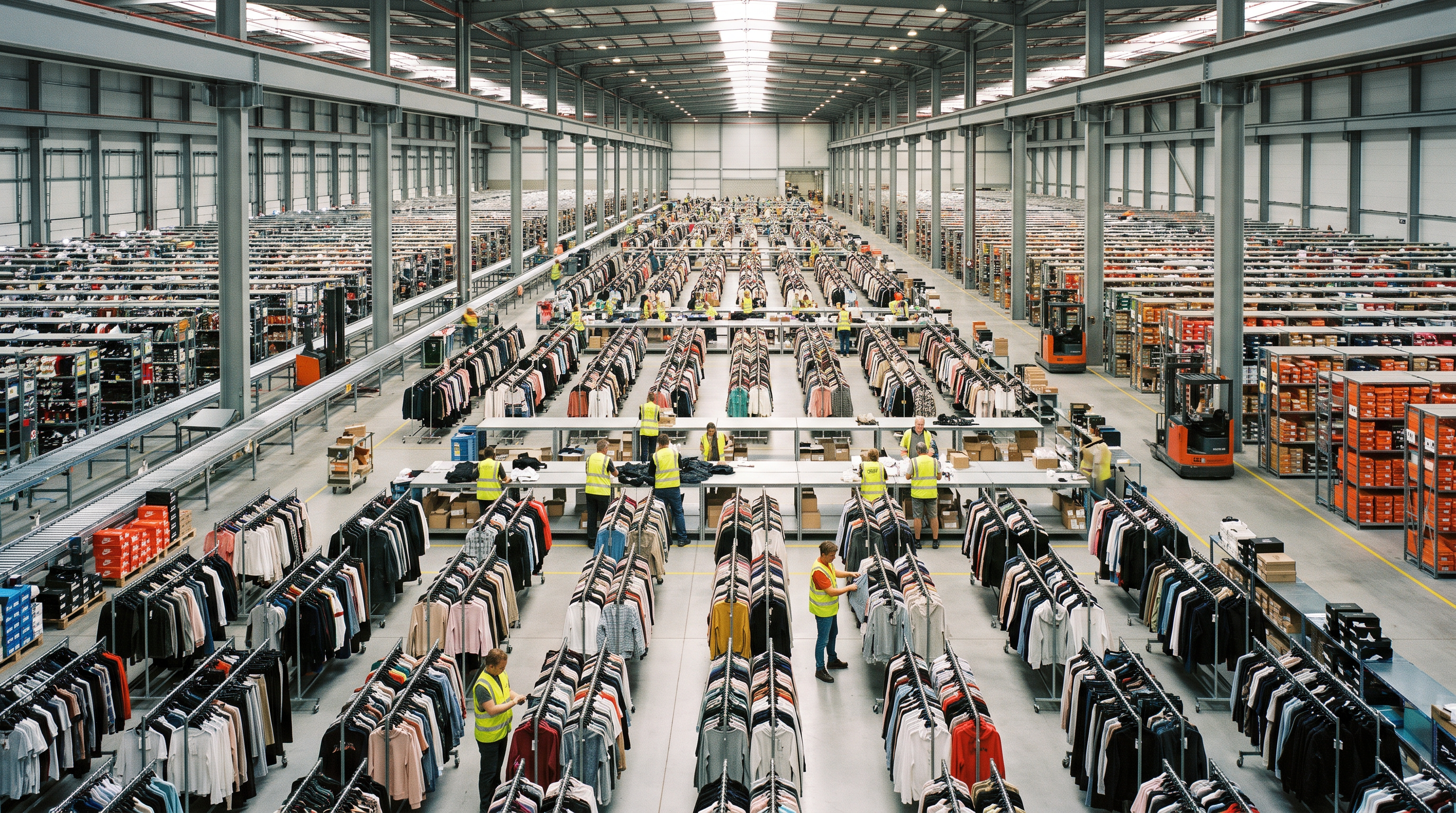
On July 19, 2026, a fundamental shift in the global retail economy quietly took effect across the European Union. Large fashion, footwear, and apparel companies are now legally prohibited from destroying unsold merchandise. The practice of incinerating, landfilling, or shredding perfectly usable clothing to clear warehouse space or protect brand exclusivity is no longer a viable business strategy.[1]
The sweeping mandate is one of the first concrete measures enforced under the EU’s Ecodesign for Sustainable Products Regulation (ESPR). Designed to curb overproduction and keep valuable materials in circulation, the ESPR targets the linear "take, make, dispose" model that has defined modern retail. By making the destruction of goods illegal, regulators are forcing the industry to internalize the true cost of excess inventory.[5]
The scale of the waste problem the EU is attempting to solve is staggering. According to the European Commission and the European Environment Agency, between 4% and 9% of all textile products placed on the European market are destroyed before they are ever used. This amounts to an estimated 264,000 to 594,000 tonnes of textiles discarded annually—a mountain of unworn garments and pristine shoes treated as disposable liabilities.[1][6]
The environmental toll of this practice extends far beyond overflowing landfills. The destruction of unsold textiles generates approximately 5.6 million tonnes of carbon dioxide emissions every year. To put that figure into perspective, it is roughly equivalent to the total net emissions of Sweden in 2021. The resources expended to grow cotton, synthesize polyester, manufacture garments, and ship them globally are entirely squandered when the final destination is an incinerator.

A major driver of this waste is the modern e-commerce ecosystem, where frictionless returns have created a logistical nightmare. Around one in five fashion items purchased online in the EU is returned by the consumer. Because inspecting, cleaning, repackaging, and restocking a returned garment is highly labor-intensive, many fast-fashion retailers historically found it cheaper to simply destroy the item and write off the loss.[4]
While fast fashion struggles with the sheer volume of returns, the luxury sector faces a different dilemma. High-end fashion houses have long relied on destroying unsold products as a deliberate inventory strategy to preserve scarcity and protect their premium pricing. Flooding discount racks with excess inventory dilutes brand equity, making incineration an attractive, albeit secretive, method for maintaining an aura of exclusivity.[1][2]
The new regulations directly challenge this luxury playbook. The issue gained public prominence during recent court proceedings in Hong Kong, which revealed that a major luxury brand had routinely destroyed thousands of unsold items as part of its inventory management. While the brand noted it has since established recycling-focused subsidiaries, the case highlighted a widespread industry practice that the EU is now determined to eradicate.[1][2]
Under the ESPR, companies must now adhere to a strict waste treatment hierarchy. The law mandates that businesses prioritize keeping products in use. This means retailers must first attempt to sell excess stock through discounts or alternative secondary markets. If commercial sale is impossible, the next mandated step is preparing the items for reuse through repair, refurbishment, or donation to charitable organizations.[6]
Under the ESPR, companies must now adhere to a strict waste treatment hierarchy.
The donation requirements are particularly rigorous to prevent companies from claiming that giving goods away is too difficult. Before a brand can argue that no donation was possible, it must offer the unsold items to at least three eligible social economy organizations. Alternatively, the company must publish a public donation offer on its website for a minimum of eight weeks.

Regulators have also closed loopholes surrounding the definition of "destruction." Notably, sending unsold, wearable items directly to a recycling facility to be shredded into insulation or industrial rags is treated as a form of destruction under the new rules. The EU maintains that a garment was manufactured to be worn, and breaking it down into raw materials prematurely prevents the product from fulfilling its primary purpose.
There are, however, limited and strictly documented exceptions to the ban. Destruction remains permitted if products pose a health or safety hazard, are severely contaminated, or are damaged beyond viable repair. Additionally, counterfeit goods and items that infringe on intellectual property rights can still be destroyed. Companies utilizing these exemptions must retain supporting evidence for five years to facilitate inspections by national authorities.[1][2]
To ensure compliance, the EU is introducing unprecedented transparency mandates. Starting in February 2027, large companies will be required to publicly disclose detailed information about any unsold consumer products they discard. This standardized reporting framework will force brands to publish the exact volumes and weights of discarded items, the reasons for their disposal, and the specific waste treatment methods used.[3]
For corporate professionals, this marks a structural shift in how sustainability is managed. Environmental, Social, and Governance (ESG) initiatives in Europe have officially transitioned from voluntary reporting ambitions to strict operational enforcement. Inventory management, procurement strategy, and supply chain oversight are now critical compliance issues with direct legal and financial implications for non-compliance.[3]

In response, the retail industry is accelerating its adoption of artificial intelligence and advanced analytics. To avoid the costly burden of managing excess stock under the new rules, brands are deploying AI-driven inventory systems to forecast demand with greater precision. By optimizing production and logistics in real-time, companies hope to tackle overproduction at its source rather than dealing with the fallout of unsold goods.[2][3]
The ban is also expected to spur massive growth in brand-owned resale and controlled discount channels. Rather than surrendering excess stock to third-party liquidators, luxury and premium brands are likely to build their own secondary markets. This allows them to recoup manufacturing costs, comply with the EU mandate, and maintain strict control over how their discounted products are presented to consumers.[1][2]
While the immediate impact falls on large corporations, the regulatory net will soon widen. Medium-sized enterprises are currently exempt but will become subject to the exact same prohibitions and reporting requirements in July 2030. Micro and small businesses remain exempt from the ban, ensuring that local boutiques and independent designers are not crushed by the administrative burden.[1][3]

The ripple effects of the ESPR will be felt far beyond Europe's borders. Because the rules apply to any product placed on the EU market, global brands headquartered in the United States, Asia, and elsewhere must overhaul their international supply chains to maintain access to European consumers. The regulation effectively sets a new global standard for inventory management.[3]
Ultimately, the ban on destroying unsold goods represents a definitive rejection of the disposable economy. By forcing companies to find alternative uses for excess inventory, the European Union is attempting to decouple economic growth from resource depletion. The message to the retail industry is clear: if a product is manufactured, it must be used, and the era of burning perfectly good merchandise is officially over.
How we got here
July 2024
The Ecodesign for Sustainable Products Regulation (ESPR) enters into force, establishing the framework for circular economy mandates.
February 2026
The European Commission adopts supplemental regulations clarifying exceptions and reporting requirements for the destruction ban.
July 19, 2026
The ban on destroying unsold apparel, accessories, and footwear officially takes effect for large companies operating in the EU.
February 2027
Large companies must begin publicly disclosing the volumes and reasons for any discarded products under a standardized reporting framework.
July 2030
The destruction ban and mandatory reporting requirements extend to medium-sized enterprises.
Viewpoints in depth
Environmental Advocates
Advocating for a fundamental shift away from the linear 'take, make, dispose' model.
Environmental groups and EU regulators view the destruction ban as a critical intervention against the staggering waste generated by the fashion industry. They argue that the 5.6 million tonnes of CO2 emitted annually from destroying unworn garments represents an unacceptable squandering of resources. While celebrating the ban, these advocates stress that the ultimate solution is not just finding better ways to dispose of excess inventory, but redesigning business models to prevent overproduction in the first place.
Luxury Fashion Houses
Navigating the tension between regulatory compliance and brand exclusivity.
For premium and luxury brands, the ban presents a unique existential challenge. These companies have historically relied on destroying excess stock to ensure their products remain scarce and highly valued. Forced to abandon this practice, luxury houses are now rapidly investing in brand-owned resale platforms and tightly controlled discount channels to liquidate inventory without flooding the open market or diluting their prestige.
ESG Compliance Experts
Emphasizing the transition from voluntary sustainability goals to strict legal liability.
Corporate compliance and sustainability professionals see the ESPR as a watershed moment for European business. They note that ESG is no longer merely about publishing ambitious sustainability reports; it is now a matter of operational enforcement. Experts warn that companies must fundamentally redesign their forecasting, procurement, and supply chain traceability systems to avoid substantial fines and reputational damage under the new disclosure mandates.
Mass-Market Retailers
Grappling with the logistical realities of high-volume e-commerce returns.
Fast-fashion and mass-market retailers point out that the ban severely complicates the economics of e-commerce. With online return rates hovering around 20%, the cost of inspecting, cleaning, and restocking cheap garments often exceeds the item's retail value. These retailers argue that while the ban is well-intentioned, it forces them to absorb massive logistical costs, accelerating the need for AI-driven demand forecasting to prevent excess stock from being produced at all.
What we don't know
- How strictly national authorities across the 27 EU member states will enforce the ban and what specific financial penalties will be levied for non-compliance.
- Whether some brands will attempt to exploit loopholes by exporting unsold inventory to non-EU distribution networks for destruction overseas.
- How the influx of mandated donations will impact the operational capacity of social economy organizations and charities receiving the goods.
Key terms
- Ecodesign for Sustainable Products Regulation (ESPR)
- A comprehensive EU framework designed to make products more durable, reusable, repairable, and recyclable.
- Circular Economy
- An economic system aimed at eliminating waste and the continual use of resources, contrasting with a traditional linear 'take, make, dispose' model.
- Scope 3 Emissions
- Indirect greenhouse gas emissions that occur in a company's value chain, including the disposal of unsold products.
- Waste Hierarchy
- A legal framework that prioritizes waste prevention, followed by reuse, recycling, and recovery, with disposal as the last resort.
Frequently asked
When does the ban take effect?
The ban officially applied to large companies starting July 19, 2026. Medium-sized enterprises have until July 2030 to comply.
Are there any exceptions to the ban?
Yes. Destruction is permitted if products pose health or safety risks, are counterfeit, infringe on intellectual property, or are damaged beyond viable repair.
Does this apply to companies outside of Europe?
Any company placing products on the EU market must comply with the regulation, regardless of where they are headquartered.
What happens to items returned by customers?
Returned items are covered by the ban. Retailers must prioritize reselling, repairing, or donating them rather than sending them to a landfill or incinerator.
Sources
Source coverage
6 outlets
4 viewpoints surfaced






[1]Retail GazetteLuxury Fashion Houses
Luxury fashion groups face higher inventory costs as EU ban on destroying unsold clothing comes into force
Read on Retail Gazette →[2]ChosunLuxury Fashion Houses
EU bans destruction of unsold clothing... Luxury industry faces inventory management overhaul
Read on Chosun →[3]Center for Sustainability and ExcellenceESG Compliance Experts
Textile Destruction Is Illegal in the EU. Are ESG Professionals Ready?
Read on Center for Sustainability and Excellence →[4]The CooldownMass-Market Retailers
Large fashion companies in the European Union are now barred from destroying unsold clothes
Read on The Cooldown →[5]Beveridge & DiamondESG Compliance Experts
European Commission Adopts Ban on Destruction of Unsold Apparel
Read on Beveridge & Diamond →[6]Sustainability OnlineEnvironmental Advocates
A ban on the destruction of unsold clothing by large companies has come into effect across the European Union
Read on Sustainability Online →

More in shopping
See all 5 stories →Pricing Transparency
The Fee Trade-Off: How State Laws Banning Hidden Charges Force a Redesign of All Retail Pricing
7 sources
Furniture Retail
How Rising Interest Rates and the Housing Lock-In Effect Are Reshaping Furniture Retail
7 sources

Infant Safety
The Safety Trade-Off: How New CPSC Regulations on Infant Loungers Force a Redesign to Eliminate Suffocation Hazards
7 sources

Every angle. Every day.
Get shopping stories with full source coverage and perspective breakdowns delivered to your inbox.