
Audio Tapes of Biden's Ghostwriter Interviews Released Following Prolonged Legal Battle
A conservative legal group has released hours of audio recordings from Joe Biden's 2017 memoir interviews, revealing discussions of classified material. The release follows a federal appeals court ruling that prompted Biden's legal team to drop its lawsuit blocking the disclosure.
By Javier Cruz

After a protracted legal battle that reached the federal appellate level, hours of audio recordings capturing former President Joe Biden's conversations with his memoir ghostwriter have been released to the public. The conservative Heritage Foundation's Oversight Project published the tapes on Monday, following Biden's decision to drop his lawsuit aimed at blocking their disclosure.
The release includes roughly three hours of audio and 117 pages of heavily redacted transcripts from interviews conducted in 2016 and 2017. During these sessions, Biden worked with biographer Mark Zwonitzer on his 2017 memoir, "Promise Me, Dad." The recordings capture Biden discussing sensitive foreign policy matters handled during the Obama administration, occasionally referencing notes that investigators later identified as containing classified information.[2]
In one notable 2017 exchange recorded after he had left the vice presidency, Biden appears to acknowledge retaining sensitive documents. "I just found all the classified stuff downstairs," Biden is heard telling Zwonitzer, before detailing a handwritten 40-page memorandum he wrote in 2009 arguing against deploying additional troops to Afghanistan.[2]
In another clip from October 2016, while still serving as vice president, Biden discusses sensitive foreign policy notes with his ghostwriter, remarking, "They didn't even know I had this." While the specific classified details remain redacted in the newly public audio, the casual nature of the disclosures has reignited scrutiny over the handling of executive branch secrets.[2]
The tapes originally became a focal point of national controversy in February 2024, when Justice Department Special Counsel Robert Hur released his report on Biden's retention of classified documents. Hur had subpoenaed the recordings as part of his investigation into whether Biden illegally stored and shared state secrets at his Delaware home and private office.[1]
Ultimately, Hur declined to recommend criminal charges, citing Biden's cooperation and a lack of evidence establishing intentional wrongdoing. However, Hur's report famously characterized the then-president as a "sympathetic, well-meaning, elderly man with a poor memory," noting that the 2017 interviews with Zwonitzer were "painfully slow," with Biden struggling to recall specific dates and events.
The Heritage Foundation subsequently filed a Freedom of Information Act lawsuit to obtain the raw audio, arguing that the public had a right to hear the evidence underlying Hur's conclusions. The Justice Department initially resisted the release, arguing it would be akin to publishing a private diary, but later reversed course and agreed to hand over the files.
That reversal prompted Biden's legal team to intervene, initiating a lawsuit to enjoin the release. His attorneys argued that the recordings contained deeply personal reflections, particularly regarding the death of his son Beau, and were provided to the government strictly for the criminal probe.[1]
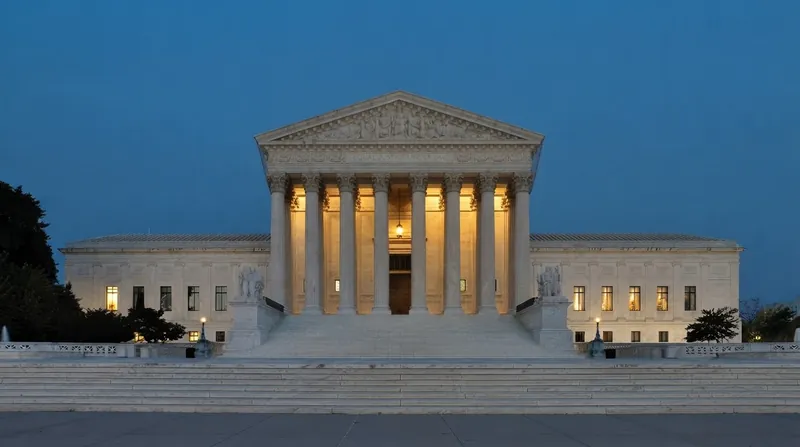
The legal standoff culminated in late July 2026, when a divided three-judge panel of the U.S. Court of Appeals for the D.C. Circuit ruled 2-1 against Biden. The majority concluded that the public's interest in the materials outweighed the former president's privacy concerns, especially given that the transcripts were already largely public and personal details had been redacted. Following the ruling, Biden's team filed a notice of voluntary dismissal, effectively ending the fight.[1]
Reaction to the release has been sharply divided. Jeff Clark, the Oversight Project's vice president of litigation, declared the ruling a "complete and total victory," asserting that the tapes prove Biden disclosed "massive amounts of classified information" and validating concerns about his cognitive state years before his presidency.
Conversely, Biden's camp condemned the disclosure. Spokesperson TJ Ducklo criticized the release as a politically motivated breach of privacy, stating that making the private conversations public is "just the latest example of this Administration weaponizing the DOJ for political retribution." Ducklo maintained that while Biden respects the independent judiciary, the tapes were never intended for public consumption.[2]
The publication of the audio closes a significant chapter in the saga of the Hur investigation, transferring the evidence from the courtroom to the court of public opinion. While legal experts note that the tapes do not alter the Justice Department's decision against prosecution, they provide the public with unfiltered access to the exact conversations that shaped one of the most consequential special counsel reports in recent political history.
Key points
- The Heritage Foundation released roughly three hours of audio from Joe Biden's 2016-2017 interviews with his memoir ghostwriter.
- The release follows a 2-1 federal appeals court ruling that prompted Biden to drop his lawsuit attempting to block the disclosure.
- In the tapes, Biden can be heard discussing sensitive foreign policy matters and acknowledging he 'just found all the classified stuff downstairs.'
- The recordings were central to Special Counsel Robert Hur's 2024 decision not to charge Biden, citing his cooperation and poor memory.
Unanswered questions
- It remains unclear if the release of the tapes will prompt any further congressional inquiries or hearings.
- The exact nature of the classified information discussed is still unknown, as those specific details remain redacted in the released audio.
How we got here
2016-2017
Joe Biden sits for hours of interviews with ghostwriter Mark Zwonitzer for his memoir 'Promise Me, Dad.'
Feb 2024
Special Counsel Robert Hur releases his report on Biden's handling of classified documents, citing the interview tapes.
April 2024
The Heritage Foundation files a FOIA lawsuit to compel the Justice Department to release the audio recordings.
July 21, 2026
A federal appeals court rules 2-1 that the tapes must be released, rejecting Biden's privacy arguments.
July 24, 2026
Biden's legal team files a notice of voluntary dismissal, ending their effort to block the release.
July 27, 2026
The Oversight Project publicly releases the audio recordings and redacted transcripts.
- Conservative Legal Advocates
- Argue the tapes prove Biden mishandled classified information and validate concerns about his cognitive decline.
- Biden Legal Team
- Maintain the release is a politically motivated invasion of privacy regarding personal conversations that were never meant for the public.
- Transparency Advocates
- Emphasize the public's right to access government records and the evidence underlying a major Special Counsel decision.
Perspectives this story doesn't cover
- National Security Officials
- Mark Zwonitzer (the ghostwriter)
Sources
Source coverage
2 outlets
3 viewpoints surfaced


- [1]PBSTransparency Advocates
Appeals court rejects Biden's bid to block release of audio from memoir ghostwriter interviews
Read on PBS → - [2]Anadolu AgencyTransparency Advocates
Newly released Biden audio recordings highlight memory struggles
Read on Anadolu Agency →
More in News & Politics
See all →Federal Investigations
Federal Agents Search Home of Rep. Ilhan Omar in Criminal Investigation
3 sources
Election Law
Federal Judge Strikes Down Justice Department Policy Collecting State Voter Rolls
7 sources
Campaign Finance
DNC and Watchdogs File Federal Lawsuits Over Trump's Taxpayer-Funded Ad Blitz
5 sources
Dual Sovereignty
The Dual Sovereignty Doctrine: Why the Double Jeopardy Clause Allows Two Trials for One Crime
6 sources
Comments
Every angle. Every day.
Get News & Politics stories with full source coverage and perspective breakdowns, free every day.